
The Science of Saunas: 10 Proven Clinical Health Benefits

The Science of Saunas: 10 Proven Clinical Health Benefits

What is a Sauna?

Heat therapies have long been used for healing and wellness, dating all the way back to the ancient Greeks, Romans, and Mayans. The sauna is simply a small or large room designed specifically to help you sweat. What’s more, science stands behind saunas, and modern medicine has proven 10 clinical health benefits of saunas that will leave you wanting to get your own sweat on soon.

Different Types of Saunas

Today, saunas are an everyday part of many cultures, from the Finnish outdoor saunas to the Swedish batsu, the Korean jjimjilbangs, and Japanese sento. Variations of the dry and steam (or wet) saunas, as well as the latest infrared saunas, all offer a variety of health benefits, even after only a few minutes a day of use. Users report that a deep, healthy sweat generally relieves stress, reduces muscle tension, and delivers an overall sense of relaxation and well-being. 

Over the ages, various types of dry and wet saunas have been invented, along with the latest infrared saunas that deliver direct heat to the body versus heating the air and room temperature. 

Here’s a look at the types of saunas to consider as you evaluate incorporating them into your health regimen:

  1. Dry saunas are heated with fire, hot stones, gas, or electricity
  2. Steam saunas generate steam by applying water on the heating element
  3. Infrared saunas use infrared heaters to emit light that delivers radiant heat that’s absorbed by the surface of the skin
  4. Hybrid Saunas – Use combinations of Dry Saunas, Steam Saunas, or Infrared Saunas.

Infrared saunas are further broken down into the following types:

  • Near infrared saunas
  • Far infrared saunas (FIR)
  • Full spectrum infrared saunas

Infrared saunas deliver direct heat via the infrared light and at lower temperatures versus dry and wet saunas that heat the air to increase the room temperature. 

Difference between infrared and near infrared

The main difference between far infrared and near-infrared saunas is the depth and intensity of the therapy. Far infrared saunas generate a longer wavelength heat that penetrates deeper into the skin, allowing for more effective therapeutic benefits. Near-infrared saunas, on the other hand, produce short wavelengths of light which remain closer to the surface of the skin. This type of sauna can still provide great results but is not as intense or therapeutic as far infrared.

Differences between full-spectrum saunas and infrared saunas

The main differences between full-spectrum saunas and infrared saunas are the type of heat used, the intensity and depth of therapeutic benefits, and their ability to detoxify. Full-spectrum saunas use both near-infrared and far-infrared light to produce heat, while infrared saunas only use infrared light. This gives full-spectrum a more intense and beneficial therapeutic experience than just far infrared alone. Additionally, full-spectrum saunas can help to release chemicals from fat cells through sweating, whereas infrared saunas don’t have this same detoxifying effect.

What Happens in the Body?

Whatever type of sauna therapy you choose, and regardless of the humidity level, the effects on the body are similar and create a variety of well-documented health benefits, such as releasing the ‘feel good’ endorphins, in addition to widening the blood vessels to improve circulation and blood flow.

Depending on the duration of sauna use, you will see circulation improvements that are similar to the effects of moderate exercise. Your heart rate may increase to 100 to 150 beats per minute while the growth hormone release increases by as much as 200 to 300%. Sauna use can also help improve athletic performance and stamina due to that increase in circulation. 

Still not convinced? Then let’s dive into a few more proven health benefits of sauna use, and how to accurately measure the effects.

10 Proven Clinical Health Benefits of Sauna Use

1. Supercharge your cell power. Heat has been proven to positively impact your mitochondria, the ‘batteries’ powering your cells, helping your body naturally produce more energy and stay fit. 

2. Slow down Father Time (aka: aging!). Cell regeneration means you slow the aging process. And if you’re not quite convinced, check out the 20 year study of Finnish men that links two to three sauna sessions per week with a 23% decreased risk of death from cardiovascular disease. 

3. Detoxify heavy metals and chemicals. Everyday exposure to potentially toxic heavy metals through a variety of sources means even the most health conscious people still have toxins in the body. Regular sauna bathing helps excrete toxins such as arsenic, cadmium, lead, and mercury. 

4. Make your heart happy and healthy. A 2018 study found that sauna bathing four to seven times per week reduces the risk of death from cardiovascular disease by as much as 58%. 

5. Reduce blood pressure. Sauna heat helps widen blood vessels and improve circulation, which reduces blood pressure. 

6. Optimize athletic performance. Blood flow improvements from hyperthermic conditioning (heat conditioning) sends more blood to the heart, leading to an increase in plasma and red blood cell volume. That process delivers more oxygen throughout the body, fueling athletic performance.

7. Improve muscle function and recovery. As more blood flow and oxygen is delivered throughout the body, muscles increase in size and muscle breakdown is diminished. One study showed that two, one-hour sauna sessions for seven days straight increases production of the human growth hormone (HGH) by two to five times. 

8. Fuel weight loss. Regular sauna use is shown to regulate the appetite, increase metabolism, and improve oxygen utilization, helping to fuel weight loss along with a reduction in body fat.

9. Boost brain function. The brain-derived neurotrophic factor, or BDNF increases with regular sauna use, activating the growth of new brain cells, better maintaining existing cells, and improving neuroplasticity, the brain’s process for forming new neural connections. 

10. Ignite your immune system. Heat exposure from sauna use increases the heat shock protein, stimulating antigen-presenting cells, along with releasing cytokine, thus stimulating the body’s natural immune system. 

11. BONUS BENEFIT: improve emotional health and mood. When your body and brain are healthy, detoxified, and destressed, and you’ve boosted endorphins, your overall mood and emotional health improves.

Who Should Sauna, and Who Shouldn’t…

Due to the extreme heat, certain people should avoid sauna use of any type, including pregnant women and those with specific health conditions such as low blood pressure and heart conditions. As with anything, it’s always wise to consult your medical practitioner before beginning sauna treatments.

How to Track Your Personal Sauna Health Benefits 

Everyone is unique and may have very different outcomes from sauna use, so track your key metrics before and after use, as well as over a period of time, to understand specifically how sauna use is impacting you.

For example, the Heads Up app gives you a way to enter the type of sauna you’re using, the room temperature, date, and duration. From there, you can check health stats such as blood pressure, heart rate, and more. You may even see improvements in the quality of your sleep over time. 

Sauna tracking

How to Track Your Client’s Sauna Sessions, Treatments, Outcomes, and more!

Heads Up Health is a useful tool for healthcare professionals who want to track their client’s sauna sessions, treatments, and outcomes. This comprehensive system allows users to store detailed records of their patient’s health data and easily access it with the click of a button. This includes information such as sauna session length and frequency, infrared heat temperatures used, notes from treatments and outcomes, and more. By using Heads Up Health, healthcare professionals can keep an accurate record of their client’s progress and make sure they are receiving the best possible care.

Ready to get started?

If you’re ready to ‘dive into’ sauna bathing of any kind, grab a 30-day free trial of Heads Up first and decide on some of your goals for sauna use, then monitor your key health metrics before and after. You may also want to monitor various durations and frequencies, and the correlated effects on those same metrics to determine which type of sauna and frequency level is right for you. And as we always say, be sure to consult your health practitioner before starting any new health regimen! 

Are You A Health Professional?

Do you want to track your patients Sauna sessions or other treatments along with their health metrics like weight, HRV, glucose and more, in a beautiful dashboard to quantify the benefits of Sauna use? Click here to learn more about the health professional platform.

Namaste my friends!

– Dave

Resources:

Which Keto Tracker App is Right for You?

Which Keto Tracker App is Right for You?

The ketogenic diet has gone mainstream, and with it, so have the number of apps available to efficiently track your progress. But finding the right keto tracker app can get complicated and confusing quickly. There are big differences between free tracking apps with basic functionality and premium apps offering a broader range of keto diet tracking plus other useful features that help you more easily monitor and manage your overall health, no matter what your goals.

So here are some useful tips to help determine if a free keto tracker app is right for you, or if you may want a little more ‘spice’ in your ‘keto app sauce.’

The Freebie Options

MyFitnessPal

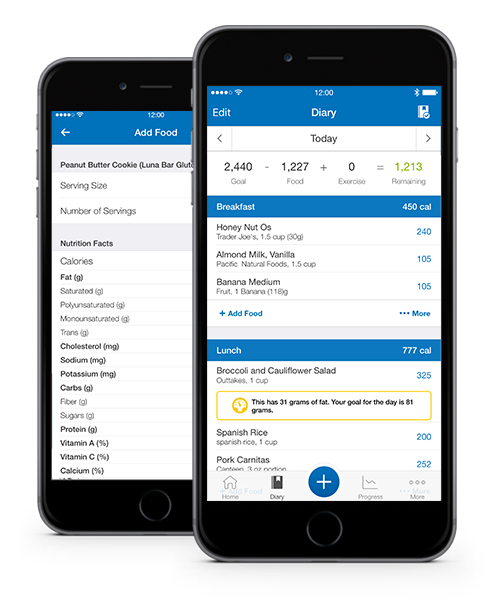
MyFitnessPal is a popular calorie counter web and mobile app for tracking fitness and food intake. This keto tracker app diary feature couples with the calorie counter to help track every calorie, nutrient and vitamin you consume. The macros feature helps you analyze eating patterns to determine where you may be out of balance so you can make necessary adjustments to stay on track with your goals.

  • The Pros: MyFitnessPal is convenient to use with easy access to a huge database of foods and information, offering instant feedback and flexible diet plans. It also integrates with other health dashboards as well as a host of other activity, fitness and lifestyle apps as well as wearables (see all integrations). 
  • The Cons: The food database has many listings that are not verified, which can make it hard to find the right food in their system. There is also more emphasis on calories versus macros, and for some, not having net carbs displayed without running a script can make it less keto-friendly than other keto tracker apps. The app also requires an internet connection to access the database in real-time. It may be best suited for those who are steadfast in their dedication to calorie counting as the best method to reach their goals. 
  • Cost: Free; in-app purchases on Apple watch
  • Platforms: Web app and mobile app on Apple & Android
MyFitnessPal Diary
Carb Manager App
Carb Manager App

Carb Manager

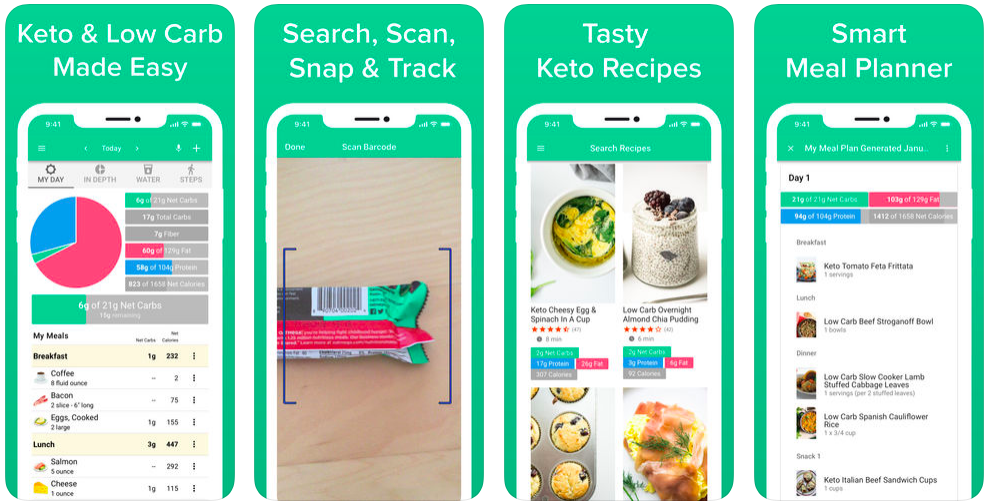
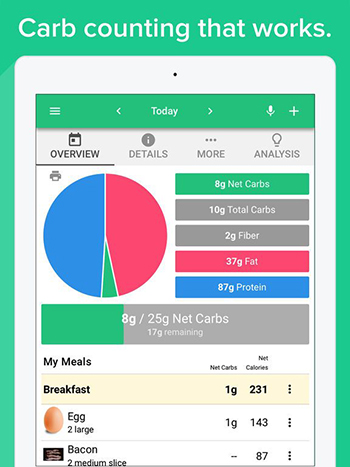
The Carb Manager Low-Carb Diet Tracker is a great option to track your keto diet macros. You can log meals using photos, search, voice input or barcode scanners, making it flexible and user-friendly no matter what method(s) you prefer. The database of foods, although size is uncertain, seems large enough to accommodate most dieters, and you have access to meal planners, diet forums, recipes, eBooks and more. Total and net carbs are verified instantly and the user interface is simple.

  • The Pros: As another free keto tracker app option, this one is full-featured and easy to use, and lets you enter your own carb limits and track water intake. The database of foods is plenty big, you have access to a plethora of relevant diet resources, and it’s applicable for Keto, Atkins, Paleo and other diet plan preferences that espouse a similar low-carb lifestyle approach. You can also chart your body mass index (BMI), weight and progress against your personalized goals, access via the web or mobile device and use unlimited logging for taking food pics. 
  • The Cons: Although free, you may reach a food limit on what you enter before being required to upgrade, and is sometimes challenging to search for and upload their own food items from a personalized meal plan. The user interface is also a bit lacking compared with some of the other nutrition apps covered here.
  • Cost: Free with in-app purchases
  • Platforms: Web app, mobile app on Apple and Android

Lifesum 

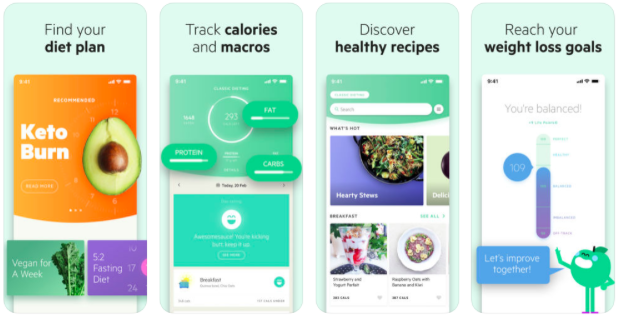
Lifesum is another food and fitness tracking app available on mobile devices only (no web app) that offers calorie tracking, recipes and nutrition tips. This keto tracker app offers some recipes along with social media integration and gamification that allows users to connect with friends to challenge, motivate and inspire each other. The app’s food rating guide also makes it easy to quickly assess the foods with the best nutritional value versus those that are high in calories, saturated fats, sodium or sugar.

  • The Pros: Track meals and physical activity through an easy user interface and select your health goals from three simple options, “be healthier,” “lose weight,” or “gain weight.” It includes some recipes and a filter to find and track foods based on what’s popular in your area.
  • The Cons: The food database is much smaller than MyFitnessPal and some of the nutrient information is inaccurate. Significant features such as the full food database and the larger catalog of recipes also require a paid upgrade. 
  • Cost: Free with in-app purchases for additional foods and recipes
  • Platforms: Mobile app available on Apple and Android
Lifesum App

Try a Health & Keto Tracker App Free

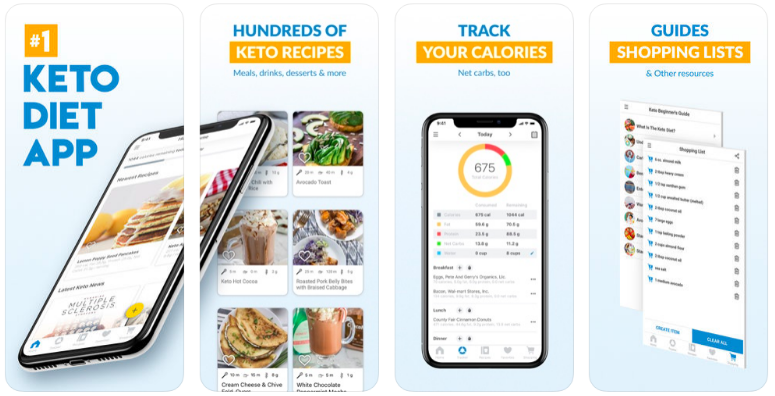
Total Keto Diet App

Total Keto Diet

The Total Keto Diet app offers a wide variety of healthy recipes for people on the keto diet plan, as well as a host of educational articles on the ketogenic lifestyle in general. You can select and save your favorite meals and recipes and from that, create a personalized shopping list. Users can share recipe ideas with other users. The keto tracker app also includes a macronutrient tracker, helping you log carb intake and overall diet macros.

  • The Pros: This is an easy and convenient way to keep track of your keto plan, weight-loss progress and offers an easy spot for keto education and logging of shopping lists.
  • The Cons: For users that may want to incorporate tracking other health metrics, through integration with other devices or apps, this may simply be too basic of an option to do everything on your wishlist. It’s also difficult to adjust the amount of specific food entered (i.e. entering ½ cup of cooked cauliflower).
  • Cost: Free 
  • Platforms: Mobile app available on Apple and Android

When FREE Falls a Little Too Short

Keto Diet App

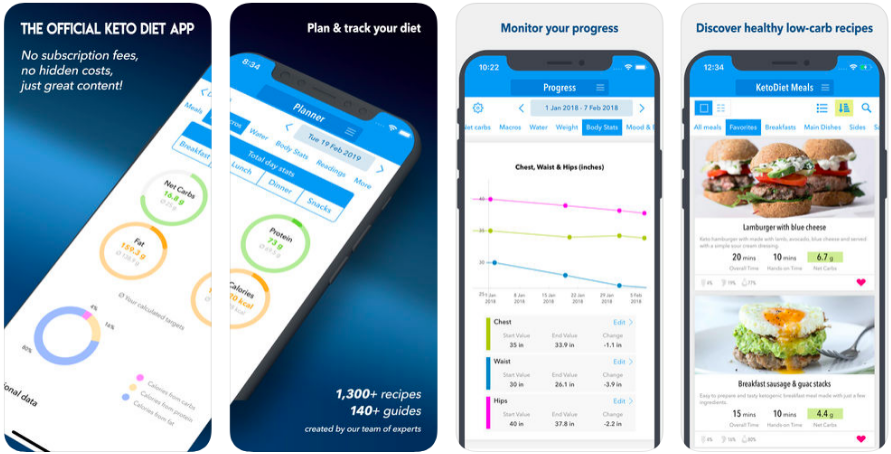
When you’re ready to step into the paid keto app world for more robust features, The Keto Diet app offers more to help users adopt a healthier lifestyle rather than just losing weight at any cost. For people interested in using the ketogenic plan to follow a low-carb eating plan with a high degree of accuracy, this is a great choice. Its intuitive diet planner lets you create a custom profile using options from hundreds of meals and snacks. Beyond calorie counting and carb monitoring, this keto tracker app helps you more easily track your ketogenic diet macros, and you can set your carb intake, pull from hundreds of free recipe ideas and use its built-in keto calculator. The virtual shopping basket also helps simplify grocery shopping.

  • The Pros: This app is big on both accuracy and data privacy, so your personal info is secure, and all of the tracker’s nutritional details are from verified sources. Its simple interface is user-friendly, and the diet guide is well-suited for beginners and advanced keto dieters, with thousands of delicious recipes that are formulated for keto via a whole-foods lens. 
  • The Cons: Although the app is user-friendly, it is sometimes considered time-consuming to use. Measuring options for some items are only in ounces or grams, not cups, tablespoons or teaspoons, so volume accuracy can be a challenge on-the-fly.
  • Price: $8.99 per month with in-app purchases
  • Platforms: Apple and Android
Keto Diet App

Heads Up (formerly Heads Up Health)

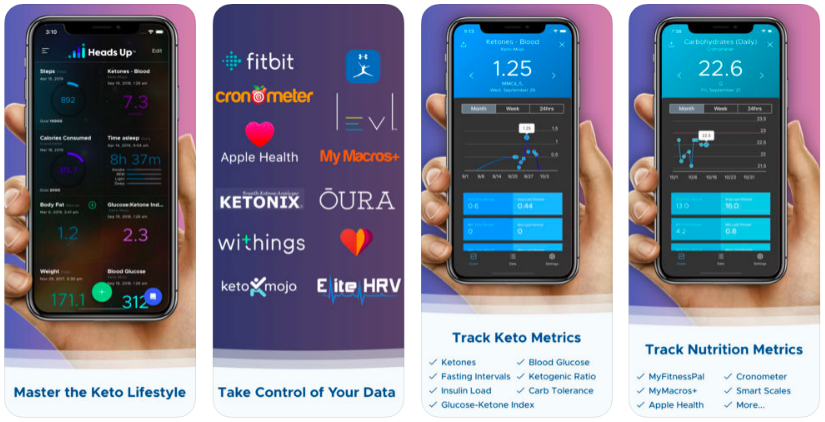
Heads Up (formerly called Heads Up Health) takes ketogenic diet tracking to a different level and is a more robust personal health app designed to give users an easy way to see all of their important health metrics in one place, whether the goal is weight loss and changing body tape measurements, chronic disease management, athletic performance, biohacking or general health and well-being. 

This keto tracker app integrates with a growing number of popular fitness apps, diet trackers and wearables, such as MyFitnessPal, MyMacros+, Fitbit, Apple Health, Cronometer, BioStrap, Oura Ring and KetoMojo, with more being added. In fact, whatever keto tracker app you decide to use, Heads Up is a great complement to seeing the big picture of your health.

  • The Pros: Heads Up lets users track a much broader range of health and medical data to monitor total lifestyles, while still tracking specific diet plans such as keto. A wide range of popular integrated apps and wearables automatically sync, and the dashboard can be customized to feature the most important stats you need to monitor most often. The Care Team Access feature allows users to share health data with loved ones and medical practitioners if desired, and remove access at any time. Data privacy practices are in place to make sure all your personal and medical information is secure.
  • The Cons: For users that only want to only track a specific diet or food plans such as Keto, Paleo or Low-Carb, the app may have more features than needed.
  • Price: Free 30-day trial / $8.99 per month 
  • Platforms: Web app, mobile for Apple and Android
Heads Up Health App

Try a Health & Keto Diet Tracker Free

https://app.headsuphealth.com/users/sign_up

The Bottom Line

The list of keto diet tracking apps is wide and long, and clearly, there is a lot of overlap between options, especially when it comes to the free ones. The pack begins to separate when you get into the more robust paid options that offer a deeper, feature-rich experience. So the best way to choose…?  Start with the end in mind. If it’s a diet plan and you’re on a budget, free is the way to go. But if you want to monitor more health stats over the short and long term, then upgrading to a paid solution will be way worth the investment in monitoring your broader health metrics.