
HRV and Recovery: Brad Ruben’s Mental Edge in Poker
What elite performers can teach us about nervous system tracking and recovery
Brad Ruben isn’t your average poker player. He’s a four-time World Series of Poker champion who doesn’t just train his mind—he trains his nervous system.
In high-stakes poker, performance hinges on more than strategy. It depends on clarity, restraint, and emotional regulation in unpredictable environments. This is where metrics like Heart Rate Variability (HRV) come into play, offering measurable insights into recovery, resilience, and readiness.
We sat down with Brad to explore the exact practices he uses to stay sharp at the table. For health professionals working with executives, athletes, or patients in high-pressure environments, this conversation offers valuable insight into how data-driven recovery supports long-term performance and mental health.
Why HRV Matters for Mental Performance
Brad tracks his HRV daily. He doesn’t just glance at the number—he uses it to decide whether or not to play.

HRV, a measure of autonomic nervous system flexibility, has become a cornerstone for both elite physical performance and psychological resilience. Higher HRV is typically associated with improved parasympathetic activity, better sleep quality, faster recovery, and lower allostatic load. For someone like Brad, it’s a real-time signal of whether his system is primed to handle stress.
This same principle applies to the patients you support. Whether they’re navigating chronic illness, burnout, or high-performance careers, HRV can serve as a daily check-in to help guide behavior, activity, and recovery.
Brad’s Recovery Stack
Brad’s approach to recovery is comprehensive, not complicated. His tools include:
- Meditation and hypnotherapy for nervous system regulation and mental reset
- Cold plunges and sauna to trigger hormesis and enhance resilience
- Hyperbaric oxygen therapy (HBOT) to support cellular recovery and mental clarity
- Sleep prioritization and the willingness to skip performance when recovery is off

One of the most powerful takeaways from our conversation was his discipline in not playing when the data says he’s off. In a field where emotions run high and pressure is constant, Brad sees self-regulation as a competitive edge.
For your clients or patients, this mindset shift is essential. Recovery isn’t a reward for hard work—it’s a prerequisite for high-quality output.
Read more about HBOT and cold plunge benefits:
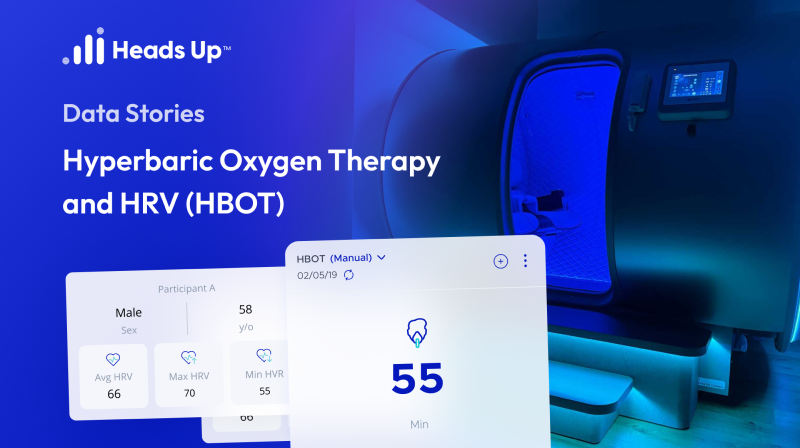
Data stories: Hyperbaric Oxygen Therapy and Oura HRV
Introduction To Hyperbaric Oxygen Therapy & Heart Rate Variability. This is a case report looking at the effect of hyperbaric oxygen therapy (HBOT) on heart rate variability (HRV) as measured by the Oura ring. While HBOT is well known for its ability to treat...

Top 5 Benefits of Cold Plunges & Ice Baths
Dive into Optimized Health: Discover The Benefits Cold Plunges and Ice Baths Can Provide For Revitalizing Your Health, Happiness, and even… Relationships! Estimated reading time: 9 minutes Table of contentsTop 5 Benefits of Cold Plunges 1. Metabolic Benefits of...
The PTSD Connection
Brad also works closely with organizations supporting combat veterans recovering from PTSD. He’s deeply involved with Camp Hope and Shields and Stripes, two nonprofits focused on long-term trauma recovery.
He draws a direct connection between nervous system health and trauma healing. HRV, again, becomes a powerful metric. It helps show when a patient is progressing and when intervention may be needed.
Brad’s interest in recovery and resilience is personal. He’s seen how it transforms performance and how it supports long-term healing. This crossover between peak performance and trauma care is a space many providers are now exploring.
Key Takeaways for Health Professionals
If you work with clients in high-demand roles—CEOs, athletes, creative professionals, or trauma survivors—Brad’s story offers three clear lessons:
- HRV isn’t just a wellness metric. It’s a performance filter that guides day-to-day decisions.
- Recovery is non-negotiable. Cold exposure, breathwork, and rest are as important as training or work output.
- Restraint is part of the game. Sometimes the best action is choosing not to act when the body isn’t ready.
Final Thoughts
As providers, your role is to support not just health, but resilience. That includes helping your clients understand when to push and when to pause.
Brad Ruben’s approach shows what that looks like in real time. He doesn’t just track recovery—he listens to it. He uses it as a compass. And in doing so, he’s staying at the top of his game.
If your patients are looking to perform at a higher level or recover from chronic stress, consider starting with HRV. It’s not just data. It’s direction.
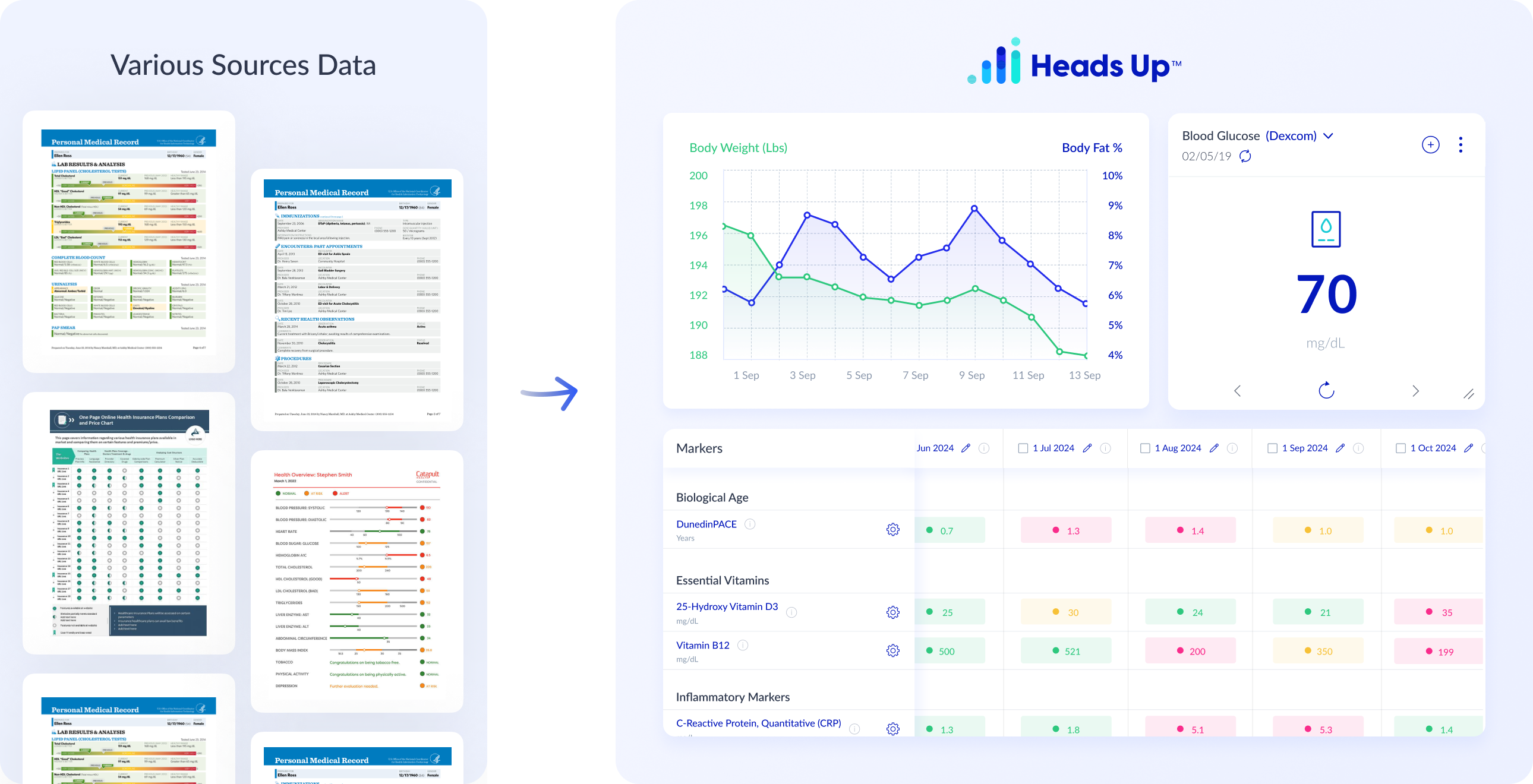
Tracking Patient Health Data Has Never Been Easier!
Leverage The Power Of Heads Up in your Health Practice
Get started with by scheduling custom demo with one of our specialists to see the difference Heads Up can make in your practice. Schedule your demo and discovery call here.
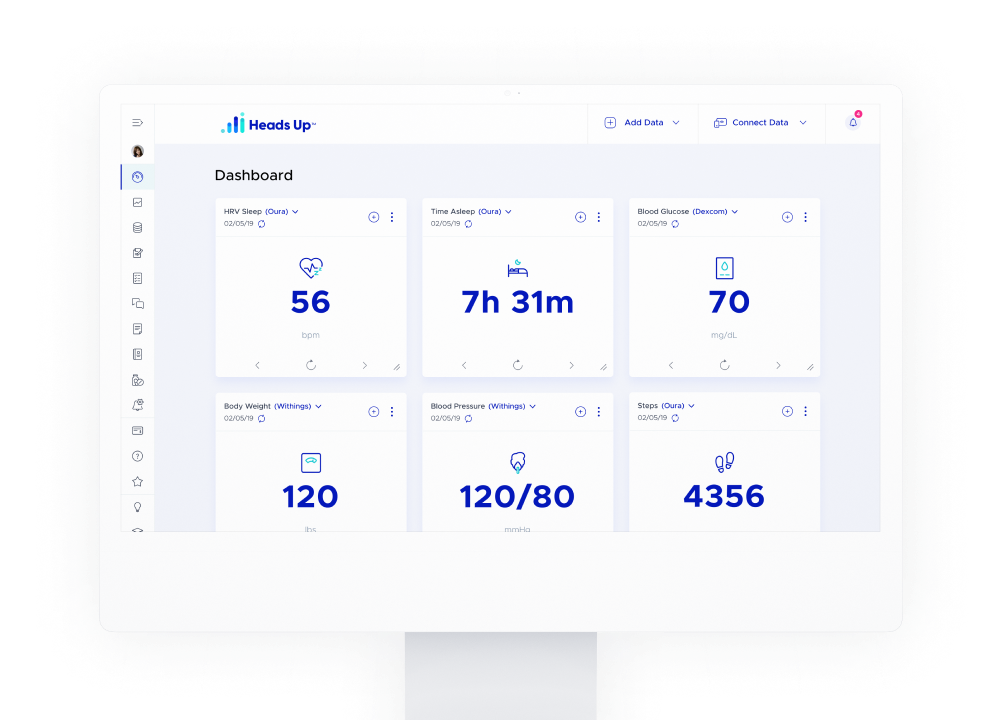
Optimize Health & Longevity
Synchronize your clients’ medical records, labs, wearables, apps, and more into Heads Up for better outcomes. Sign Up now for a free starter account!








0 Comments