
Nervous System Regulation: The Most Overlooked Biohack for Better Health Outcomes
Overview
When most people think about biohacking, they imagine cutting-edge wearables, peptides, or advanced therapies. Yet some of the most effective interventions for patient health require no technology at all. Nervous system regulation may be the most powerful, and most overlooked, biohack available today.
Why Nervous System Regulation Matters
Patients who spend too much time in a sympathetic state, the classic “fight or flight” mode, are at higher risk for poor sleep, digestive issues, reduced recovery, and chronic stress. This constant activation affects not just how patients feel, but how their bodies function on a cellular level.
One of the clearest windows into nervous system status is heart rate variability (HRV). Low HRV is associated with reduced resilience, impaired recovery, and higher risk of disease. High HRV is linked to parasympathetic balance, improved stress tolerance, and longevity. For clinicians, HRV provides a measurable biomarker to track patient progress with nervous system interventions.

Practical Tools That Work
In our recent video with Nathalie Niddam, holistic nutritionist, longevity educator, and host of the Longevity Podcast, the discussion highlighted low-tech practices that can create immediate shifts in nervous system balance.
1. Posture and Breath Awareness
Encourage patients to notice shoulder tension. Simply rolling the shoulders back and taking a slow diaphragmatic breath can downregulate the nervous system within seconds. This is an accessible intervention that patients can practice anytime, anywhere.
2. Protect the Morning Routine
The first hour of the day sets the tone for the nervous system. Building in stillness, movement, or reflection before engaging with technology helps patients buffer against the stressors that follow. Even a short delay before looking at a phone can prevent early cortisol spikes and support greater resilience throughout the day.
3. The Role of Gratitude
Gratitude is often framed as a mindset practice, but research shows it has direct physiological effects. Studies link gratitude to improvements in HRV, reductions in inflammatory markers, and stronger parasympathetic activation. Recommending simple practices like journaling three things patients are grateful for can be a powerful adjunct to more complex therapeutic interventions.
Clinical Takeaway
For practitioners in concierge medicine, integrative and functional medicine, and longevity medicine, nervous system regulation is not an optional add-on. It is a baseline intervention that makes every other therapy more effective.
Encouraging patients to integrate simple tools like posture awareness, morning rituals, and gratitude practices can help reset the autonomic nervous system. These strategies improve patient resilience, optimize recovery, and lay the foundation for long-term healthspan.
The nervous system is not just part of the equation. It is the operating system. Everything else works better when it is balanced.
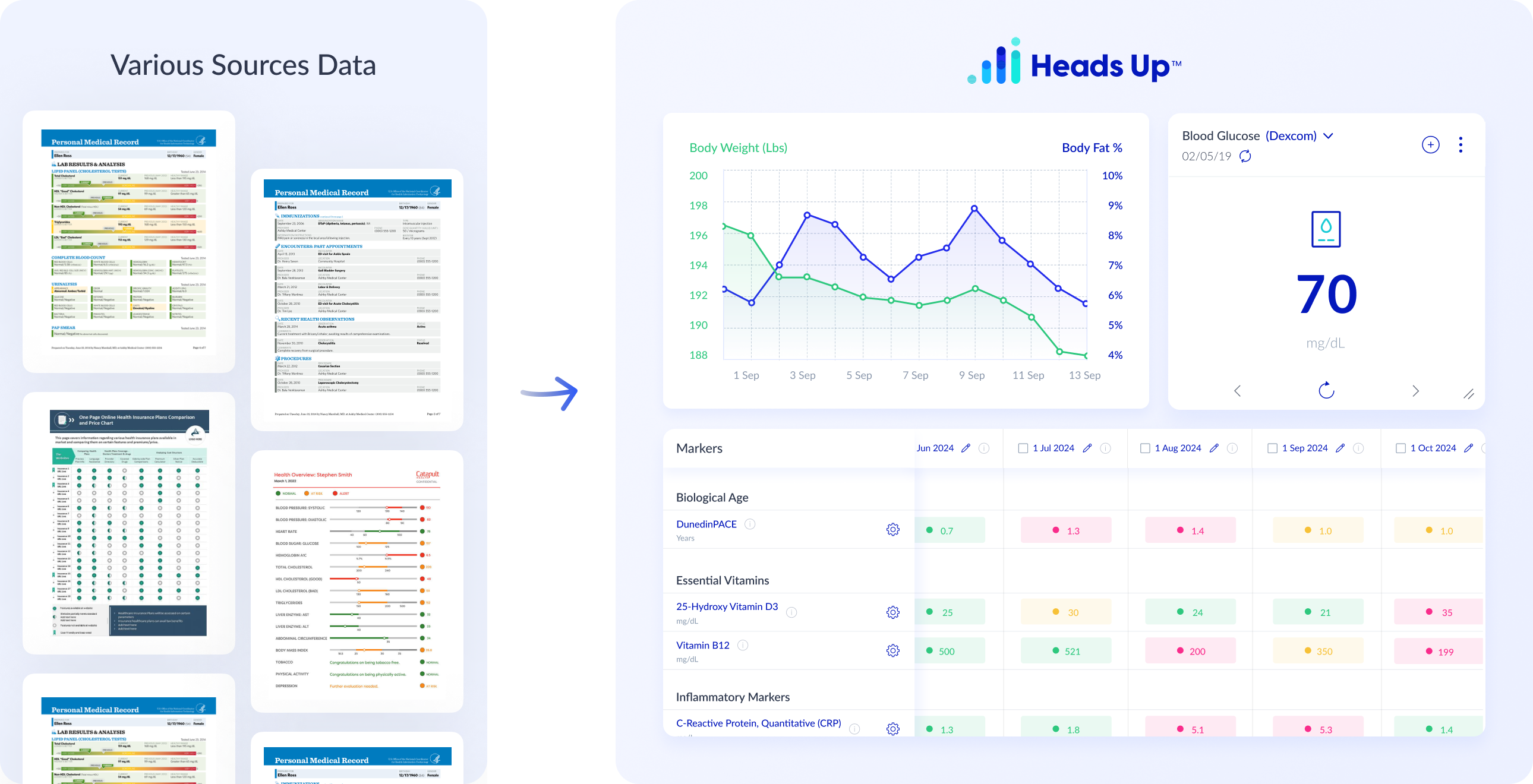
Tracking Patient Health Data Has Never Been Easier!
Leverage The Power Of Heads Up in your Health Practice
Get started with by scheduling custom demo with one of our specialists to see the difference Heads Up can make in your practice. Schedule your demo and discovery call here.
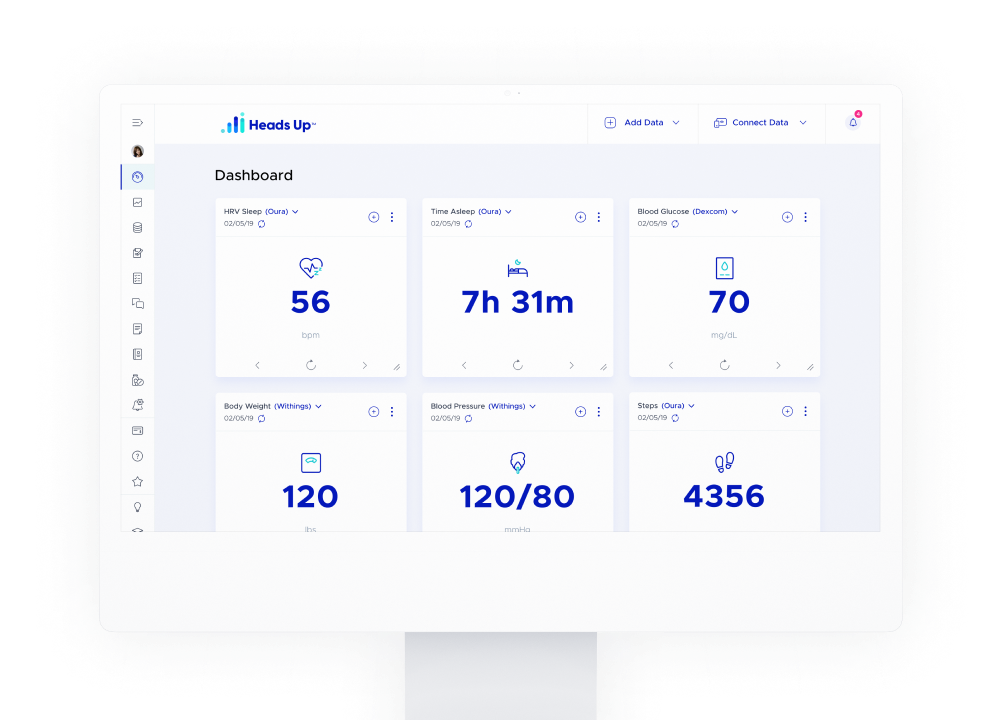
Optimize Health & Longevity
Synchronize your clients’ medical records, labs, wearables, apps, and more into Heads Up for better outcomes. Sign Up now for a free starter account!


0 Comments