Optimizing the Microbiome with AI: 3 Gut Health Insights Every Practitioner Needs to Know

Optimizing the Microbiome with AI: 3 Gut Health Insights Every Practitioner Needs to Know

Optimizing the Microbiome with AI: 3 Gut Health Insights Every Practitioner Needs to Know

Overview

In functional and integrative medicine, few frontiers are evolving faster—or generating more clinical relevance—than gut health. But while stool tests have become routine in many practices, they’re often underutilized. Most offer only static snapshots, leaving practitioners with the challenge of translating complex microbial data into meaningful interventions.

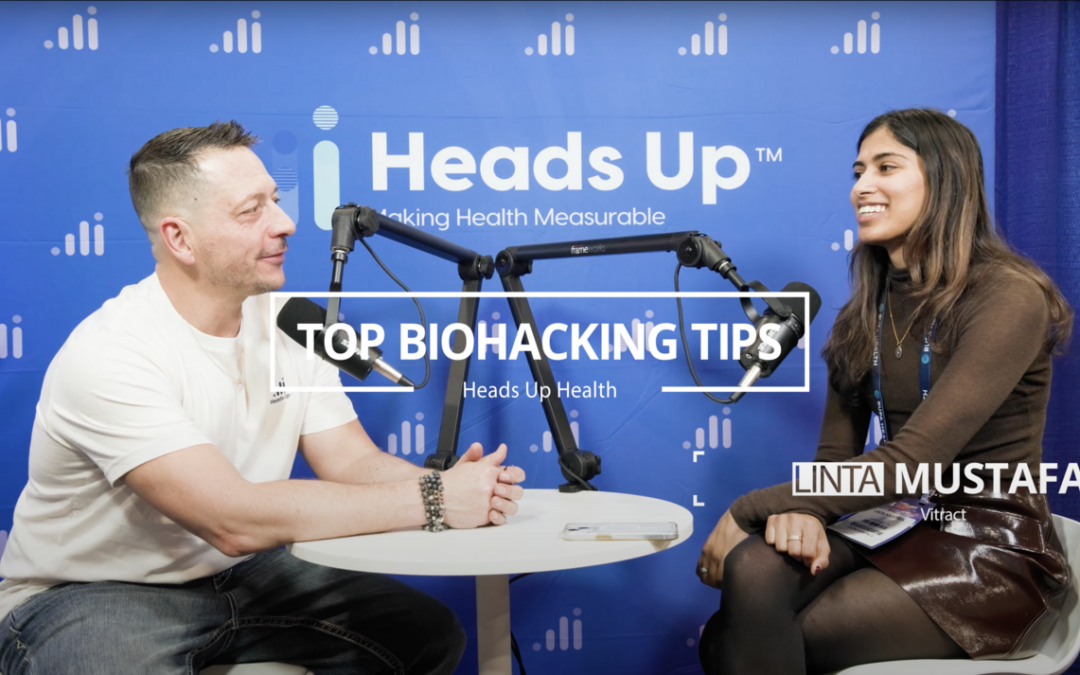
That’s why our latest interview with Linta Mustafa, CEO and Co-founder of [Vitract], is so important.

From Data to Direction: A Smarter Way to Test the Gut

Linta shares how Vitract is redefining the microbiome testing space by layering AI on top of dual stool analysis. This isn’t just about sequencing DNA—it’s about translating the explosion of gut health literature into clinically actionable insights.

Vitract’s AI engine interprets peer-reviewed research to help practitioners connect biomarkers to tailored treatment strategies—moving beyond detection and into directed modification of the microbiome.

“The next frontier in gut health isn’t discovering what’s there. It’s learning how to move the needle.”

Linta Mustafa

CEO and Co-founder of [Vitract]

The 3 Most Common Microbial Red Flags (And What to Do About Them)

Based on hundreds of analyzed tests, Linta highlights three consistent patterns that health professionals should look out for:

  1. Bacteroides Overgrowth 
    Often driven by high-protein diets (plant or animal), Bacteroides can dominate when left unchecked. It’s not about eradication—but rebalance.
  2. Akkermansia Deficiency 
    This keystone species plays a crucial role in GLP-1 activation, directly impacting blood glucose control. Linta notes most patients are critically low and unaware.
  3. H. pylori Overgrowth
    Frequently linked to broader gut dysbiosis and permeability (“leaky gut”), H. pylori highlights the terrain more than the trigger. Restoring gut integrity is key.

3 Proven Strategies to Help Patients Improve Their Microbiome

If you want your patients to get the most from their gut tests—and from your care—Linta recommends focusing on three core pillars:
 

  1. Test, Don’t Guess
    A microbiome profile offers unique visibility into metabolic, immune, and digestive function. Use it to personalize protocols.
  2. Track Over Time
    Gut health is dynamic. Encourage patients to retest every 3 months and track biomarker shifts alongside interventions.
  3. Master the Basics
    Remind patients that no supplement or wearable will outperform the basics: diverse diet, sleep, exercise, and sunlight.
“Before investing in the latest peptide, make sure the fundamentals are in place.”

Linta Mustafa

CEO and Co-founder of [Vitract]

Why This Matters for Your Practice

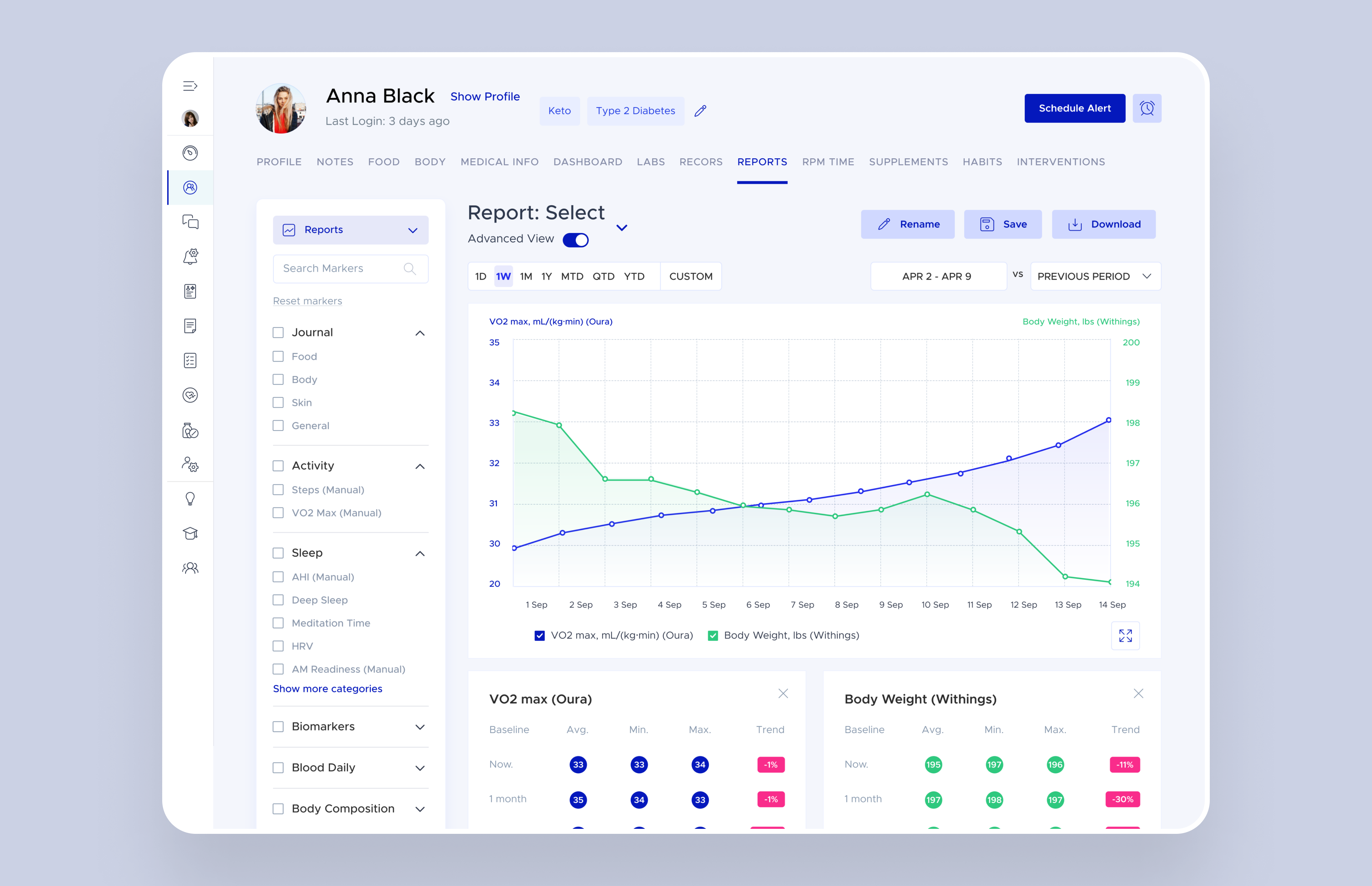
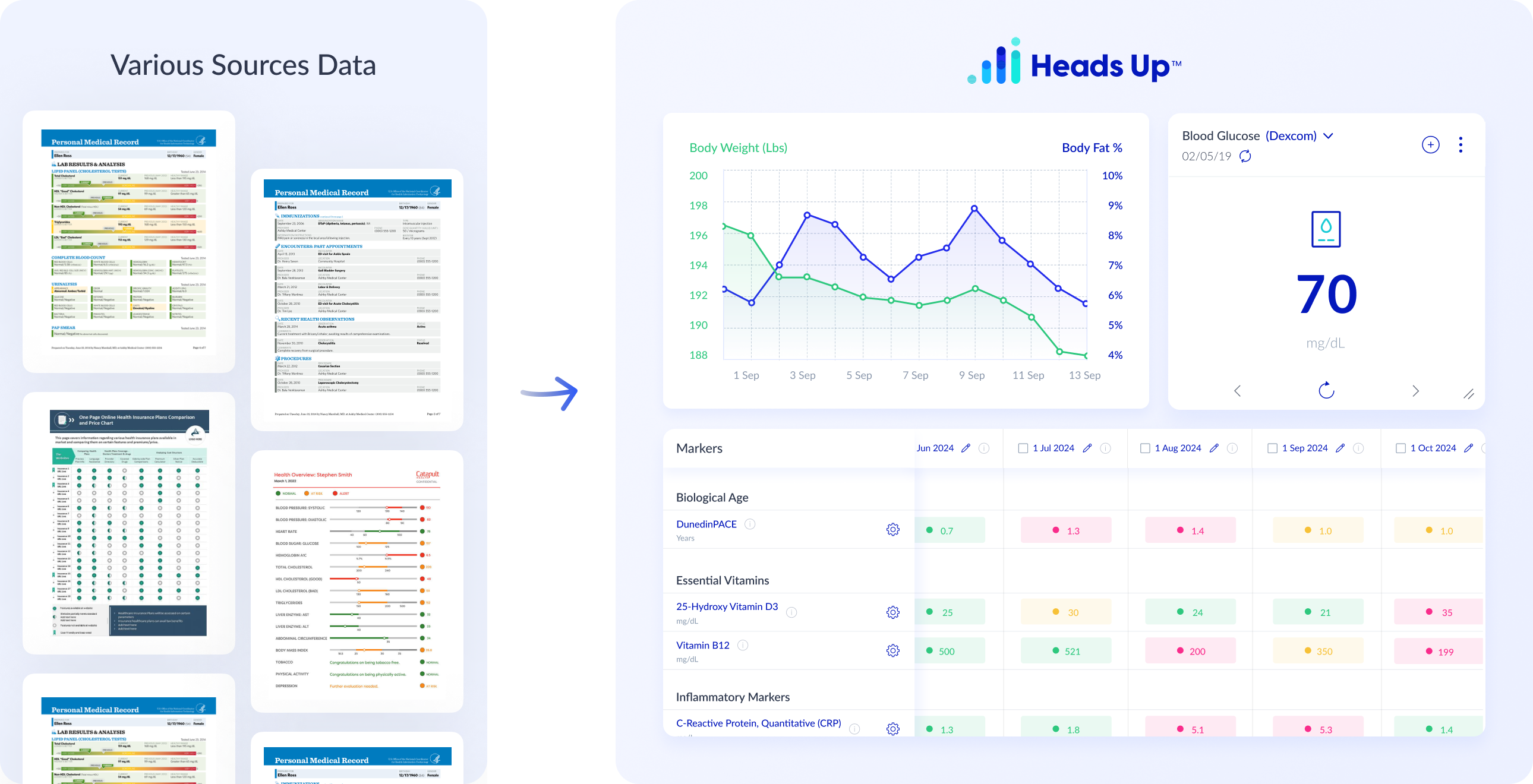
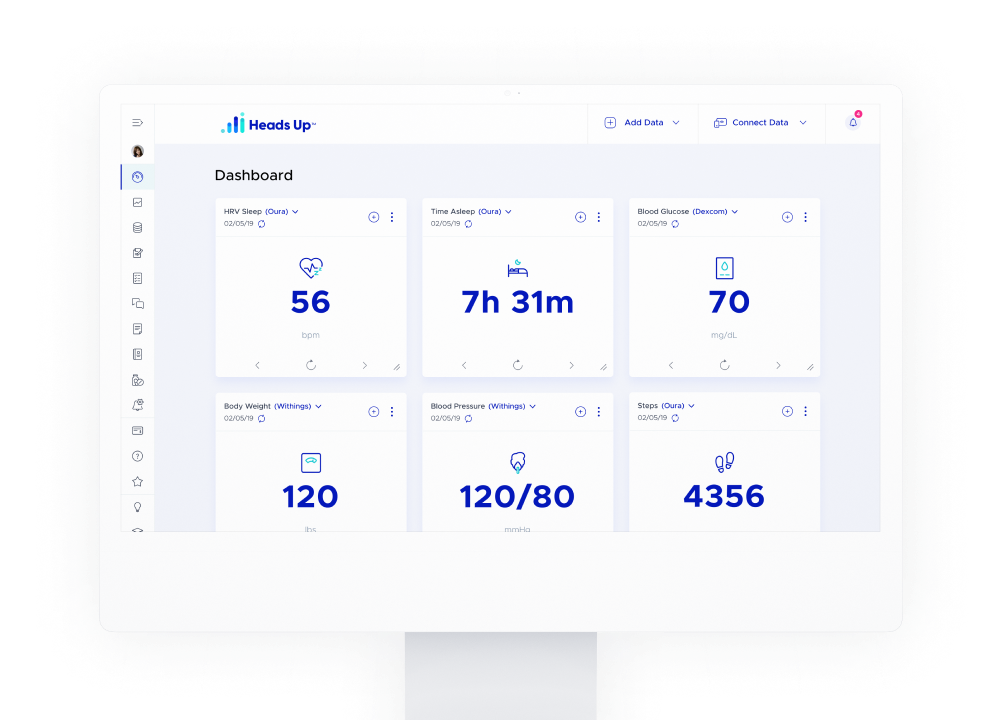
Patients want answers. Practitioners want tools. Vitract’s approach—combined with Heads Up’s real-time data dashboards—enables precision health at scale.

By integrating microbiome data with lifestyle tracking, we can empower both patients and practitioners to measure what matters and make evidence-informed decisions.

This isn’t just gut health—it’s systems biology in action.
Frame 1000003751

Tracking Patient Health Data Has Never Been Easier!

Leverage The Power Of Heads Up in your Health Practice

Get started with by scheduling custom demo with one of our specialists to see the difference Heads Up can make in your practice. Schedule your demo and discovery call here.
Optimize Health & Longevity

Synchronize your clients’ medical records, labs, wearables, apps, and more into Heads Up for better outcomes. 
Sign Up now for a free starter account!
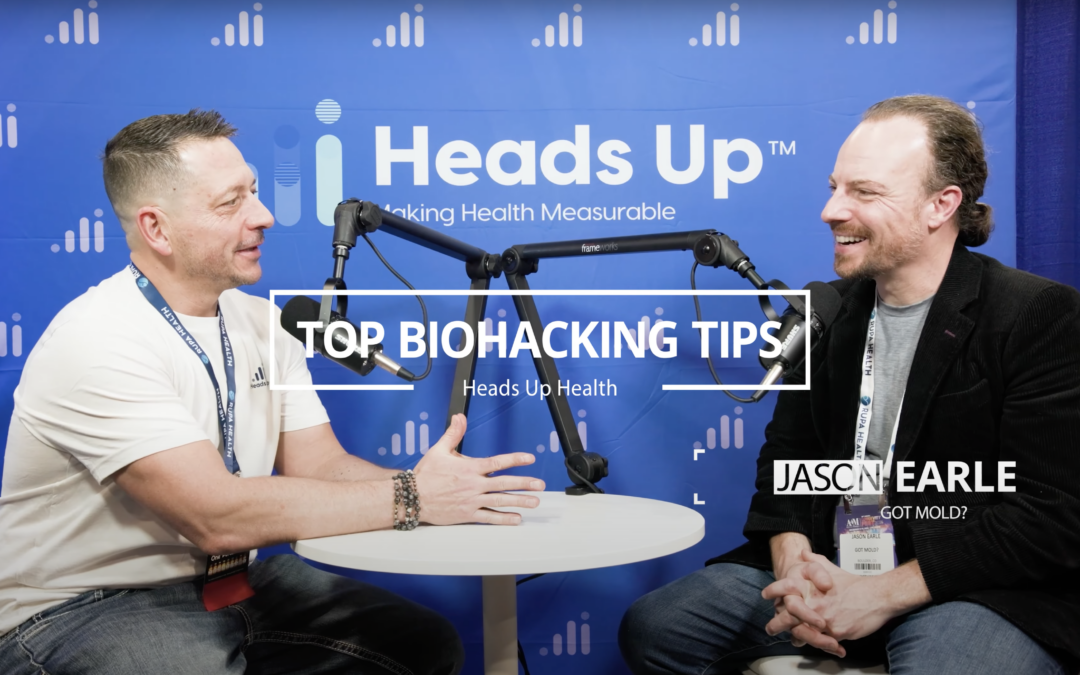
Mold, Mindfulness, and Modern Living: A Biohacker’s Guide for Health Professionals

Mold, Mindfulness, and Modern Living: A Biohacker’s Guide for Health Professionals

Mold, Mindfulness, and Modern Living: A Biohacker’s Guide for Health Professionals

Overview

In a world increasingly dominated by technology and sealed-off indoor spaces, we may be missing one of the most critical health threats hiding in plain sight: mold. In an insightful interview at A4M, Jason Earle, founder of Got Mold?, shared three essential health tips for 2025 that every health professional should be discussing with their patients.

The 48-Hour Mold Rule Every Clinician Should Know

Mold is not a slow invader. According to Earle, mold can begin growing within 48 hours of a water event, and after 72 hours, insurance often stops covering the damage. This has serious implications for patient care, especially for those experiencing unexplained symptoms such as fatigue, respiratory issues, or brain fog. Mold exposure often exacerbates autoimmune conditions and can go undetected for years.

Clinical takeaway: Educate patients on the urgency of addressing water leaks immediately. Suggest professional mold assessments if symptoms are consistent with mold toxicity.

Your Patients Are Breathing the Problem

Most homes today are designed for energy efficiency, not air exchange. Earle points out that we inhale the same indoor air 20,000+ times per day. This air often contains VOCs from synthetic cleaning agents, scented candles, and personal care products.

What’s worse? These substances may cause epigenetic alterations, potentially influencing gene expression and long-term health.

Clinical takeaway: Recommend that patients audit their home environment with the same rigor as their diet. Encourage them to remove synthetic fragrances and opt for natural, non-toxic alternatives.

Grounding: Backed by 22 Scientific Studies

Often dismissed as a wellness fad, grounding (direct physical contact with the Earth) is backed by at least 22 peer-reviewed studies showing a significant reduction in inflammation. This is particularly important for patients managing autoimmune diseases, anxiety, or chronic pain.

Earle emphasizes a return to nature—walking barefoot outdoors, opening windows, getting morning sunlight—not as optional lifestyle perks, but as essential, evidence-based practices.

Clinical takeaway: Integrate grounding and nature exposure into treatment plans as supportive, low-cost interventions for inflammation and stress reduction.

A New Paradigm for Health Optimization

Earle’s framework isn’t just about mold—it’s about shifting the entire lens through which we view modern health challenges. For practitioners in functional medicine, integrative health, and primary care, these three strategies represent immediate opportunities to make a lasting difference in patients’ lives.

As a health data platform, Heads Up Health supports clinicians in identifying environmental triggers by correlating symptoms with lifestyle metrics. Pair these data-driven insights with environmental assessments to enhance patient outcomes.

Reports 01

Tracking Patient Health Data Has Never Been Easier!

Leverage The Power Of Heads Up in your Health Practice

Get started with by scheduling custom demo with one of our specialists to see the difference Heads Up can make in your practice. Schedule your demo and discovery call here.

Optimize Health & Longevity

Synchronize your clients’ medical records, labs, wearables, apps, and more into Heads Up for better outcomes. 
Sign Up now for a free starter account!