The Next Evolution in Health Optimization: Mitochondrial Stacking, Peptides, and Precision Data

The Next Evolution in Health Optimization: Mitochondrial Stacking, Peptides, and Precision Data

The Next Evolution in Health Optimization: Mitochondrial Stacking, Peptides, and Precision Data

Overview

What do you get when you combine methylene blue, PEMF, red light, hyperbaric oxygen, targeted peptide therapy, and real-time data tracking?

According to Bill Hanks, founder of huemn – Optimization + Longevity and long-time bio-optimization practitioner, you get a powerful formula for mitochondrial health, immune resilience, and clinical precision that’s already changing patient outcomes.

In a recent video interview, Bill walked us through the top three health optimization strategies he’s seeing real results from in the clinic. If you’re a health professional looking to deepen your protocols or expand your toolkit, this conversation is worth your full attention.

Here’s a closer look at what we covered.

1. The Ultimate Mitochondrial Stack

Many clinics already use modalities like PEMF, red light therapy, or hyperbaric oxygen. But what if those tools worked even better when combined in a specific order?

Bill shares a protocol that starts with methylene blue, followed by PEMF, red light, and then hyperbaric oxygen therapy. The idea is to prep the mitochondria, stimulate cellular energy, and saturate the tissues with oxygen—creating a complete arc of cellular activation and recovery.

This stack is designed to:

  • Open ion channels (PEMF)
  • Boost ATP production (red light)
  • Deliver high levels of usable oxygen (hyperbaric)
  • Support mitochondrial efficiency (methylene blue)

It’s not just about stacking therapies—it’s about using them in the right sequence to get the full physiological effect.

2. Peptides and Bioregulators in Practice

Bill also dives into his favorite peptides and bioregulators for regenerative support and immune modulation.

His go-to stack includes:

  • Thymulin (for immune resilience and inflammation control)
  • Cartilax, a bioregulator peptide used for joint repair and post-injury support
  • GLP-1 agonists like semaglutide or tirzepatide, used at moderate doses to improve metabolic function without impairing appetite or muscle retention

These tools are especially helpful for practitioners managing complex cases, chronic inflammation, or patients recovering from injury. The key takeaway here is precision—dosing and timing matter more than ever.

3. Tracking: The Most Powerful Tool in the Room

While protocols and supplements get the spotlight, Bill emphasizes that data is what makes these interventions truly effective.

Tracking gives you the ability to:

  • See what’s working
  • Adjust in real time
  • Monitor trends across labs, wearables, and symptoms
  • Make more confident clinical decisions

Whether it’s reviewing pre/post labs after peptide therapy or tracking patient response to a red light and hyperbaric routine, data provides the clarity that both patients and practitioners need.

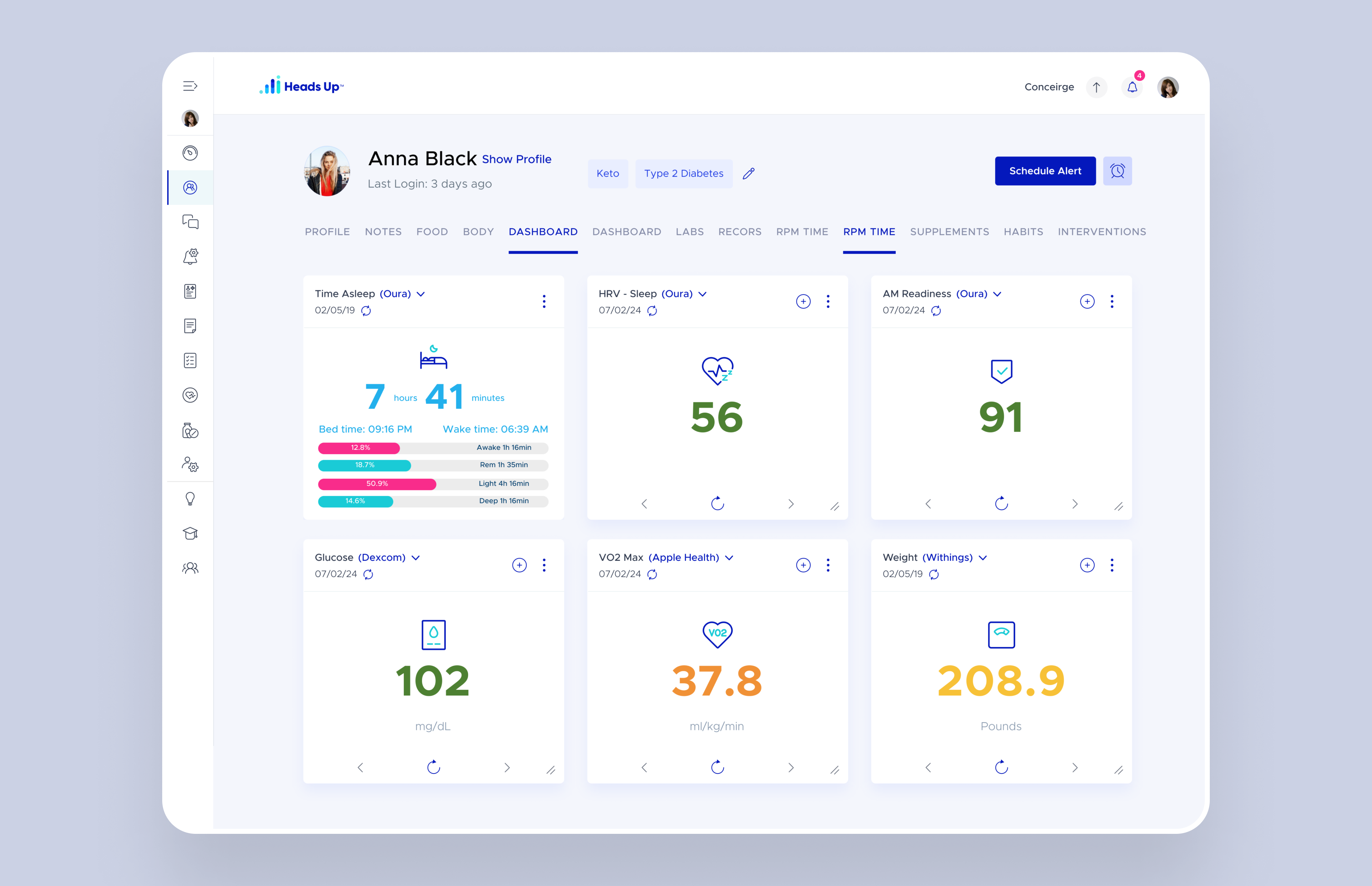
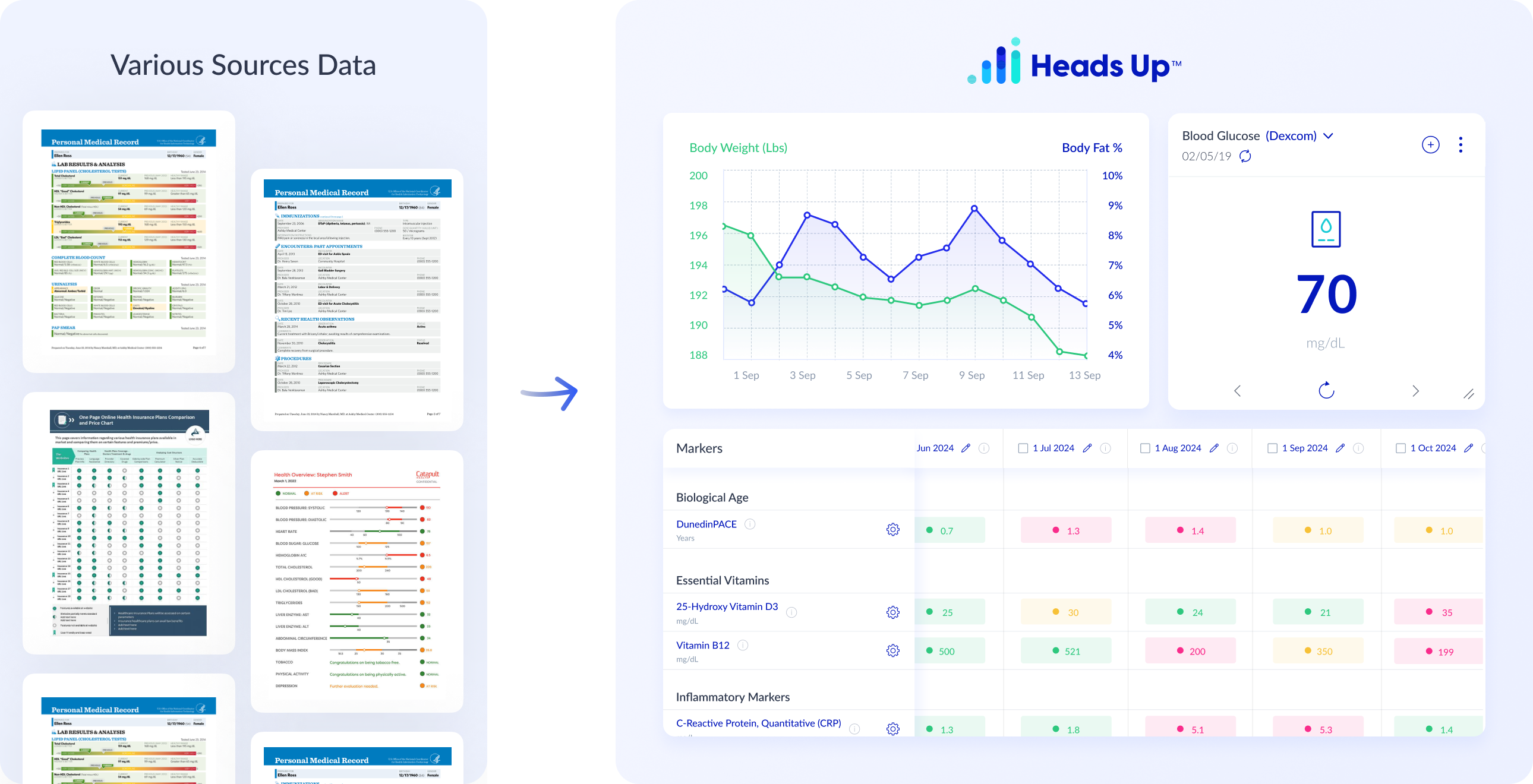
Platforms like Heads Up Health bring these sources of data together into one central, clinician-friendly dashboard—so nothing gets missed, and you’re never flying blind.

Why This Matters for Your Practice
If you’re working in functional, integrative, concierge, or longevity care, you’ve likely seen how complex modern health optimization can be.
Frame 1000003751

Stacked therapies. New peptides. Evolving patient goals.

What sets high-performing clinics apart isn’t just access to advanced tools. It’s how they’re implemented, tracked, and tailored to each individual’s biology.

This video with Bill Hanks offers a behind-the-scenes look at protocols that are both cutting-edge and clinically grounded. Whether you’re already using these tools or just getting started, it’s a great place to get inspired and fine-tune your approach.

? Watch the full conversation with Bill above to see how these strategies are being used in real clinics—and how you can bring them into yours.

Tracking Patient Health Data Has Never Been Easier!

Leverage The Power Of Heads Up in your Health Practice

Get started with by scheduling custom demo with one of our specialists to see the difference Heads Up can make in your practice. Schedule your demo and discovery call here.
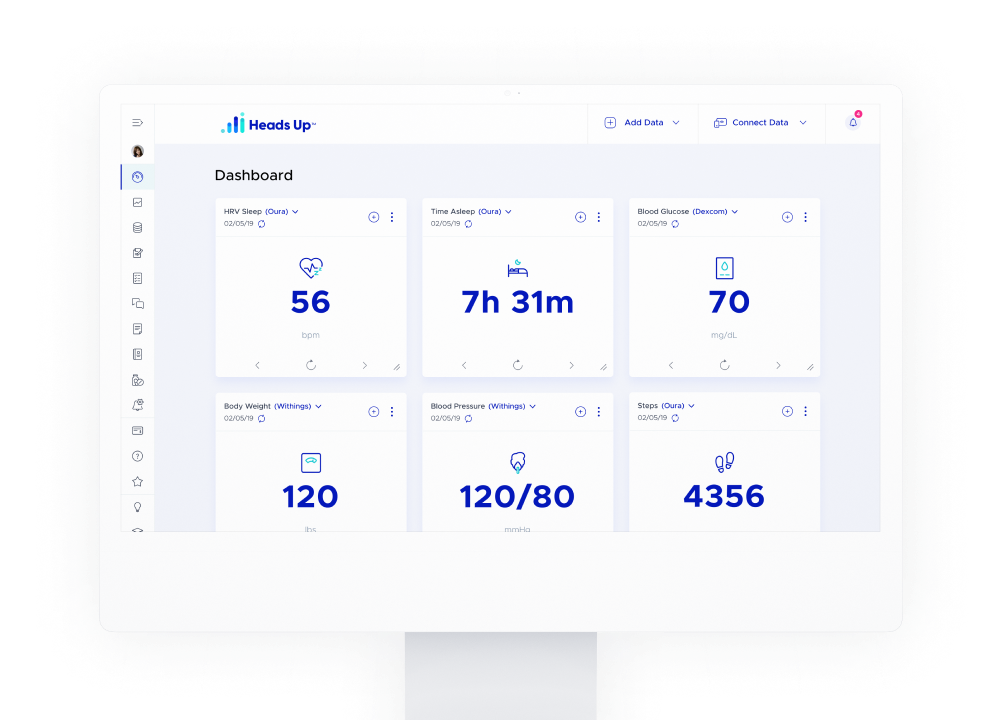
Optimize Health & Longevity

Synchronize your clients’ medical records, labs, wearables, apps, and more into Heads Up for better outcomes. 
Sign Up now for a free starter account!

The 3 Foundational Habits That Elevate Patient Outcomes in Aesthetics and Longevity

The 3 Foundational Habits That Elevate Patient Outcomes in Aesthetics and Longevity

The 3 Foundational Habits That Elevate Patient Outcomes in Aesthetics and Longevity

Overwiew

What Dr. Steven Sorr wants every health professional to reinforce in their care plans

In the world of precision health, where protocols are increasingly complex and data-rich, it’s easy to forget that the most impactful interventions often start with the basics.

Dr. Steven Sorr — founder of The Source of Health in Scottsdale, AZ, and a leading educator in aesthetic and naturopathic medicine — recently joined us to share three core lifestyle habits he believes every patient-focused practitioner should be reinforcing.

Whether you’re working in longevity medicine, functional care, aesthetics, or high-touch concierge models, these are the building blocks that ensure your clinical work is metabolized effectively — and that patients are set up to truly thrive.

1. Protein Intake: Don’t Skip the Foundation

Many patients arrive asking about collagen — for skin health, joint pain, or hair loss. But Dr. Sorr reminds us that collagen is only one piece of a larger protein puzzle.

“If your body is low on protein, it prioritizes the organs that keep you alive — not your skin, hair, or joints.”

Dr. Steven Sorr

Founder of The Source of Health in Scottsdale, AZ

This is a critical conversation, especially in practices supporting:

  • Hormone therapy
  • Aesthetic injectables or regenerative treatments
  • Recovery from injury, illness, or surgery

Encouraging patients to focus on total daily protein intake (especially bioavailable sources rich in essential amino acids) ensures they have the raw materials necessary for repair, regeneration, and resilience — the true “skin from within” approach.

2. Sleep Hygiene: Reclaim the Bedroom

Sleep is where hormone repair, immune recalibration, and deep cellular recovery happen — yet even health-conscious patients often undermine their progress with poor sleep hygiene.

Dr. Sorr puts it bluntly:

“Your bedroom should only be used for two things — and both start with S. If there’s a TV in the room, you’ve already broken the rule.”

Dr. Steven Sorr

Founder of The Source of Health in Scottsdale, AZ

For clinicians, this is an easy behavioral upgrade to recommend:

  • Remove screens and overstimulation from the sleep environment
  • Establish consistent pre-sleep routines
  • Reinforce that when and how patients sleep directly influences their response to every other part of the protocol

Sleep isn’t just rest — it’s the recovery window where the investments patients make in nutrition, movement, and supplementation pay off.

3. Strength Training: The Most Undervalued Biohack

While walking, mobility work, and cardio all have their place, Dr. Sorr champions lifting heavy things as the most efficient, underutilized prescription in aging well.

“You’re not on a hamster wheel. Strength training works because it’s progressive and time-efficient.”

Dr. Steven Sorr

Founder of The Source of Health in Scottsdale, AZ

Resistance training supports:

  • Muscle mass retention (sarcopenia prevention)
  • Bone density and joint integrity
  • Insulin sensitivity and mitochondrial health
  • Cognitive function and metabolic flexibility

For older patients, women in midlife, or those pursuing body recomposition alongside aesthetics, this is the lever that moves the needle fastest — with benefits that extend far beyond the gym.

Why It Matters for Your Practice

At Heads Up, we work with clinicians who deliver personalized, data-driven, proactive care. But even the best-designed protocols can fall short when patients are missing the basics.

These three habits — protein, sleep, strength — may seem simple, but they directly impact:

  • Treatment adherence
  • Long-term patient satisfaction
  • Visible results (which reinforce trust and engagement)

Integrating conversations like these into your intake, coaching, or check-ins builds patient buy-in and supports better clinical outcomes.

Want to track how your patients are doing across these key areas?
Heads Up makes it easy to centralize health data, wearable insights, and lifestyle metrics in one practitioner dashboard — so you can identify gaps and intervene early.

Frame 1000003751

Tracking Patient Health Data Has Never Been Easier!

Leverage The Power Of Heads Up in your Health Practice

Get started with by scheduling custom demo with one of our specialists to see the difference Heads Up can make in your practice. Schedule your demo and discovery call here.

Optimize Health & Longevity

Synchronize your clients’ medical records, labs, wearables, apps, and more into Heads Up for better outcomes. 
Sign Up now for a free starter account!

Rethinking Hair Loss: A Functional Medicine Perspective on Scalp Health and Root-Cause Regrowth

Rethinking Hair Loss: A Functional Medicine Perspective on Scalp Health and Root-Cause Regrowth

Rethinking Hair Loss: A Functional Medicine Perspective on Scalp Health and Root-Cause Regrowth

Featuring HairSmart Educator Shanna Moll

Hair loss is no longer a niche concern reserved for dermatologists or aestheticians. Increasingly, it’s becoming a whole-person issue — one that integrative and functional medicine professionals can’t afford to ignore.

Patients are arriving in your practice with stories of excessive shedding, thinning hairlines, and patchy regrowth — often after stress, illness, hormonal shifts, or post-COVID recovery. Yet many feel dismissed, told it’s just aging or stress, with little understanding of what’s actually happening beneath the surface.

So what if we’ve been overlooking one of the most foundational systems involved in hair growth?

That’s the question educator Shanna Moll poses in her interview with Heads Up Health. As a lead educator for HairSmart — an Ayurvedic, plant-based system for hair regrowth — Shanna offers a refreshingly practical, science-informed approach to restoring hair health from the inside out.

Here’s what every health professional should know.

The Scalp is Skin — and It’s Under Stress

We treat facial skin with great care, but often ignore the scalp — despite it being part of the same integumentary system.

“You can’t grow what you don’t protect. If the scalp is inflamed, congested, or off balance, no treatment will work long term.”

Shanna Moll

Featuring HairSmart Educator

From a functional medicine lens, this means examining:

  • Sebum overproduction (often tied to androgen dominance or microbial overgrowth)
  • Scalp inflammation or fungal activity
  • Blocked follicles and poor circulation

This makes topical interventions — like antibacterial and antifungal scalp treatments — a foundational first step for hair recovery.

Telogen Effluvium: The Hair Loss Pattern No One Talks About

In the interview, Shanna introduces a clinical concept often missed outside of dermatology: Telogen Effluvium.

This is a temporary form of diffuse hair shedding triggered by stress, illness, trauma, or systemic inflammation. It typically occurs 2–4 months after a major stressor, and is commonly seen:

  • Post-COVID
  • After surgery or medication changes
  • Following intense psychological or emotional stress
  • During hormonal transitions like perimenopause

“Hair loss is a symptom, not a diagnosis. And telogen effluvium is one of the most under-recognized patterns in post-pandemic medicine.”

Shanna Moll

Featuring HairSmart Educator

For clinicians, this opens the door to:

  • Educating patients on delayed-onset shedding
  • Providing natural DHT blockers and supportive adaptogens
  • Building patient confidence with timelines for regrowth

The 3-Part Framework: Protect, Nourish, Grow

HairSmart’s model simplifies intervention into a three-step process that clinicians can easily integrate into care plans:

1. Protect the scalp:

  • Cleanse and rebalance with antifungal/antibacterial ingredients
  • Restore pH and reduce inflammation

2. Nourish the follicle:

  • Use clean, plant-based DHT blockers
  • Support hormonal balance and stress resilience internally

3.Grow through consistency:

  • Provide patients with a clear home protocol
  • Ensure daily application post-treatment (e.g., after PRP or microneedling)

Too often, patients undergo in-office treatments without any support in between — which can limit results and reduce patient satisfaction. A simple at-home regimen can extend results and improve long-term outcomes.

Ideal Use Cases for Your Practice

If you’re a practitioner working with:

  • Perimenopausal or postmenopausal women
  • Autoimmune patients (e.g., Hashimoto’s, lupus, alopecia areata)
  • Post-COVID or long-haul clients
  • Biohacking/high-performance populations
  • Clients receiving PRP, exosomes, or microneedling

… this approach offers a low-barrier, natural, and sustainable way to address hair loss from multiple angles.

Shanna and HairSmart also offer practitioner education, helping you incorporate this protocol into your current practice without becoming a hair specialist.

Hair Loss as a Clinical Indicator

In functional and longevity medicine, we look at skin, nails, energy, sleep, glucose variability — all as metrics of internal function. It’s time we give hair the same respect.

Hair loss may not be life-threatening, but it is confidence-threatening. And for many, it’s an early warning sign that something deeper is out of balance.

As Shanna puts it:

“Helping someone regrow their hair often helps them reclaim their sense of identity. It’s about so much more than aesthetics.”

Shanna Moll

Featuring HairSmart Educator

Final Thoughts for Clinicians

If you’re ready to rethink how you approach hair loss in your patient population, this interview is a must-watch. It bridges the gap between clinical outcomes and patient experience, offering a practical, natural approach to one of the most emotionally charged symptoms your patients may face.

Frame 1000003751

Tracking Patient Health Data Has Never Been Easier!

Leverage The Power Of Heads Up in your Health Practice

Get started with by scheduling custom demo with one of our specialists to see the difference Heads Up can make in your practice. Schedule your demo and discovery call here.

Optimize Health & Longevity

Synchronize your clients’ medical records, labs, wearables, apps, and more into Heads Up for better outcomes. 
Sign Up now for a free starter account!

3 Biohacks Your Patients Can Use Every Day: Insights from Longevity Coach Natalia Naila

3 Biohacks Your Patients Can Use Every Day: Insights from Longevity Coach Natalia Naila

3 Biohacks Your Patients Can Use Every Day: Insights from Longevity Coach Natalia Naila

“Aging isn’t something to fear—it’s something you can optimize.”

Natalia Naila

Wellness Coach & Longevity Expert

Overview

How do we help patients shift from managing decline to maximizing vitality?

At Heads Up Health, we believe the future of wellness is deeply personal, data-driven, and proactive. That’s why we sat down with Natalia Naila, a sought-after longevity coach and wellness expert, to discuss the top 3 everyday biohacks she uses with her own clients.

These aren’t fringe ideas or celebrity fads. They’re research-backed practices you can recommend confidently—whether you’re in functional medicine, integrative health, or building a progressive wellness program.

Here’s a breakdown of her top strategies and how they can be applied in your clinical or coaching practice.

1. Peptides: Small Molecules, Big Results

What they are: Short chains of amino acids that regulate a wide range of biological functions—many with regenerative and anti-aging benefits.

Why it matters:

Natalia uses specific peptides to support fat loss, improve energy, enhance recovery, and promote radiant skin—all while reducing the inflammatory burden that accelerates aging.

Key Recommendations:

  • GLP-1 agonists (e.g. Tirzepatide): Used in microdoses to regulate blood sugar and appetite.
  • CJC-1295 + Ipamorelin: Stimulates natural growth hormone release without unwanted hormonal side effects.
  • GHK-Cu (Copper Peptides): Enhances collagen production and skin elasticity.
  • BPC-157 & TB-500: Promote soft tissue repair, gut healing, and systemic recovery.
  • Epitalon: A telomerase activator taken in short cycles for potential telomere support and longevity.

Clinical Insight:

These peptides should be introduced strategically, often in phased cycles with appropriate testing and practitioner oversight. For patients seeking improved body composition, faster recovery, or anti-aging results, peptides are emerging as a safe, effective option when used correctly.

2. Microbiome Testing: Gut Health as a Biomarker of Aging

What it is: Comprehensive testing of the gut microbiome to assess microbial diversity, inflammation markers, pathogenic overgrowth, and metabolite production.

Why it matters:
Natalia emphasizes the gut as the “first line of glow”—and the root of most dysfunction. From skin conditions to cognitive fog to autoimmune flares, the gut is involved. She recommends annual microbiome testing for all clients over 30.

How to implement this with patients:

  • Pair gut testing with symptom-specific dashboards in Heads Up (e.g. tracking GI markers, food logs, or inflammatory biomarkers).
  • Use comparative testing over time to assess intervention impact.
  • Collaborate with a gut health specialist if you’re not reading the tests yourself.

Pro tip: Integrate gut test data with lifestyle inputs like sleep, fasting, and HRV for a truly holistic patient view.

3. Topical Skincare, Scientifically Aligned

What it is: A skincare stack designed to complement internal health efforts—targeting oxidative stress, collagen breakdown, and barrier repair.

Why it matters:

While many patients invest in skincare products, they often miss biologically aligned ingredients that make a measurable difference.

Natalia’s go-to products include:

  • Vitamin C and Glutathione serums: Antioxidant support for visible skin quality.
  • Copper peptides + time-released retinol: For skin cell turnover without irritation.
  • Tallow-based moisturizers: Ideal for dry skin types seeking a natural vitamin A source.

Your opportunity as a practitioner:

Educate patients on topical interventions that support internal healing. When paired with gut protocols or peptide therapy, this creates a powerful synergy for skin health and confidence.

Bringing It All Together: Why These Biohacks Matter

Natalia’s 3-part approach reflects the evolving priorities of health-conscious clients:
✅ Proactive wellness over reactive treatment
✅ Functional beauty rooted in biology
✅ Sustainable habits over quick fixes

At Heads Up Health, we help practitioners turn these insights into action with tools that centralize data, track protocols, and demonstrate results.

Dashboard 01

Whether you’re guiding a 40-something patient through a skin and weight plateau, or helping a biohacking enthusiast personalize their peptide stack—this is your opportunity to offer cutting-edge care backed by real metrics.

Watch the Full Conversation with Natalia Naila

We dive deeper into protocols, product picks, and what Natalia sees working best with real clients in 2025.

Want to connect patient data with biohacking protocols?
Use Heads Up to bring it all together—in one place.

Frame 1000003751

Tracking Patient Health Data Has Never Been Easier!

Leverage The Power Of Heads Up in your Health Practice

Get started with by scheduling custom demo with one of our specialists to see the difference Heads Up can make in your practice. Schedule your demo and discovery call here.

Optimize Health & Longevity

Synchronize your clients’ medical records, labs, wearables, apps, and more into Heads Up for better outcomes. 
Sign Up now for a free starter account!

Fast. Breathe. Move. Track: How Nathalie Niddam’s 4 Pillars of Foundational Health Are Reshaping the Wellness Conversation

Fast. Breathe. Move. Track: How Nathalie Niddam’s 4 Pillars of Foundational Health Are Reshaping the Wellness Conversation

Fast. Breathe. Move. Track: How Nathalie Niddam’s 4 Pillars of Foundational Health Are Reshaping the Wellness Conversation

Overview

What if your patients didn’t need more protocols—but fewer, better habits?

In this concise and powerful interview, Nathalie Niddam, certified health coach and host of the Longevity Podcast with Nathalie Niddam, shares the four foundational practices she believes every person—regardless of age, diagnosis, or fitness level—should have in place.

Her message is simple but transformative: foundational health isn’t about intensity. It’s about consistency. And when supported by data, these small daily actions can create powerful shifts in energy, resilience, and long-term health.

Why This Matters for Health Professionals

As practitioners, we often see patients overwhelmed by conflicting advice, supplement fatigue, and an ever-growing list of “shoulds.” Nathalie’s approach cuts through the noise with strategies that are:

  • Easy to implement
  • Scientifically grounded
  • Adaptable to a wide range of lifestyles and conditions

These four pillars—fasting, nervous system regulation, movement, and tracking—aren’t just wellness trends. They’re systems-level levers that empower patients to participate actively in their care.

When applied consistently and supported by real-time health data, they can improve:

✔️ Metabolic flexibility
✔️ Emotional regulation
✔️ Cardiovascular and mitochondrial health
✔️ Compliance with long-term health goals

The Four Pillars of Foundational Health

1. Fasting (Start With What’s Doable)

“It doesn’t have to be a 3-day fast. Even 12 hours is enough to trigger meaningful change.”

Nathalie Niddam

Longevity Educator

Short, structured fasts can activate autophagy, improve insulin sensitivity, and reduce inflammation. For many patients, the key isn’t duration—it’s sustainability.

Use this as a gentle entry point into metabolic health. Patients can gradually progress from a 12-hour fast (dinner to breakfast) to longer windows like 16:8 or 24-hour resets—tailored to their goals and data.


2. Downregulate the Nervous System

“Most people are stuck in fight-or-flight. But shifting to parasympathetic mode can start with just a few mindful breaths.”

Nathalie Niddam

Longevity Educator

Chronic stress impairs recovery, hormone balance, digestion, and sleep. Tools like breathwork, somatic tracking, and tech-assisted devices (e.g., Sensate, BrainTap, Apollo Neuro) can help retrain the nervous system toward rest-and-repair.

Even low-effort interventions—such as guided breathwork at a desk—have measurable impacts on HRV and emotional resilience.


3. Move Often, Not Just Harder

“Movement isn’t about the gym. It’s about frequency.”

Nathalie Niddam

Longevity Educator

Sedentary behavior is a silent disruptor of metabolic health. Nathalie encourages micro-movements throughout the day:

  • Bounce for 30 seconds
  • Do air squats
  • Walk the hallway or take the dog around the block

Small, regular activity resets lymphatic flow, improves insulin sensitivity, and supports brain health—especially for desk-based patients or those with chronic fatigue.


4. Track What Matters

“Without data, you’re just guessing.”

Nathalie Niddam

Longevity Educator

From wearables to home testing kits, today’s patients have more access to real-time health data than ever before. The opportunity? Help them connect the dots.

Tracking labs, glucose, HRV, sleep, and fasting windows empowers patients to understand how behaviors impact their biology. This reinforces compliance and helps personalize care plans based on real trends—not general assumptions.

A New Framework for Patient Empowerment

What makes Nathalie’s approach especially powerful is its accessibility. These aren’t elite biohacks reserved for the high-performance crowd. They’re foundational systems that help patients of all backgrounds move from reactive to proactive health.

Each habit is a starting point, not a finish line. And when combined, they create a framework that supports every other intervention—whether you’re optimizing hormones, reducing inflammation, or preparing a patient for regenerative therapy.

What This Means for Your Practice

  • Simplify complexity. Use these four pillars to anchor client behavior change and reduce overwhelm.
  • Personalize with data. Encourage patients to track metrics and observe real-time cause and effect.
  • Empower self-efficacy. Foster habits that patients can build independently—without feeling like they’re “failing” health.

At Heads Up Health, we believe personalized, data-driven care starts with foundational alignment. Nathalie Niddam’s framework is a timely reminder that sometimes, the best medicine is what’s already within reach.

Want to help your patients reclaim their energy, focus, and longevity?

It starts here.
It starts simple.
It starts with the foundations.

Tracking Patient Health Data Has Never Been Easier!

Leverage The Power Of Heads Up in your Health Practice

Get started with by scheduling custom demo with one of our specialists to see the difference Heads Up can make in your practice. Schedule your demo and discovery call here.

Optimize Health & Longevity

Synchronize your clients’ medical records, labs, wearables, apps, and more into Heads Up for better outcomes. 
Sign Up now for a free starter account!

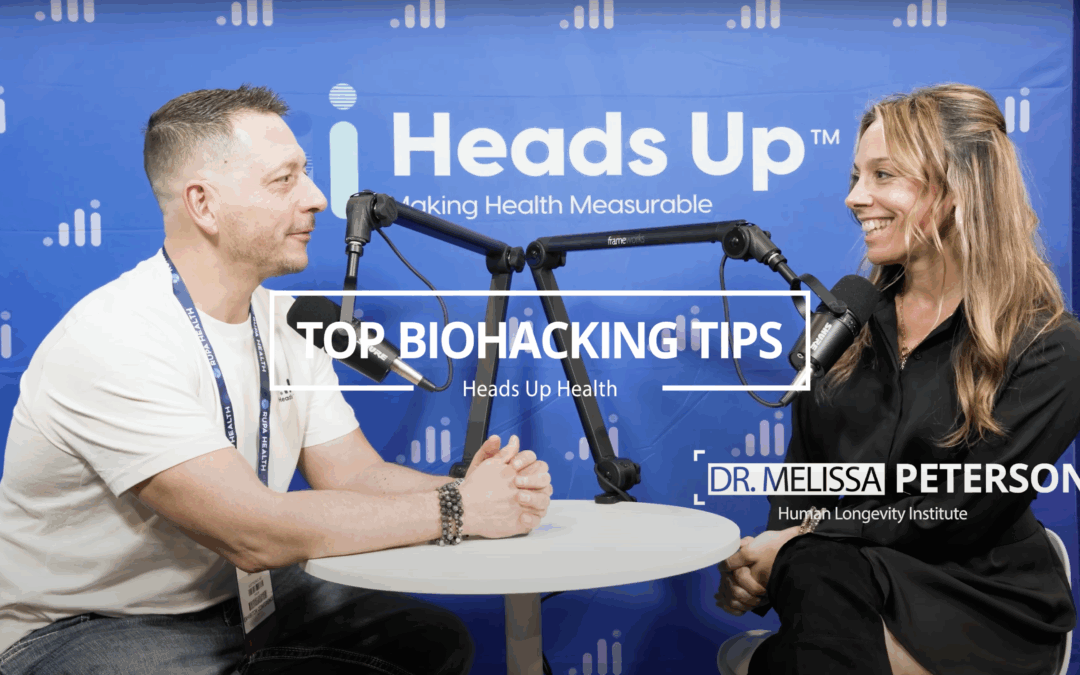
Reimagining Healthspan: How Dr. Melissa Petersen’s Longevity Paradigm is Transforming Patient Care

Reimagining Healthspan: How Dr. Melissa Petersen’s Longevity Paradigm is Transforming Patient Care

Reimagining Healthspan: How Dr. Melissa Petersen’s Longevity Paradigm is Transforming Patient Care

Overview

What if your patients stopped seeing aging as inevitable decline and started seeing it as a system they can optimize? In a bold and inspiring interview, Dr. Melissa Petersen, Founder of the Human Longevity Institute and CEO of Peptide University, delivers a compelling message to healthcare professionals: longevity isn’t a trend—it’s a fundamental shift in how we approach the human body.

Why This Matters for Health Professionals

As practitioners, we are trained to treat disease, mitigate risk, and manage chronic conditions. But what if we could go further? Dr. Petersen challenges us to help patients expand their healthspan, not just delay dysfunction.

With advances in longevity science, we now understand:

  • Biological aging can be measured, slowed, and in some cases, reversed.
  • Lifestyle variables like sleep, nutrition, and stress are now precision levers to modulate aging.
  • Rejuvenation technologies and molecules—such as those targeting the thymic gland—are already available.

The Paradigm Shift: Vitality as the New Health Metric

Rather than racing against time, Dr. Petersen invites us to help our patients reframe aging as an expression of vitality. This means moving from disease management to cellular optimization, from preventive care to regenerative possibility.

It’s not just about adding years. It’s about creating more energetic, purpose-driven years. Imagine the power of data-backed biohacking paired with a patient’s belief that they’re not running out of time—they’re just getting started.

Implications for Your Practice

  • Empower patients with data they can see and understand—from HRV to glucose variability and aging biomarkers.
  • Incorporate emerging therapies that support regenerative goals and track impact over time.
  • Foster a longevity mindset in your patient education by discussing healthspan alongside lifespan.

At Heads Up Health, we believe the future of care is personalized, data-driven, and purpose-fueled. Dr. Petersen’s message is a timely reminder that we, as clinicians and coaches, have the tools—and the responsibility—to lead this transformation.

Want to be part of the movement that’s rewriting human potential?

It starts with rethinking aging. And it starts now.

Frame 1000003751

Tracking Patient Health Data Has Never Been Easier!

Leverage The Power Of Heads Up in your Health Practice

Get started with by scheduling custom demo with one of our specialists to see the difference Heads Up can make in your practice. Schedule your demo and discovery call here.

Optimize Health & Longevity

Synchronize your clients’ medical records, labs, wearables, apps, and more into Heads Up for better outcomes. 
Sign Up now for a free starter account!