No Results Found
The posts you requested could not be found. Try changing your module settings or create some new posts.


When it comes to longevity and performance, mitochondrial health sits at the center of the conversation. These tiny energy factories power every cell, but they do much more than produce ATP. Mitochondria regulate cellular signaling, influence inflammation, and even decide when a cell should die. For clinicians helping patients improve energy and resilience, supporting mitochondrial function can have far-reaching benefits.
In a recent conversation, Dr. Vincent Pedre, CEO and founder of Happy Gut Life, shared two strategies he is personally using to enhance mitochondrial performance and stress tolerance. After completing a Mitochondrial Efficiency and Capacity (MEC) test, he found that his mitochondria perform well at baseline but become less efficient under stress. That insight led him to refine his health protocol with two focused interventions.
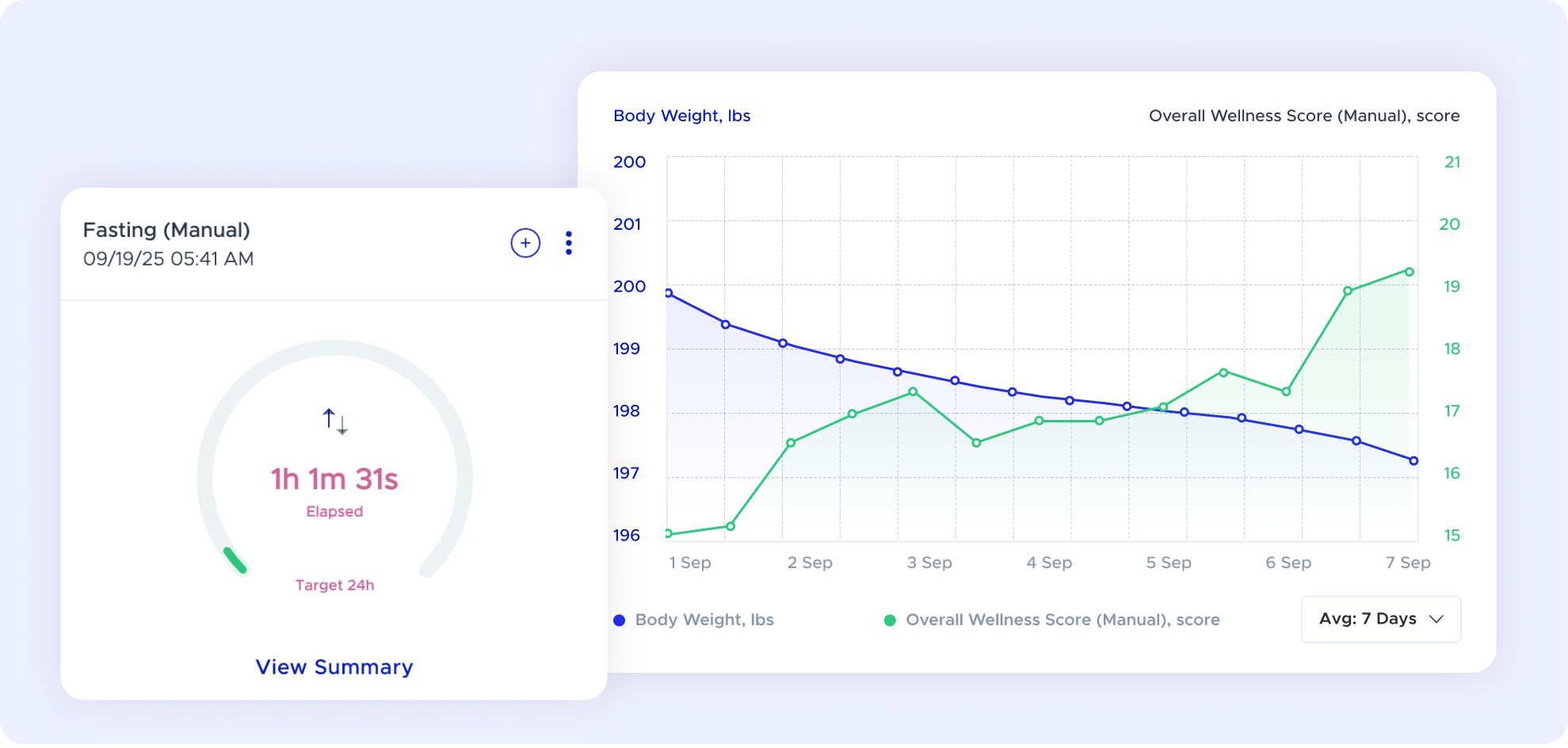
Dr. Pedre admitted he has always enjoyed breakfast and finds fasting difficult because of his lean frame. Still, he is intentionally adding intermittent fasting to his routine to strengthen metabolic flexibility.
Fasting can stimulate mitochondrial biogenesis, improve insulin sensitivity, and activate cellular repair pathways such as autophagy. By cycling between periods of feeding and fasting, cells learn to operate more efficiently under energy stress, a key factor in healthy aging.
For practitioners, intermittent fasting continues to be one of the most accessible, evidence-backed ways to optimize mitochondrial efficiency. It can also complement other patient strategies like time-restricted eating or fasting-mimicking diets.
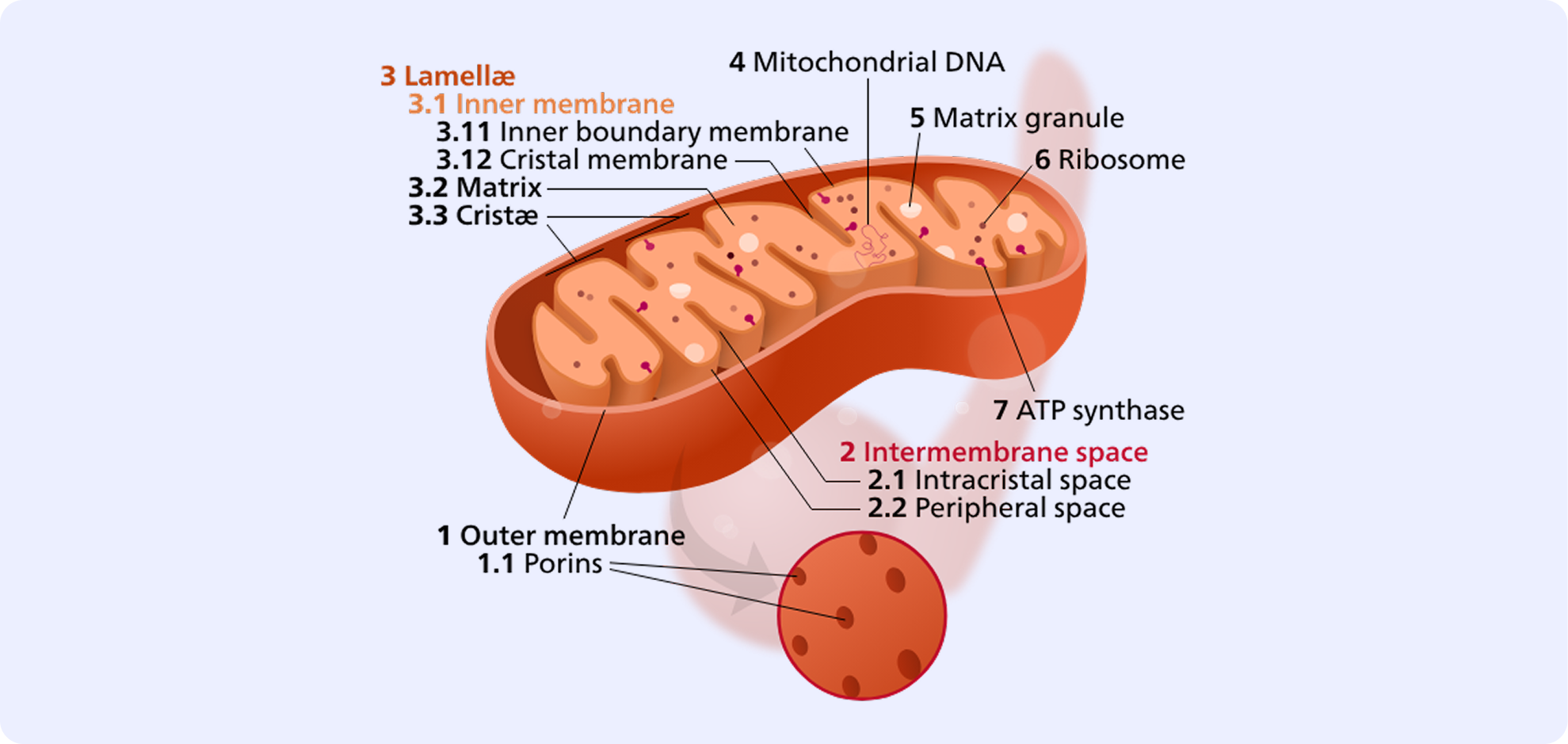
The second focus of Dr. Pedre’s protocol involves rebuilding mitochondrial membranes using phospholipids.
Every cell membrane is made up of a double layer of lipids, which provides structure and allows communication between cells. Over time, exposure to environmental toxins and oxidative stress causes these lipids to become damaged and less fluid, impairing mitochondrial performance.
Supplementing with phospholipids such as phosphatidylcholine (PC) and phosphatidylserine (PS) can help repair these membranes and improve the electron gradient that drives energy production. This process enhances mitochondrial communication and supports more efficient ATP generation.
For patients, restoring membrane integrity can translate to improved energy, mental clarity, and resilience under stress.
Dr. Pedre describes himself as a minimalist when it comes to supplements. He prefers targeted interventions that create measurable results with minimal complexity. Fasting and phospholipid support fit that approach, offering maximum impact with minimal overload.
This mindset resonates with many functional and longevity practitioners who aim to simplify protocols without sacrificing clinical depth.
When asked what he is most grateful for, Dr. Pedre shared that at 51, he feels healthier than he did ten years ago. He expressed gratitude for his health and the opportunity to help others live happier, healthier lives through his work.
It was a reminder that mindset and meaning often go hand in hand with physical wellbeing, even in the pursuit of optimal mitochondrial function.
Dr. Pedre’s approach highlights two key insights for health professionals:
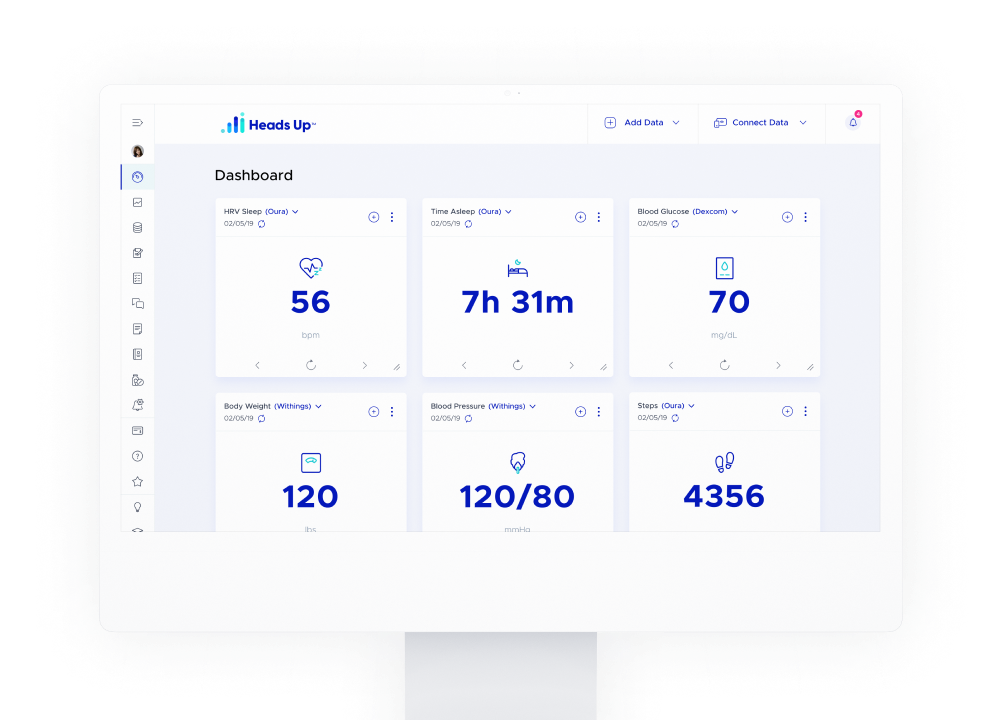
Get started with by scheduling custom demo with one of our specialists to see the difference Heads Up can make in your practice. Schedule your demo and discovery call here.
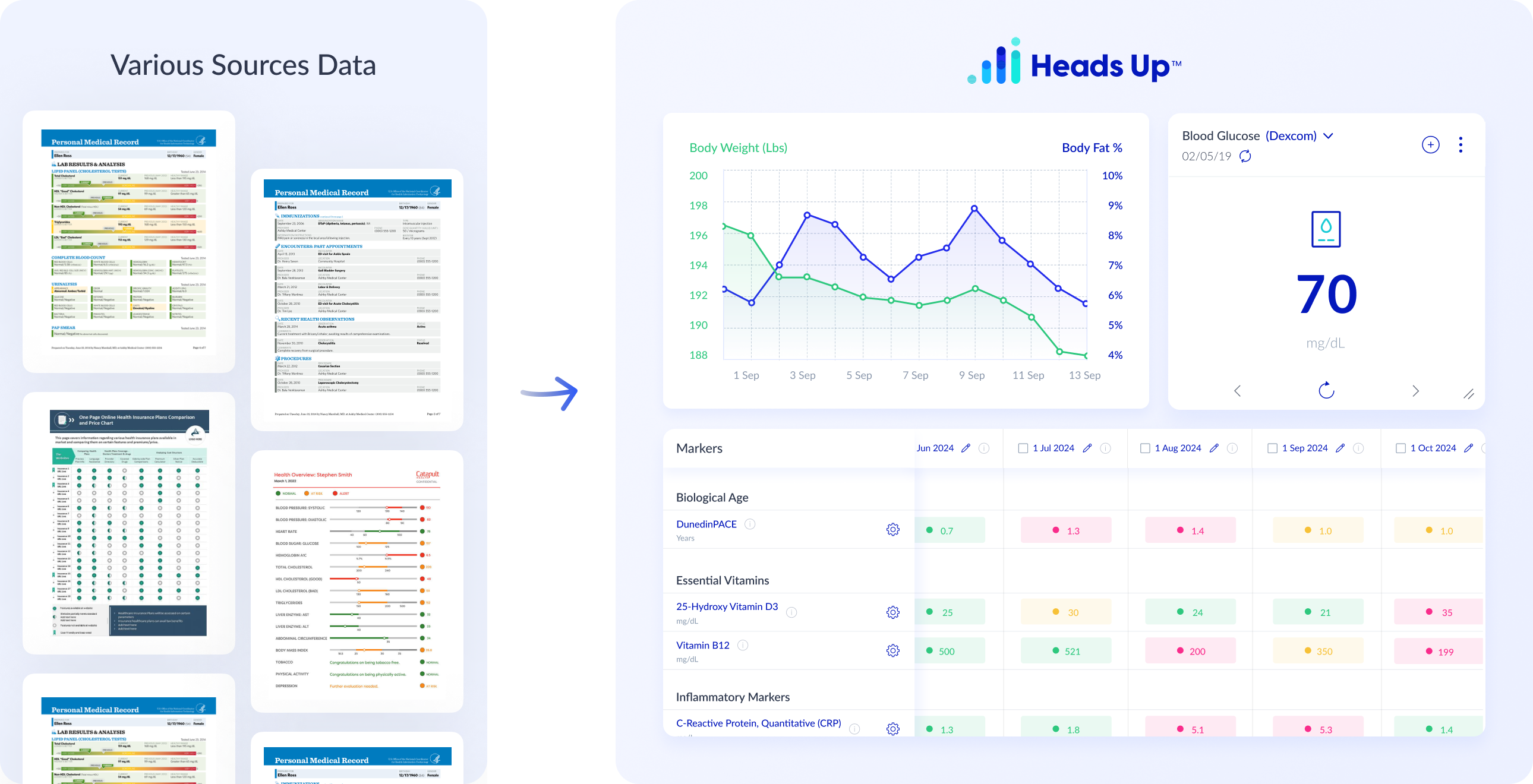
Synchronize your clients’ medical records, labs, wearables, apps, and more into Heads Up for better outcomes. Sign Up now for a free starter account!
When most people think about biohacking, they imagine cutting-edge wearables, peptides, or advanced therapies. Yet some of the most effective interventions for patient health require no technology at all. Nervous system regulation may be the most powerful, and most overlooked, biohack available today.
Patients who spend too much time in a sympathetic state, the classic “fight or flight” mode, are at higher risk for poor sleep, digestive issues, reduced recovery, and chronic stress. This constant activation affects not just how patients feel, but how their bodies function on a cellular level.
One of the clearest windows into nervous system status is heart rate variability (HRV). Low HRV is associated with reduced resilience, impaired recovery, and higher risk of disease. High HRV is linked to parasympathetic balance, improved stress tolerance, and longevity. For clinicians, HRV provides a measurable biomarker to track patient progress with nervous system interventions.

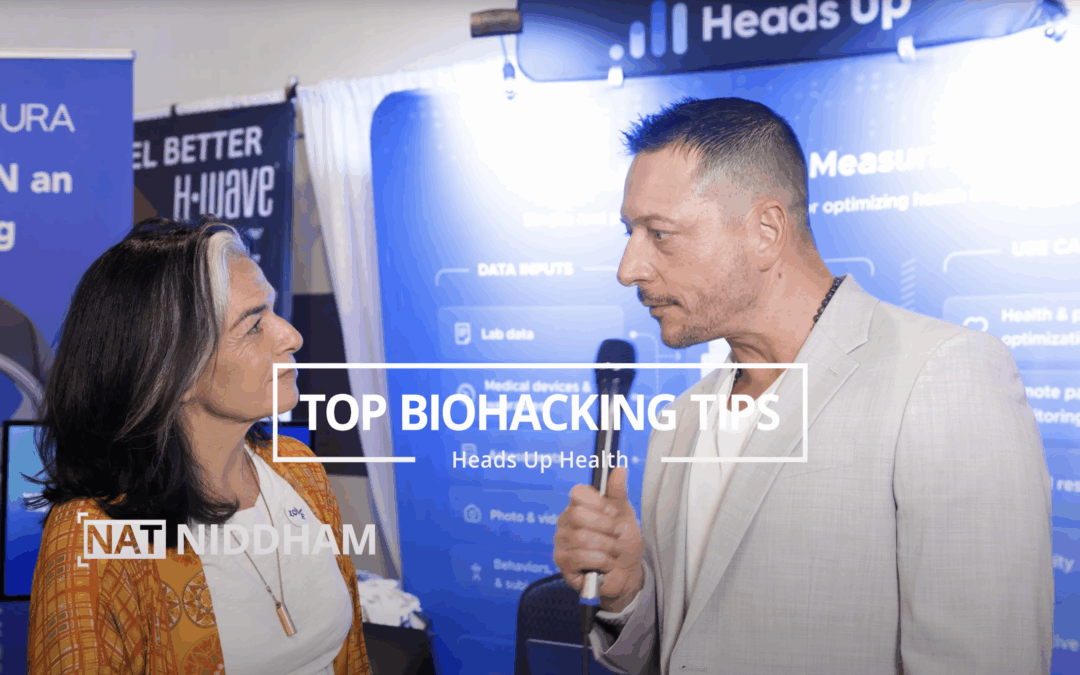
In our recent video with Nathalie Niddam, holistic nutritionist, longevity educator, and host of the Longevity Podcast, the discussion highlighted low-tech practices that can create immediate shifts in nervous system balance.
1. Posture and Breath Awareness
Encourage patients to notice shoulder tension. Simply rolling the shoulders back and taking a slow diaphragmatic breath can downregulate the nervous system within seconds. This is an accessible intervention that patients can practice anytime, anywhere.
2. Protect the Morning Routine
The first hour of the day sets the tone for the nervous system. Building in stillness, movement, or reflection before engaging with technology helps patients buffer against the stressors that follow. Even a short delay before looking at a phone can prevent early cortisol spikes and support greater resilience throughout the day.
3. The Role of Gratitude
Gratitude is often framed as a mindset practice, but research shows it has direct physiological effects. Studies link gratitude to improvements in HRV, reductions in inflammatory markers, and stronger parasympathetic activation. Recommending simple practices like journaling three things patients are grateful for can be a powerful adjunct to more complex therapeutic interventions.
For practitioners in concierge medicine, integrative and functional medicine, and longevity medicine, nervous system regulation is not an optional add-on. It is a baseline intervention that makes every other therapy more effective.
Encouraging patients to integrate simple tools like posture awareness, morning rituals, and gratitude practices can help reset the autonomic nervous system. These strategies improve patient resilience, optimize recovery, and lay the foundation for long-term healthspan.
The nervous system is not just part of the equation. It is the operating system. Everything else works better when it is balanced.
Get started with by scheduling custom demo with one of our specialists to see the difference Heads Up can make in your practice. Schedule your demo and discovery call here.
Synchronize your clients’ medical records, labs, wearables, apps, and more into Heads Up for better outcomes. Sign Up now for a free starter account!
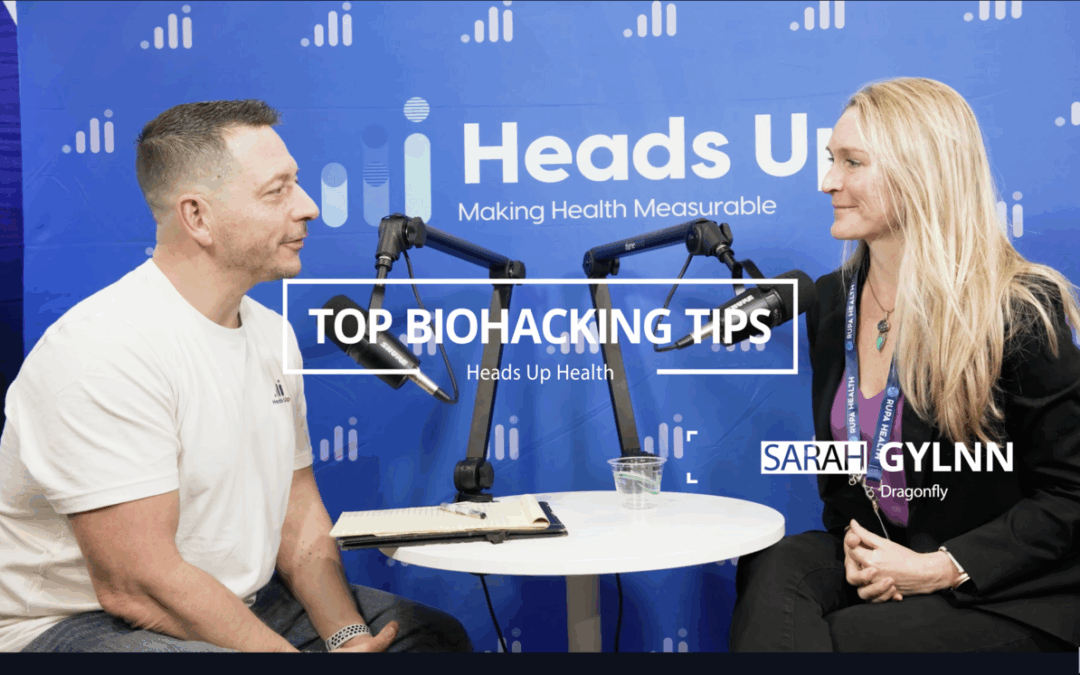
As the health landscape evolves, patients are looking for more than quick fixes. They want personalized, data-driven strategies that improve energy, resilience, and long-term outcomes. In a recent conversation with Sarah Glynn, founder of Dragonfly, four approaches emerged that blend cutting-edge technology with time-tested practices. For health professionals, these insights offer new ways to guide patients toward whole-person health.
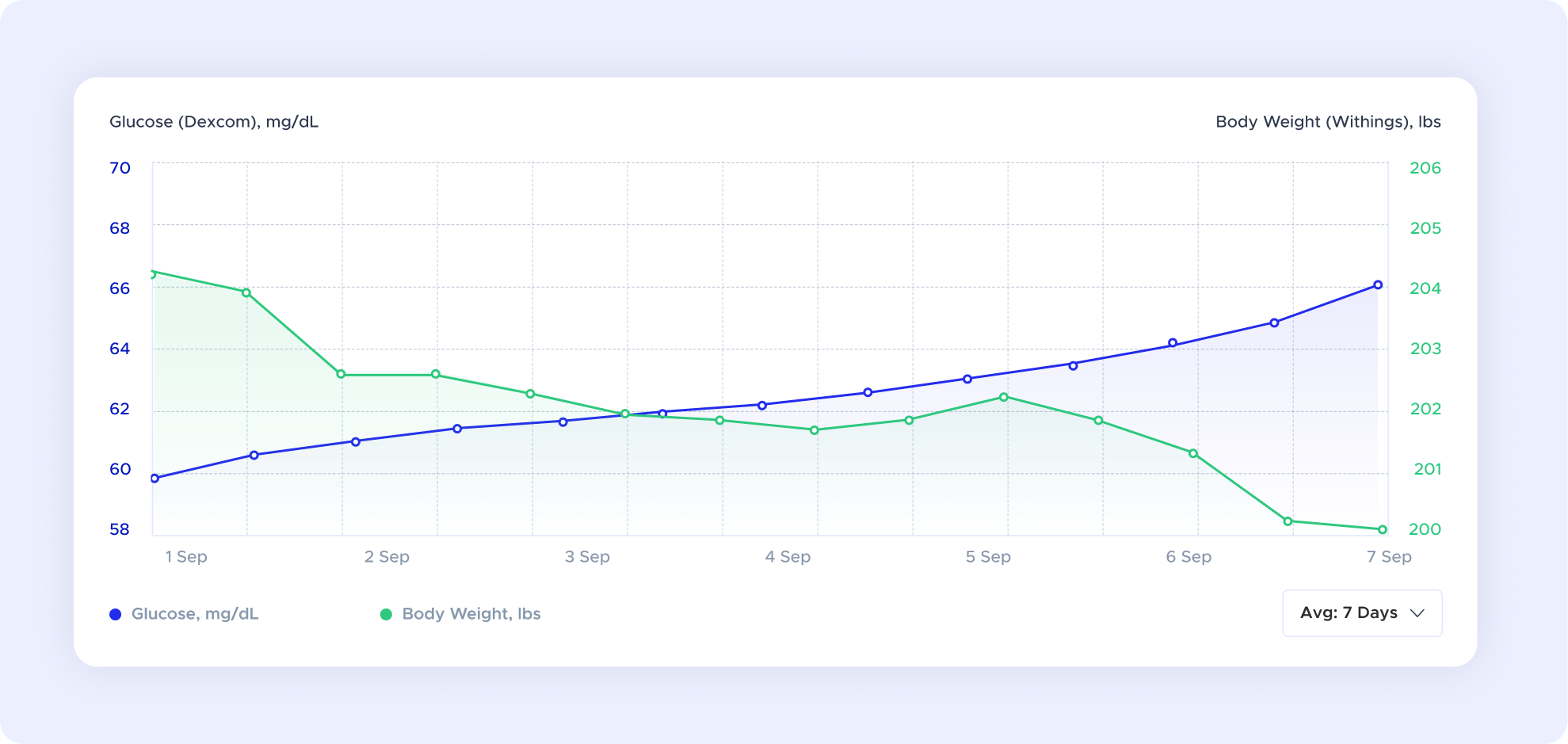
Continuous glucose monitoring (CGM) has become one of the most powerful tools in functional and integrative medicine. Devices such as Dexcom provide real-time insights into how food and lifestyle choices directly impact glucose levels, energy, and recovery.
For practitioners, CGM reveals glycemic variability that may not show up in standard lab work. It allows for personalized dietary recommendations and can be an early signal for metabolic dysfunction. As cost barriers continue to decrease, CGM is becoming more accessible for preventive care, making it an essential tool for patient monitoring and education.
Hormonal changes often appear long before menopause or andropause, yet they can significantly disrupt sleep, energy, and mood. Sarah Glynn highlighted the role of plant-based support during these transitions.
Vitex agnus-castus (chasteberry) is one example with clinical evidence supporting its ability to modulate prolactin levels and support reproductive hormone balance. For patients experiencing early signs of change, herbal medicine can be a first-line intervention before more intensive therapies such as hormone replacement are needed.
For practitioners, this reinforces the value of integrating herbal strategies into treatment plans, particularly for women navigating perimenopause and associated sleep or mood disruptions.
Before wearables and supplements, yogic practices provided sophisticated ways to regulate the body. Techniques such as yoga nidra, pranayama, and kundalini yoga target the nervous system with precision.
Clinical studies show that controlled breathwork can improve heart rate variability, reduce stress markers, and support recovery. These practices are low-cost, safe, and accessible to patients at nearly any stage of health. For practitioners, encouraging yoga and breathwork provides patients with tools to self-regulate stress and improve resilience in daily life.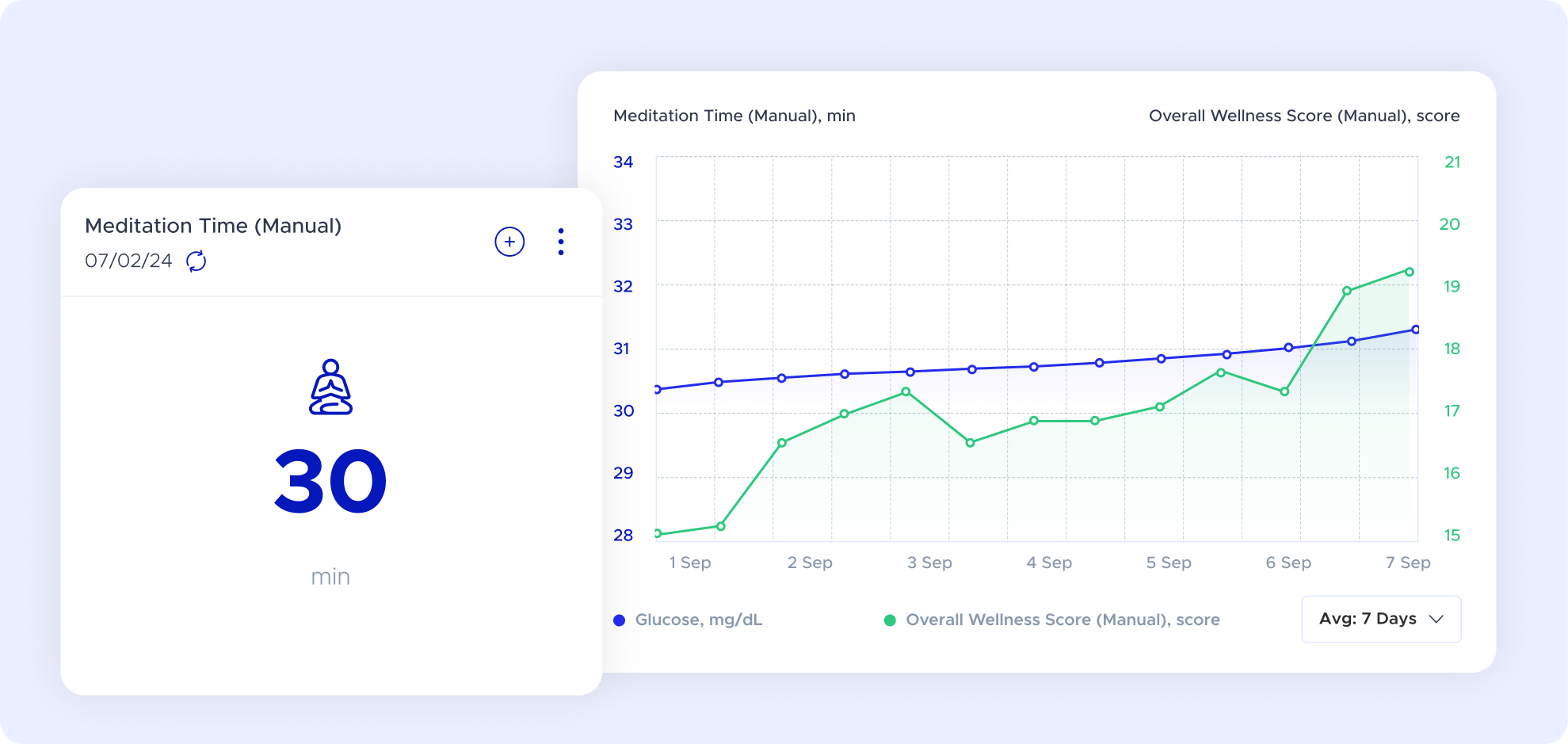
While still under regulatory review in many regions, psilocybin microdosing is gaining attention for its potential to support nervous system regulation. Early research suggests benefits for mood, anxiety, and neuroplasticity.
Sarah Glynn described how psilocybin may help counteract overstimulation from modern life, supporting groundedness and emotional connection. While not yet mainstream, this area is worth watching closely as clinical trials expand and therapeutic applications become more clearly defined.
For concierge, integrative, and functional medicine practitioners, the lesson is clear. Patient outcomes improve when we combine the precision of modern data with the wisdom of traditional practices.
Health optimization is never static. What works today may need adjusting tomorrow. The role of the practitioner is to help patients adapt, evolve, and thrive with the right combination of science, tradition, and innovation.
Want to connect patient data with biohacking protocols?
Use Heads Up to bring it all together—in one place.
Get started with by scheduling custom demo with one of our specialists to see the difference Heads Up can make in your practice. Schedule your demo and discovery call here.
Synchronize your clients’ medical records, labs, wearables, apps, and more into Heads Up for better outcomes. Sign Up now for a free starter account!

In the world of concierge and functional medicine, we know that waiting for symptoms isn’t an option. The real opportunity lies in prevention. We recently had the chance to sit down with Bob Troia (aka Quantified Bob)—one of the most respected figures in the quantified-self and biohacking world.
In our conversation, Bob shared three breakthrough diagnostics he uses every year to detect health risks early and guide proactive interventions. These tools are already being integrated into advanced longevity and integrative practices across the country. They’re fast becoming a new standard of care for patients who expect precision, personalization, and performance from their health providers.
Let’s dive into what Bob shared—and why these diagnostics are worth considering for your practice.
This isn’t your standard hospital MRI. Prenuvo combines high-speed whole-body imaging with proprietary AI and machine learning to deliver a 3D view of the body—layer by layer. It can detect:
What makes this tool so powerful is its predictive capability. It helps practitioners catch issues that would otherwise go unnoticed until much later. For health professionals running executive physicals, annual wellness programs, or long-term optimization protocols, Prenuvo offers a compelling upgrade.
Bob treats it like an annual check-up for his internal health. And the insights are game-changing.
Cardiovascular disease remains the leading cause of preventable death. While calcium scoring provides useful data, Cleerly takes it a step further. Their imaging differentiates between:
This kind of granular detail allows providers to more accurately stratify risk and intervene earlier. It’s not just about numbers. It’s about context.
Bob emphasized how this fills a critical gap in the full-body picture. When paired with MRI and labs, you get a far more complete understanding of cardiovascular health.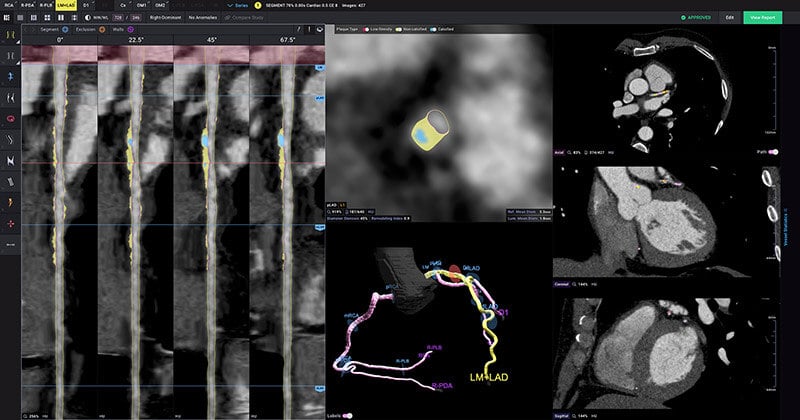
The liver is a silent workhorse. But standard liver panels can easily miss dysfunction, especially in the early stages. Bob’s third recommendation is a next-gen ultrasound diagnostic that picks up on:
This type of scan offers acute insight that supports more precise detox protocols, metabolic work, and gut-liver axis therapies. Best of all, it allows for retesting to validate your interventions—something bloodwork often can’t do alone.
When you integrate these three diagnostics—Prenuvo, Cleerly, and liver imaging—you move beyond reactive medicine and into a proactive, predictive model. This aligns perfectly with the mission of many functional and concierge practices today: optimize early, intervene smarter, and extend not just lifespan, but healthspan.
As Bob puts it, these tools help you “avoid the iceberg” before getting into the rest of your optimization stack.
For your most engaged and motivated patients, this level of care is not just impressive. It’s expected.
Watch the Full Interview with Bob Troia
In our exclusive video, Bob breaks down how he uses each scan, what he looks for in the results, and how they’ve impacted his personal health strategy. Whether you’re just starting to explore diagnostic innovation or you’re already leading a longevity practice, this is a must-watch conversation.
? Scroll up to watch the video and share your takeaways in the comments.
Want to integrate advanced diagnostics with real-time data tracking?
Heads Up helps you unify lab results, wearable data, and clinical insights in one powerful dashboard—designed to support better outcomes and deeper patient engagement.
Get started with by scheduling custom demo with one of our specialists to see the difference Heads Up can make in your practice. Schedule your demo and discovery call here.
Synchronize your clients’ medical records, labs, wearables, apps, and more into Heads Up for better outcomes. Sign Up now for a free starter account!

Brad Ruben isn’t your average poker player. He’s a four-time World Series of Poker champion who doesn’t just train his mind—he trains his nervous system.
In high-stakes poker, performance hinges on more than strategy. It depends on clarity, restraint, and emotional regulation in unpredictable environments. This is where metrics like Heart Rate Variability (HRV) come into play, offering measurable insights into recovery, resilience, and readiness.
We sat down with Brad to explore the exact practices he uses to stay sharp at the table. For health professionals working with executives, athletes, or patients in high-pressure environments, this conversation offers valuable insight into how data-driven recovery supports long-term performance and mental health.
Brad tracks his HRV daily. He doesn’t just glance at the number—he uses it to decide whether or not to play.

HRV, a measure of autonomic nervous system flexibility, has become a cornerstone for both elite physical performance and psychological resilience. Higher HRV is typically associated with improved parasympathetic activity, better sleep quality, faster recovery, and lower allostatic load. For someone like Brad, it’s a real-time signal of whether his system is primed to handle stress.
This same principle applies to the patients you support. Whether they’re navigating chronic illness, burnout, or high-performance careers, HRV can serve as a daily check-in to help guide behavior, activity, and recovery.
Brad’s approach to recovery is comprehensive, not complicated. His tools include:

One of the most powerful takeaways from our conversation was his discipline in not playing when the data says he’s off. In a field where emotions run high and pressure is constant, Brad sees self-regulation as a competitive edge.
For your clients or patients, this mindset shift is essential. Recovery isn’t a reward for hard work—it’s a prerequisite for high-quality output.
Read more about HBOT and cold plunge benefits:
The posts you requested could not be found. Try changing your module settings or create some new posts.
Brad also works closely with organizations supporting combat veterans recovering from PTSD. He’s deeply involved with Camp Hope and Shields and Stripes, two nonprofits focused on long-term trauma recovery.
He draws a direct connection between nervous system health and trauma healing. HRV, again, becomes a powerful metric. It helps show when a patient is progressing and when intervention may be needed.
Brad’s interest in recovery and resilience is personal. He’s seen how it transforms performance and how it supports long-term healing. This crossover between peak performance and trauma care is a space many providers are now exploring.
If you work with clients in high-demand roles—CEOs, athletes, creative professionals, or trauma survivors—Brad’s story offers three clear lessons:
As providers, your role is to support not just health, but resilience. That includes helping your clients understand when to push and when to pause.
Brad Ruben’s approach shows what that looks like in real time. He doesn’t just track recovery—he listens to it. He uses it as a compass. And in doing so, he’s staying at the top of his game.
If your patients are looking to perform at a higher level or recover from chronic stress, consider starting with HRV. It’s not just data. It’s direction.
Get started with by scheduling custom demo with one of our specialists to see the difference Heads Up can make in your practice. Schedule your demo and discovery call here.
Synchronize your clients’ medical records, labs, wearables, apps, and more into Heads Up for better outcomes. Sign Up now for a free starter account!

Hair loss is one of the most visible signs of aging. For patients, it often signals more than just cosmetic change. It can reflect deeper issues like hormonal imbalance, mitochondrial dysfunction, chronic inflammation, or prolonged stress.
Yet despite its emotional and biological significance, hair restoration is rarely addressed until patients bring it up—and by then, it’s often progressed.
At Heads Up Health, we’re passionate about helping practitioners integrate precision tools into their care models. That’s why we sat down with board-certified hair restoration expert Dr. Alan Bauman to discuss the most powerful strategies in the field today. These approaches are non-invasive, science-backed, and fully aligned with the goals of functional and longevity-focused medicine.
Here’s what you need to know.
Exosomes are nano-sized vesicles released by stem cells. They carry signaling molecules that stimulate repair, regeneration, and growth across tissues—including hair follicles.
Dr. Bauman explains that when exosomes are used during or after a hair transplant, the results are dramatic. Inflammation is reduced almost immediately, healing occurs faster, and regrowth begins as early as 8 weeks post-procedure—nearly twice as fast as traditional timelines.
Even more impressive, these benefits are measurable. Using tools like the Hair Mass Index (HMI), Dr. Bauman’s team is seeing improved density and growth rates weeks, sometimes months, earlier than expected.
This therapy isn’t just for transplant patients. Practitioners focused on hormone replacement, peptide protocols, or regenerative therapies can consider exosome support for hair loss as a powerful adjunct.
Low-level laser therapy has been studied for years as a way to stimulate dormant follicles and improve hair density. However, until recently, devices were either underpowered or difficult for patients to use consistently.
That’s changing. Dr. Bauman helped develop the Turbo Laser Cap, a portable and powerful device requiring only five minutes of daily use. Patients can use it while brushing their teeth, washing their face, or winding down for bed.
There are no known side effects. It’s non-invasive and easy to integrate into a patient’s routine. For practitioners, this offers a cost-effective and accessible tool to recommend as either a preventive measure or part of an active treatment plan.
Healthy hair cannot grow from an unhealthy scalp.
Many patients present with flaking, itchiness, folliculitis, or excess sebum—but these symptoms are often overlooked or dismissed. Dr. Bauman’s clinic approaches scalp care with the same precision as any other system in the body.
Led by trichologist and licensed cosmetologist Kimberly, also known as The Scalp Whisperer, the clinic conducts detailed scalp analyses to uncover hidden issues that may interfere with follicle function. They assess sebum production, moisture balance, and inflammation using specialized microscopes and lighting.
From there, patients receive customized topical treatments that are both dermatologically effective and soothing. For those focused on stress-related shedding or hormone-driven loss, scalp care offers a tangible and therapeutic entry point.
Hair loss can be an early biomarker of metabolic, hormonal, or inflammatory dysregulation. As a practitioner, addressing it from a clinical standpoint allows you to:
The future of hair restoration is not about vanity. It’s about personalized care, optimized healing, and expanding what’s possible in regenerative health.
If your patients are struggling with thinning hair or early-stage hair loss, now is the time to add these tools to your treatment approach.
Get started with by scheduling custom demo with one of our specialists to see the difference Heads Up can make in your practice. Schedule your demo and discovery call here.
Synchronize your clients’ medical records, labs, wearables, apps, and more into Heads Up for better outcomes. Sign Up now for a free starter account!