
Genetic Detox Capacity and the Hidden Triggers of Inflammation: A Conversation with Kashif Khan

Genetic Detox Capacity and the Hidden Triggers of Inflammation: A Conversation with Kashif Khan

Genetic Detox Capacity and the Hidden Triggers of Inflammation: A Conversation with Kashif Khan

Overview

Clinicians across integrative, functional, concierge and longevity medicine work with patients who present with persistent inflammation, unexplained symptoms and patterns that do not resolve with standard protocols. In many cases, the question is not whether inflammation is present. It is what sparked it in the first place.

During Biohackers World in Los Angeles, we spoke with Kashif Khan, founder of The DNA Company, about why detoxification and genetic individuality play a much larger role in root cause medicine than most patients and clinicians realize.

Below is a concise overview of his perspective and the key takeaways for health professionals.

Inflammation is the Outcome, Not the Origin

For most patients, inflammation becomes the central theme in their clinical picture. It affects energy, cognition, hormone balance, cardiovascular health and long term aging. Khan points out that inflammation itself is only the surface level signal. The real clinical question is what started the inflammatory process.

Many patients arrive with high motivation, good lifestyle habits and strong adherence. Even so, they continue to experience chronic inflammation. This is often a sign that something upstream, such as detox burden, may not have been fully explored.

12026 2025 9606 Fig1 HTML

Why Detoxification Capacity Differs Between Patients

Individuals vary in how they respond to environmental exposures. Diet, stress and behavior matter, but so does the body’s built in ability to process and clear toxins. Khan notes that some people have strong biological defenses, while others have subtle genetic variations that make them more sensitive.

This means two patients with similar routines and environments can experience very different inflammatory responses. One may remain stable. The other may struggle with recurring symptoms that seem disconnected at first glance.

Understanding these differences helps clinicians better interpret why inflammation persists even when the patient appears to be doing everything correctly.

Using Genetic Testing to Clarify the Clinical Picture

Khan highlights several testing paths that can help clarify detox capacity and underlying vulnerabilities.

• Functional genomic testing
• Full genome sequencing for deeper insight
• Condition specific genetic panels for unusual or unexplained cases

Each test type serves a different purpose. The goal is not to test broadly. It is to match the test to the clinical question. When clinicians understand the patient’s individual biology, they can connect upstream causes to downstream symptoms with far greater accuracy.

A Useful Lens for Complex or Non Responsive Cases

For practitioners in functional, concierge and longevity medicine, the message is straightforward. Chronic inflammation is rarely the starting point. It is a signal that the body is responding to an unaddressed burden. Detoxification challenges are one potential cause.

When clinicians can identify whether detox capacity is strong or vulnerable, they can guide patients with more precision and reduce the trial and error that often prolongs recovery.

image

Watch the Full Interview

The complete conversation with Kashif Khan is linked above. It is a short, high value look at how genetic individuality shapes detoxification, inflammation and clinical decision making.

This perspective offers a practical way to strengthen root cause assessment and support better outcomes for patients who remain difficult to diagnose or slow to improve.

Tracking Patient Health Data Has Never Been Easier!

Leverage The Power Of Heads Up in your Health Practice

Get started with by scheduling custom demo with one of our specialists to see the difference Heads Up can make in your practice. Schedule your demo and discovery call here.
Optimize Health & Longevity

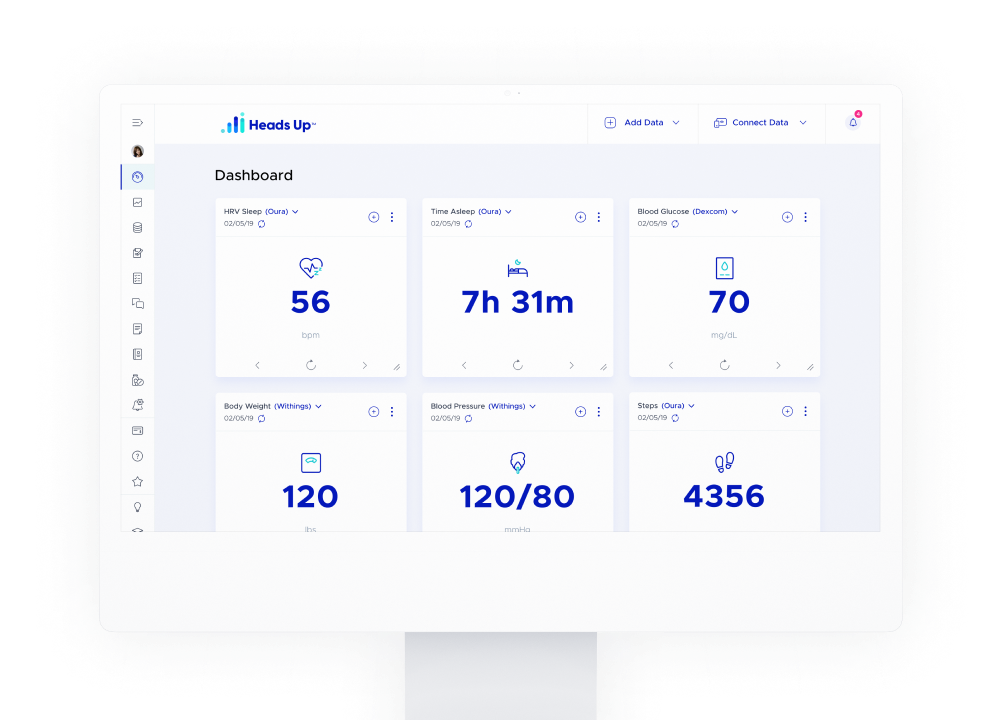
Synchronize your clients’ medical records, labs, wearables, apps, and more into Heads Up for better outcomes. 
Sign Up now for a free starter account!
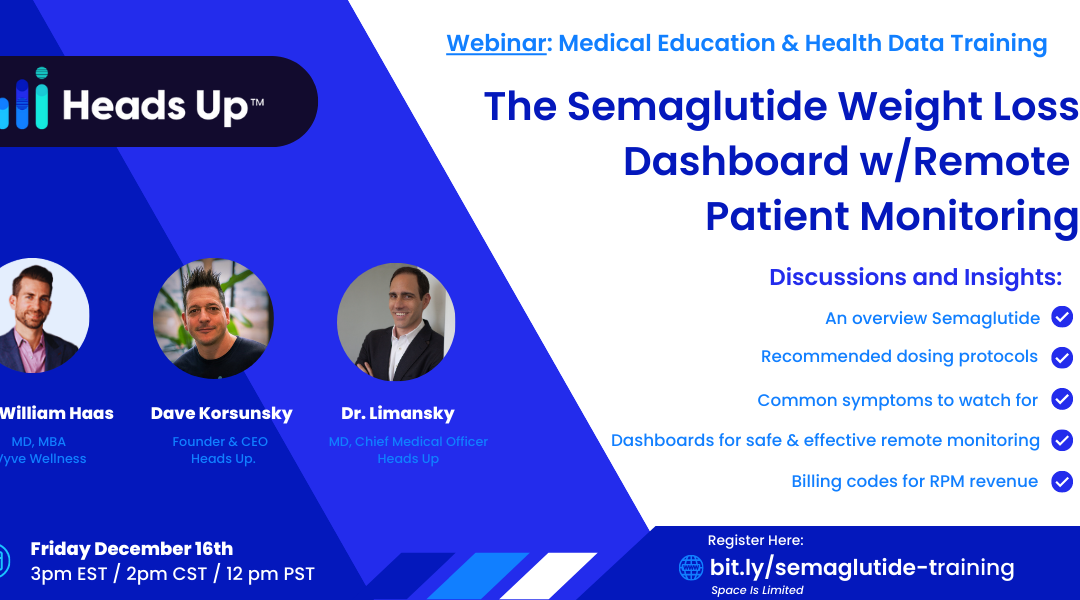
The Semaglutide Weight Loss Dashboard w/ Remote Patient Monitoring

The Semaglutide Weight Loss Dashboard w/ Remote Patient Monitoring

Semaglutide Weight Loss + Digital Health Tools For Tracking Outcomes.

On this webinar, you will learn the basics of implementing semaglutide for safe and effective weight loss. Including the key metrics that should be tracked as well as the latest Remote Patient Monitoring opportunity that’s currently available for practitioner compensation.

Highlighting:

Discover the latest breakthrough results from Semaglutide for Weight Loss.

For Show Notes, Slides, and Extra Bonuses – Click Here.

Semaglutide Weight Loss W/ Remote Patient Monitoring

00:05:15 The video is a webinar discussing the use of semaglutide and other GLP-1 drugs for weight loss and how they can be combined with the latest digital health technology for remote patient monitoring. The speakers provide an overview of how these medications work biochemically and explain different protocols for prescription and off-label applications. They also briefly touch on risk factors and common symptoms. The video includes a live demo of implementing these methods using the Heads Up platform. The speakers also mention several companies that work in the integrated functional medicine space and can assist with practitioner training and fulfillment.

00:10:16 The video features John Limanski, the chief medical officer of Heads Up, Katrine Volynsky, a subject matter expert on peptide therapy, Dr. William Haas and Dave Korsunsky. They discuss the use of glp-1s in functional medicine, specifically semi-glutides, for weight loss and metabolic health protocols. Limanski provides an overview of glp-1s and how they work on a cellular level, while Dr. Haas shares his personal experience with peptide therapy and its integration into their practice. They also address common questions about glp-1s and peptide therapy.

00:14:46 In the video, a healthcare professional discusses the benefits of using GLP-1 peptides for weight loss and diabetes management. The peptides regulate appetite hormones, alter blood sugar processing, increase fatty acid synthesis, and enhance exercise. Patients may also experience a decrease in cravings for alcohol and sweets. The GLP-1 peptides have cardio-protective benefits and help slow down digestion, which emphasizes the importance of consuming nutrient-dense quality calories. The healthcare professional recommends micro-dosing and slow titration protocols to minimize side effects.

00:19:22 Dr. Haas and John talk about the side effects, benefits, and dosing for GLP-1 medications for diabetes. They mention that slowing of gastric motility and gastric emptying is the main mechanism causing side effects such as nausea and constipation. To prevent these symptoms, they suggest working on bowel health and hydration, using supplements like magnesium glycinate and Metamucil, and consuming nutrient-dense foods. They also discuss the importance of dosing and mention that Dr. Haas uses a personalized dosing approach for his patients.

00:23:52 Discusses the importance of consuming protein and healthy fats at every meal to avoid nausea and achieve calorie-dense nutrition. The speakers also touch on the benefits of using continuous glucose monitors (CGMs) in digital health technology and how to use codes for insurance coverage. Additionally, the use of lactulose as a bowel health supplement is also mentioned. The video includes a polling question on the audience’s primary interest in the webinar.

00:28:36 Features two medical professionals discussing the off-label use of a medication for weight loss. They recommend starting with a low dose and gradually increasing it, depending on individual tolerance. The goal is to create sustainable lifestyle changes and curb appetite while avoiding side effects. They also mention the importance of pre and post lab testing and body composition testing to track outcomes.

00:33:21 Discusses how to approach weight management with a focus on body composition rather than just weight loss. The doctor emphasizes the importance of preserving lean muscle mass and reducing visceral body fat, and suggests using glp-1 peptides for this purpose. The conversation also touches on the benefits of protein supplements and the use of body composition metrics for evaluating progress. The doctors also discuss off-label uses for weight management strategies, including for longevity. They both agree that BMI is not a useful metric for assessing health.

00:37:57 Discusses the importance of monitoring visceral body fat, which can create metabolic chaos and increase the risk for diabetes, heart attacks, strokes, and cancer. Off-label use of certain therapies, such as peptides, may be beneficial in managing metabolic syndrome, even if the patient’s BMI is not above 30. It is important to have informed consent and discuss potential risks with the patient. Remote patient monitoring can also be billable inside the insurance system. Dr. Haas shares his hybrid practice structure, utilizing both insurance and cash pay integrative functions.

00:42:46 Discusses how healthcare providers can use reimbursable CPT codes to offer remote patient monitoring services to patients. These services can include monitoring devices for weight loss, body composition, and diabetes management. The video also highlights the potential financial benefits for providers who offer these services, including reimbursement from Medicare and Medicaid. Additionally, the video emphasizes that while some services may not be covered by insurance, providers can still offer them as part of a hybrid approach to patient care.

00:47:50 Showcases a live demo of a remote health monitoring platform called Heads Up that can be used to monitor vital signs, weight, body fat, blood glucose, self-reported symptoms, and lab test results. The platform also allows for creating individual patient dashboards and tracking weight loss progress, as well as flagging symptoms that may require a phone call to the patient. The platform can be configured to monitor any number of biomarkers and is useful for healthcare practitioners to get a big picture view of their patients’ health status remotely.

00:52:24 Features of a remote patient monitoring system called Heads Up Health. It includes a dashboard that tracks various health data such as sleep patterns, heart rate variability, and movement, and can be customized for each individual patient. The system also allows for the integration of lifestyle factors like hydration and bowel movements, and can be used alongside existing EMRs or as an EMR light. The video ends with a plug for the system’s billing platform and the ability to integrate with other systems.

00:57:03 Use of peptide therapy, particularly semaglutide, in achieving health goals such as weight loss and improved metabolic health. The speakers emphasize the importance of setting individual goals and gradually tapering off the therapy once those goals are achieved. They also mention the possibility of using other peptides in conjunction with semaglutide for specific health conditions.

01:01:54 The video is a recorded conversation between doctors and professionals about health management software and treatments for weight loss. They discuss different medications, their effects, and prices. They also touch on technical features of health management software and emphasize the importance of addressing lifestyle changes in weight loss treatment. The conversation is informative and includes advice from medical professionals.

Subscribe to future webinars in the form below.

Functional Medicine Approaches to Systemic Inflammation

Deep dive into Functional Medicine approaches to diagnosing, treating and reversing inflammatory conditions.

Our guest speaker will be Dr. Helen Messier PhD, MD Founder & CMO at Altum Medical. Helen is also an IFM Certified Practitioner and Educator.

We will deep dive into the following topics:

+ Understanding the root causes of inflammation
—> Nutritional
—> Environmental
—> Emotional
—> Genetic
+ Diagnostic testing to identify root cause
+ Designing a remote monitoring solution for ongoing treatment

And much more…

Subscribe to future webinars in the form below.