
On-demand clinical webinar · In partnership with Empower Sleep
Sleep Is More Than a Score
Recorded live 10/22/2026. Dr. Chopra's clinical statements and data are his own and Empower Sleep's.
What multi-night sleep testing shows that a wearable score averages away. Watch the full clinical session with sleep physician Dr. Sahil Chopra, Co-Founder and Chief Medical Officer of Empower Sleep, hosted by Heads Up founder Dave Korsunsky.
On demand · About 86 minutes · Free for licensed health professionals · Recorded 10/22/2026
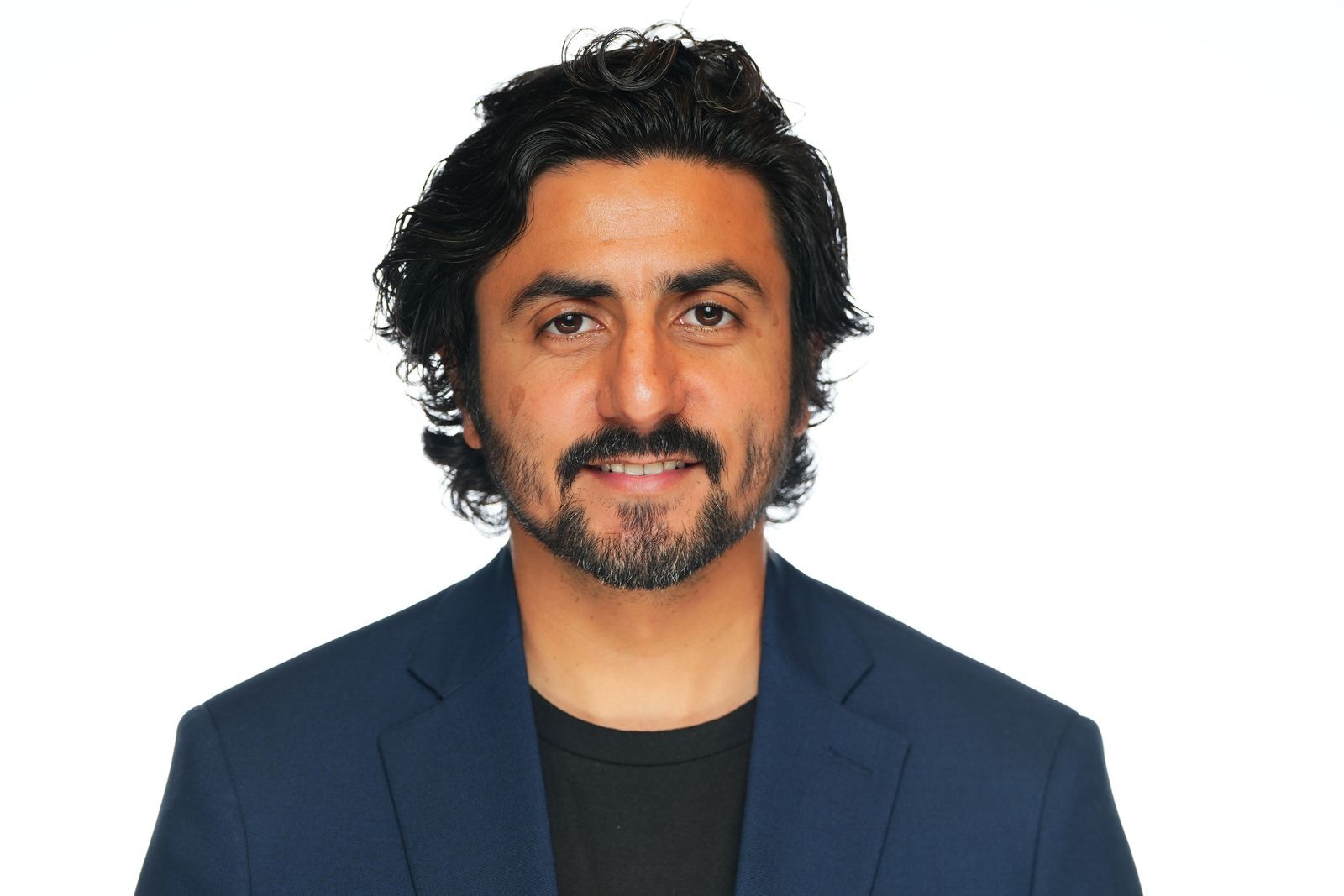
Featured Speaker
Sahil Chopra, MD
Co-Founder & Chief Medical Officer, Empower Sleep
Board certified in internal medicine, pulmonary, critical care and sleep medicine. Trained at UCLA, Loma Linda University and Harvard.
Dr. Chopra started as an ICU physician and moved into sleep medicine to work further upstream. At Empower Sleep he is building multi-night, longitudinal sleep testing using medical-grade wearables and AI. By his count in the session, Empower has run close to 200,000 nights of sleep testing and published in 14 journal articles.
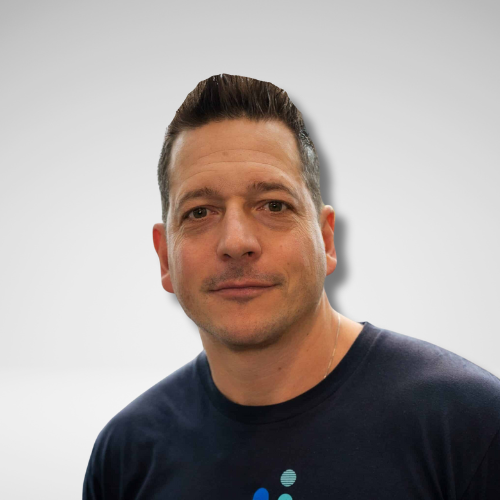
Host
Dave Korsunsky
Founder and CEO, Heads Up
Dave started Heads Up in 2015 to answer a simple question: how do I measure my health, make changes, and see what actually improved? A consumer sleep headband first showed him how far off his own sense of his sleep was. Today Heads Up is a clinical intelligence platform for longevity, concierge, integrative and functional medicine practices.
What you’ll learn
01
What a wearable sleep score is made of
A composite of movement, heart rate, oxygen, temperature and other signals run through a proprietary algorithm. Wearables are strong at sleep versus wake, timing, regularity and HRV trends. They get less reliable on sleep stages, and less reliable the more fragmented someone’s sleep is.
02
Why regularity may matter more than duration
Dr. Chopra walks through UK Biobank data in which sleep regularity predicted mortality better than total sleep time, and short sleep combined with irregular sleep carried the highest risk.
03
Why one night isn’t enough
In the data he shared, about 65% of people shifted category (no apnea, mild, moderate, severe) across their first nights of testing. Dave’s own results moved from 4 to 11 breathing pauses per hour on back-to-back nights.
04
Who to screen first, without questionnaire fatigue
Four questions he asks every patient, plus the conditions that prompt him to test: hypertension, AFib, diabetes, obesity, cognitive concerns, anxiety or depression, and age 50+.
05
Why retesting matters
In Empower’s study of 465 patients on CPAP, the machines reported fewer than 2 breathing events per hour while multi-night testing measured close to 12. Treat, then retest, the same way you would for blood pressure or glucose.
Chapters
Jump to any part of the session.
- 0:03 Welcome and why sleep matters
- 2:31 Meet the host: Dave Korsunsky
- 4:15 Meet the guest: Dr. Sahil Chopra
- 6:05 About Heads Up and the opening poll
- 8:44 Reading the numbers: sleep data in the clinic
- 18:15 What a wearable sleep score measures
- 35:45 Sleep regularity and mortality
- 39:49 Sleep, metabolic and cardiovascular health
- 53:23 Building a sleep program in your practice
- 1:02:04 Multi-night testing and CPAP retesting
- 1:04:34 Case study: a concierge practice
- 1:09:59 Empower and Oura data, side by side
- 1:14:38 Closing remarks
- 1:19:49 Live Q&A
Why Sleep Is the Lever
Sleep impacts every system in the body.
There's a reason it sits upstream of nearly every biomarker your clients care about.
Sleep isn't just another biomarker. It's one of the few physiological systems that influences nearly every aspect of human health.
Designed For
Who it’s for
Inside Heads Up
See the complete picture.
Multi-night sleep testing becomes even more powerful when viewed alongside everything else you're already tracking. Heads Up unifies your clinical data into one longitudinal client record.
James's sleep score is up 6 points since April. Across his connected data, three signals line up:
- HRV (Whoop) trending +9% — better overnight recovery.
- Glucose (Dexcom) more stable — 96% time-in-range, fewer late-evening spikes.
- Activity (Apple) 42 weekly zone minutes, but sessions after 7pm correlate with lower deep sleep.
His testosterone and VO₂ max both moved into optimal range over the same window. Worth reviewing workout timing at the next visit.
Sleep data is one part of the record
Dr. Chopra makes the case that better sleep should show up everywhere else: HbA1c, fasting insulin, blood pressure, body composition, HRV. Heads Up brings labs, wearables, CGM, body composition and EHR data into one longitudinal record per patient or client, so you can review what changed since the last visit against an established baseline. Clinical judgment stays with the clinician.
FAQ
Questions attendees asked during the live session, with the answers given on the call.
My patient has a consistently low HRV, but their wearable sleep scores are good. What does that mean?
Dr. Chopra said it’s hard to have physiologic sleep with a persistently low HRV, and he couldn’t recall seeing it in his data. Before ruling out sleep apnea, ask whether the person has actually had a multi-night sleep study. Restless legs and periodic limb movements are also on the list. He’d want to see the data before giving specific guidance.
Some patients get anxious when a wearable says they slept badly. What do you recommend?
Dave noted this comes up most with daily consumer scores. Dr. Chopra framed it as a tradeoff: data earns its place when it leads to action. Insight with no plan to act on it tends to produce anxiety, with any test. A time-limited, multi-night assessment with a clear next step is a different experience from a score every morning.
Do naps make sleep “irregular”?
It depends on context. An athlete who naps to perform, with normal nighttime sleep, is a different case from someone who naps because they can’t stay awake. An uncontrollable need to sleep during the day is a clue that something is wrong at night.
Is there a quick screen that avoids questionnaire fatigue?
STOP-BANG (sleep apnea), the Insomnia Severity Index and the Epworth Sleepiness Scale are validated starting points. In practice, Dr. Chopra uses four questions: How do you sleep? How do you feel when you wake up? What is your energy like through the day? Can you fall asleep and stay asleep easily? Hypertension, diabetes, AFib, obesity, anxiety or depression are each reasons he’d test.
What about patients on rotating shift work?
Dr. Chopra said there’s no good solution, because rotating shifts aren’t physiologic. There are ways to reduce the harm, including wake-promoting strategies and medications. A consistent schedule, even a consistent night schedule, is easier on the body than alternating shifts.
See Heads Up in Action
Want Dr. Chopra’s slides? Ask our team and we’ll send them over.
More clinical webinars
Browse past Heads Up sessions on labs, wearables and AI in longevity practice. See all webinars ›
0 Comments