Why Relearning to Walk Could Be the Next Longevity Biohack

Why Relearning to Walk Could Be the Next Longevity Biohack

Why Relearning to Walk Could Be the Next Longevity Biohack

Overview

When most people think about optimizing health, they picture supplements, lab panels, or high-tech wearables. But sometimes, the most transformative intervention starts from the ground up — literally.

In a recent interview with holistic trainer and health coach Josh Holland (Vivo Barefoot and SystimFit), we explored how restoring natural foot function can have wide-reaching effects on the body’s structure, balance, and longevity. For health professionals guiding patients toward sustainable wellness, this simple concept offers powerful clinical implications.

The Science Beneath Our Feet

The modern shoe has changed how we move. Most footwear narrows the toe box, stiffens natural motion, and dulls sensory feedback from the ground. While these design features protect us from sharp objects or cold weather, they also limit the rich stream of neurological information that flows from the feet to the brain.

That feedback — known as proprioception — is essential for balance, joint stability, and gait efficiency. When it’s compromised, we see ripple effects throughout the kinetic chain. Patients may experience chronic tightness, knee pain, or poor posture without realizing the root cause begins at their feet.

Minimalist footwear brands like Vivo Barefoot aim to reverse this by following three simple design principles: wide, thin, and flexible. This allows the foot to move and adapt naturally, reawakening dormant neuromuscular pathways that support better movement patterns.

For practitioners, it’s a practical reminder that movement quality starts at the foundation. Encouraging patients to walk barefoot when safe, perform balance work, or gradually transition to minimalist shoes can be an accessible, evidence-informed way to improve overall physical function.

Technology That Honors Biology

Josh’s approach blends ancestral movement principles with modern biohacking tools. Through his work with SystimFit, he explores whole-body electrical muscle stimulation (EMS) using direct current. This method activates multiple muscle groups simultaneously, creating efficient training and recovery sessions that complement functional movement practice.

He emphasizes that technology should support, not replace, the body’s natural design. Tools like EMS can help patients build strength and neuromuscular control when used thoughtfully alongside good movement habits and recovery practices.

The Role of Community in Longevity

Perhaps the most profound takeaway from Josh’s conversation wasn’t about movement or technology, but mindset. When asked what he’s most grateful for, he answered simply: community.

He believes that surrounding yourself with curious, health-focused individuals accelerates growth and accountability. For practitioners, this serves as a reminder that connection and support networks are critical for patient adherence and long-term outcomes. Health doesn’t happen in isolation, and neither does motivation.

Integrating Movement Intelligence into Care

For functional medicine providers, coaches, and clinicians, this conversation reinforces a central truth — optimal health depends on alignment between physiology, behavior, and environment.

Encouraging patients to reconnect with natural movement can improve biomechanics, cognitive function, and confidence in physical activity. Pairing this with data insights from wearables or lab testing creates a more complete picture of health, one that merges ancient wisdom with modern science.

The next great longevity breakthrough may not come from a lab or device. It might start with something as simple as taking off your shoes and letting your body remember how to move.

Frame 1000003751

Tracking Patient Health Data Has Never Been Easier!

Leverage The Power Of Heads Up in your Health Practice

Get started with by scheduling custom demo with one of our specialists to see the difference Heads Up can make in your practice. Schedule your demo and discovery call here.
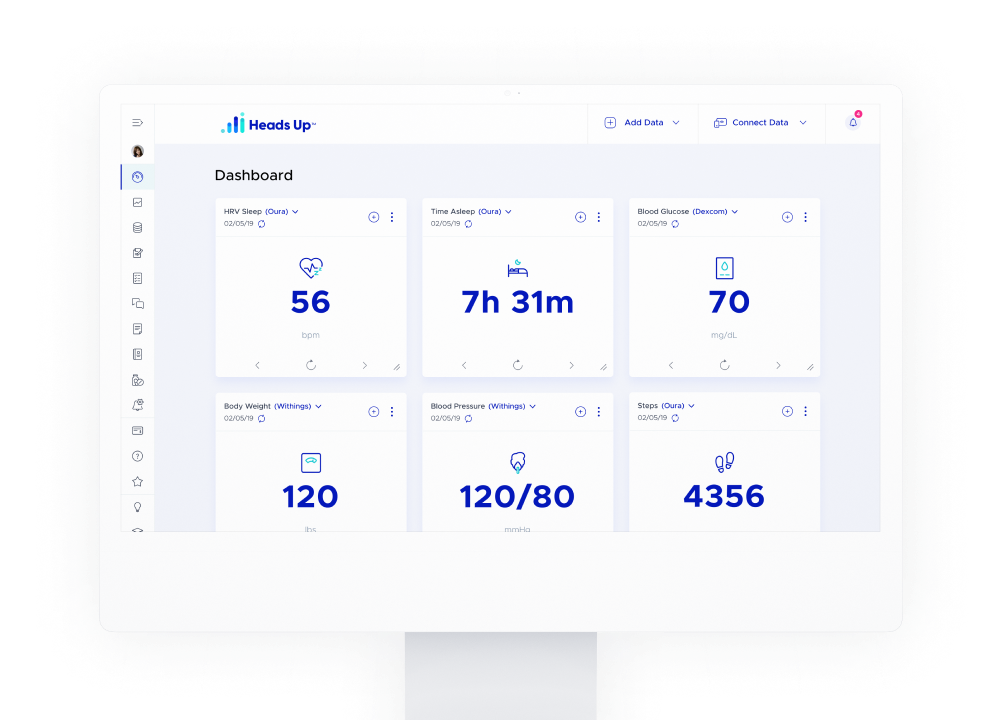
Optimize Health & Longevity

Synchronize your clients’ medical records, labs, wearables, apps, and more into Heads Up for better outcomes. 
Sign Up now for a free starter account!

The Real Biohack: Choice, Adaptability, and Purpose in Modern Longevity Practice

The Real Biohack: Choice, Adaptability, and Purpose in Modern Longevity Practice

The Real Biohack: Choice, Adaptability, and Purpose in Modern Longevity Practice

Overview

In today’s fast-moving world of biohacking and precision medicine, it can feel like every week brings a new “must-try” tool, supplement, or wearable. Yet according to Dr. Lara Varden, Ph.D., Dean at DNA University and clinician at The DNA Company, the most powerful biohack isn’t a gadget or protocol. It’s choice.

Dr. Varden’s insight cuts through the noise of optimization trends to reveal something deeper. The ability to choose and adapt—to tailor interventions to each patient’s evolving biology—is what truly defines modern longevity medicine.

Choice: The Foundation of Personalization

Over the past five years, the longevity field has exploded with new technologies. We can now track biomarkers in real time, analyze genomic data, and understand metabolic shifts more clearly than ever before. But the real advantage doesn’t lie in the tools themselves. It lies in how we use them.

As Dr. Varden explains, practitioners have an unprecedented opportunity to choose how and when to apply different interventions. Some protocols may work for a month, others for a season, and some may need to be paused entirely. True personalization happens when a clinician can fluidly adjust strategy based on each patient’s response and readiness.

Choice is the art of interpreting data and translating it into action.

Adaptability: The Core of Resilience

Adaptability is what turns knowledge into transformation.

When practitioners model flexibility in their own approach, patients learn to do the same. This mindset fosters long-term health behaviors, resilience, and self-awareness. It shifts care from a reactive, one-size-fits-all model to a dynamic partnership—one where data and intuition inform each other in real time.

In a longevity-focused practice, adaptability is not just a clinical skill. It’s a cultural value that encourages curiosity, continuous learning, and open dialogue between practitioner and patient.

Purpose: The Missing Link in Patient Engagement

Dr. Varden also brings an important emotional truth to the conversation. For her, health optimization is about more than performance or metrics. It’s about being present with her family—her children and grandchildren.

This personal “why” gives context to every protocol she follows. And it’s a powerful reminder for practitioners: patients are more likely to follow through on health goals when those goals connect to something they love.

When clinicians help patients identify that deeper motivation, they turn biohacking into something sustainable and meaningful. Purpose amplifies compliance, energy, and engagement.

Where Data Meets Meaning

Dr. Varden’s reflection highlights what many practitioners already know intuitively. Data matters, but it is only part of the equation. The next frontier in precision health will come from combining measurable insights with human understanding.

By empowering patients with choice, guiding them through adaptive strategies, and connecting every recommendation to purpose, practitioners can help people live longer and better.

Because in the end, the most advanced technology is only as powerful as the intention behind it.

Summary

Monitoring a patient’s vital signs in real time can significantly improve patient outcomes and reduce healthcare costs. However, practitioners need a convenient robust platform that connects to external devices that allow for monitoring of biometric patient data.

HeadsUp Health offers a robust, integrative platform with real-time tracking and early alerts on key health metrics. The goal is to empower medical teams to act swiftly when changes occur, driving better outcomes and peace of mind for patients and providers alike. Discover how our platform can elevate your patient monitoring approach and provide timely interventions that improve health and reduce hospital readmissions.Frame 1000003751

Tracking Patient Health Data Has Never Been Easier!

Leverage The Power Of Heads Up in your Health Practice

Get started with by scheduling custom demo with one of our specialists to see the difference Heads Up can make in your practice. Schedule your demo and discovery call here.

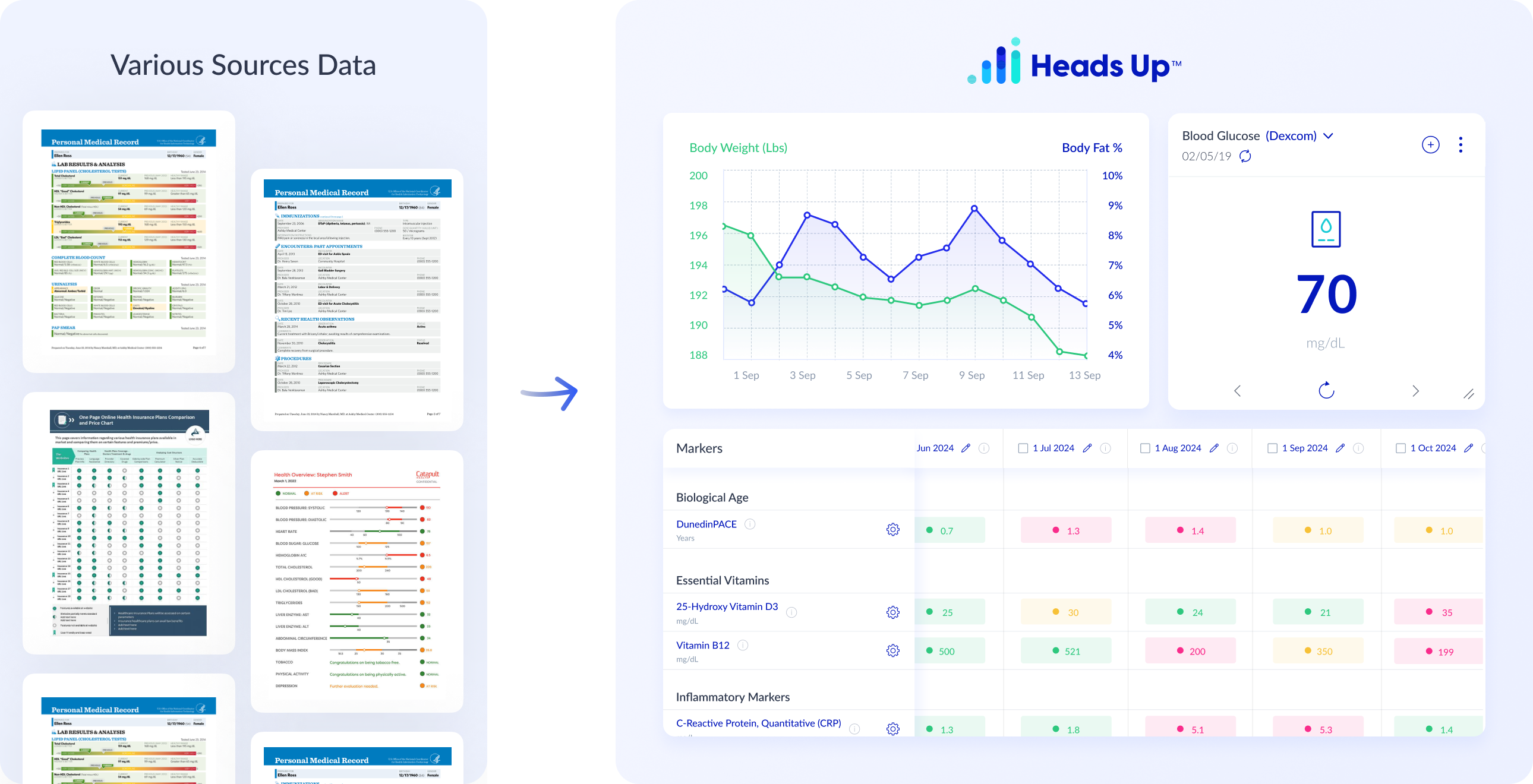
Optimize Health & Longevity

Synchronize your clients’ medical records, labs, wearables, apps, and more into Heads Up for better outcomes. 
Sign Up now for a free starter account!
Dr. Vincent Pedre’s Top Mitochondrial Health Biohacks for Energy and Longevity

Dr. Vincent Pedre’s Top Mitochondrial Health Biohacks for Energy and Longevity

Dr. Vincent Pedre’s Top Mitochondrial Health Biohacks for Energy and Longevity

Overview

When it comes to longevity and performance, mitochondrial health sits at the center of the conversation. These tiny energy factories power every cell, but they do much more than produce ATP. Mitochondria regulate cellular signaling, influence inflammation, and even decide when a cell should die. For clinicians helping patients improve energy and resilience, supporting mitochondrial function can have far-reaching benefits.

In a recent conversation, Dr. Vincent Pedre, CEO and founder of Happy Gut Life, shared two strategies he is personally using to enhance mitochondrial performance and stress tolerance. After completing a Mitochondrial Efficiency and Capacity (MEC) test, he found that his mitochondria perform well at baseline but become less efficient under stress. That insight led him to refine his health protocol with two focused interventions.

1. Intermittent Fasting to Build Mitochondrial Resilience

Dr. Pedre admitted he has always enjoyed breakfast and finds fasting difficult because of his lean frame. Still, he is intentionally adding intermittent fasting to his routine to strengthen metabolic flexibility.

Fasting can stimulate mitochondrial biogenesis, improve insulin sensitivity, and activate cellular repair pathways such as autophagy. By cycling between periods of feeding and fasting, cells learn to operate more efficiently under energy stress, a key factor in healthy aging.

For practitioners, intermittent fasting continues to be one of the most accessible, evidence-backed ways to optimize mitochondrial efficiency. It can also complement other patient strategies like time-restricted eating or fasting-mimicking diets.

Fasting

2. Phospholipid Supplementation to Restore the Mitochondrial Membrane

The second focus of Dr. Pedre’s protocol involves rebuilding mitochondrial membranes using phospholipids.

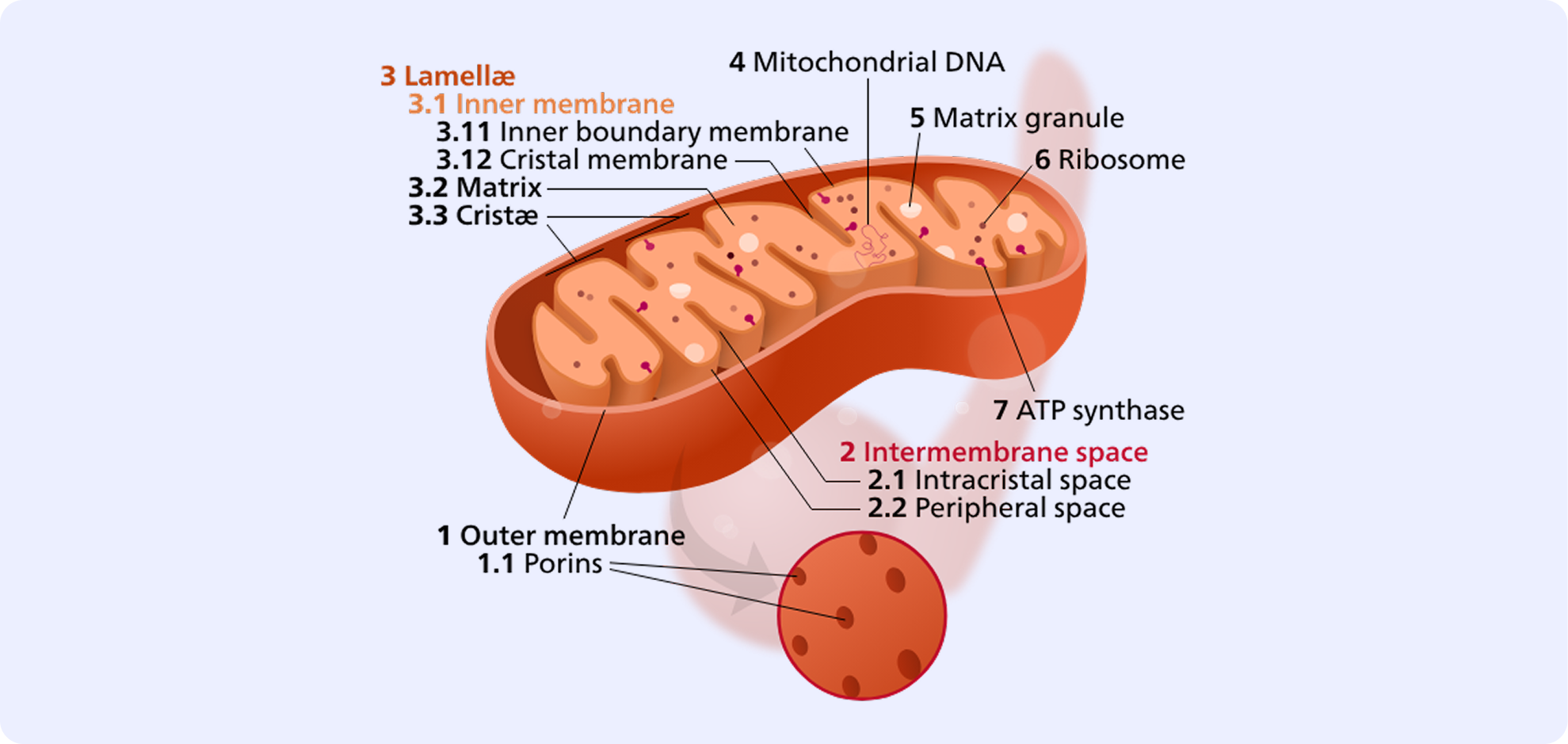
Every cell membrane is made up of a double layer of lipids, which provides structure and allows communication between cells. Over time, exposure to environmental toxins and oxidative stress causes these lipids to become damaged and less fluid, impairing mitochondrial performance.

Supplementing with phospholipids such as phosphatidylcholine (PC) and phosphatidylserine (PS) can help repair these membranes and improve the electron gradient that drives energy production. This process enhances mitochondrial communication and supports more efficient ATP generation.

For patients, restoring membrane integrity can translate to improved energy, mental clarity, and resilience under stress.

Mitochondrial Membrane

Minimalism in Supplementation

Dr. Pedre describes himself as a minimalist when it comes to supplements. He prefers targeted interventions that create measurable results with minimal complexity. Fasting and phospholipid support fit that approach, offering maximum impact with minimal overload.

This mindset resonates with many functional and longevity practitioners who aim to simplify protocols without sacrificing clinical depth.

The Human Element in Cellular Health

When asked what he is most grateful for, Dr. Pedre shared that at 51, he feels healthier than he did ten years ago. He expressed gratitude for his health and the opportunity to help others live happier, healthier lives through his work.

It was a reminder that mindset and meaning often go hand in hand with physical wellbeing, even in the pursuit of optimal mitochondrial function.

Takeaway for Practitioners

Dr. Pedre’s approach highlights two key insights for health professionals:

  • Fasting can strengthen mitochondrial resilience and energy metabolism.
  • Phospholipid therapy supports membrane repair and cellular communication.
  • Simplicity matters. High-impact interventions often lead to greater adherence and long-term results.

Frame 1000003751

Tracking Patient Health Data Has Never Been Easier!

Leverage The Power Of Heads Up in your Health Practice

Get started with by scheduling custom demo with one of our specialists to see the difference Heads Up can make in your practice. Schedule your demo and discovery call here.

Optimize Health & Longevity

Synchronize your clients’ medical records, labs, wearables, apps, and more into Heads Up for better outcomes. 
Sign Up now for a free starter account!

Nervous System Regulation: The Most Overlooked Biohack for Better Health Outcomes

Nervous System Regulation: The Most Overlooked Biohack for Better Health Outcomes

Nervous System Regulation: The Most Overlooked Biohack for Better Health Outcomes

Overview

When most people think about biohacking, they imagine cutting-edge wearables, peptides, or advanced therapies. Yet some of the most effective interventions for patient health require no technology at all. Nervous system regulation may be the most powerful, and most overlooked, biohack available today.

Why Nervous System Regulation Matters

Patients who spend too much time in a sympathetic state, the classic “fight or flight” mode, are at higher risk for poor sleep, digestive issues, reduced recovery, and chronic stress. This constant activation affects not just how patients feel, but how their bodies function on a cellular level.

One of the clearest windows into nervous system status is heart rate variability (HRV). Low HRV is associated with reduced resilience, impaired recovery, and higher risk of disease. High HRV is linked to parasympathetic balance, improved stress tolerance, and longevity. For clinicians, HRV provides a measurable biomarker to track patient progress with nervous system interventions.

Frame 1000003571

Practical Tools That Work

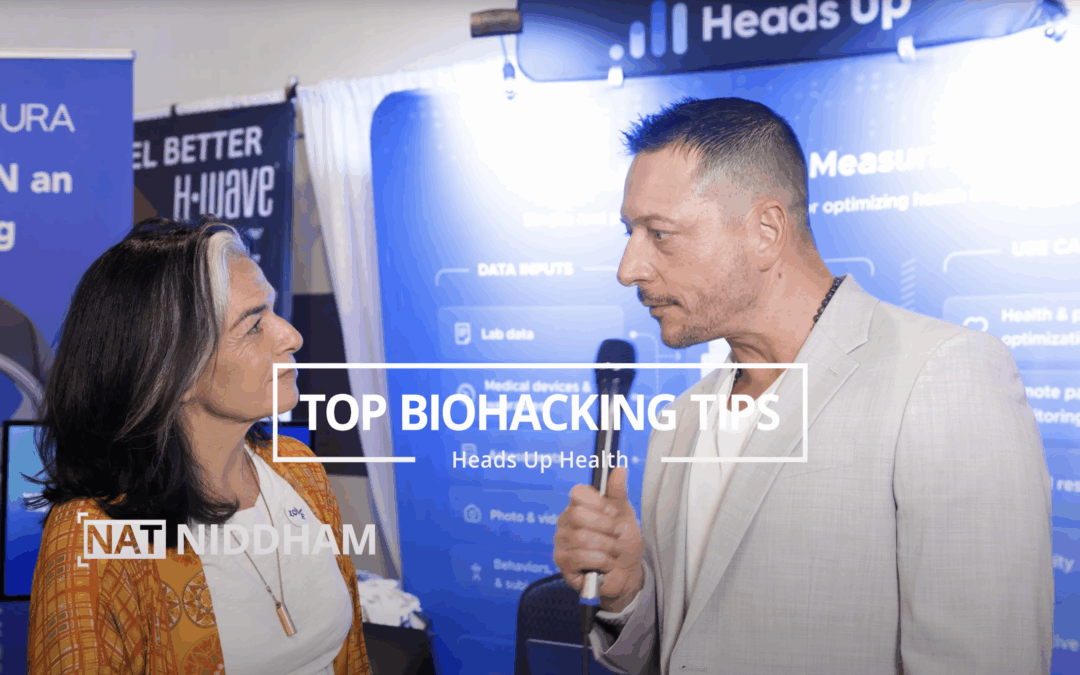
In our recent video with Nathalie Niddam, holistic nutritionist, longevity educator, and host of the Longevity Podcast, the discussion highlighted low-tech practices that can create immediate shifts in nervous system balance.

1. Posture and Breath Awareness
Encourage patients to notice shoulder tension. Simply rolling the shoulders back and taking a slow diaphragmatic breath can downregulate the nervous system within seconds. This is an accessible intervention that patients can practice anytime, anywhere.

2. Protect the Morning Routine
The first hour of the day sets the tone for the nervous system. Building in stillness, movement, or reflection before engaging with technology helps patients buffer against the stressors that follow. Even a short delay before looking at a phone can prevent early cortisol spikes and support greater resilience throughout the day.

3. The Role of Gratitude
Gratitude is often framed as a mindset practice, but research shows it has direct physiological effects. Studies link gratitude to improvements in HRV, reductions in inflammatory markers, and stronger parasympathetic activation. Recommending simple practices like journaling three things patients are grateful for can be a powerful adjunct to more complex therapeutic interventions.

Clinical Takeaway

For practitioners in concierge medicine, integrative and functional medicine, and longevity medicine, nervous system regulation is not an optional add-on. It is a baseline intervention that makes every other therapy more effective.

Encouraging patients to integrate simple tools like posture awareness, morning rituals, and gratitude practices can help reset the autonomic nervous system. These strategies improve patient resilience, optimize recovery, and lay the foundation for long-term healthspan.

The nervous system is not just part of the equation. It is the operating system. Everything else works better when it is balanced.

Frame 1000003751

Tracking Patient Health Data Has Never Been Easier!

Leverage The Power Of Heads Up in your Health Practice

Get started with by scheduling custom demo with one of our specialists to see the difference Heads Up can make in your practice. Schedule your demo and discovery call here.

Optimize Health & Longevity

Synchronize your clients’ medical records, labs, wearables, apps, and more into Heads Up for better outcomes. 
Sign Up now for a free starter account!

How Hyperbaric Oxygen Therapy Is Shaping the Future of Preventative Healthcare

How Hyperbaric Oxygen Therapy Is Shaping the Future of Preventative Healthcare

How Hyperbaric Oxygen Therapy Is Shaping the Future of Preventative Healthcare

Overview

In the world of personalized and preventative medicine, few therapies are gaining as much attention as hyperbaric oxygen therapy (HBOT). Once considered niche, HBOT is now proving to be a powerful tool for recovery, resilience, and long-term health.

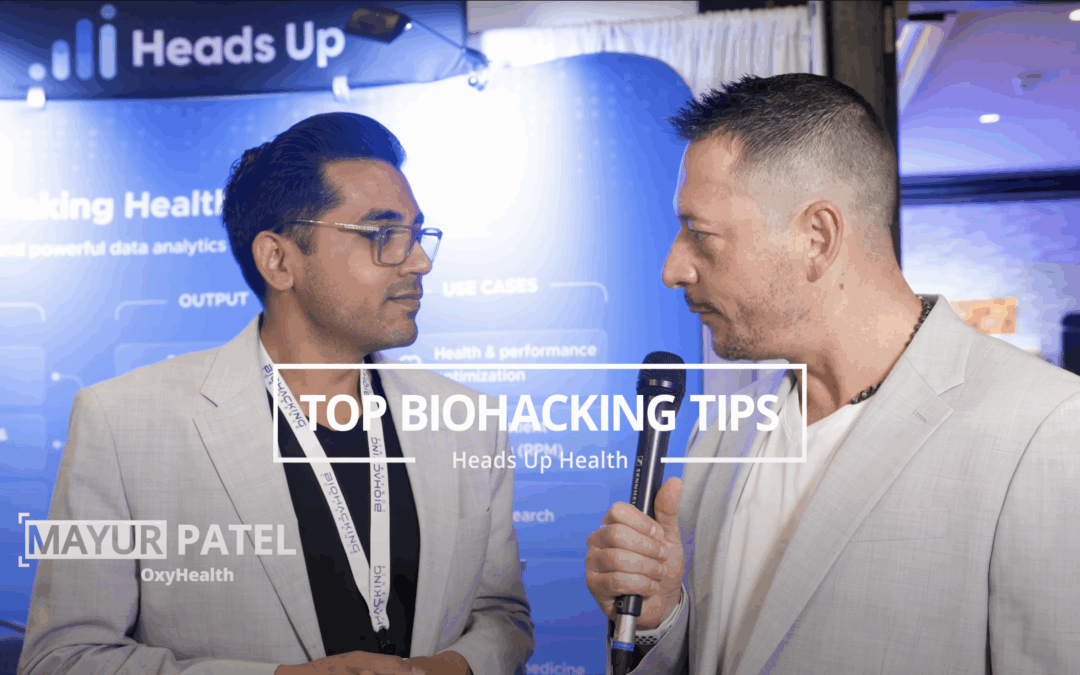
In a recent conversation, Mayur Patel, CEO of Oxy Health, shared how a personal health crisis transformed not only his own life but also his career path. His journey underscores the potential of HBOT and why it deserves a place in the clinical toolkit of forward-thinking practitioners.

A Pharmacist Turned Advocate

Mayur’s entry point into hyperbarics was deeply personal. As a pharmacist, he understood the protocols of guideline-directed medical therapy. Yet when he experienced a debilitating disc herniation, nothing worked. Steroid injections provided short-term relief but carried long-term risks.

It was not until he tried hyperbaric oxygen therapy that he found real change. After just one session, his pain and dysfunction improved dramatically. The experience was so profound that he chose to join forces with his father, combining clinical expertise with business leadership to build Oxy Health.

Why Oxygen Matters in Clinical Practice

Oxygen is classified as a drug by the FDA. That classification matters because HBOT is more than an adjunctive therapy. By elevating oxygen delivery at the tissue level, hyperbarics supports processes that align with the goals of functional and longevity medicine:

  • Enhanced cellular repair
  • Reduced inflammation
  • Improved resilience to stressors

For patients struggling with chronic conditions or looking to extend their healthspan, HBOT provides a mechanism-based intervention that complements lifestyle and integrative approaches.

Frame 1000003571

Building the Future of Hyperbarics

As CEO, Mayur is focused on three priorities:

  1. Research: Expanding the clinical evidence base to support broader adoption.
  2. Innovation: Improving chamber design and protocols to make therapy more effective and accessible.
  3. Community: Connecting practitioners, patients, and innovators to accelerate learning and best practices.

This three-part mission reflects the broader transformation happening in preventative healthcare. The next five years will likely determine how therapies like HBOT become integrated into mainstream practice.

What This Means for Your Patients

For concierge, integrative, and longevity practitioners, the message is clear. HBOT is not just about recovery after injury or illness. It represents a proactive, science-driven way to enhance resilience and optimize long-term health. Patients are increasingly curious about therapies that go beyond traditional interventions. Offering insights or access to hyperbaric oxygen therapy could be a differentiator for your practice.

Closing Thoughts

Mayur Patel’s story is a reminder of how personal experience and scientific training can converge to bring powerful therapies into the spotlight. Hyperbaric oxygen therapy is moving from niche treatment to essential tool. For practitioners and their patients, this is an important moment to stay engaged, evaluate the evidence, and consider where HBOT fits into a comprehensive plan for preventative and personalized care.

Frame 1000003751

Read more about how HBOT improves HRV based on real numbers

Tracking Patient Health Data Has Never Been Easier!

Leverage The Power Of Heads Up in your Health Practice

Get started with by scheduling custom demo with one of our specialists to see the difference Heads Up can make in your practice. Schedule your demo and discovery call here.

Optimize Health & Longevity

Synchronize your clients’ medical records, labs, wearables, apps, and more into Heads Up for better outcomes. 
Sign Up now for a free starter account!
The Overlooked Power of Fasting and Generosity in Patient Care

The Overlooked Power of Fasting and Generosity in Patient Care

The Overlooked Power of Fasting and Generosity in Patient Care

Overview

When it comes to improving health outcomes, most practitioners look to advanced diagnostics, precision protocols, and innovative therapies. Yet some of the most powerful tools for longevity and resilience are both ancient and simple. In a recent conversation, entrepreneur and author Mark Young highlighted two practices that can transform health in ways that are both practical and science-backed: fasting and generosity.

Fasting: A Reset for Body and Mind

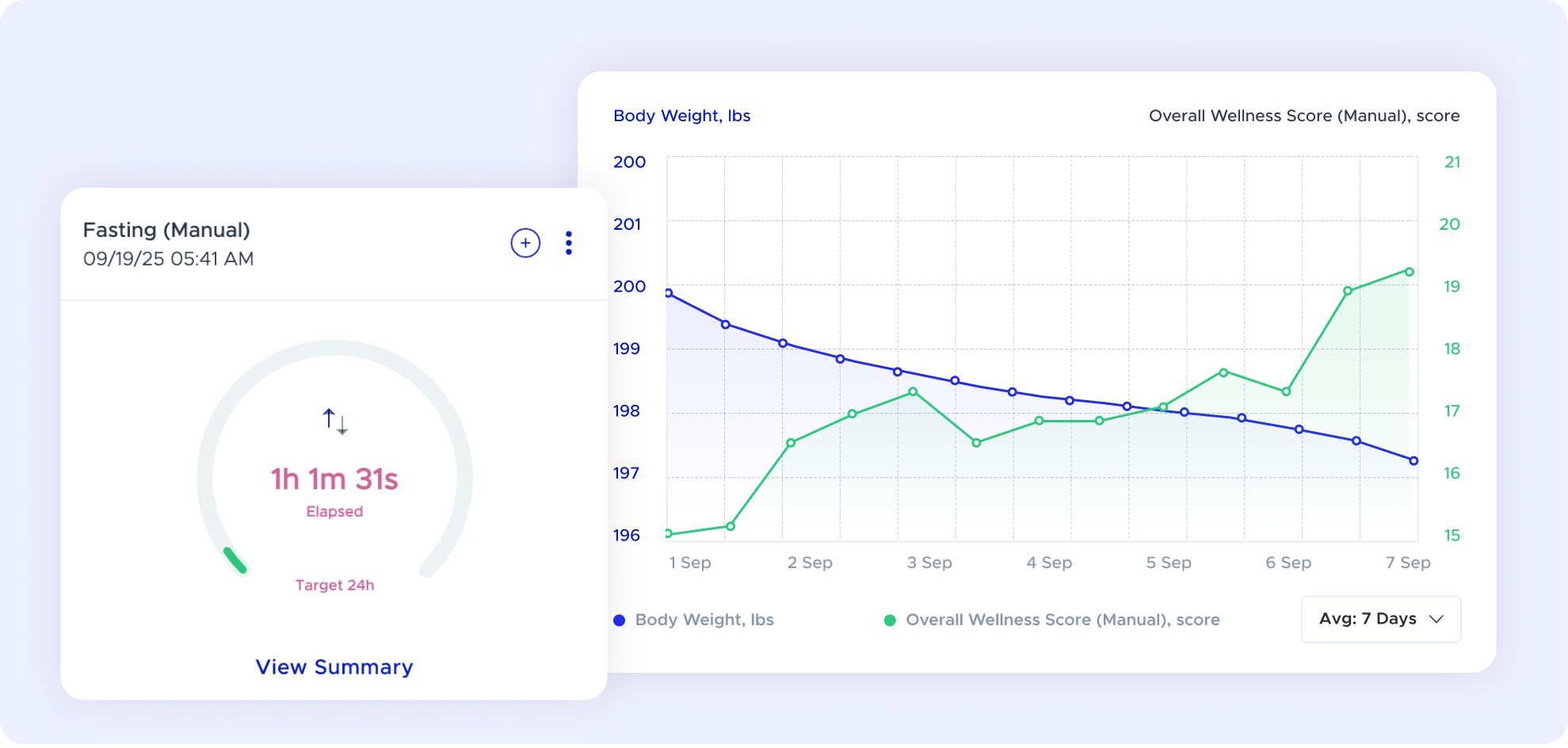
Fasting has long been recognized in both spiritual and medical traditions. Modern research now confirms its impact on metabolism, cellular repair, and cognition. Even short fasts of 24 hours or more can sharpen mental clarity, boost energy, and promote fat loss.

Fasting also serves as a powerful behavioral intervention. Many people discover they eat out of boredom, habit, or emotional triggers rather than true hunger. When food is off the table during a fast, those patterns become visible. For patients, this self-awareness can be just as valuable as the physiological benefits.

For practitioners, fasting can be used as:

  • A diagnostic tool to help patients identify their eating triggers
  • A therapeutic intervention to improve metabolic flexibility and support longevity goals
  • A mindset reset that builds resilience by proving the body and mind can thrive without constant fuel

The best part is its simplicity. Fasting requires no supplements or equipment, yet it offers measurable changes in both physiology and psychology.

Fasting

Generosity: A Neurological Intervention

Mark Young is also the author of Radical Generosity, a book that explores how giving shapes our lives. Neuroscience research shows that generosity has profound effects on the brain. In fMRI studies, giving money produced a stronger reward response than receiving it. Even imagining a generous act triggered oxytocin and endorphin release.

This means generosity is more than a virtue. It is a measurable intervention for mental and emotional health. Encouraging patients to practice generosity, whether through small daily actions or intentional lifestyle habits, can:

  • Reduce stress and support resilience
  • Improve mood through oxytocin and endorphin release
  • Build a sense of purpose and connection that enhances long-term well-being

For patients facing burnout, chronic stress, or mood disorders, generosity offers a simple, accessible strategy with immediate psychological benefits.

Integrating Simplicity Into Practice

For health professionals in concierge, functional, integrative, or longevity medicine, fasting and generosity present opportunities to combine ancient wisdom with modern science. Both are easy to prescribe, free to practice, and capable of creating profound shifts in body and mind.

As Mark Young emphasizes, the future of patient care does not always depend on adding more complexity. Sometimes, the most powerful results come from guiding patients back to simple practices that reset biology, rewire behavior, and cultivate resilience.

Frame 1000003751

Heads Up provides a system to integrate all of the different data that you need to really deliver practice-based outcomes…

Dr. Brad Jacobs

BlueWave Medicine

Tracking Patient Health Data Has Never Been Easier!

Leverage The Power Of Heads Up in your Health Practice

Get started with by scheduling custom demo with one of our specialists to see the difference Heads Up can make in your practice. Schedule your demo and discovery call here.

Optimize Health & Longevity

Synchronize your clients’ medical records, labs, wearables, apps, and more into Heads Up for better outcomes. 
Sign Up now for a free starter account!