Surfing and Creativity: Lifestyle Biohacks that Multiply Health Benefits

Surfing and Creativity: Lifestyle Biohacks that Multiply Health Benefits

Surfing and Creativity: Lifestyle Biohacks that Multiply Health Benefits

Surfing and Creativity: Lifestyle Biohacks that Multiply Health Benefits

When we hear the word “biohacking,” it is easy to picture advanced devices, protocols, or data-driven tools. Yet sometimes the most effective biohacks are lifestyle habits that activate multiple dimensions of health at once.

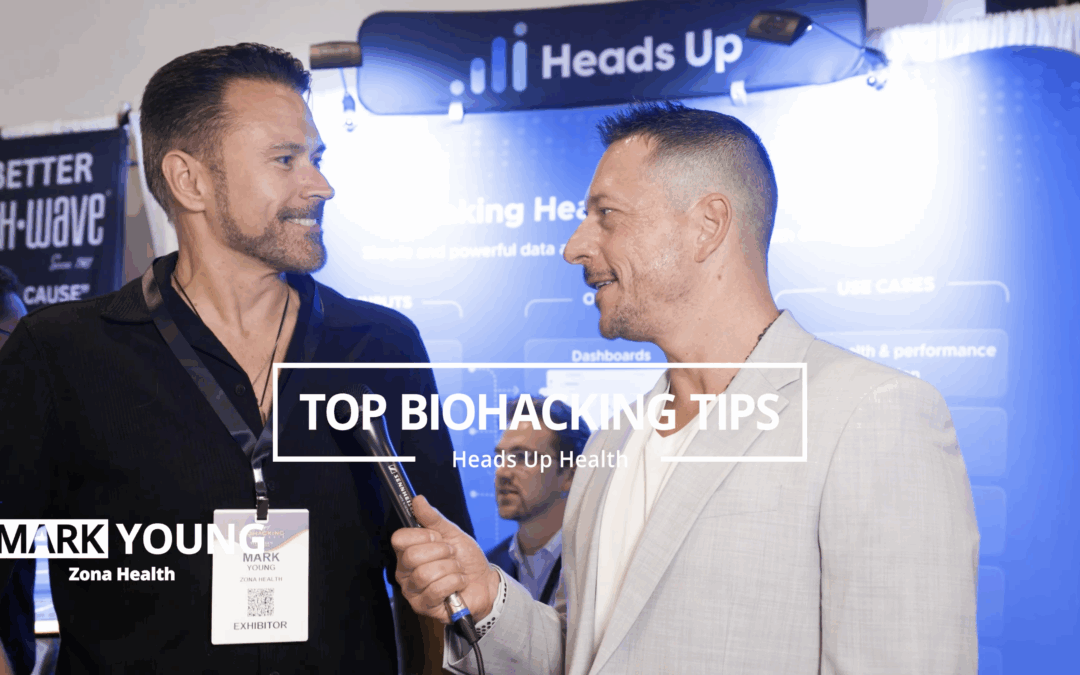
In a recent conversation, Dasha Maximov, Founder of WhealthCo, shared why surfing has become her go-to practice. At first glance, surfing looks like recreation. On closer inspection, it stacks together many of the same outcomes health professionals strive to encourage in their patients:

  • Movement and cardiovascular activity through paddling, balance, and strength
  • Circadian rhythm alignment by rising early with the sun
  • Natural light exposure that supports vitamin D synthesis and mood regulation
  • Stress relief and mindfulness during quiet periods waiting for waves
  • Mineral absorption from seawater, including magnesium
  • Social connection through time spent with friends and community

For clinicians, this illustrates how a single habit can simultaneously support physical health, emotional wellbeing, and social resilience. Patients are more likely to stick with a lifestyle practice when it feels energizing, communal, and restorative.

Dasha also highlights the role of creativity in long-term health. Creativity does not only mean art. It can be expressed in building families, shaping communities, or designing businesses. Encouraging patients to explore small creative outlets may reduce stress, strengthen resilience, and provide a sense of purpose—all critical drivers of longevity.

The takeaway is simple. High-impact biohacks are not always tied to technology. They can be found in accessible practices that combine movement, nature, connection, and expression. For practitioners in concierge, integrative, and longevity medicine, these lifestyle interventions can complement advanced protocols and data-driven care to create more holistic outcomes for patients.

Frame 1000003751

Tracking Patient Health Data Has Never Been Easier!

Leverage The Power Of Heads Up in your Health Practice

Get started with by scheduling custom demo with one of our specialists to see the difference Heads Up can make in your practice. Schedule your demo and discovery call here.
Optimize Health & Longevity

Synchronize your clients’ medical records, labs, wearables, apps, and more into Heads Up for better outcomes. 
Sign Up now for a free starter account!
Reversing Fatty Liver Disease with FibroScan and de-liver-ance®

Reversing Fatty Liver Disease with FibroScan and de-liver-ance®

Reversing Fatty Liver Disease with FibroScan and de-liver-ance®

Overview

Fatty liver disease is one of the most underdiagnosed health challenges today. It is estimated that nearly one in three adults may be living with some form of non-alcoholic fatty liver disease (NAFLD). Many will not realize it until the condition progresses into more advanced stages. For health professionals in concierge medicine, functional and integrative care, or longevity practices, this presents both a pressing concern and a unique opportunity for early detection and intervention.

In a recent interview, Cassandra Clavien, co-founder of de-liver-ance®, highlighted how her company is working to address this issue. Their approach combines FibroScan technology, the gold standard in non-invasive liver assessment, with de-liver-ance®, a scientifically formulated plant extract elixir. Together, these tools are creating measurable improvements in liver health and whole-body wellness.

FibroScan: Precision in Early Detection

FibroScan provides clinicians with a reliable way to assess both fat content and stiffness of the liver. Unlike routine blood tests, it captures a more complete picture of liver health. This enables practitioners to:

  • Detect fatty liver disease earlier in its progression
  • Establish a measurable baseline for monitoring change over time
  • Offer patients clear, data-driven insights into their liver function

By integrating FibroScan into routine care, practitioners can take a more proactive role in identifying risks before they escalate.fibroscan

de-liver-ance®: A Modern Elixir Backed by Tradition and Science

When results indicate compromised liver function, targeted support becomes essential. de-liver-ance® was designed for this purpose. The elixir blends antioxidants, rare marine polyphenols, and adaptogenic botanicals, bridging 5,000 years of traditional herbal medicine with modern molecular biology.

Its benefits include:

✔ Supporting natural detoxification pathways
✔ Enhancing fat metabolism and cholesterol regulation
✔ Reducing oxidative stress and inflammation
✔ Improving digestion and nutrient absorption
✔ Boosting immune defense
✔ Promoting energy, mental clarity, restful sleep, and skin health

With daily use, de-liver-ance® provides a foundation for long-term vitality, resilience, and overall well-being.

Flexible Models of Care

One advantage of this combined model is its adaptability. Health professionals can integrate FibroScan and de-liver-ance® in different ways:

  • Dedicated liver clinics that focus exclusively on liver assessment and support
  • Licensed services that add liver health solutions to existing practices
  • Corporate pop-up clinics that bring liver scanning directly to workplaces and organizations

This flexibility ensures that patients across diverse settings can benefit from early detection and targeted support.

Why This Matters for Practitioners

As rates of fatty liver disease continue to climb, practitioners have a responsibility to provide proactive, data-driven solutions. The combination of FibroScan and de-liver-ance® offers:

  • A precise tool for identifying risk earlier
  • A scientifically formulated elixir to support measurable outcomes
  • A scalable model that can be adapted to different care environments

Fatty liver disease is reversible when addressed in its early stages. For practitioners committed to improving patient outcomes, this model demonstrates how advanced technology and evidence-informed nutritional support can work together to deliver real results.

Frame 1000003751

Tracking Patient Health Data Has Never Been Easier!

Leverage The Power Of Heads Up in your Health Practice

Get started with by scheduling custom demo with one of our specialists to see the difference Heads Up can make in your practice. Schedule your demo and discovery call here.

Optimize Health & Longevity

Synchronize your clients’ medical records, labs, wearables, apps, and more into Heads Up for better outcomes. 
Sign Up now for a free starter account!
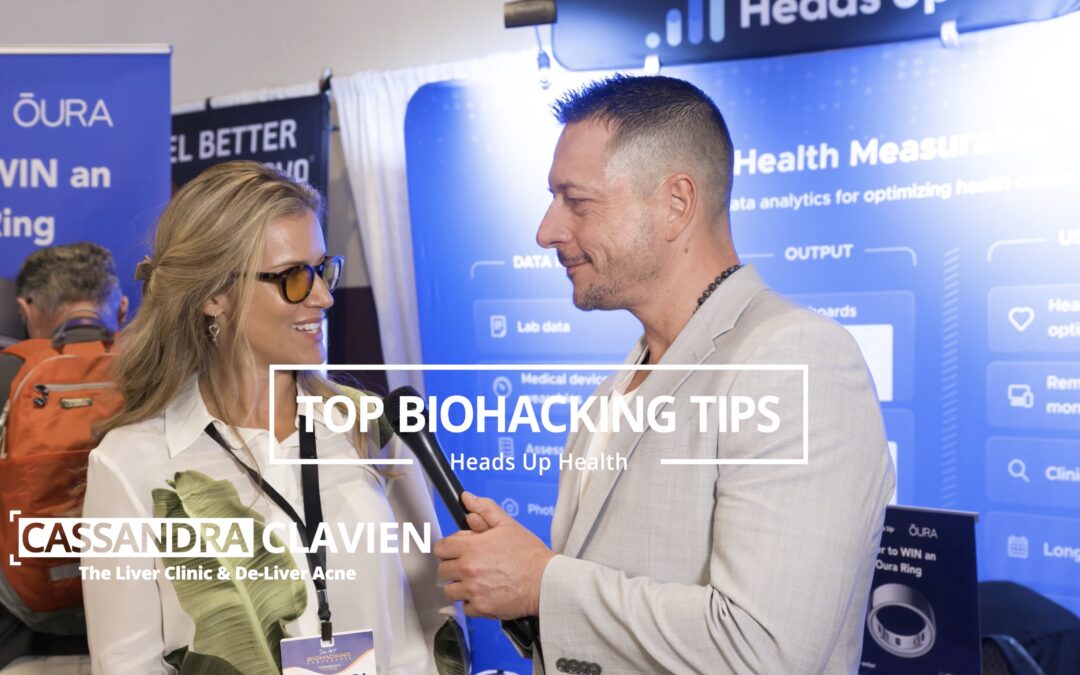
Longevity Metrics Q&A: Epigenetic Clocks, ApoB, Insulin Resistance & AI in Clinical Practice

Longevity Metrics Q&A: Epigenetic Clocks, ApoB, Insulin Resistance & AI in Clinical Practice

Overview

At Heads Up, we recently hosted a live webinar on the top longevity metrics every clinic should be tracking to uncover risks, personalize care, and improve outcomes. Our special guest was Leonard Pastrana, PharmD, co-founder of nuBioAge and a leading educator in longevity medicine who has trained over 5,000 practitioners worldwide.

The Q&A session was packed with insights on biomarkers, testing strategies, and the future of AI in healthcare.

Below is a recap of the most important takeaways.

Epigenetic Clocks: Promise and Limitations

Q: What is the latest on the use of epigenetic clocks as biomarkers?

Dr. Pastrana explained that epigenetic clocks are exciting tools that estimate biological age, but they’re still evolving. Data from TrueDiagnostic and other providers show accelerated aging between ages 40–60, matching what clinicians see in practice (brain fog, body composition changes, metabolic decline).

  • Best use: Motivational for patients (“What’s my biological age?”).

  • Limitation: Still not robust enough for clinical decision-making compared to validated metrics like VO₂ max, ApoB, and fasting insulin.

  • Notable metric: Dunedin Pace of Aging (rate of biological aging per year) is one of the most promising markers for clinical use.


The 40–60 Window: Why It’s Critical

Research confirms that between ages 40–60, aging accelerates. This is also when early insulin resistance can drive vascular damage leading to Alzheimer’s decades later.

Takeaway: This is the “golden window” for clinical intervention. By tracking insulin resistance, ApoB, body composition, and VO₂ max, providers can intervene before irreversible decline.


ApoB vs. ApoB:A1 Ratio

Q: Is the ApoB:A1 ratio more important than ApoB alone?

  • Dr. Pastrana: ApoB remains the gold standard for cardiovascular risk, since it counts atherogenic particles.

  • Ratios can provide nuance, but decisions should be anchored on ApoB levels for clinical accuracy.


Hydration and Protein Preservation

Q: How much water is needed to stop protein degradation?

  • No set number, but generally 2–3 liters/day depending on body weight.

  • What matters: Intracellular water. Low cell volume signals catabolism and accelerates protein breakdown.

  • Solutions: Amino acids, creatine, and osmolites to support intracellular hydration.


Visceral Adipose Tissue (VAT) and Body Fat

Q: Is there a formula for reducing VAT below 1 lb based on body fat percentage?

  • VAT is highly bio-individual. Some lean patients have high VAT, while some obese patients have less than expected.

  • DEXA scans remain the gold standard for assessing VAT.

  • Key: Don’t rely on total body fat % alone — measure directly.


The “Dream Biomarker”: Continuous Fasting Insulin

When asked what biomarker he wished existed, Dr. Pastrana’s answer was clear: A continuous fasting insulin monitor, similar to today’s CGMs.

Why? Because insulin tells us how hard the pancreas is working to maintain glucose balance, and continuous data could revolutionize metabolic care.


GLP-1s and Weight Regain

Q: When should testing be done to predict weight regain after GLP-1 therapy?

  • Always establish baseline metabolic parameters before starting treatment.

  • Key metrics: Resting Metabolic Rate (RMR) and Fat Oxidation (breath testing).

  • Weight regain is often linked to:

    • Reduced metabolism due to caloric restriction.

    • Lean mass loss during weight reduction.

  • Solution: Resistance training, protein intake, peptides, and hormone optimization to preserve or rebuild lean mass.


Tirzepatide vs. Semaglutide

Q: Are there significant differences between the two?

  • Clinical differences are minimal.

  • Semaglutide may show slightly better triglyceride/VLDL reduction in studies, but real-world outcomes are similar.

  • Key factors: Patient tolerance and cost.


Affordable Alternatives to DEXA

  • Tools like InBody and SECA devices provide useful trends for lean mass and VAT scores.

  • Not as precise as DEXA, but valuable for monitoring direction over time.

  • Tip: Educate patients not to panic over day-to-day fluctuations (water weight, menstrual cycle, etc.).


HbA1c vs. Fasting Insulin vs. HOMA-IR

  • HbA1c is foundational for diabetes screening but less sensitive in early dysfunction.

  • Fasting Insulin is simple, direct, and highly valuable for detecting early metabolic issues.

  • HOMA-IR combines glucose + insulin for a broader view of insulin resistance.

Recommendation: Use all three, but fasting insulin remains a practical and powerful tool.


Demonstrating True Healthspan Gains

Q: How can clinics prove interventions are reversing biological age?

  • Focus on validated clinical metrics:

    • VAT reduction

    • ApoB lowering

    • VO₂ max improvement

    • Muscle mass gain

  • Patient-centered approach: Tie metrics back to personal goals (confidence, energy, longevity with family).

  • Heads Up enables providers to show before/after dashboards to demonstrate real progress.


Wearables: Tracking Between Lab Visits

  • Body composition scales (weekly trend data).

  • Oura Ring for HRV, sleep quality, recovery.

  • CGM for glucose and metabolic flexibility.

Between labs and DEXAs, these provide daily feedback loops to patients and clinicians.


Custom Longevity Scores

Heads Up now supports custom algorithm development, allowing clinics to combine:

  • Traditional labs (HbA1c, lipids)

  • Advanced markers (epigenetic clocks, VO₂ max, organic acids)

  • Wearables (HRV, sleep, activity)

Result: Proprietary Longevity Scores that differentiate your practice and prove outcomes at scale.


The Future: AI + Longevity Medicine

With Heads Up’s new AI layer, clinicians will soon be able to:

  • Query patient data with natural language.

  • Identify velocity of change across 10+ years of labs.

  • Auto-generate treatment plans based on data trends.

  • Highlight mismatched interventions.

The vision: Secure, HIPAA-compliant AI that turns complex health data into actionable insights in seconds.


 Want to see the full clinical longevity training?  Click the image below.

1 91 (37)

Conclusion

Longevity medicine is evolving fast, and the tools to track it are here. From epigenetic clocks to fasting insulin, from VAT scans to custom longevity scores, clinics can now deliver measurable outcomes that extend both lifespan and healthspan.

At Heads Up, we’re helping practices implement these metrics into daily care, unify fragmented data, and prepare for the next generation of AI-powered longevity medicine.

Want to build longevity programs that track, optimize, and prove outcomes? Schedule a Demo with Heads Up.

Tracking Patient Health Data Has Never Been Easier!

Leverage The Power Of Heads Up in your Health Practice

Get started with by scheduling custom demo with one of our specialists to see the difference Heads Up can make in your practice. Schedule your demo and discovery call here.

Optimize Health & Longevity

Synchronize your clients’ medical records, labs, wearables, apps, and more into Heads Up for better outcomes. 
Sign Up now for a free starter account!

Longevity Metrics: The Definitive Guide for Clinicians and Health Professionals

Longevity Metrics: The Definitive Guide for Clinicians and Health Professionals

Longevity Metrics: The Definitive Guide for Clinicians and Health Professionals

Introduction: Why Longevity Metrics Are the Future of Medicine

In the last decade, medicine has shifted from a disease-care model to a longevity and healthspan model. Patients aren’t just asking how long they will live, they want to know how well they can live. They expect measurable proof, personalized strategies, and proactive care.

That proof comes from longevity metrics: objective, data-driven biomarkers and performance measures that help clinicians uncover hidden risks, design precise interventions, and validate progress over time.

For clinics in concierge medicine, integrative health, and functional medicine, longevity metrics are not just a clinical advantage, they are a business differentiator. By delivering measurable results, practices increase patient trust, retention, and referrals while also creating scalable membership-based revenue streams.

This definitive training will cover the top longevity metrics every clinic should track, why they matter, and how to integrate them into daily practice with platforms like Heads Up Health.


Don't Miss The Next Data-Driven Medical Education

Sign Up Below To Get Notified

Guest Educator: Leonard Pastrana

Transforming longevity medicine from concept to clinical reality for 5,000+ medical practitioners worldwide: PharmD & Founder @ nuBioAge | Scientific Director | Speaker | Accelerating Leaders in Longevity Medicine.

Leonard is recognized as one of the foremost experts in longevity medicine, transforming the field from concept to clinical reality.

As the co-founder of nuBioAge and Scientific Director for multiple longevity initiatives, Leonard has trained and supported over 5,000 medical practitioners worldwide. His work goes beyond education, he has built a comprehensive ecosystem that equips providers with the tools, data, and strategies they need to implement longevity metrics, deliver personalized care, and scale successful programs. With deep expertise in biomarkers, precision therapies, and healthspan optimization, Leonard is accelerating the next generation of leaders in clinical longevity practice.

“As a PharmD and co-founder of nuBioAge, I’ve helped build the most comprehensive ecosystem in longevity medicine – one that doesn’t just educate providers, but gives them everything they need to deliver life-changing care and scale their impact.”

What Are Longevity Metrics?

Longevity metrics are quantifiable biomarkers, physiological measures, and health indicators that reflect a patient’s risk for disease and their capacity for healthy aging.

They go beyond traditional labs and vitals. While blood pressure and cholesterol remain useful, longevity metrics dive deeper into visceral fat, metabolic flexibility, cardiovascular capacity, lean mass, and early metabolic dysfunction.

The goal:

  • Identify risks years before symptoms appear.
  • Personalize care to each patient’s biology.
  • Validate progress with data patients can see and trust.

The 7 Core Longevity Metrics Every Practice Should Track

1. Visceral Adipose Tissue (VAT)Google Chrome 2025 08 27 22.24.23

  • What it is: VAT is the fat stored around internal organs. Unlike subcutaneous fat, VAT drives systemic inflammation, insulin resistance, and cardiometabolic disease.
  • How to measure: DEXA scans are gold standard; bioimpedance devices and MRI can also estimate VAT.
  • Why it matters: High VAT is linked to cardiovascular disease, Type 2 diabetes, and even cancer progression.
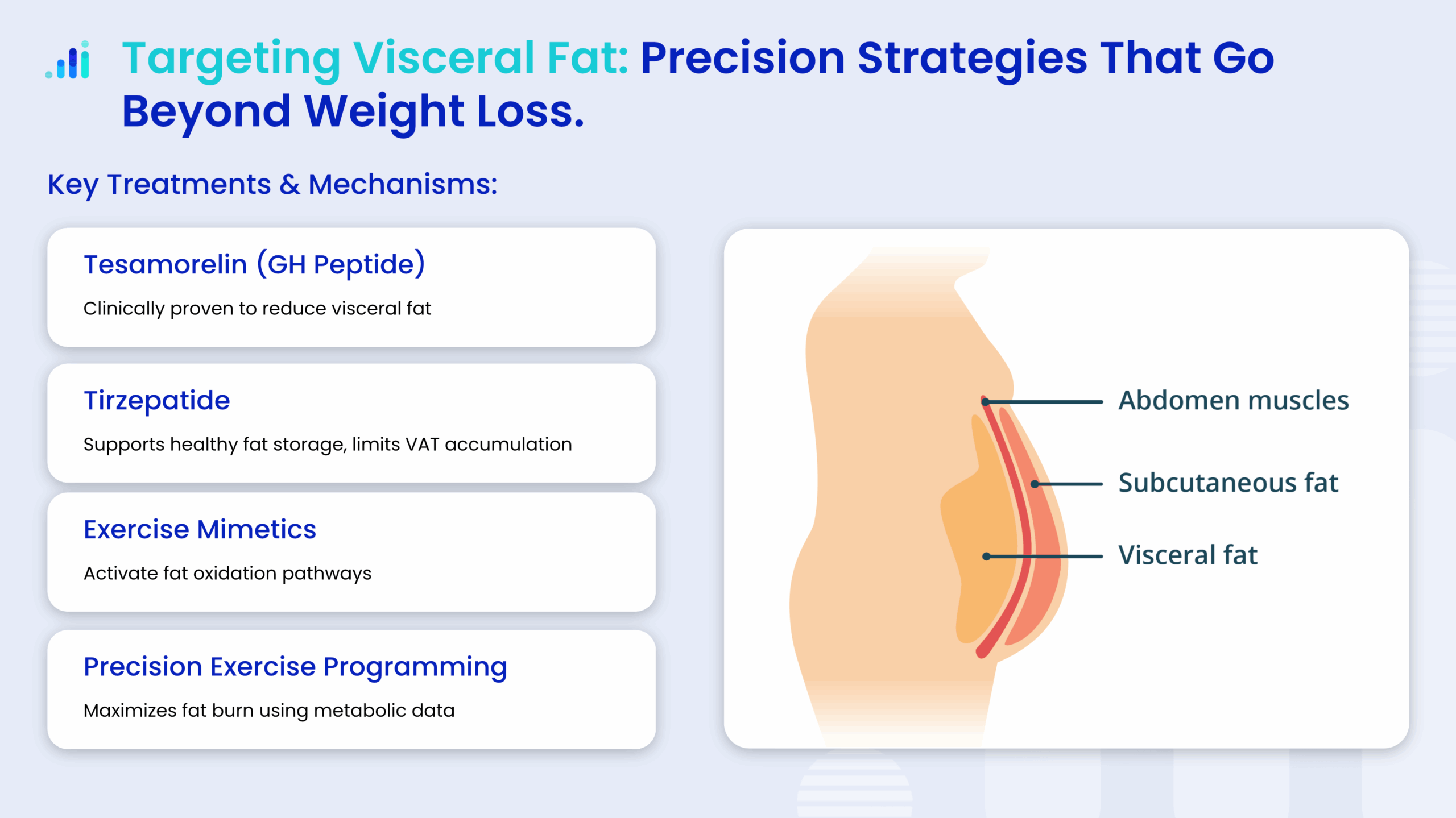
  • How to optimize: GLP-1 medications (Semaglutide, Tirzepatide), peptides like Tesamorelin, precision nutrition, and Zone 2 aerobic training.

2. Appendicular Lean Mass Index (ALMI)

  • What it is: ALMI measures lean muscle mass in arms and legs relative to height.
  • Why it matters: Low ALMI indicates sarcopenia, frailty, and increased fall risk. Muscle mass is a critical predictor of mobility and independence in older age.
  • How to measure: DEXA body composition scans.
  • How to optimize: Resistance training, leucine-rich nutrition, testosterone or hormone optimization when clinically appropriate.

3. VO₂ Max

  • What it is: The maximal oxygen uptake during exercise — essentially, cardiovascular fitness.
  • Why it matters: VO₂ max is the single strongest predictor of mortality, outperforming smoking status, diabetes, and hypertension.
  • How to measure: Treadmill testing with metabolic cart, breath analyzers like PNOĒ, or validated wearable proxies (Garmin, Polar).
  • How to optimize: Structured aerobic training, especially high-intensity intervals and progressive Zone 2 work.

4. Resting Metabolic Rate (RMR)

  • What it is: The number of calories burned at rest.
  • Why it matters: Patients with “slow metabolism” often struggle with weight loss and regain. Discrepancies between measured and predicted RMR reveal hidden metabolic dysfunction.
  • How to measure: Indirect calorimetry breath testing.
  • How to optimize: Tailored nutrition programs, lean mass preservation strategies, and metabolic rehabilitation.

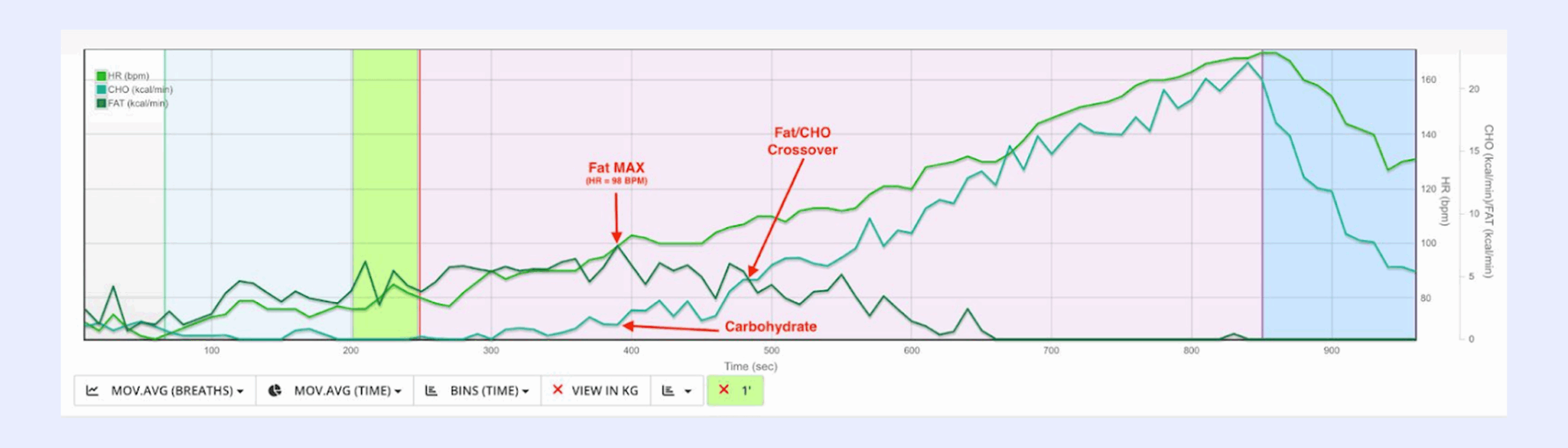
5. Fat Oxidation (FatMax & Crossover Point)

  • What it is: Measures the exact point where fat burning peaks and where carb metabolism overtakes fat metabolism.
  • Why it matters: Fat oxidation metrics reveal metabolic flexibility and mitochondrial efficiency — both crucial for longevity.
  • How to measure: Metabolic breath testing devices (PNOĒ, VO₂ cart).
  • How to optimize: Zone 2 training, low-glycemic diets, mitochondrial support supplements.Frame 18

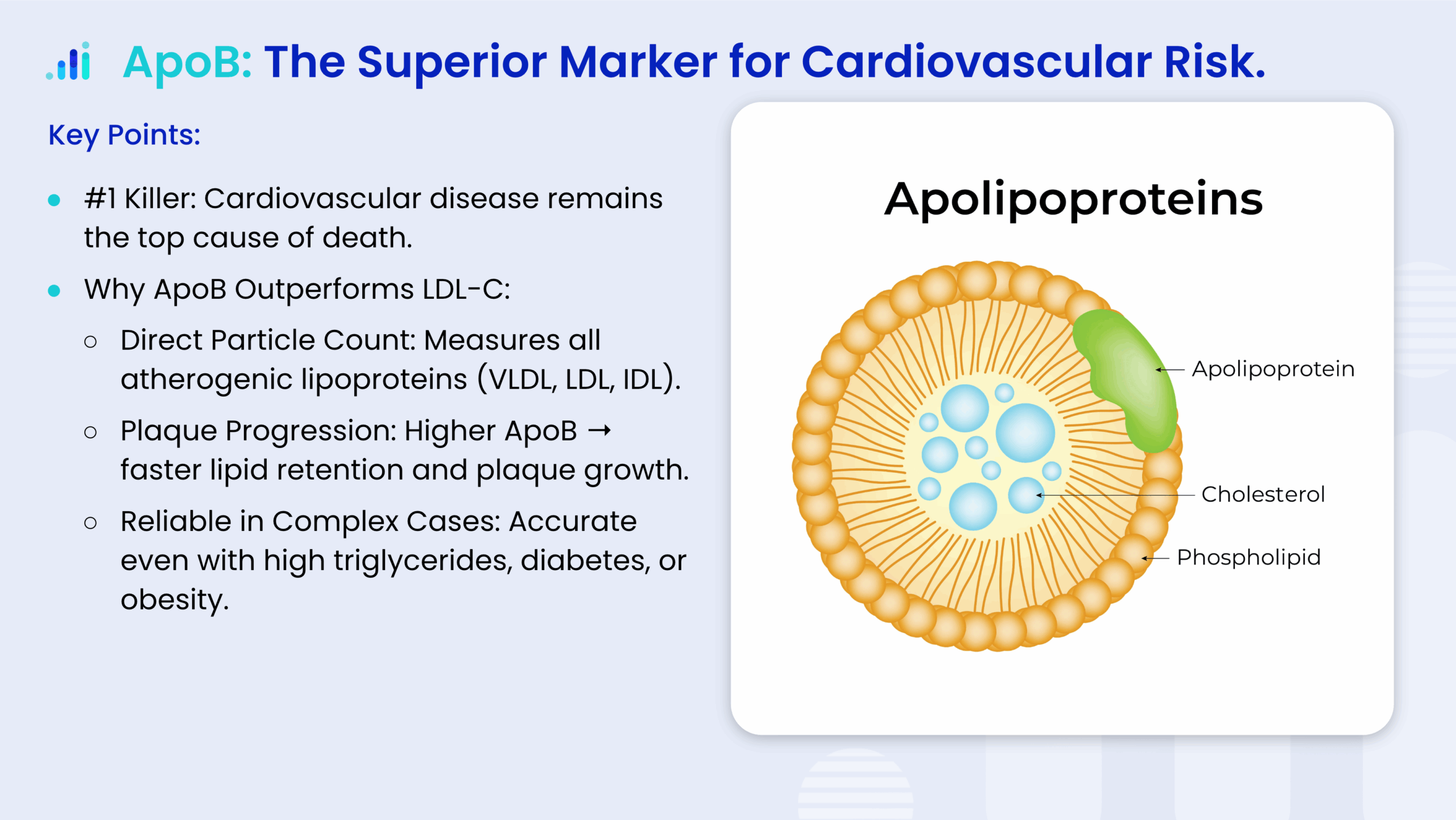
6. ApoB

  • What it is: Apolipoprotein B is a direct measure of atherogenic lipoprotein particle count.
  • Why it matters: ApoB is a more reliable predictor of cardiovascular risk than LDL-C. Elevated ApoB means accelerated plaque formation.
  • How to measure: Standard lab blood test.
  • How to optimize: Statins, PCSK9 inhibitors, lifestyle interventions, supplements like Sytrinol.Google Chrome 2025 08 27 22.32.39

7. Fasting Insulin

  • What it is: Baseline insulin level after fasting.
  • Why it matters: Elevated insulin can indicate metabolic dysfunction years before fasting glucose or HbA1c change.
  • Optimal range: ≤6–7 μIU/mL.
  • How to measure: Simple fasting blood test.
  • How to optimize: Low-glycemic diets, time-restricted eating, GLP-1s, berberine

Beyond the Basics: Additional Longevity Metrics

  • HRV (Heart Rate Variability): Marker of autonomic nervous system balance and stress resilience.
  • Sleep Quality & Stages: Tracked via Oura, Garmin, Whoop. Poor sleep accelerates biological aging.
  • Epigenetic Clocks: DNA methylation-based biological age tests (TruAge, DNAmAge).
  • Inflammatory Markers: hsCRP, IL-6 as indicators of chronic inflammation.
  • Cognitive Metrics: Reaction time, memory, and executive function testing.

From Data to Action: Personalizing Longevity Protocols

Metrics are only powerful if they drive interventions. Leading practices use HeadsUp Health to:

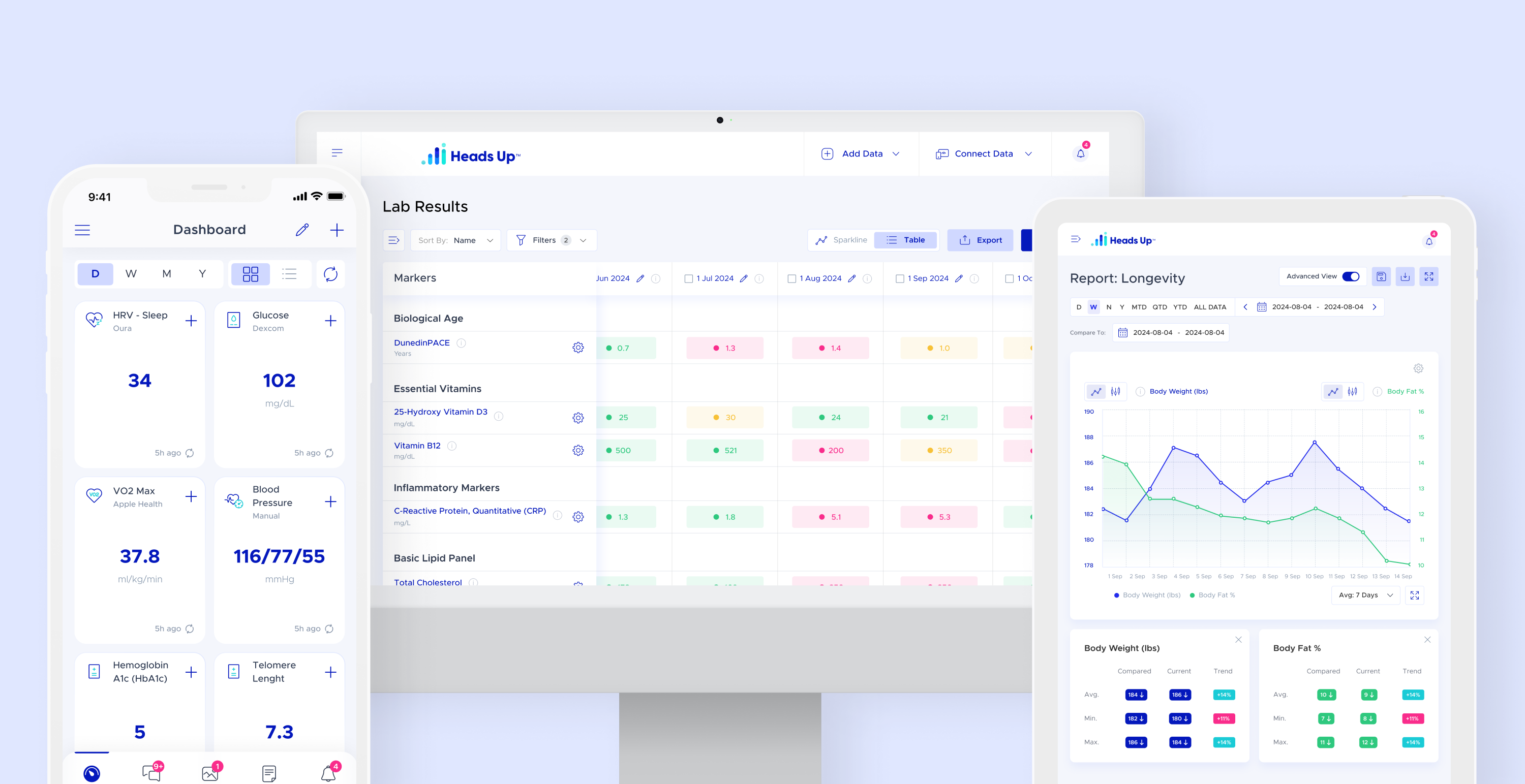
  • Centralize data from labs, wearables, and devices into one dashboard.
  • Set personalized protocols (exercise, nutrition, peptides).
  • Track longitudinal changes with real-time alerts.
  • Validate results with before-and-after reports patients can see.

This makes metrics actionable for both clinical care and patient motivation.

The Business Case: Why Longevity Metrics Grow Clinics

For practice owners, longevity metrics are not just science, they are strategy.

  • Retention: Patients stay engaged when they see progress. One concierge clinic reported a 32% increase in retention after adopting Personalize Health Analytics.
  • Revenue: Clinics packaging biomarker tracking into memberships have seen $87K+ in new annual revenue.
  • Differentiation: Data-driven outcomes set longevity clinics apart from wellness spas and traditional practices.
  • Investor Appeal: Validated outcomes with data attract partnerships and capital.

How to Implement Longevity Metrics in Your Practice

  1. Baseline assessment: Order a comprehensive lab + body composition + wearable data review.
  2. Build dashboards: Use a platform like HeadsUp Health to visualize data.
  3. Set alerts & thresholds: Get notified when metrics drift from targets.
  4. Review quarterly: Re-test metrics and adjust care plans.
  5. Package results: Present before/after reports in membership or VIP programs.

Tools, Training & ResourcesFrame 1000003340

Metrics Drive the Future of Longevity Medicine

Longevity medicine is no longer theory. By focusing on VAT, ALMI, VO₂ max, RMR, FatOx, ApoB, and fasting insulin, clinics can deliver measurable results that extend both lifespan and healthspan. The metrics exist, the tools exist, and the business case is clear. Clinics that adopt longevity metrics today will lead the next generation of personalized, preventive, and profitable medicine.

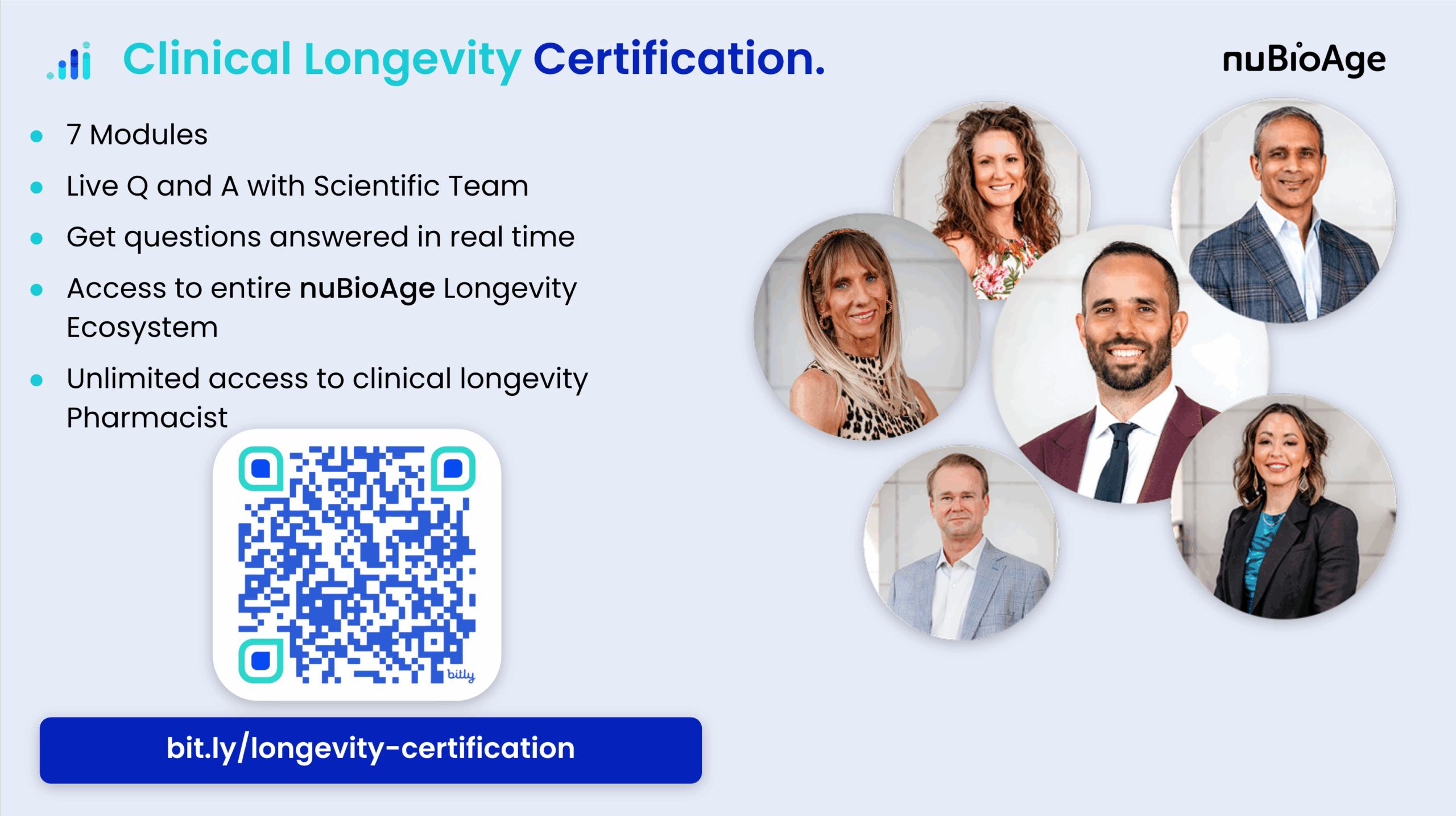
Clinical Longevity Certification With nuBioAge

Google Chrome 2025 08 28 22.45.08

Tracking Patient Health Data Has Never Been Easier!

Leverage The Power Of Heads Up in your Health Practice

Get started with by scheduling custom demo with one of our specialists to see the difference Heads Up can make in your practice. Schedule your demo and discovery call here.

Optimize Health & Longevity

Synchronize your clients’ medical records, labs, wearables, apps, and more into Heads Up for better outcomes. 
Sign Up now for a free starter account!

Top Biohacks for 2025: What Practitioners Need to Know

Top Biohacks for 2025: What Practitioners Need to Know

Top Biohacks for 2025: What Practitioners Need to Know

Overview

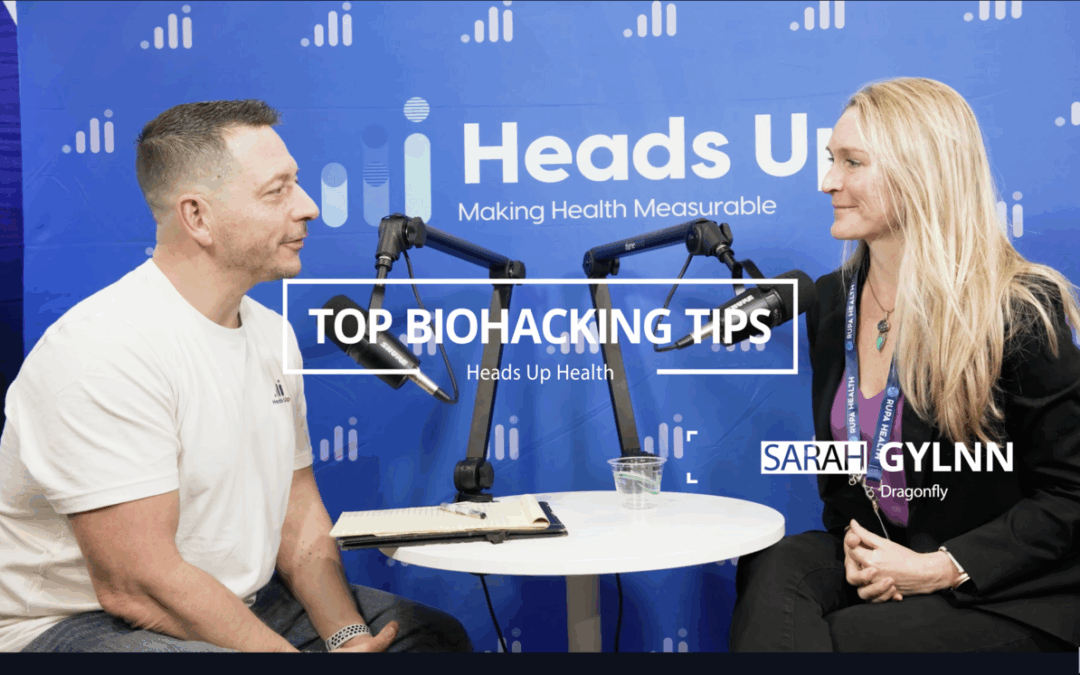
As the health landscape evolves, patients are looking for more than quick fixes. They want personalized, data-driven strategies that improve energy, resilience, and long-term outcomes. In a recent conversation with Sarah Glynn, founder of Dragonfly, four approaches emerged that blend cutting-edge technology with time-tested practices. For health professionals, these insights offer new ways to guide patients toward whole-person health.

Continuous Glucose Monitoring: A Foundational Tool

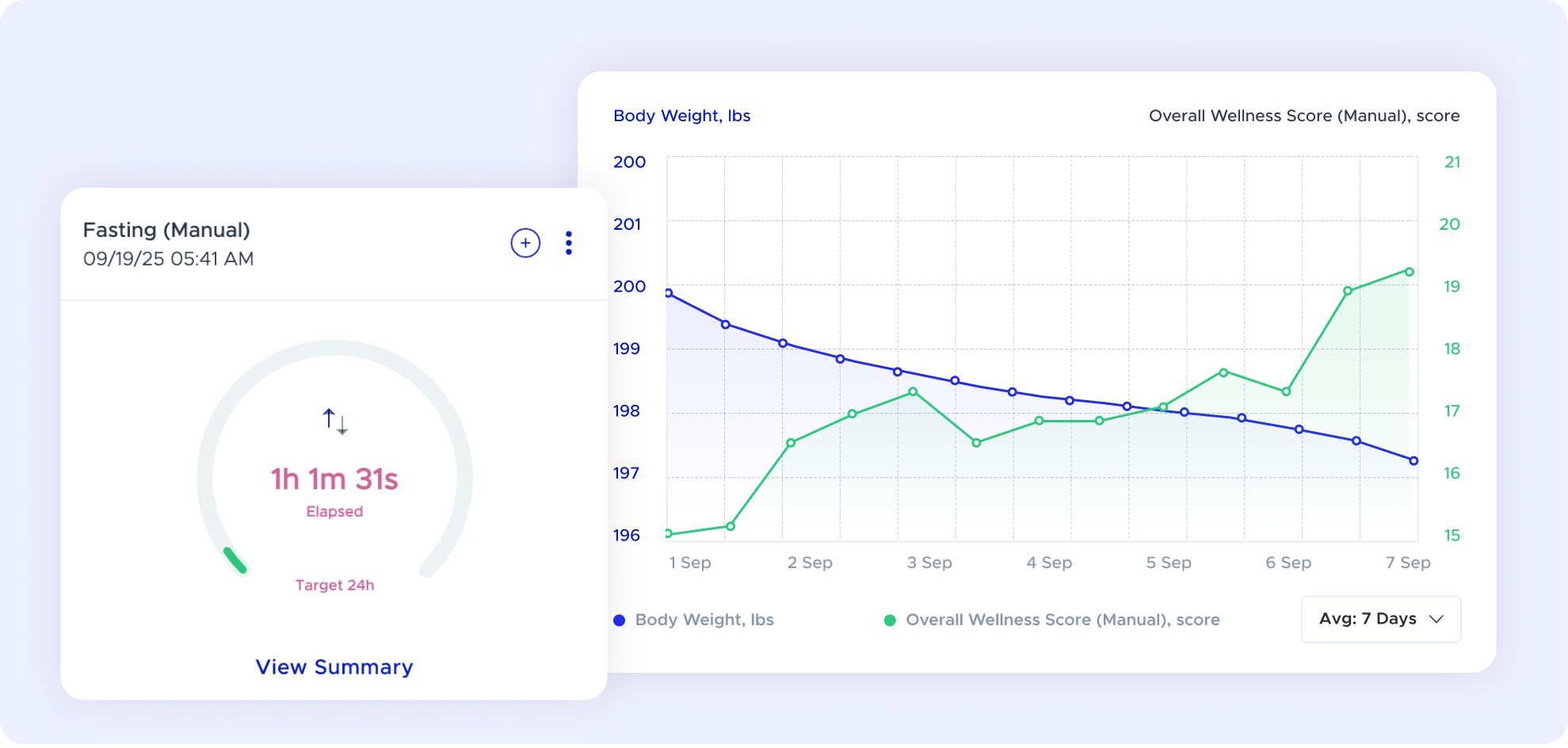
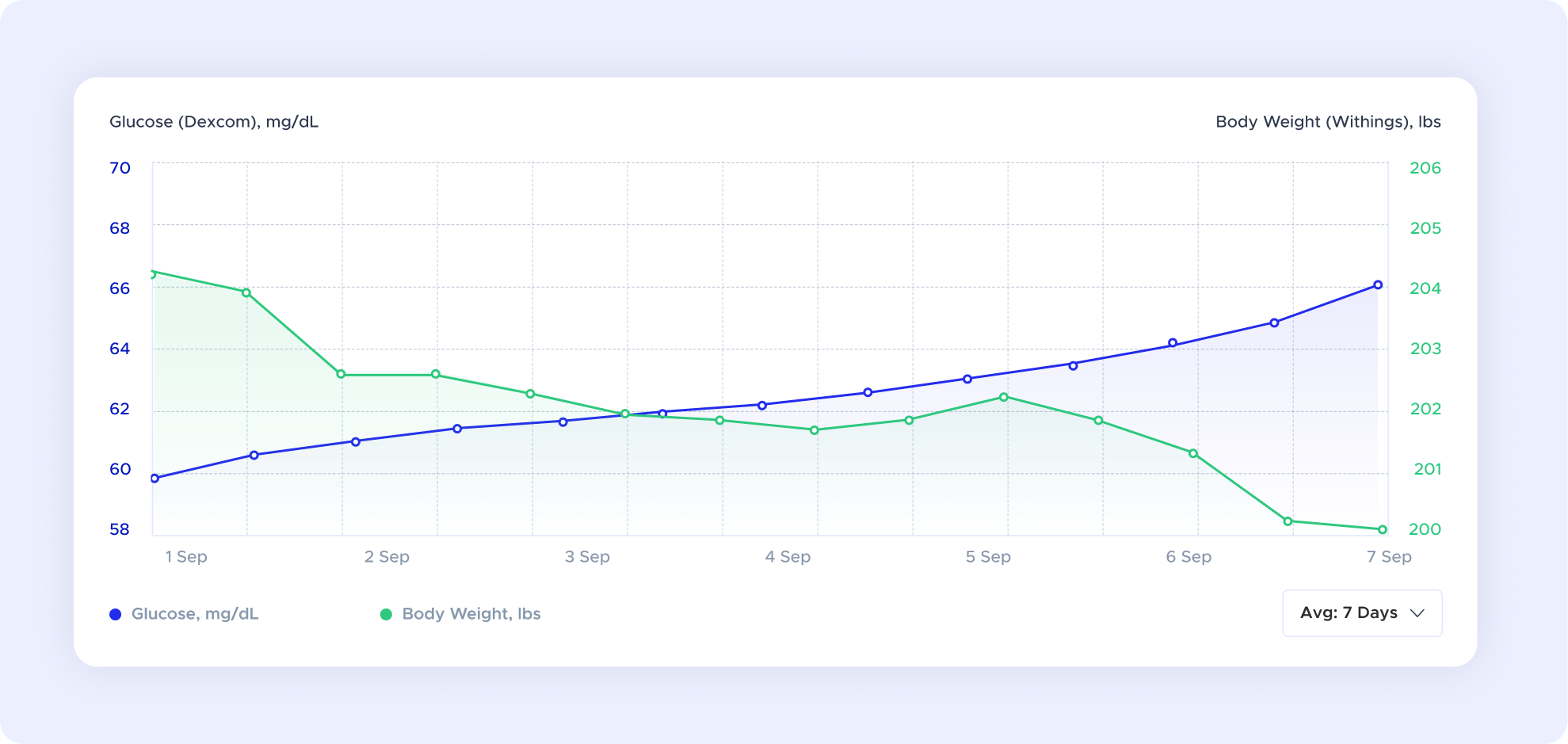
Continuous glucose monitoring (CGM) has become one of the most powerful tools in functional and integrative medicine. Devices such as Dexcom provide real-time insights into how food and lifestyle choices directly impact glucose levels, energy, and recovery.

For practitioners, CGM reveals glycemic variability that may not show up in standard lab work. It allows for personalized dietary recommendations and can be an early signal for metabolic dysfunction. As cost barriers continue to decrease, CGM is becoming more accessible for preventive care, making it an essential tool for patient monitoring and education.

dL Body Weight (Withings), lbs

Herbal Medicine for Hormonal Shifts

Hormonal changes often appear long before menopause or andropause, yet they can significantly disrupt sleep, energy, and mood. Sarah Glynn highlighted the role of plant-based support during these transitions.

Vitex agnus-castus (chasteberry) is one example with clinical evidence supporting its ability to modulate prolactin levels and support reproductive hormone balance. For patients experiencing early signs of change, herbal medicine can be a first-line intervention before more intensive therapies such as hormone replacement are needed.

For practitioners, this reinforces the value of integrating herbal strategies into treatment plans, particularly for women navigating perimenopause and associated sleep or mood disruptions.

Yoga and Breathwork: The Original Biohacks

Before wearables and supplements, yogic practices provided sophisticated ways to regulate the body. Techniques such as yoga nidra, pranayama, and kundalini yoga target the nervous system with precision.

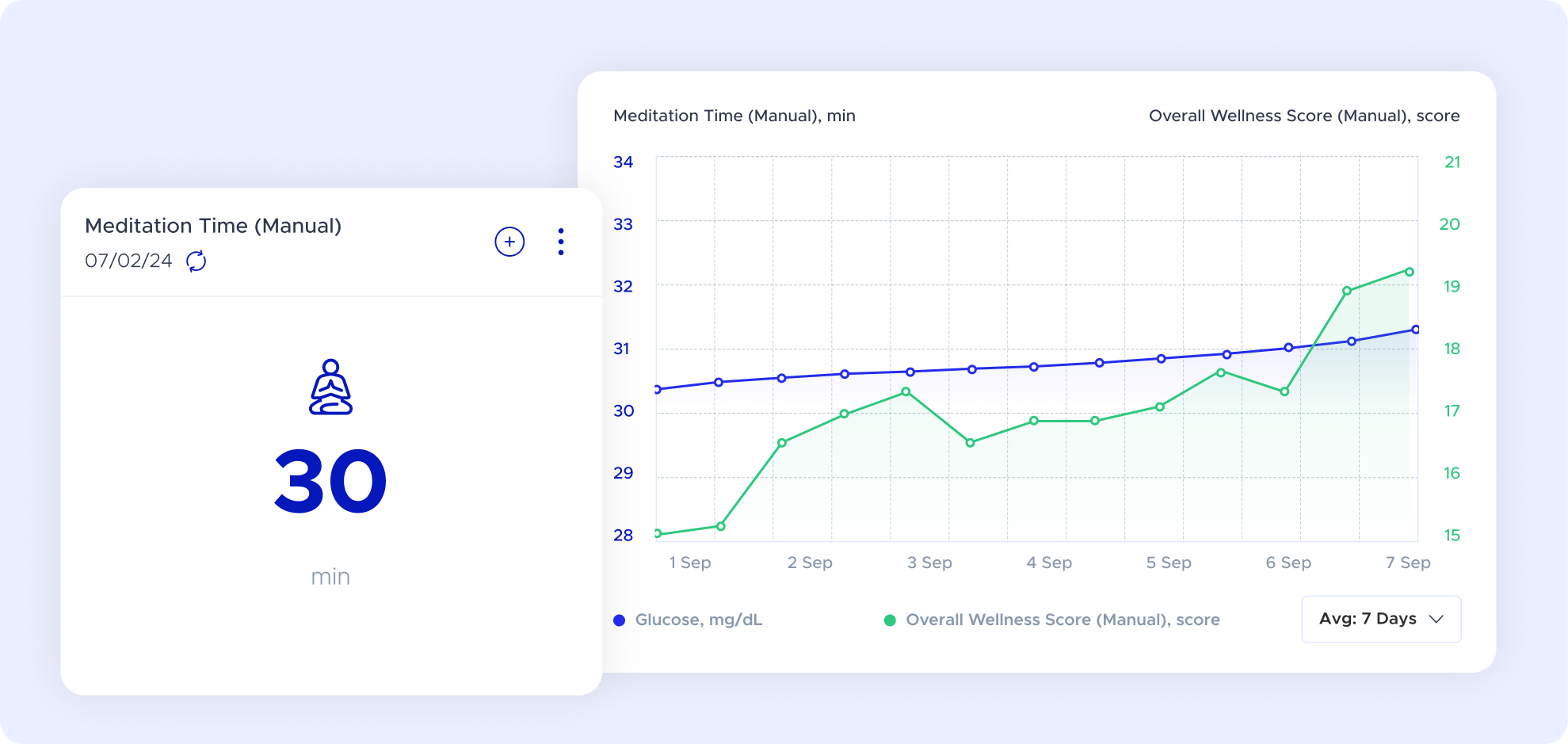
Clinical studies show that controlled breathwork can improve heart rate variability, reduce stress markers, and support recovery. These practices are low-cost, safe, and accessible to patients at nearly any stage of health. For practitioners, encouraging yoga and breathwork provides patients with tools to self-regulate stress and improve resilience in daily life.Meditation Yoga Stress

Psilocybin Microdosing: An Emerging Frontier

While still under regulatory review in many regions, psilocybin microdosing is gaining attention for its potential to support nervous system regulation. Early research suggests benefits for mood, anxiety, and neuroplasticity.

Sarah Glynn described how psilocybin may help counteract overstimulation from modern life, supporting groundedness and emotional connection. While not yet mainstream, this area is worth watching closely as clinical trials expand and therapeutic applications become more clearly defined.

Integrating Data and Tradition

For concierge, integrative, and functional medicine practitioners, the lesson is clear. Patient outcomes improve when we combine the precision of modern data with the wisdom of traditional practices.

  • CGM offers actionable, real-time insights.
  • Herbal interventions provide gentle, effective support during transitions.
  • Yoga and breathwork regulate stress and strengthen resilience.
  • Psychedelics represent an emerging therapeutic category with promising applications.

Health optimization is never static. What works today may need adjusting tomorrow. The role of the practitioner is to help patients adapt, evolve, and thrive with the right combination of science, tradition, and innovation.

Want to connect patient data with biohacking protocols?
Use Heads Up to bring it all together—in one place.

Frame 1000003751

Tracking Patient Health Data Has Never Been Easier!

Leverage The Power Of Heads Up in your Health Practice

Get started with by scheduling custom demo with one of our specialists to see the difference Heads Up can make in your practice. Schedule your demo and discovery call here.

Optimize Health & Longevity

Synchronize your clients’ medical records, labs, wearables, apps, and more into Heads Up for better outcomes. 
Sign Up now for a free starter account!
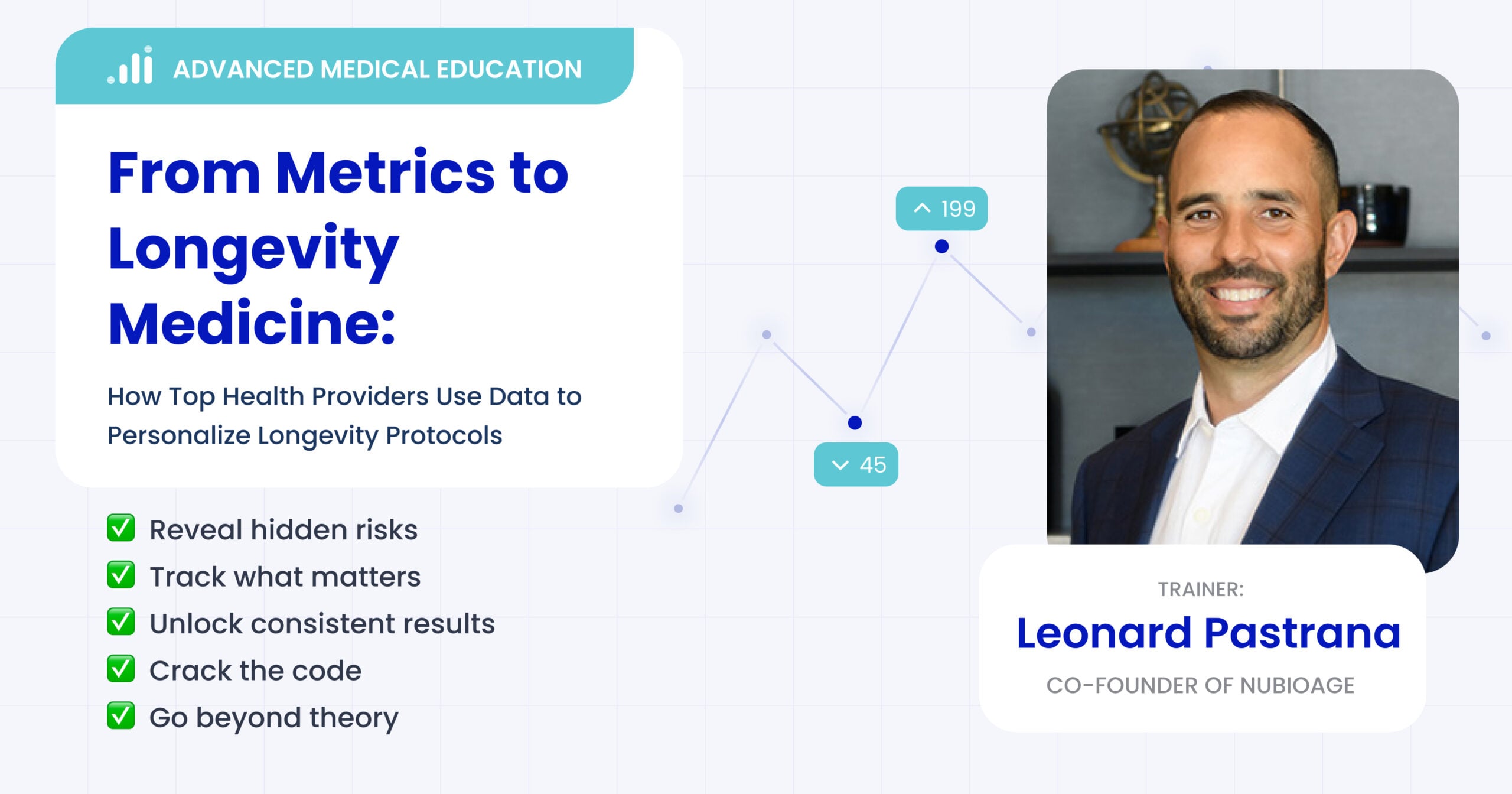
EHR vs. Health Data Analytics Platforms: How Cerbo, Elation, and Healthie EHR Users Can Transform Care with Heads Up Health

EHR vs. Health Data Analytics Platforms: How Cerbo, Elation, and Healthie EHR Users Can Transform Care with Heads Up Health

Introduction: The Gap in Modern Healthcare Data

Most practices rely on Electronic Health Record (EHR) systems such as Cerbo EHR, Elation EHR, or Healthie EHR to manage patient information, comply with regulations, and document care. But EHRs alone cannot deliver the real-time analytics, continuous monitoring, and patient engagement that today’s proactive, personalized care demands.

That’s where Heads Up comes in. Not to replace your EHR, but to amplify it!


What Is an EHR?

An EHR is the official digital version of a patient’s medical record, used for clinical, legal, and billing purposes.

Core Functions of EHR Systems

  • Store patient demographics, visit history, and medical conditions.

  • Document diagnoses, medications, allergies, and immunizations.

  • Manage orders for labs, prescriptions, and imaging.

  • Support insurance billing and coding.

  • Ensure HIPAA and ONC compliance.

Focus: Documentation, compliance, and continuity of care across providers.

Examples in Practice:

  • Cerbo EHR: Flexible for functional medicine, with supplement protocol tracking.

  • Elation EHR: Streamlined charting for primary care and concierge medicine.

  • Healthie EHR: Telehealth friendly for nutrition, wellness, and lifestyle programs.


What Is a Health Data Analytics Platform?

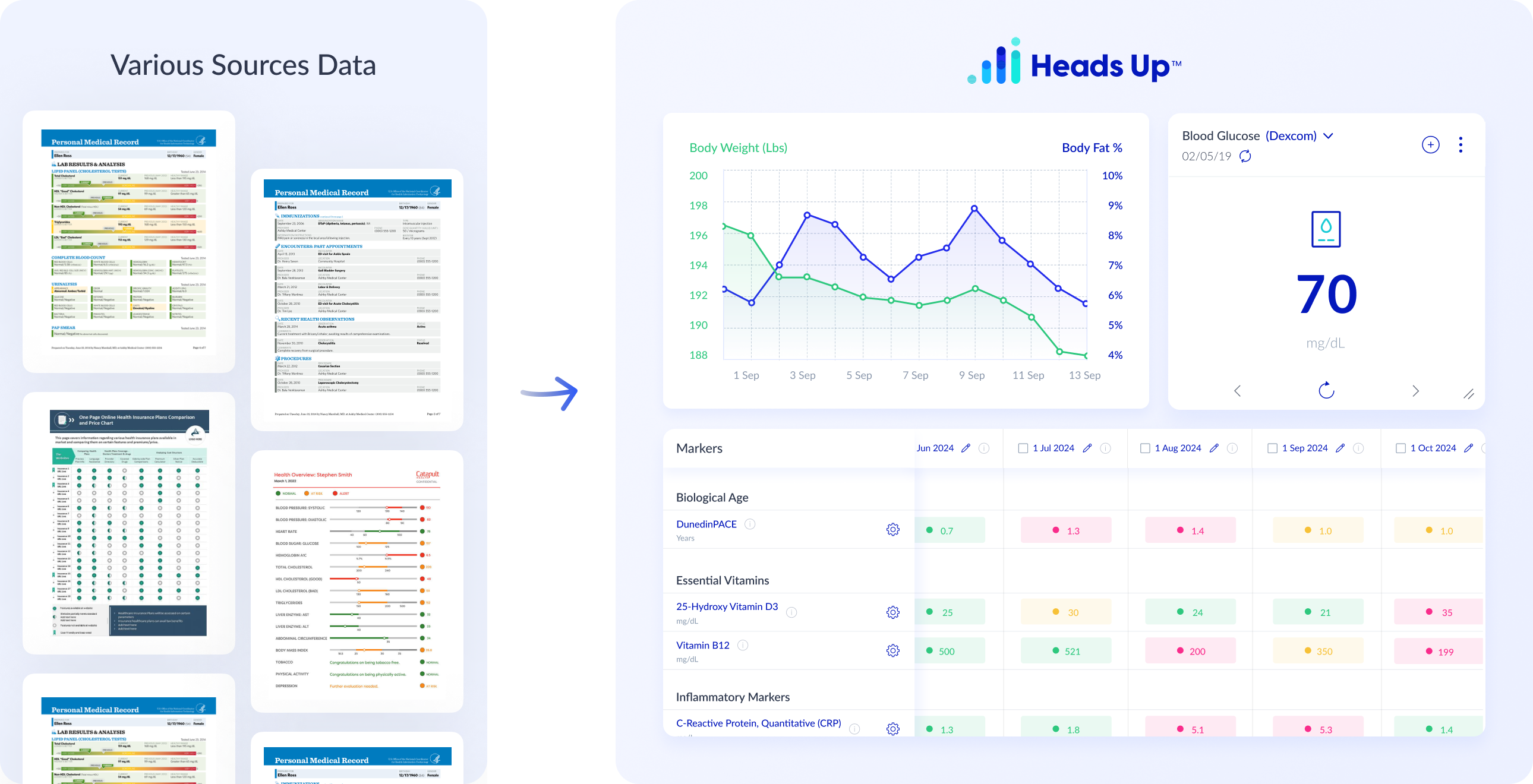
A health data analytics platform like Heads Up Health is designed to aggregate, analyze, and visualize health metrics from multiple sources including EHRs, wearables, labs, and at-home devices, to provide actionable insights for personalized, proactive care.

Core Functions of Health Data Analytics

  • Pull data from multiple sources like: EHRs, wearables, connected devices, labs, and apps.

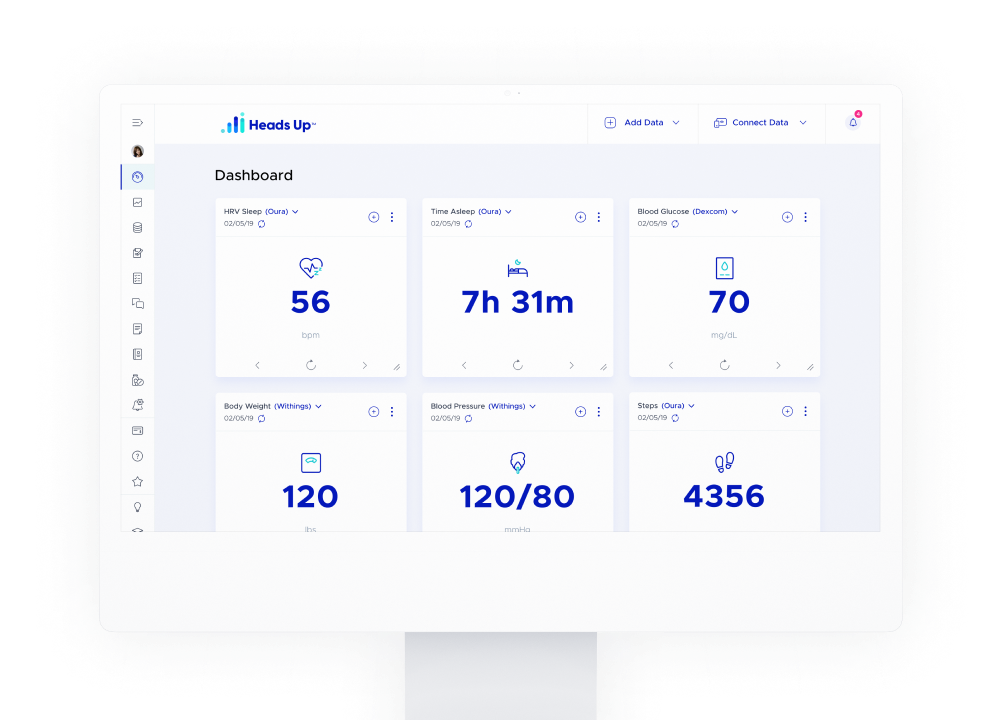
  • Provide real-time dashboards and longitudinal trend analysis like glucose, HRV, sleep, weight, and lab trends

  • Generate alerts for early intervention.

  • Track outcomes and validate program success.

  • Patient-facing dashboards for engagement and self-management

Focus: Turning raw data into actionable insights for personalization, prevention, and optimization of care.

Example use cases: Remote patient monitoring, longevity tracking, validating treatment effectiveness, integrating lifestyle and clinical metrics.


EHR vs Health Data Analytics: A Side-by-Side Comparison

Feature / Function EHR (Cerbo, Elation, Healthie) Heads Up Health
Purpose Manage official medical record Transform data into actionable clinical insights
Data Sources Provider-entered + ordered labs EHR, wearables, devices, labs, manual entry
Time Horizon Episodic (visit-based) Continuous (real-time & longitudinal)
Analytics Basic reports Advanced analytics & trend tracking
Patient Engagement Basic portal Interactive dashboards & goal tracking
Compliance High HIPAA-compliant

Why EHRs Alone Are Not Enough

While Cerbo EHR, Elation EHR, and Healthie EHR are excellent for record-keeping, they are not designed for:

  • Continuous data collection between visits

  • Real-time risk alerts

  • Wearable + lifestyle metric integration

  • Cohort-based outcomes validation

Without these, clinics risk reactive care models and missed opportunities for early intervention.


How Heads Up Health Integrates with Cerbo, Elation, and Healthie EHR

With Cerbo EHR

Automatically syncs labs, protocols, and visit notes while overlaying continuous wearable and lifestyle data.

With Elation EHR

Enhances concierge medicine workflows by providing real-time dashboards for patient engagement and risk monitoring.

With Healthie EHR

Pairs telehealth nutrition consults with continuous glucose monitoring and HRV data for instant dietary and lifestyle adjustments.


What’s the Delta?

  • An EHR is like the patient’s official “medical filing cabinet” secure, standardized, and used for day-to-day recordkeeping and compliance.

  • Heads Up Health is like the “mission control center” pulling in data from everywhere, making it visual and actionable, and enabling proactive, data-driven decision-making that most EHRs aren’t built to do.


Real-World Outcomes from Combining EHR + Analytics

Clinics using both an EHR and Health Data Analytics report:

  • 30%+ boost in treatment adherence

  • Fewer emergency visits from early detection alerts

  • Higher patient satisfaction through personalized care

  • Expanded service lines like remote patient monitoring and longevity programs


The Future: EHR + Analytics as the Gold Standard

The future of modern medicine is hybrid:

  • EHRs = the compliant, legal system of record.

  • Analytics platforms = the intelligence layer for precision care.

Combining Cerbo EHR, Elation EHR, or Healthie EHR with Heads Up Health allows clinics to move beyond reactive record-keeping to outcome-driven, proactive healthcare.


Conclusion & Call to Action

If your practice is ready to integrate real-time analytics, continuous monitoring, and outcome validation with your existing EHR, Heads Up Health is your next step.

Schedule a demo today to see how our platform works alongside Cerbo, Elation, and Healthie EHR to elevate patient care and profitability.


Heads Up provides a system to integrate all of the different data that you need to really deliver practice-based outcomes…

Dr. Brad Jacobs

BlueWave Medicine

Tracking Patient Health Data Has Never Been Easier!

Leverage The Power Of Heads Up in your Health Practice

Get started with by scheduling custom demo with one of our specialists to see the difference Heads Up can make in your practice. Schedule your demo and discovery call here.

Optimize Health & Longevity

Synchronize your clients’ medical records, labs, wearables, apps, and more into Heads Up for better outcomes. 
Sign Up now for a free starter account!