3 Biohacks Your Patients Can Use Every Day: Insights from Longevity Coach Natalia Naila

3 Biohacks Your Patients Can Use Every Day: Insights from Longevity Coach Natalia Naila

3 Biohacks Your Patients Can Use Every Day: Insights from Longevity Coach Natalia Naila

“Aging isn’t something to fear—it’s something you can optimize.”

Natalia Naila

Wellness Coach & Longevity Expert

Overview

How do we help patients shift from managing decline to maximizing vitality?

At Heads Up Health, we believe the future of wellness is deeply personal, data-driven, and proactive. That’s why we sat down with Natalia Naila, a sought-after longevity coach and wellness expert, to discuss the top 3 everyday biohacks she uses with her own clients.

These aren’t fringe ideas or celebrity fads. They’re research-backed practices you can recommend confidently—whether you’re in functional medicine, integrative health, or building a progressive wellness program.

Here’s a breakdown of her top strategies and how they can be applied in your clinical or coaching practice.

1. Peptides: Small Molecules, Big Results

What they are: Short chains of amino acids that regulate a wide range of biological functions—many with regenerative and anti-aging benefits.

Why it matters:

Natalia uses specific peptides to support fat loss, improve energy, enhance recovery, and promote radiant skin—all while reducing the inflammatory burden that accelerates aging.

Key Recommendations:

  • GLP-1 agonists (e.g. Tirzepatide): Used in microdoses to regulate blood sugar and appetite.
  • CJC-1295 + Ipamorelin: Stimulates natural growth hormone release without unwanted hormonal side effects.
  • GHK-Cu (Copper Peptides): Enhances collagen production and skin elasticity.
  • BPC-157 & TB-500: Promote soft tissue repair, gut healing, and systemic recovery.
  • Epitalon: A telomerase activator taken in short cycles for potential telomere support and longevity.

Clinical Insight:

These peptides should be introduced strategically, often in phased cycles with appropriate testing and practitioner oversight. For patients seeking improved body composition, faster recovery, or anti-aging results, peptides are emerging as a safe, effective option when used correctly.

2. Microbiome Testing: Gut Health as a Biomarker of Aging

What it is: Comprehensive testing of the gut microbiome to assess microbial diversity, inflammation markers, pathogenic overgrowth, and metabolite production.

Why it matters:
Natalia emphasizes the gut as the “first line of glow”—and the root of most dysfunction. From skin conditions to cognitive fog to autoimmune flares, the gut is involved. She recommends annual microbiome testing for all clients over 30.

How to implement this with patients:

  • Pair gut testing with symptom-specific dashboards in Heads Up (e.g. tracking GI markers, food logs, or inflammatory biomarkers).
  • Use comparative testing over time to assess intervention impact.
  • Collaborate with a gut health specialist if you’re not reading the tests yourself.

Pro tip: Integrate gut test data with lifestyle inputs like sleep, fasting, and HRV for a truly holistic patient view.

3. Topical Skincare, Scientifically Aligned

What it is: A skincare stack designed to complement internal health efforts—targeting oxidative stress, collagen breakdown, and barrier repair.

Why it matters:

While many patients invest in skincare products, they often miss biologically aligned ingredients that make a measurable difference.

Natalia’s go-to products include:

  • Vitamin C and Glutathione serums: Antioxidant support for visible skin quality.
  • Copper peptides + time-released retinol: For skin cell turnover without irritation.
  • Tallow-based moisturizers: Ideal for dry skin types seeking a natural vitamin A source.

Your opportunity as a practitioner:

Educate patients on topical interventions that support internal healing. When paired with gut protocols or peptide therapy, this creates a powerful synergy for skin health and confidence.

Bringing It All Together: Why These Biohacks Matter

Natalia’s 3-part approach reflects the evolving priorities of health-conscious clients:
✅ Proactive wellness over reactive treatment
✅ Functional beauty rooted in biology
✅ Sustainable habits over quick fixes

At Heads Up Health, we help practitioners turn these insights into action with tools that centralize data, track protocols, and demonstrate results.

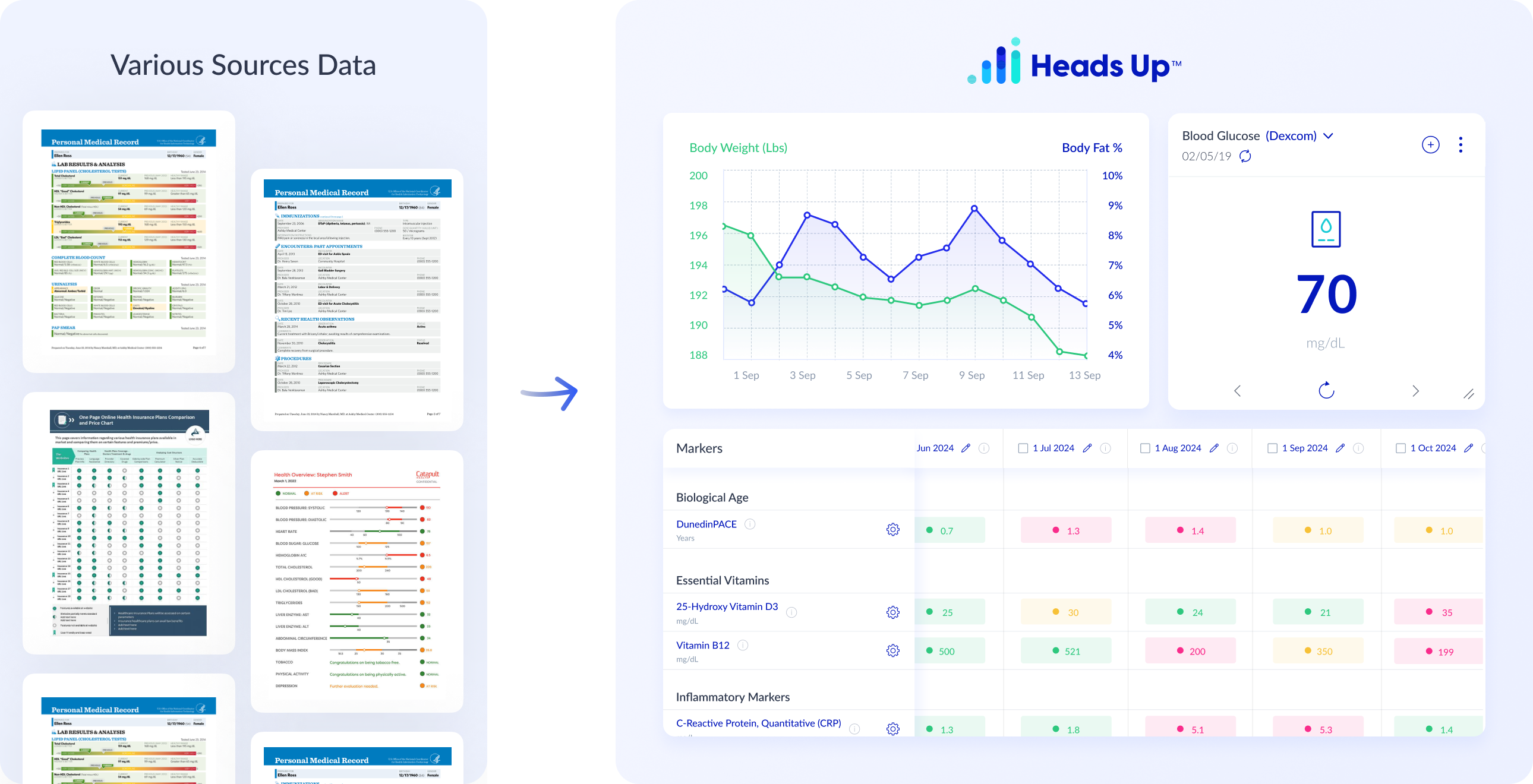
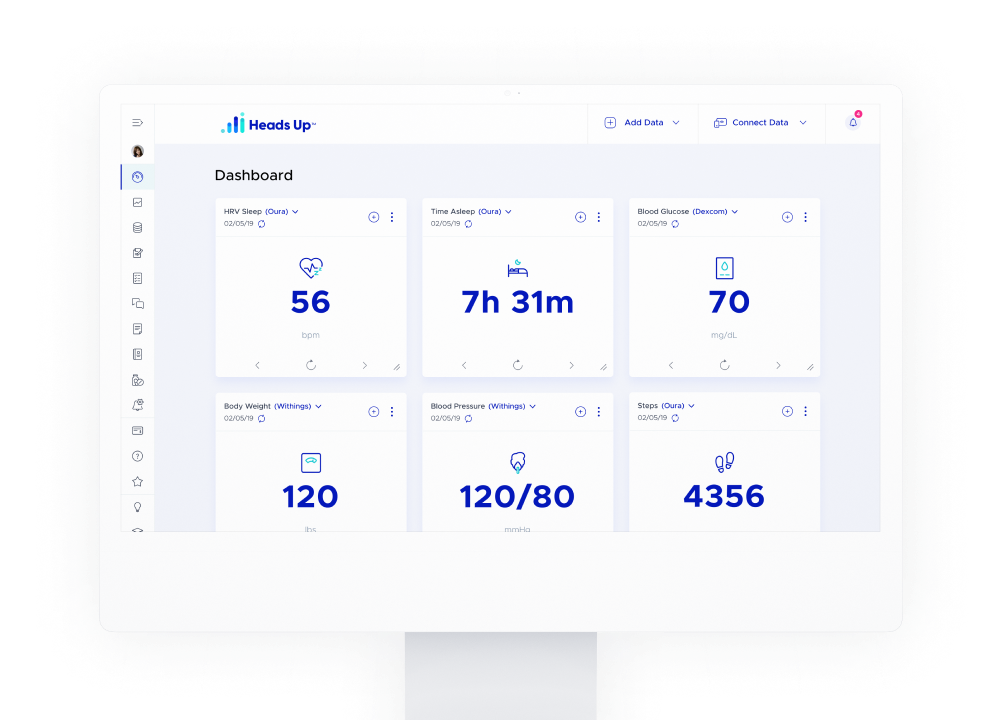
Dashboard 01

Whether you’re guiding a 40-something patient through a skin and weight plateau, or helping a biohacking enthusiast personalize their peptide stack—this is your opportunity to offer cutting-edge care backed by real metrics.

Watch the Full Conversation with Natalia Naila

We dive deeper into protocols, product picks, and what Natalia sees working best with real clients in 2025.

Want to connect patient data with biohacking protocols?
Use Heads Up to bring it all together—in one place.

Frame 1000003751

Tracking Patient Health Data Has Never Been Easier!

Leverage The Power Of Heads Up in your Health Practice

Get started with by scheduling custom demo with one of our specialists to see the difference Heads Up can make in your practice. Schedule your demo and discovery call here.
Optimize Health & Longevity

Synchronize your clients’ medical records, labs, wearables, apps, and more into Heads Up for better outcomes. 
Sign Up now for a free starter account!

Fast. Breathe. Move. Track: How Nathalie Niddam’s 4 Pillars of Foundational Health Are Reshaping the Wellness Conversation

Fast. Breathe. Move. Track: How Nathalie Niddam’s 4 Pillars of Foundational Health Are Reshaping the Wellness Conversation

Fast. Breathe. Move. Track: How Nathalie Niddam’s 4 Pillars of Foundational Health Are Reshaping the Wellness Conversation

Overview

What if your patients didn’t need more protocols—but fewer, better habits?

In this concise and powerful interview, Nathalie Niddam, certified health coach and host of the Longevity Podcast with Nathalie Niddam, shares the four foundational practices she believes every person—regardless of age, diagnosis, or fitness level—should have in place.

Her message is simple but transformative: foundational health isn’t about intensity. It’s about consistency. And when supported by data, these small daily actions can create powerful shifts in energy, resilience, and long-term health.

Why This Matters for Health Professionals

As practitioners, we often see patients overwhelmed by conflicting advice, supplement fatigue, and an ever-growing list of “shoulds.” Nathalie’s approach cuts through the noise with strategies that are:

  • Easy to implement
  • Scientifically grounded
  • Adaptable to a wide range of lifestyles and conditions

These four pillars—fasting, nervous system regulation, movement, and tracking—aren’t just wellness trends. They’re systems-level levers that empower patients to participate actively in their care.

When applied consistently and supported by real-time health data, they can improve:

✔️ Metabolic flexibility
✔️ Emotional regulation
✔️ Cardiovascular and mitochondrial health
✔️ Compliance with long-term health goals

The Four Pillars of Foundational Health

1. Fasting (Start With What’s Doable)

“It doesn’t have to be a 3-day fast. Even 12 hours is enough to trigger meaningful change.”

Nathalie Niddam

Longevity Educator

Short, structured fasts can activate autophagy, improve insulin sensitivity, and reduce inflammation. For many patients, the key isn’t duration—it’s sustainability.

Use this as a gentle entry point into metabolic health. Patients can gradually progress from a 12-hour fast (dinner to breakfast) to longer windows like 16:8 or 24-hour resets—tailored to their goals and data.


2. Downregulate the Nervous System

“Most people are stuck in fight-or-flight. But shifting to parasympathetic mode can start with just a few mindful breaths.”

Nathalie Niddam

Longevity Educator

Chronic stress impairs recovery, hormone balance, digestion, and sleep. Tools like breathwork, somatic tracking, and tech-assisted devices (e.g., Sensate, BrainTap, Apollo Neuro) can help retrain the nervous system toward rest-and-repair.

Even low-effort interventions—such as guided breathwork at a desk—have measurable impacts on HRV and emotional resilience.


3. Move Often, Not Just Harder

“Movement isn’t about the gym. It’s about frequency.”

Nathalie Niddam

Longevity Educator

Sedentary behavior is a silent disruptor of metabolic health. Nathalie encourages micro-movements throughout the day:

  • Bounce for 30 seconds
  • Do air squats
  • Walk the hallway or take the dog around the block

Small, regular activity resets lymphatic flow, improves insulin sensitivity, and supports brain health—especially for desk-based patients or those with chronic fatigue.


4. Track What Matters

“Without data, you’re just guessing.”

Nathalie Niddam

Longevity Educator

From wearables to home testing kits, today’s patients have more access to real-time health data than ever before. The opportunity? Help them connect the dots.

Tracking labs, glucose, HRV, sleep, and fasting windows empowers patients to understand how behaviors impact their biology. This reinforces compliance and helps personalize care plans based on real trends—not general assumptions.

A New Framework for Patient Empowerment

What makes Nathalie’s approach especially powerful is its accessibility. These aren’t elite biohacks reserved for the high-performance crowd. They’re foundational systems that help patients of all backgrounds move from reactive to proactive health.

Each habit is a starting point, not a finish line. And when combined, they create a framework that supports every other intervention—whether you’re optimizing hormones, reducing inflammation, or preparing a patient for regenerative therapy.

What This Means for Your Practice

  • Simplify complexity. Use these four pillars to anchor client behavior change and reduce overwhelm.
  • Personalize with data. Encourage patients to track metrics and observe real-time cause and effect.
  • Empower self-efficacy. Foster habits that patients can build independently—without feeling like they’re “failing” health.

At Heads Up Health, we believe personalized, data-driven care starts with foundational alignment. Nathalie Niddam’s framework is a timely reminder that sometimes, the best medicine is what’s already within reach.

Want to help your patients reclaim their energy, focus, and longevity?

It starts here.
It starts simple.
It starts with the foundations.

Tracking Patient Health Data Has Never Been Easier!

Leverage The Power Of Heads Up in your Health Practice

Get started with by scheduling custom demo with one of our specialists to see the difference Heads Up can make in your practice. Schedule your demo and discovery call here.

Optimize Health & Longevity

Synchronize your clients’ medical records, labs, wearables, apps, and more into Heads Up for better outcomes. 
Sign Up now for a free starter account!

“Show Me The Data!” How Real-Time Health Data is Revolutionizing Longevity & Biohacking.

“Show Me The Data!” How Real-Time Health Data is Revolutionizing Longevity & Biohacking.

We can make micro-calibrations every day. We can test, retest, and experiment every single day. We can make changes, figure out what works, and just keep stacking them up. That’s the most exciting part of Biohacking!

Dave Korsunsky

CEO Heads Up

Discover how real-time health data is changing healthcare.

What if you could wake up each day with the tools to steer your health with pinpoint precision?

Now, imagine unlocking your body’s full potential by harnessing the power of real-time data: measuring, tweaking, and optimizing every facet of your well-being.

In today’s fast-paced, information-rich world, optimizing your health isn’t a guessing game; it’s a data-driven strategy. David Korsunsky, founder of Heads Up, delivers a powerful message in his presentation “Show Me The Data!Revealing how cutting-edge technology empowers you to do exactly that!

This isn’t about getting by, it’s about leveling up, living longer, and feeling stronger with every decision you make.

From Systems Engineering to Biohacking

Korsunsky applies his background in optimizing high-performance IT systems to human health. Just like servers, our bodies need monitoring, fine-tuning, and optimization. This vision powers the creation of Heads Up Health—a platform built to centralize, analyze, and elevate your personal health data.

Daily Data Creates Daily Wins

The old model of annual checkups and sporadic lab work doesn’t cut it anymore. Wearables and continuous monitors offer daily health insights, giving you the power to make micro-adjustments in real time.

You don’t need to wait months to find out if a diet, supplement, or exercise program works. With tools like the Oura Ring, Dexcom CGMs, and Apple Watch, you track your progress every day. This real-time feedback turns biohacking into a personalized, results-driven experience.

The Five Biomarkers That Matter Most

There are thousands of metrics you can track, but Korsunsky focuses on five biomarkers that consistently deliver the biggest impact:

1. Heart Rate Variability (HRV)

HRV reflects the balance between your sympathetic and parasympathetic nervous systems. A higher HRV signals better stress resilience, cardiovascular health, and recovery.

Research in Frontiers in Public Health shows that higher HRV links to reduced mortality and lower risk of chronic diseases [1].

Korsunsky uses HRV daily to adjust training loads and manage stress. Since HRV is highly individualized, the goal is to improve your personal baseline—not chase someone else’s numbers.

2. Blood Glucose Levels

Stable blood sugar drives energy, sleep, hormone balance, and fat metabolism. Tools like the Dexcom Stelo let you see how food and habits affect your glucose in real time.

The CDC links poor glucose control to insulin resistance, type 2 diabetes, and cardiovascular disease [2]. Korsunsky encourages using CGMs to spot trends, correct spikes, and take control of your metabolic health.

3. Sleep Quality

Sleep fuels everything from recovery to mental clarity. Korsunsky treats it as a skill, not a given. Tools like Oura Rings reveal your sleep efficiency, heart rate trends, and more.

The Sleep Foundation highlights that consistent quality sleep boosts immune health, emotional regulation, and cognitive performance [3].

4. VO2 Max

VO2 Max measures how much oxygen your body uses during exercise. It’s a top predictor of cardiovascular endurance and long-term survival. A JAMA study shows higher VO2 Max significantly reduces mortality [4].

You can track VO2 Max with wearables or formal treadmill tests. Korsunsky recommends aiming for the fitness level of someone 10-20 years younger—and monitoring progress with every workout.

5. Muscle Mass

Muscle mass signals strength, hormone health, and resilience. Building muscle means you’re eating right, sleeping well, and training effectively.

NIH research shows that older adults with more muscle mass enjoy better mobility, metabolism, and cognitive performance [5]. Korsunsky uses DEXA scans and validated scales to track gains.

Mental Health & Breathwork: The Missing Links

Korsunsky reminds us: data isn’t just physical. Emotional health matters. Practices like breathwork and mindfulness boost HRV, improve sleep, and enhance your overall well-being.

Neuroscience backs this up. Controlled breathing helps reduce anxiety by stimulating the vagus nerve, improving focus and calm [6].

Play With Data: Make It Fun, Not Fearful

Korsunsky brings a light-hearted approach to data. Don’t stress over every number. Treat your dashboard as a sandbox for self-experimentation. Try a new routine, track your response, and adapt. That’s the essence of empowered health.

The Future of Health is Personalized

With the right data, you move beyond average. You aim for optimal. Whether you’re recovering from illness or striving for peak performance, daily data fuels continuous improvement.

Heads Up Health gives you the tools. 

Health Professionals

Want deeper insights into your patients’ health and lifestyle data?

Learn how Heads Up can help provide you the data to validate your patients’ health outcomes. Schedule a discovery call. 


Sources:

  1. Frontiers in Public Health. (2019). Heart Rate Variability and Health Outcomes. https://www.ncbi.nlm.nih.gov/pmc/articles/PMC6597786/
  2. CDC. (2021). Risk Factors for Type 2 Diabetes. https://www.cdc.gov/diabetes/basics/risk-factors.html
  3. Sleep Foundation. Why Do We Need Sleep? https://www.sleepfoundation.org/how-sleep-works/why-do-we-need-sleep
  4. JAMA Network. (2018). Association of Cardiorespiratory Fitness With Long-Term Mortality. https://jamanetwork.com/journals/jama/fullarticle/2713846
  5. National Institutes of Health. (2017). Skeletal Muscle and Aging. https://www.ncbi.nlm.nih.gov/pmc/articles/PMC5632791/
  6. Frontiers in Psychology. (2017). Effects of Controlled Breathing on Anxiety. https://www.frontiersin.org/articles/10.3389/fpsyg.2017.00874/full

Subscribe Below To Get Notified About Our Next Data-Driven Health & Medical Training

Leverage The Power Of Heads Up in your Health Practice

Get started with by scheduling custom demo with one of our specialists to see the difference Heads Up can make in your practice. Schedule your demo and discovery call here.

Tracking Patient Health Data Has Never Been Easier!

Frame 1

Optimize Health & Longevity

Synchronize your clients’ medical records, labs, wearables, apps, and more into Heads Up for better outcomes. 
Sign Up now for a free starter account!
Optimizing the Microbiome with AI: 3 Gut Health Insights Every Practitioner Needs to Know

Optimizing the Microbiome with AI: 3 Gut Health Insights Every Practitioner Needs to Know

Optimizing the Microbiome with AI: 3 Gut Health Insights Every Practitioner Needs to Know

Overview

In functional and integrative medicine, few frontiers are evolving faster—or generating more clinical relevance—than gut health. But while stool tests have become routine in many practices, they’re often underutilized. Most offer only static snapshots, leaving practitioners with the challenge of translating complex microbial data into meaningful interventions.

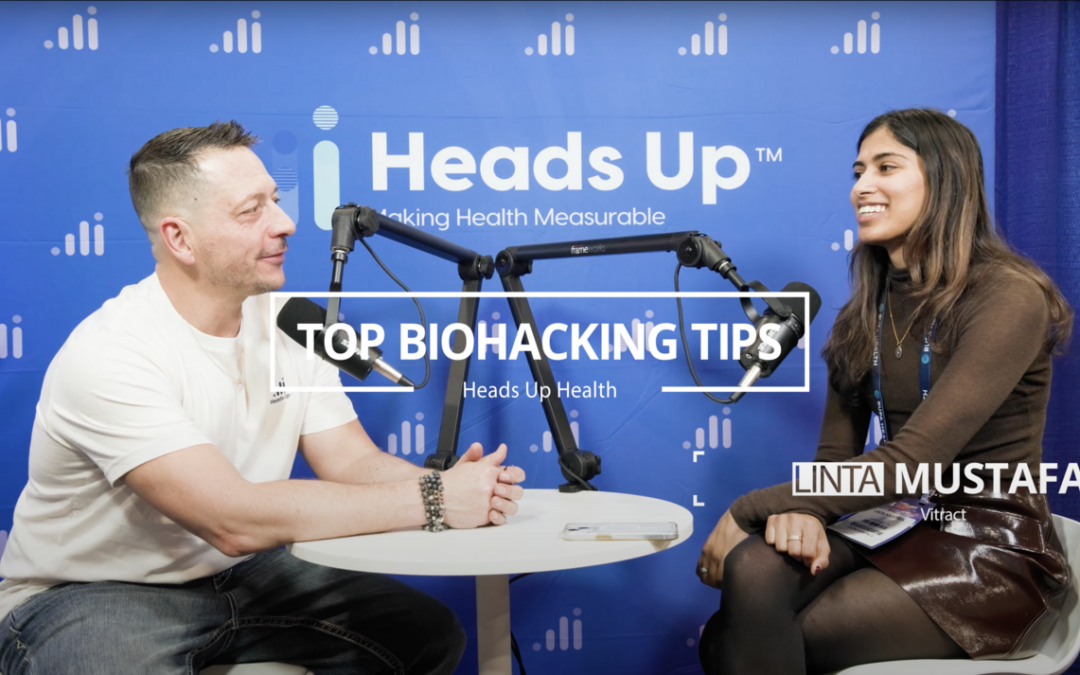
That’s why our latest interview with Linta Mustafa, CEO and Co-founder of [Vitract], is so important.

From Data to Direction: A Smarter Way to Test the Gut

Linta shares how Vitract is redefining the microbiome testing space by layering AI on top of dual stool analysis. This isn’t just about sequencing DNA—it’s about translating the explosion of gut health literature into clinically actionable insights.

Vitract’s AI engine interprets peer-reviewed research to help practitioners connect biomarkers to tailored treatment strategies—moving beyond detection and into directed modification of the microbiome.

“The next frontier in gut health isn’t discovering what’s there. It’s learning how to move the needle.”

Linta Mustafa

CEO and Co-founder of [Vitract]

The 3 Most Common Microbial Red Flags (And What to Do About Them)

Based on hundreds of analyzed tests, Linta highlights three consistent patterns that health professionals should look out for:

  1. Bacteroides Overgrowth 
    Often driven by high-protein diets (plant or animal), Bacteroides can dominate when left unchecked. It’s not about eradication—but rebalance.
  2. Akkermansia Deficiency 
    This keystone species plays a crucial role in GLP-1 activation, directly impacting blood glucose control. Linta notes most patients are critically low and unaware.
  3. H. pylori Overgrowth
    Frequently linked to broader gut dysbiosis and permeability (“leaky gut”), H. pylori highlights the terrain more than the trigger. Restoring gut integrity is key.

3 Proven Strategies to Help Patients Improve Their Microbiome

If you want your patients to get the most from their gut tests—and from your care—Linta recommends focusing on three core pillars:
 

  1. Test, Don’t Guess
    A microbiome profile offers unique visibility into metabolic, immune, and digestive function. Use it to personalize protocols.
  2. Track Over Time
    Gut health is dynamic. Encourage patients to retest every 3 months and track biomarker shifts alongside interventions.
  3. Master the Basics
    Remind patients that no supplement or wearable will outperform the basics: diverse diet, sleep, exercise, and sunlight.
“Before investing in the latest peptide, make sure the fundamentals are in place.”

Linta Mustafa

CEO and Co-founder of [Vitract]

Why This Matters for Your Practice

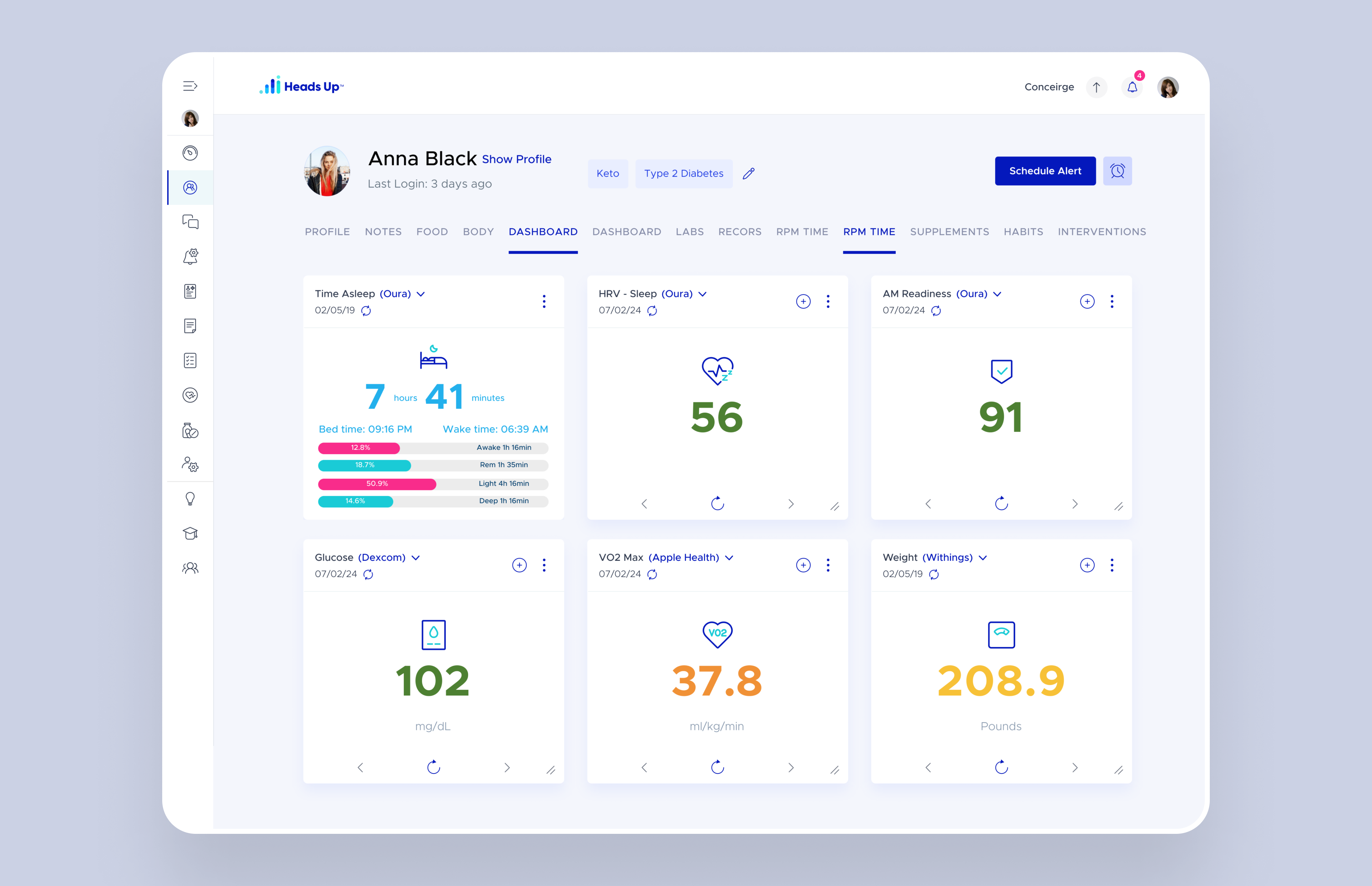
Patients want answers. Practitioners want tools. Vitract’s approach—combined with Heads Up’s real-time data dashboards—enables precision health at scale.

By integrating microbiome data with lifestyle tracking, we can empower both patients and practitioners to measure what matters and make evidence-informed decisions.

This isn’t just gut health—it’s systems biology in action.

Frame 1000003751

Tracking Patient Health Data Has Never Been Easier!

Leverage The Power Of Heads Up in your Health Practice

Get started with by scheduling custom demo with one of our specialists to see the difference Heads Up can make in your practice. Schedule your demo and discovery call here.

Optimize Health & Longevity

Synchronize your clients’ medical records, labs, wearables, apps, and more into Heads Up for better outcomes. 
Sign Up now for a free starter account!

Can You Hack Better Sleep When You Have Kids? I Tried.

Can You Hack Better Sleep When You Have Kids? I Tried.

Can You Hack Better Sleep When You Have Kids? I Tried.

Overview

With three little kids in the house, getting enough sleep isn’t really up to me. Some nights I’m lucky to make it through without being woken up once or twice. It’s not like I can just decide to sleep more. But I started wondering if I could make the most of the sleep I do get. Could I make it feel deeper, more restorative?

That’s what led me to try the Chilipad from Sleepme. It’s a temperature-controlled mattress pad that’s supposed to help you sleep better by keeping your body at the ideal temperature all night. To add to the benefits, my wife sleeps cold and I sleep warm, so it’s usually hard for us to find a good room and bed temperature for both of us. With the Chilipad “We”, we can set our own sides of the bed to our liking. I figured if I could try to get higher quality, more personalized sleep it would be worth it.

After about a week, I started to feel a difference. I wasn’t waking up as much. I’d open my eyes in the morning and realize I hadn’t stirred once. It felt like I was sleeping harder. Not in a groggy way—more like I was getting pulled into deeper sleep and staying there longer.
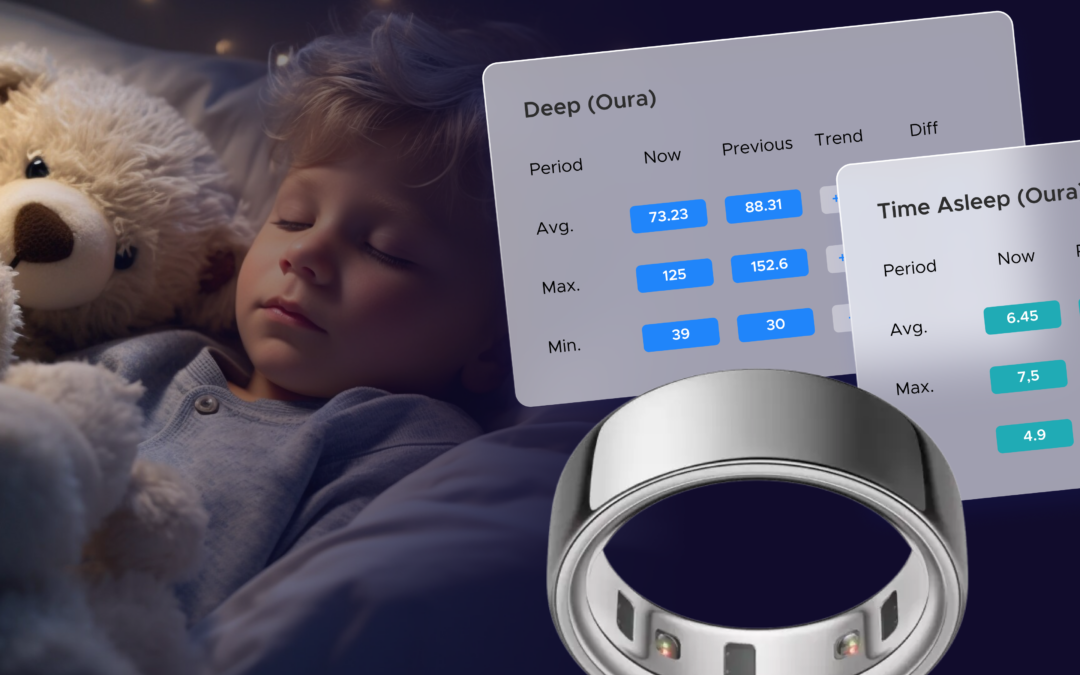
But I didn’t want to just rely on a gut feeling. I’ve been tracking my sleep with Oura for years, and since I also use Heads Up, I could bring in data from the Chilipad Sleep Tracker through Apple Health. Everything came together in one place, which meant I could actually look at the numbers.

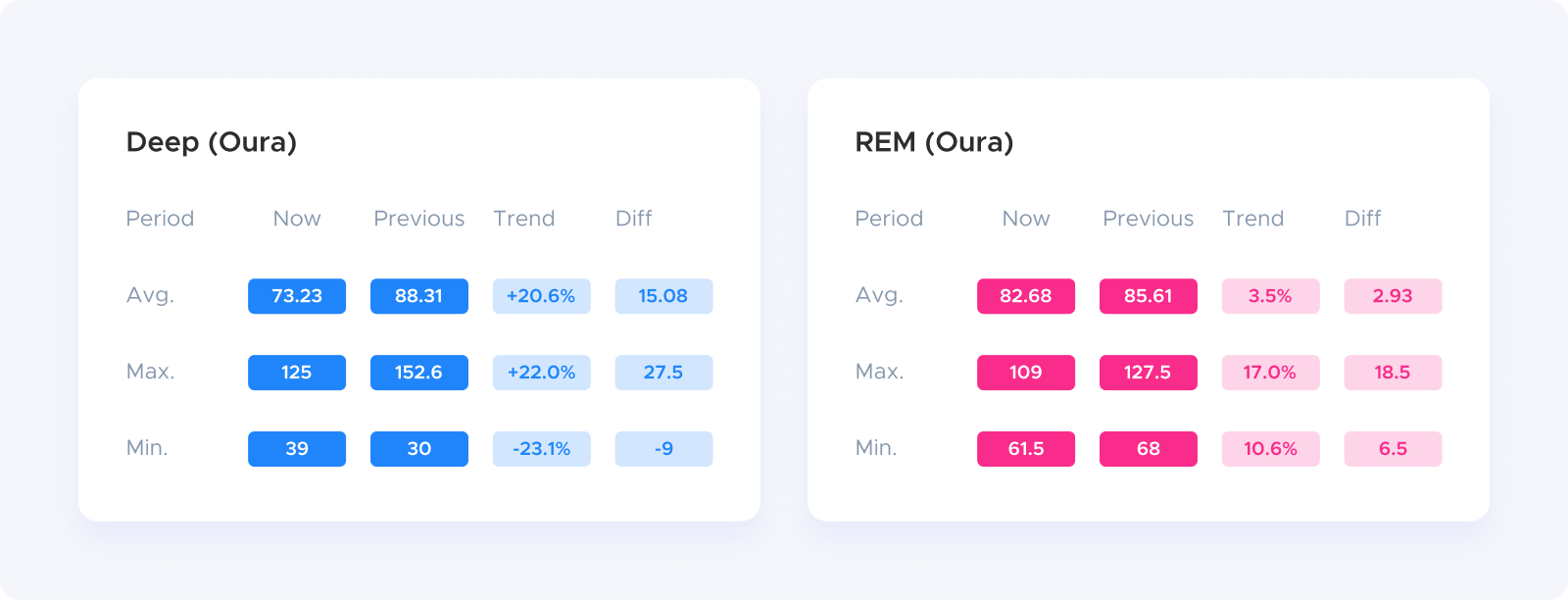
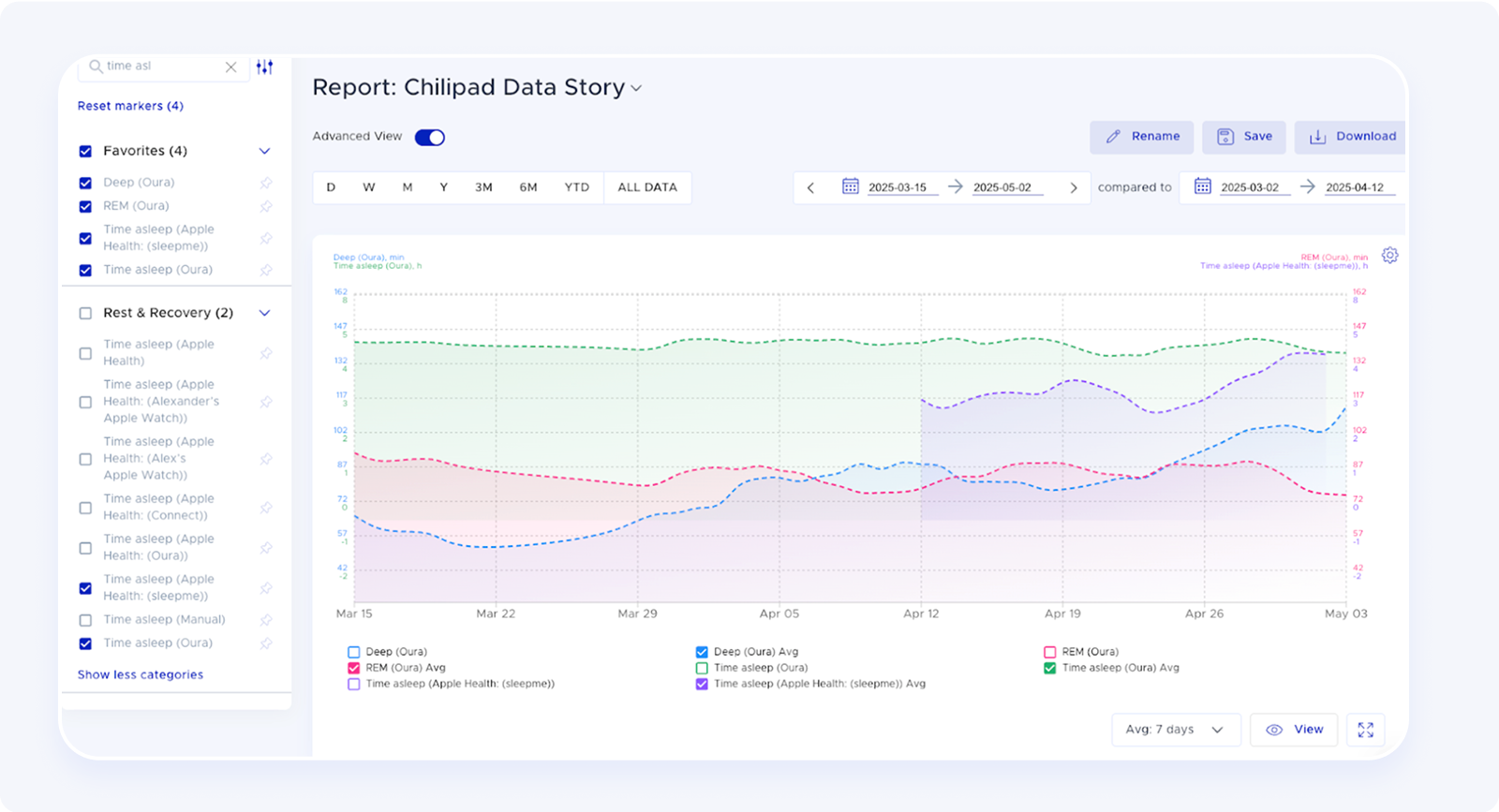
I used the Advanced View in Heads Up Reports to compare the six weeks before I started using the Chilipad to the three weeks after. Since I had consistent data from my Oura Ring during both periods, I could get a clean before-and-after look.

Here’s what the data showed:

  • Frame 2

    Deep sleep increased by more than 20 percent

  • Frame 2

    REM sleep also went up by about 3.5 percent

  • Frame 2

    Both types of restorative sleep improved at the same time!

Frame 2

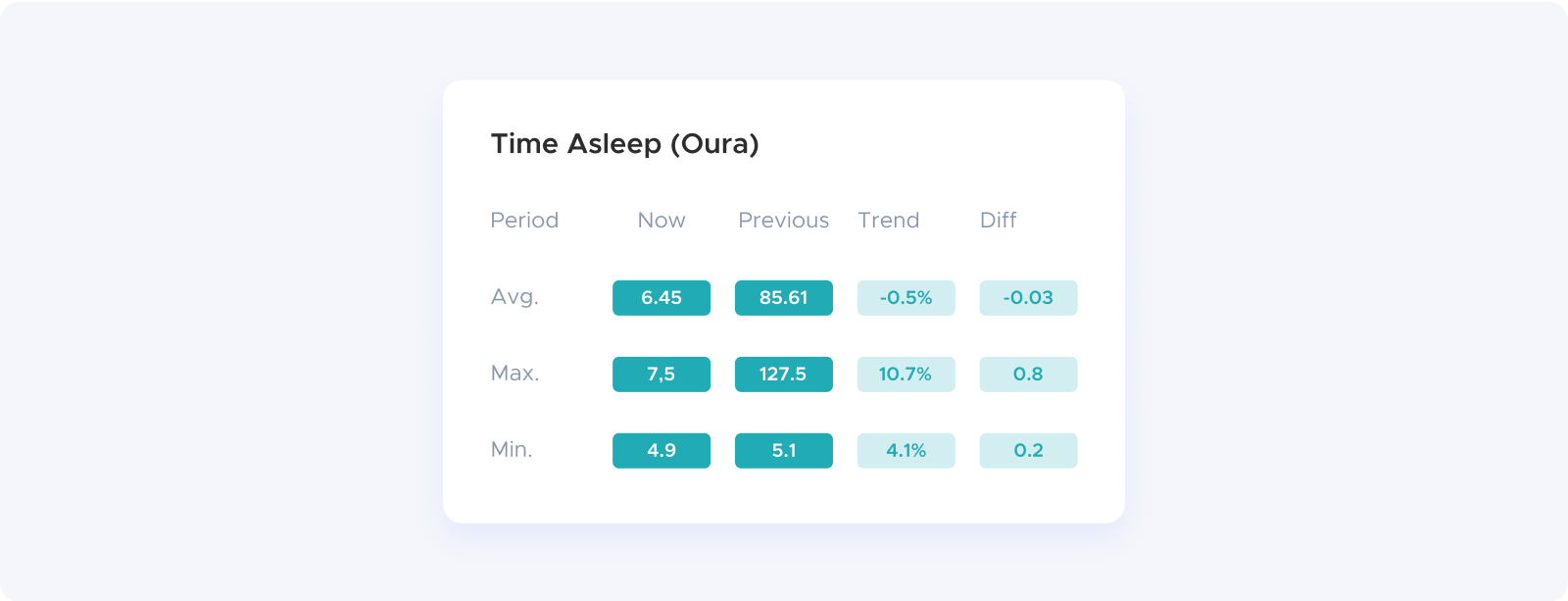
At first, I thought maybe I was just sleeping more overall. That would explain it, right? But when I checked, my total sleep time hadn’t changed at all. I’m still going to bed at the same time. Still getting woken up by the kids before six in the morning. On average, I’m sleeping about six and a half hours a night, just like before.

Frame 1000003489

That’s what made the numbers more meaningful. I wasn’t getting more sleep. I was getting better sleep. More of my limited time in bed was going toward the stuff that actually helps you recover.
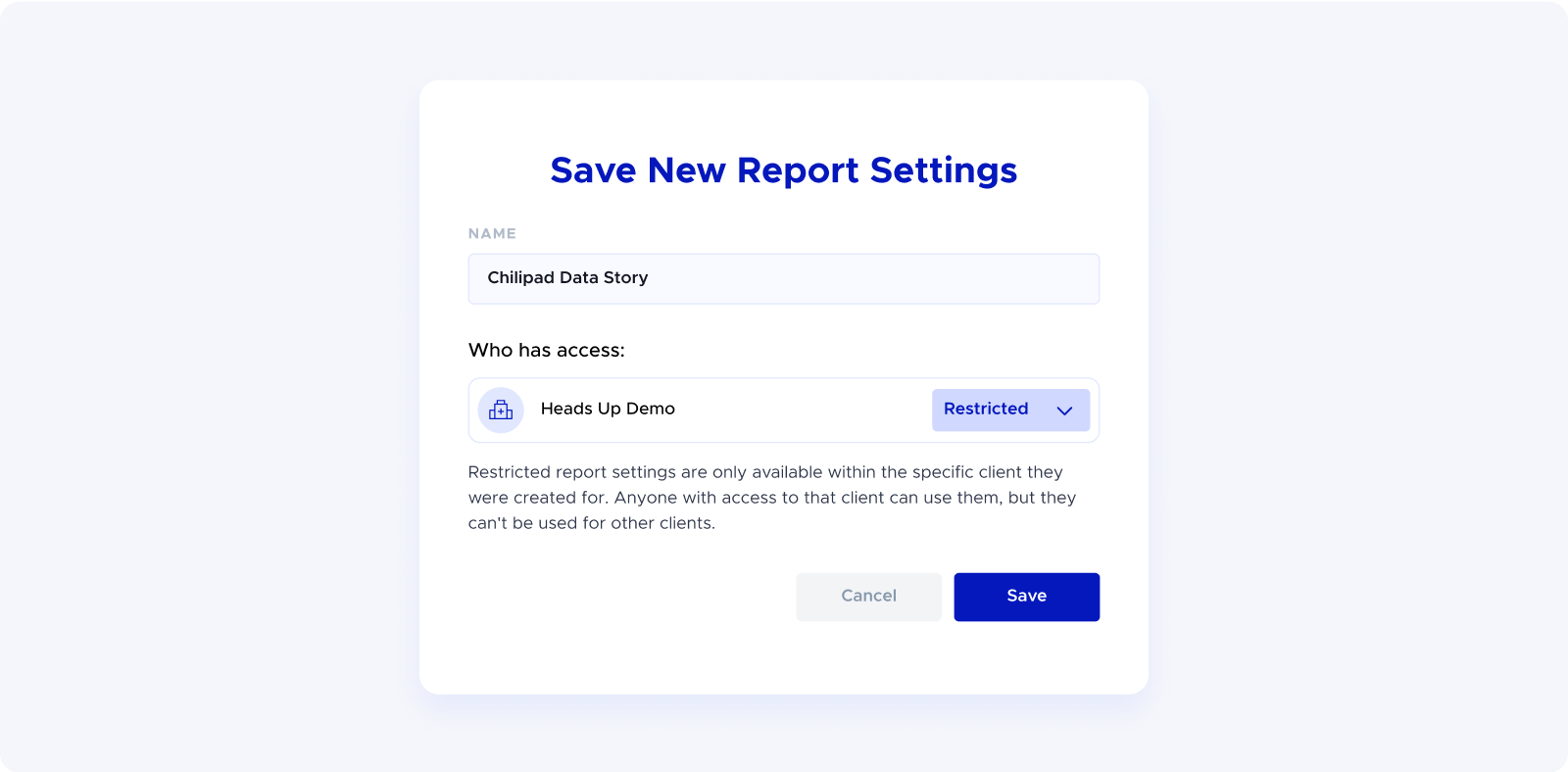
I saved the report in Heads Up so I could refer back to it later.

ав

Frame 1000003490

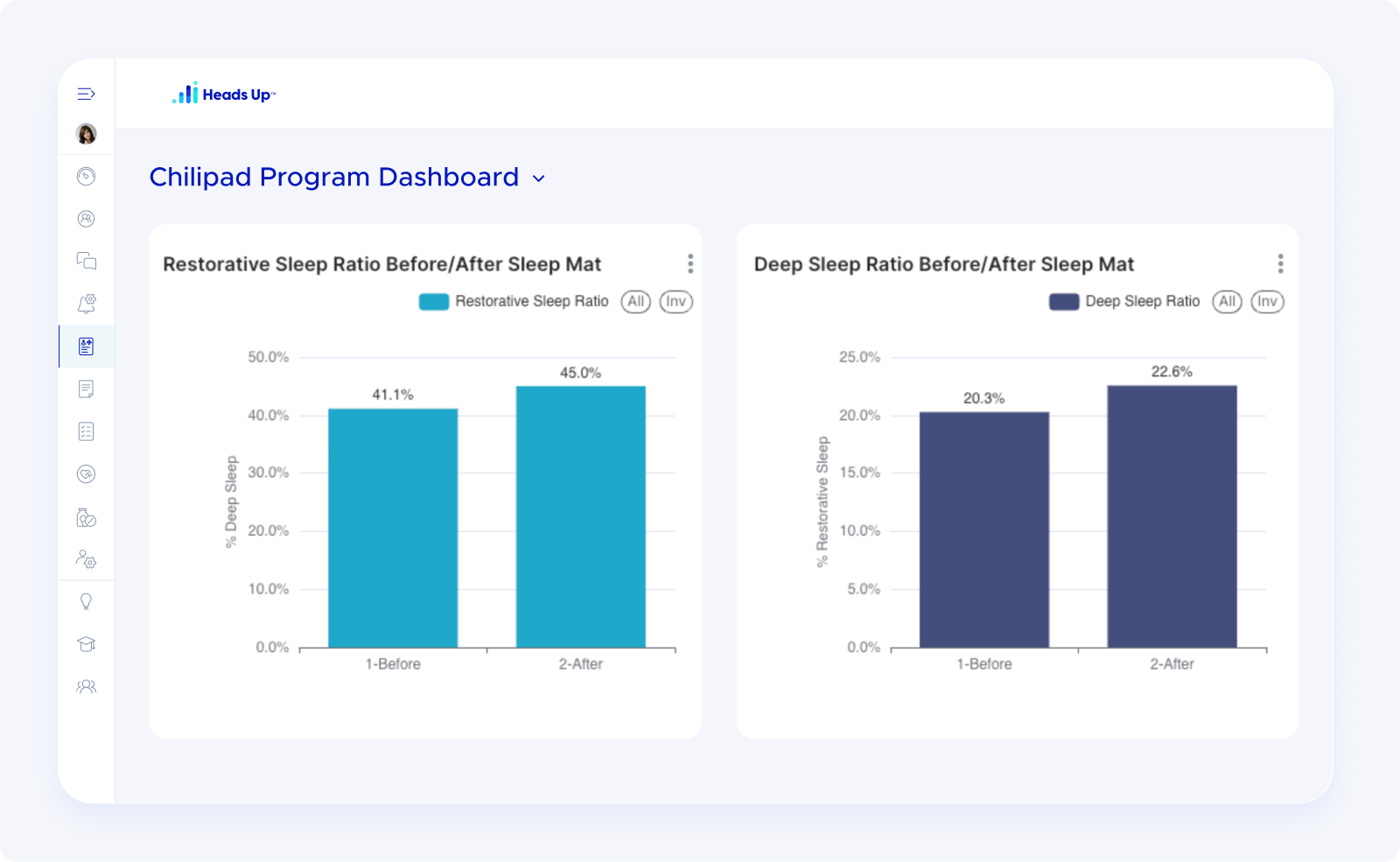
Now I’m thinking about trying this with a larger group. Heads Up makes that easy too. Using program management in Heads Up, we can track when someone starts using a sleep mat and create a dashboard that shows changes in sleep quality over time, either for individuals or across a group, using Signals.

Frame 1000003488If this holds true for other people, it could be a really compelling sleep improvement strategy for parents, shift workers, or anyone who can’t just add more hours to their night.
 

Tracking Patient Health Data Has Never Been Easier!

Leverage The Power Of Heads Up in your Health Practice

Get started with by scheduling custom demo with one of our specialists to see the difference Heads Up can make in your practice. Schedule your demo and discovery call here.

Optimize Health & Longevity

Synchronize your clients’ medical records, labs, wearables, apps, and more into Heads Up for better outcomes. 
Sign Up now for a free starter account!