No Results Found
The posts you requested could not be found. Try changing your module settings or create some new posts.
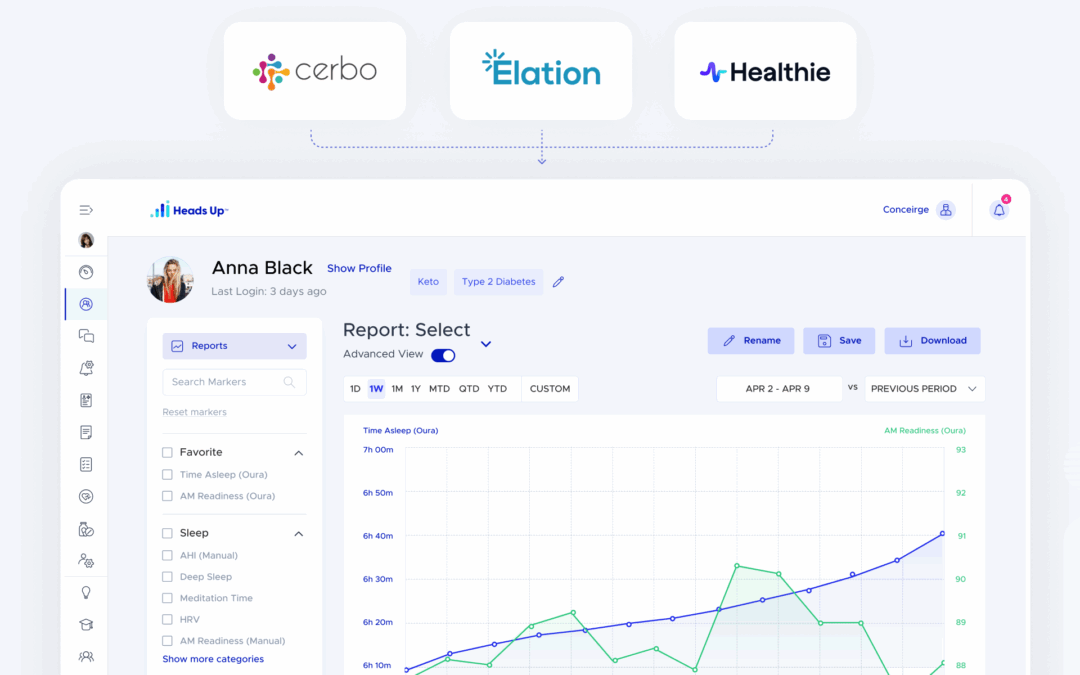
Most practices rely on Electronic Health Record (EHR) systems such as Cerbo EHR, Elation EHR, or Healthie EHR to manage patient information, comply with regulations, and document care. But EHRs alone cannot deliver the real-time analytics, continuous monitoring, and patient engagement that today’s proactive, personalized care demands.
That’s where Heads Up comes in. Not to replace your EHR, but to amplify it!
An EHR is the official digital version of a patient’s medical record, used for clinical, legal, and billing purposes.
Store patient demographics, visit history, and medical conditions.
Document diagnoses, medications, allergies, and immunizations.
Manage orders for labs, prescriptions, and imaging.
Support insurance billing and coding.
Ensure HIPAA and ONC compliance.
Focus: Documentation, compliance, and continuity of care across providers.
Examples in Practice:
Cerbo EHR: Flexible for functional medicine, with supplement protocol tracking.
Elation EHR: Streamlined charting for primary care and concierge medicine.
Healthie EHR: Telehealth friendly for nutrition, wellness, and lifestyle programs.
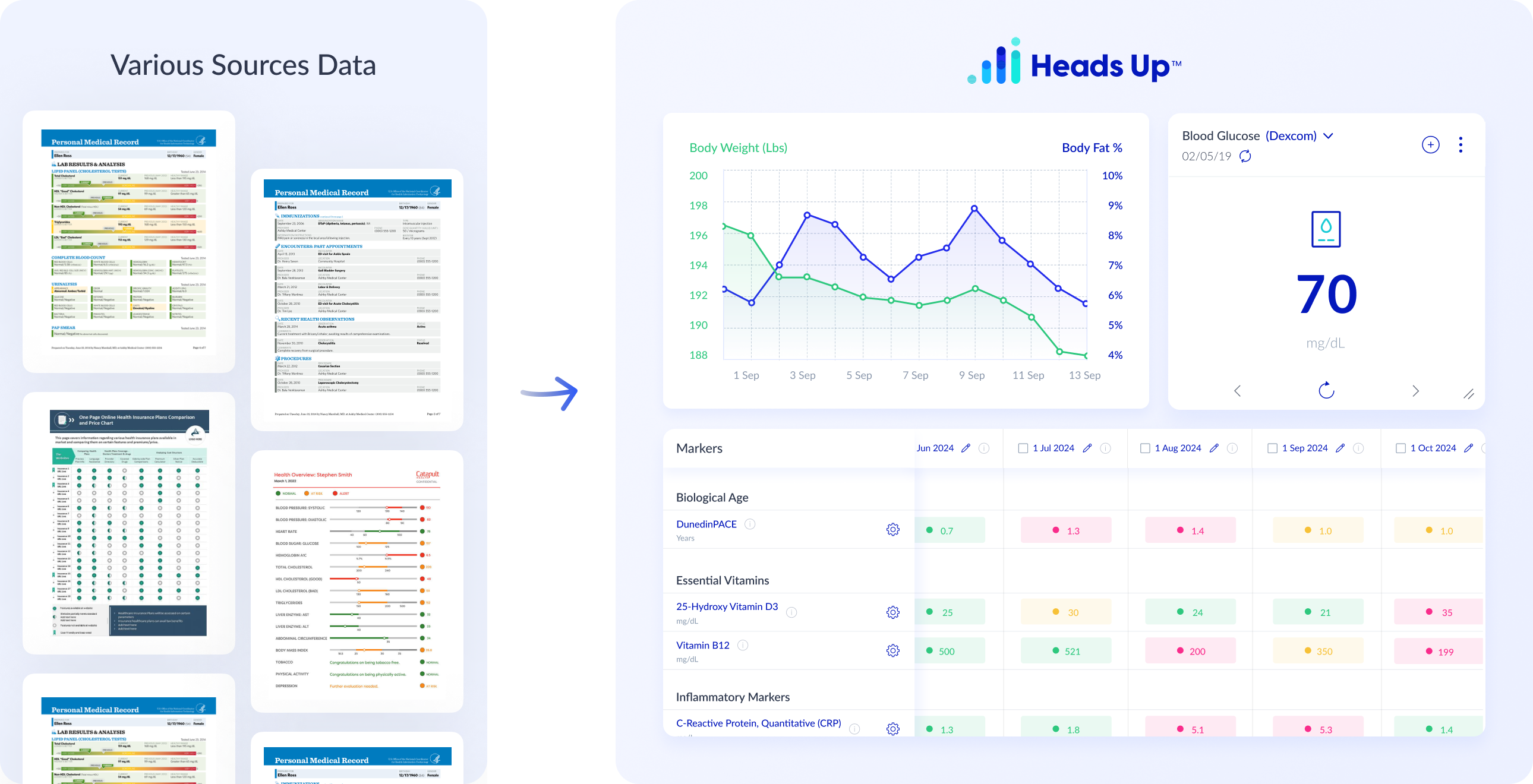
A health data analytics platform like Heads Up Health is designed to aggregate, analyze, and visualize health metrics from multiple sources including EHRs, wearables, labs, and at-home devices, to provide actionable insights for personalized, proactive care.
Pull data from multiple sources like: EHRs, wearables, connected devices, labs, and apps.
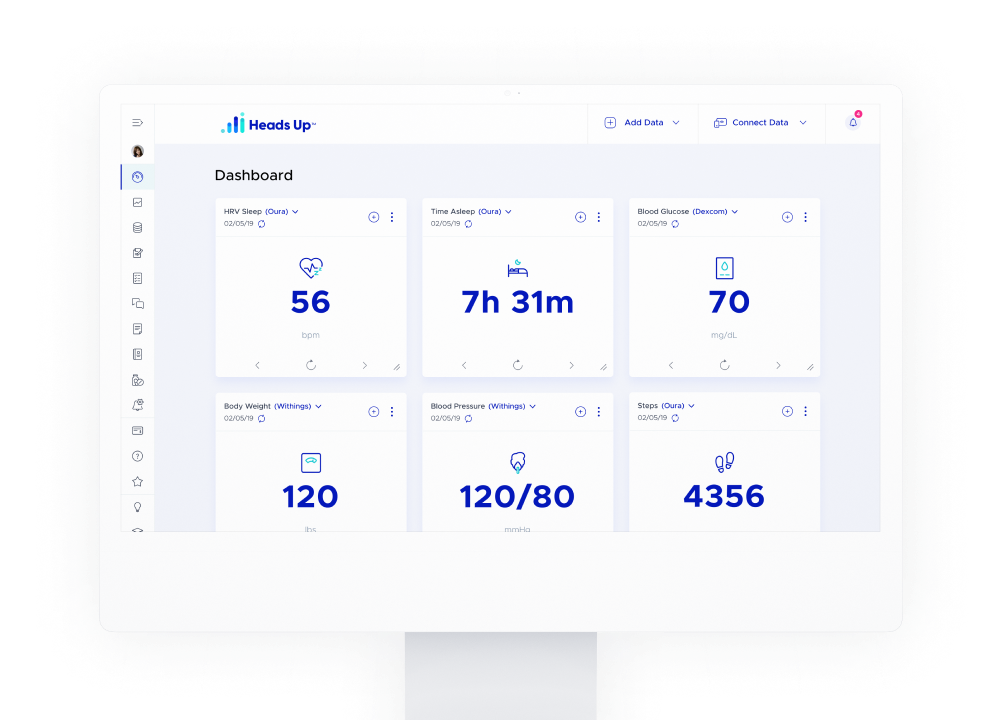
Provide real-time dashboards and longitudinal trend analysis like glucose, HRV, sleep, weight, and lab trends
Generate alerts for early intervention.
Track outcomes and validate program success.
Patient-facing dashboards for engagement and self-management
Focus: Turning raw data into actionable insights for personalization, prevention, and optimization of care.
Example use cases: Remote patient monitoring, longevity tracking, validating treatment effectiveness, integrating lifestyle and clinical metrics.
| Feature / Function | EHR (Cerbo, Elation, Healthie) | Heads Up Health |
|---|---|---|
| Purpose | Manage official medical record | Transform data into actionable clinical insights |
| Data Sources | Provider-entered + ordered labs | EHR, wearables, devices, labs, manual entry |
| Time Horizon | Episodic (visit-based) | Continuous (real-time & longitudinal) |
| Analytics | Basic reports | Advanced analytics & trend tracking |
| Patient Engagement | Basic portal | Interactive dashboards & goal tracking |
| Compliance | High | HIPAA-compliant |
While Cerbo EHR, Elation EHR, and Healthie EHR are excellent for record-keeping, they are not designed for:
Continuous data collection between visits
Real-time risk alerts
Wearable + lifestyle metric integration
Cohort-based outcomes validation
Without these, clinics risk reactive care models and missed opportunities for early intervention.
Automatically syncs labs, protocols, and visit notes while overlaying continuous wearable and lifestyle data.
Enhances concierge medicine workflows by providing real-time dashboards for patient engagement and risk monitoring.
Pairs telehealth nutrition consults with continuous glucose monitoring and HRV data for instant dietary and lifestyle adjustments.
What’s the Delta?
An EHR is like the patient’s official “medical filing cabinet” secure, standardized, and used for day-to-day recordkeeping and compliance.
Heads Up Health is like the “mission control center” pulling in data from everywhere, making it visual and actionable, and enabling proactive, data-driven decision-making that most EHRs aren’t built to do.
Clinics using both an EHR and Health Data Analytics report:
30%+ boost in treatment adherence
Fewer emergency visits from early detection alerts
Higher patient satisfaction through personalized care
Expanded service lines like remote patient monitoring and longevity programs
The future of modern medicine is hybrid:
EHRs = the compliant, legal system of record.
Analytics platforms = the intelligence layer for precision care.
Combining Cerbo EHR, Elation EHR, or Healthie EHR with Heads Up Health allows clinics to move beyond reactive record-keeping to outcome-driven, proactive healthcare.
If your practice is ready to integrate real-time analytics, continuous monitoring, and outcome validation with your existing EHR, Heads Up Health is your next step.
Schedule a demo today to see how our platform works alongside Cerbo, Elation, and Healthie EHR to elevate patient care and profitability.
“Heads Up provides a system to integrate all of the different data that you need to really deliver practice-based outcomes…“

Get started with by scheduling custom demo with one of our specialists to see the difference Heads Up can make in your practice. Schedule your demo and discovery call here.
Synchronize your clients’ medical records, labs, wearables, apps, and more into Heads Up for better outcomes. Sign Up now for a free starter account!

In the world of concierge and functional medicine, we know that waiting for symptoms isn’t an option. The real opportunity lies in prevention. We recently had the chance to sit down with Bob Troia (aka Quantified Bob)—one of the most respected figures in the quantified-self and biohacking world.
In our conversation, Bob shared three breakthrough diagnostics he uses every year to detect health risks early and guide proactive interventions. These tools are already being integrated into advanced longevity and integrative practices across the country. They’re fast becoming a new standard of care for patients who expect precision, personalization, and performance from their health providers.
Let’s dive into what Bob shared—and why these diagnostics are worth considering for your practice.
This isn’t your standard hospital MRI. Prenuvo combines high-speed whole-body imaging with proprietary AI and machine learning to deliver a 3D view of the body—layer by layer. It can detect:
What makes this tool so powerful is its predictive capability. It helps practitioners catch issues that would otherwise go unnoticed until much later. For health professionals running executive physicals, annual wellness programs, or long-term optimization protocols, Prenuvo offers a compelling upgrade.
Bob treats it like an annual check-up for his internal health. And the insights are game-changing.
Cardiovascular disease remains the leading cause of preventable death. While calcium scoring provides useful data, Cleerly takes it a step further. Their imaging differentiates between:
This kind of granular detail allows providers to more accurately stratify risk and intervene earlier. It’s not just about numbers. It’s about context.
Bob emphasized how this fills a critical gap in the full-body picture. When paired with MRI and labs, you get a far more complete understanding of cardiovascular health.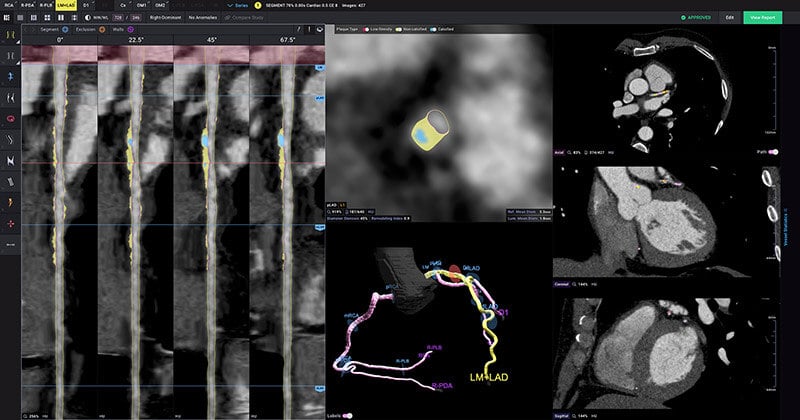
The liver is a silent workhorse. But standard liver panels can easily miss dysfunction, especially in the early stages. Bob’s third recommendation is a next-gen ultrasound diagnostic that picks up on:
This type of scan offers acute insight that supports more precise detox protocols, metabolic work, and gut-liver axis therapies. Best of all, it allows for retesting to validate your interventions—something bloodwork often can’t do alone.
When you integrate these three diagnostics—Prenuvo, Cleerly, and liver imaging—you move beyond reactive medicine and into a proactive, predictive model. This aligns perfectly with the mission of many functional and concierge practices today: optimize early, intervene smarter, and extend not just lifespan, but healthspan.
As Bob puts it, these tools help you “avoid the iceberg” before getting into the rest of your optimization stack.
For your most engaged and motivated patients, this level of care is not just impressive. It’s expected.
Watch the Full Interview with Bob Troia
In our exclusive video, Bob breaks down how he uses each scan, what he looks for in the results, and how they’ve impacted his personal health strategy. Whether you’re just starting to explore diagnostic innovation or you’re already leading a longevity practice, this is a must-watch conversation.
? Scroll up to watch the video and share your takeaways in the comments.
Want to integrate advanced diagnostics with real-time data tracking?
Heads Up helps you unify lab results, wearable data, and clinical insights in one powerful dashboard—designed to support better outcomes and deeper patient engagement.
Get started with by scheduling custom demo with one of our specialists to see the difference Heads Up can make in your practice. Schedule your demo and discovery call here.
Synchronize your clients’ medical records, labs, wearables, apps, and more into Heads Up for better outcomes. Sign Up now for a free starter account!

Brad Ruben isn’t your average poker player. He’s a four-time World Series of Poker champion who doesn’t just train his mind—he trains his nervous system.
In high-stakes poker, performance hinges on more than strategy. It depends on clarity, restraint, and emotional regulation in unpredictable environments. This is where metrics like Heart Rate Variability (HRV) come into play, offering measurable insights into recovery, resilience, and readiness.
We sat down with Brad to explore the exact practices he uses to stay sharp at the table. For health professionals working with executives, athletes, or patients in high-pressure environments, this conversation offers valuable insight into how data-driven recovery supports long-term performance and mental health.
Brad tracks his HRV daily. He doesn’t just glance at the number—he uses it to decide whether or not to play.

HRV, a measure of autonomic nervous system flexibility, has become a cornerstone for both elite physical performance and psychological resilience. Higher HRV is typically associated with improved parasympathetic activity, better sleep quality, faster recovery, and lower allostatic load. For someone like Brad, it’s a real-time signal of whether his system is primed to handle stress.
This same principle applies to the patients you support. Whether they’re navigating chronic illness, burnout, or high-performance careers, HRV can serve as a daily check-in to help guide behavior, activity, and recovery.
Brad’s approach to recovery is comprehensive, not complicated. His tools include:

One of the most powerful takeaways from our conversation was his discipline in not playing when the data says he’s off. In a field where emotions run high and pressure is constant, Brad sees self-regulation as a competitive edge.
For your clients or patients, this mindset shift is essential. Recovery isn’t a reward for hard work—it’s a prerequisite for high-quality output.
Read more about HBOT and cold plunge benefits:
The posts you requested could not be found. Try changing your module settings or create some new posts.
Brad also works closely with organizations supporting combat veterans recovering from PTSD. He’s deeply involved with Camp Hope and Shields and Stripes, two nonprofits focused on long-term trauma recovery.
He draws a direct connection between nervous system health and trauma healing. HRV, again, becomes a powerful metric. It helps show when a patient is progressing and when intervention may be needed.
Brad’s interest in recovery and resilience is personal. He’s seen how it transforms performance and how it supports long-term healing. This crossover between peak performance and trauma care is a space many providers are now exploring.
If you work with clients in high-demand roles—CEOs, athletes, creative professionals, or trauma survivors—Brad’s story offers three clear lessons:
As providers, your role is to support not just health, but resilience. That includes helping your clients understand when to push and when to pause.
Brad Ruben’s approach shows what that looks like in real time. He doesn’t just track recovery—he listens to it. He uses it as a compass. And in doing so, he’s staying at the top of his game.
If your patients are looking to perform at a higher level or recover from chronic stress, consider starting with HRV. It’s not just data. It’s direction.
Get started with by scheduling custom demo with one of our specialists to see the difference Heads Up can make in your practice. Schedule your demo and discovery call here.
Synchronize your clients’ medical records, labs, wearables, apps, and more into Heads Up for better outcomes. Sign Up now for a free starter account!

Hair loss is one of the most visible signs of aging. For patients, it often signals more than just cosmetic change. It can reflect deeper issues like hormonal imbalance, mitochondrial dysfunction, chronic inflammation, or prolonged stress.
Yet despite its emotional and biological significance, hair restoration is rarely addressed until patients bring it up—and by then, it’s often progressed.
At Heads Up Health, we’re passionate about helping practitioners integrate precision tools into their care models. That’s why we sat down with board-certified hair restoration expert Dr. Alan Bauman to discuss the most powerful strategies in the field today. These approaches are non-invasive, science-backed, and fully aligned with the goals of functional and longevity-focused medicine.
Here’s what you need to know.
Exosomes are nano-sized vesicles released by stem cells. They carry signaling molecules that stimulate repair, regeneration, and growth across tissues—including hair follicles.
Dr. Bauman explains that when exosomes are used during or after a hair transplant, the results are dramatic. Inflammation is reduced almost immediately, healing occurs faster, and regrowth begins as early as 8 weeks post-procedure—nearly twice as fast as traditional timelines.
Even more impressive, these benefits are measurable. Using tools like the Hair Mass Index (HMI), Dr. Bauman’s team is seeing improved density and growth rates weeks, sometimes months, earlier than expected.
This therapy isn’t just for transplant patients. Practitioners focused on hormone replacement, peptide protocols, or regenerative therapies can consider exosome support for hair loss as a powerful adjunct.
Low-level laser therapy has been studied for years as a way to stimulate dormant follicles and improve hair density. However, until recently, devices were either underpowered or difficult for patients to use consistently.
That’s changing. Dr. Bauman helped develop the Turbo Laser Cap, a portable and powerful device requiring only five minutes of daily use. Patients can use it while brushing their teeth, washing their face, or winding down for bed.
There are no known side effects. It’s non-invasive and easy to integrate into a patient’s routine. For practitioners, this offers a cost-effective and accessible tool to recommend as either a preventive measure or part of an active treatment plan.
Healthy hair cannot grow from an unhealthy scalp.
Many patients present with flaking, itchiness, folliculitis, or excess sebum—but these symptoms are often overlooked or dismissed. Dr. Bauman’s clinic approaches scalp care with the same precision as any other system in the body.
Led by trichologist and licensed cosmetologist Kimberly, also known as The Scalp Whisperer, the clinic conducts detailed scalp analyses to uncover hidden issues that may interfere with follicle function. They assess sebum production, moisture balance, and inflammation using specialized microscopes and lighting.
From there, patients receive customized topical treatments that are both dermatologically effective and soothing. For those focused on stress-related shedding or hormone-driven loss, scalp care offers a tangible and therapeutic entry point.
Hair loss can be an early biomarker of metabolic, hormonal, or inflammatory dysregulation. As a practitioner, addressing it from a clinical standpoint allows you to:
The future of hair restoration is not about vanity. It’s about personalized care, optimized healing, and expanding what’s possible in regenerative health.
If your patients are struggling with thinning hair or early-stage hair loss, now is the time to add these tools to your treatment approach.
Get started with by scheduling custom demo with one of our specialists to see the difference Heads Up can make in your practice. Schedule your demo and discovery call here.
Synchronize your clients’ medical records, labs, wearables, apps, and more into Heads Up for better outcomes. Sign Up now for a free starter account!

What do you get when you combine methylene blue, PEMF, red light, hyperbaric oxygen, targeted peptide therapy, and real-time data tracking?
According to Bill Hanks, founder of huemn – Optimization + Longevity and long-time bio-optimization practitioner, you get a powerful formula for mitochondrial health, immune resilience, and clinical precision that’s already changing patient outcomes.
In a recent video interview, Bill walked us through the top three health optimization strategies he’s seeing real results from in the clinic. If you’re a health professional looking to deepen your protocols or expand your toolkit, this conversation is worth your full attention.
Here’s a closer look at what we covered.
Many clinics already use modalities like PEMF, red light therapy, or hyperbaric oxygen. But what if those tools worked even better when combined in a specific order?
Bill shares a protocol that starts with methylene blue, followed by PEMF, red light, and then hyperbaric oxygen therapy. The idea is to prep the mitochondria, stimulate cellular energy, and saturate the tissues with oxygen—creating a complete arc of cellular activation and recovery.
This stack is designed to:
It’s not just about stacking therapies—it’s about using them in the right sequence to get the full physiological effect.
Bill also dives into his favorite peptides and bioregulators for regenerative support and immune modulation.
His go-to stack includes:
These tools are especially helpful for practitioners managing complex cases, chronic inflammation, or patients recovering from injury. The key takeaway here is precision—dosing and timing matter more than ever.
While protocols and supplements get the spotlight, Bill emphasizes that data is what makes these interventions truly effective.
Tracking gives you the ability to:
Whether it’s reviewing pre/post labs after peptide therapy or tracking patient response to a red light and hyperbaric routine, data provides the clarity that both patients and practitioners need.
Platforms like Heads Up Health bring these sources of data together into one central, clinician-friendly dashboard—so nothing gets missed, and you’re never flying blind.
Why This Matters for Your Practice
If you’re working in functional, integrative, concierge, or longevity care, you’ve likely seen how complex modern health optimization can be.
Stacked therapies. New peptides. Evolving patient goals.
What sets high-performing clinics apart isn’t just access to advanced tools. It’s how they’re implemented, tracked, and tailored to each individual’s biology.
This video with Bill Hanks offers a behind-the-scenes look at protocols that are both cutting-edge and clinically grounded. Whether you’re already using these tools or just getting started, it’s a great place to get inspired and fine-tune your approach.
? Watch the full conversation with Bill above to see how these strategies are being used in real clinics—and how you can bring them into yours.
Get started with by scheduling custom demo with one of our specialists to see the difference Heads Up can make in your practice. Schedule your demo and discovery call here.
Synchronize your clients’ medical records, labs, wearables, apps, and more into Heads Up for better outcomes. Sign Up now for a free starter account!

As a health optimization practitioner, you’re likely keeping up with the latest in peptide therapy, biologics, and wearables. But sometimes, it’s the most fundamental protocols that deliver the deepest transformation. Especially when applied with intention and clinical structure.
In a recent conversation, we sat down with Dr. Zayd Ratansi, an expert in integrative and regenerative medicine, to discuss three non-negotiable therapies he believes every forward-thinking practice should emphasize in 2025.
These are protocols you can integrate today. They can create powerful ripple effects across fatigue, detox, inflammation, and long-term resilience.
“During the day, your body degenerates. During the night, it regenerates.”

We often treat sleep as a lifestyle factor. In reality, it is a core biological input that governs everything from cellular repair to hormone balance.
When patients are exposed to constant blue light, irregular sleep patterns, and late-night eating, their recovery pathways are compromised. Dr. Ratansi outlines a few key strategies to reset this system:
Practitioners can build structured sleep protocols into treatment plans as a first step in restoring metabolic, neurological, and immune function. This is especially important for patients with burnout, chronic illness, or hormone imbalances.

We know that saunas and steam rooms feel good. What makes them clinically effective is the way they stimulate multiple systems at once.
Dr. Ratansi describes heat-based therapies (hyperthermia) as a strategic way to support:
Hyperthermia is especially beneficial for patients dealing with:
Unlike exercise, heat therapy allows patients to passively engage the body’s natural detox and circulatory processes. This makes it an accessible option even for those in early-stage recovery or with limited mobility.
Encourage patients to ease into longer sessions, such as 20 to 40 minutes in an infrared or steam sauna, as part of a sustainable detox and recovery protocol.
As the vascular system ages, oxygen delivery becomes less efficient. This affects tissue repair, cognitive function, and mitochondrial energy production.
Dr. Ratansi recommends hyperbaric oxygen therapy (HBOT) as a powerful clinical tool to address these issues. Under pressure, oxygen dissolves not only into red blood cells but also into the plasma. This allows it to reach metabolically active and oxygen-deprived tissue.
HBOT supports:
HBOT is now more accessible in outpatient settings. It pairs well with other longevity and regenerative tools, including red light therapy, peptides, and NAD+.
This makes it an ideal fit for concierge and bio-optimization programs. It is also valuable in post-viral care, injury recovery, and cognitive decline protocols.
Build Your Protocols from the Inside Out
Advanced testing and targeted supplements can absolutely support clinical outcomes. But without the basics in place, patients may continue struggling against underlying biological stress.
Dr. Zayd Ratansi reminds us that true healing begins with foundational systems. When patients sleep well, regulate heat, and receive sufficient oxygen at the cellular level, they have a stronger base for any advanced therapy to build on.


If your practice isn’t supporting sleep, hyperthermia, and oxygen therapy, your patients may be missing key pieces of the recovery puzzle.
These aren’t fringe wellness tools. They are core protocols for healing, detoxifying, and thriving in the modern world.
Get started with by scheduling custom demo with one of our specialists to see the difference Heads Up can make in your practice. Schedule your demo and discovery call here.
Synchronize your clients’ medical records, labs, wearables, apps, and more into Heads Up for better outcomes. Sign Up now for a free starter account!