Longevity Metrics Q&A: Epigenetic Clocks, ApoB, Insulin Resistance & AI in Clinical Practice

Longevity Metrics Q&A: Epigenetic Clocks, ApoB, Insulin Resistance & AI in Clinical Practice

Overview

At Heads Up, we recently hosted a live webinar on the top longevity metrics every clinic should be tracking to uncover risks, personalize care, and improve outcomes. Our special guest was Leonard Pastrana, PharmD, co-founder of nuBioAge and a leading educator in longevity medicine who has trained over 5,000 practitioners worldwide.

The Q&A session was packed with insights on biomarkers, testing strategies, and the future of AI in healthcare.

Below is a recap of the most important takeaways.

Epigenetic Clocks: Promise and Limitations

Q: What is the latest on the use of epigenetic clocks as biomarkers?

Dr. Pastrana explained that epigenetic clocks are exciting tools that estimate biological age, but they’re still evolving. Data from TrueDiagnostic and other providers show accelerated aging between ages 40–60, matching what clinicians see in practice (brain fog, body composition changes, metabolic decline).

  • Best use: Motivational for patients (“What’s my biological age?”).

  • Limitation: Still not robust enough for clinical decision-making compared to validated metrics like VO₂ max, ApoB, and fasting insulin.

  • Notable metric: Dunedin Pace of Aging (rate of biological aging per year) is one of the most promising markers for clinical use.


The 40–60 Window: Why It’s Critical

Research confirms that between ages 40–60, aging accelerates. This is also when early insulin resistance can drive vascular damage leading to Alzheimer’s decades later.

Takeaway: This is the “golden window” for clinical intervention. By tracking insulin resistance, ApoB, body composition, and VO₂ max, providers can intervene before irreversible decline.


ApoB vs. ApoB:A1 Ratio

Q: Is the ApoB:A1 ratio more important than ApoB alone?

  • Dr. Pastrana: ApoB remains the gold standard for cardiovascular risk, since it counts atherogenic particles.

  • Ratios can provide nuance, but decisions should be anchored on ApoB levels for clinical accuracy.


Hydration and Protein Preservation

Q: How much water is needed to stop protein degradation?

  • No set number, but generally 2–3 liters/day depending on body weight.

  • What matters: Intracellular water. Low cell volume signals catabolism and accelerates protein breakdown.

  • Solutions: Amino acids, creatine, and osmolites to support intracellular hydration.


Visceral Adipose Tissue (VAT) and Body Fat

Q: Is there a formula for reducing VAT below 1 lb based on body fat percentage?

  • VAT is highly bio-individual. Some lean patients have high VAT, while some obese patients have less than expected.

  • DEXA scans remain the gold standard for assessing VAT.

  • Key: Don’t rely on total body fat % alone — measure directly.


The “Dream Biomarker”: Continuous Fasting Insulin

When asked what biomarker he wished existed, Dr. Pastrana’s answer was clear: A continuous fasting insulin monitor, similar to today’s CGMs.

Why? Because insulin tells us how hard the pancreas is working to maintain glucose balance, and continuous data could revolutionize metabolic care.


GLP-1s and Weight Regain

Q: When should testing be done to predict weight regain after GLP-1 therapy?

  • Always establish baseline metabolic parameters before starting treatment.

  • Key metrics: Resting Metabolic Rate (RMR) and Fat Oxidation (breath testing).

  • Weight regain is often linked to:

    • Reduced metabolism due to caloric restriction.

    • Lean mass loss during weight reduction.

  • Solution: Resistance training, protein intake, peptides, and hormone optimization to preserve or rebuild lean mass.


Tirzepatide vs. Semaglutide

Q: Are there significant differences between the two?

  • Clinical differences are minimal.

  • Semaglutide may show slightly better triglyceride/VLDL reduction in studies, but real-world outcomes are similar.

  • Key factors: Patient tolerance and cost.


Affordable Alternatives to DEXA

  • Tools like InBody and SECA devices provide useful trends for lean mass and VAT scores.

  • Not as precise as DEXA, but valuable for monitoring direction over time.

  • Tip: Educate patients not to panic over day-to-day fluctuations (water weight, menstrual cycle, etc.).


HbA1c vs. Fasting Insulin vs. HOMA-IR

  • HbA1c is foundational for diabetes screening but less sensitive in early dysfunction.

  • Fasting Insulin is simple, direct, and highly valuable for detecting early metabolic issues.

  • HOMA-IR combines glucose + insulin for a broader view of insulin resistance.

Recommendation: Use all three, but fasting insulin remains a practical and powerful tool.


Demonstrating True Healthspan Gains

Q: How can clinics prove interventions are reversing biological age?

  • Focus on validated clinical metrics:

    • VAT reduction

    • ApoB lowering

    • VO₂ max improvement

    • Muscle mass gain

  • Patient-centered approach: Tie metrics back to personal goals (confidence, energy, longevity with family).

  • Heads Up enables providers to show before/after dashboards to demonstrate real progress.


Wearables: Tracking Between Lab Visits

  • Body composition scales (weekly trend data).

  • Oura Ring for HRV, sleep quality, recovery.

  • CGM for glucose and metabolic flexibility.

Between labs and DEXAs, these provide daily feedback loops to patients and clinicians.


Custom Longevity Scores

Heads Up now supports custom algorithm development, allowing clinics to combine:

  • Traditional labs (HbA1c, lipids)

  • Advanced markers (epigenetic clocks, VO₂ max, organic acids)

  • Wearables (HRV, sleep, activity)

Result: Proprietary Longevity Scores that differentiate your practice and prove outcomes at scale.


The Future: AI + Longevity Medicine

With Heads Up’s new AI layer, clinicians will soon be able to:

  • Query patient data with natural language.

  • Identify velocity of change across 10+ years of labs.

  • Auto-generate treatment plans based on data trends.

  • Highlight mismatched interventions.

The vision: Secure, HIPAA-compliant AI that turns complex health data into actionable insights in seconds.


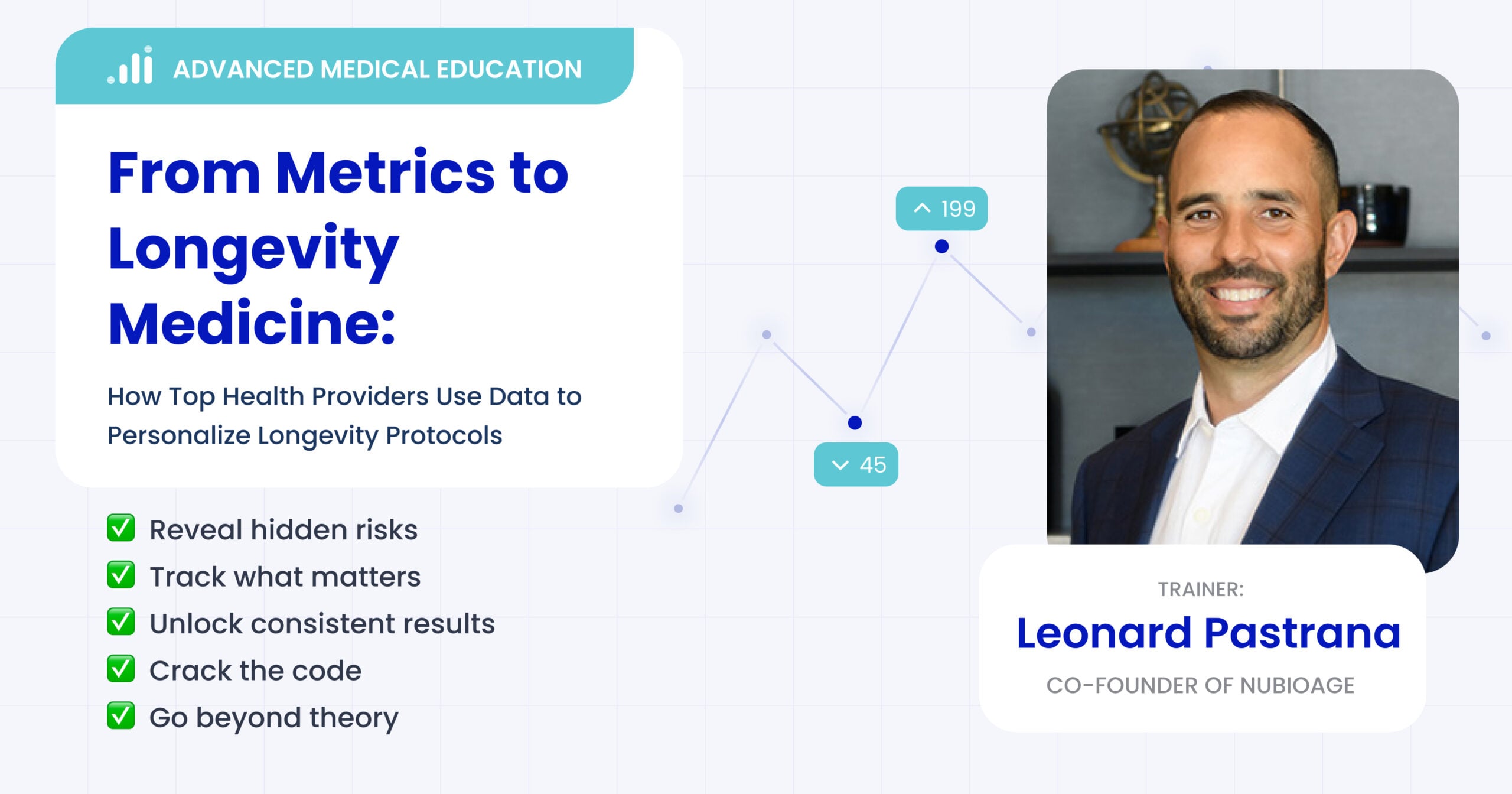
 Want to see the full clinical longevity training?  Click the image below.
1 91 (37)

Conclusion

Longevity medicine is evolving fast, and the tools to track it are here. From epigenetic clocks to fasting insulin, from VAT scans to custom longevity scores, clinics can now deliver measurable outcomes that extend both lifespan and healthspan.

At Heads Up, we’re helping practices implement these metrics into daily care, unify fragmented data, and prepare for the next generation of AI-powered longevity medicine.

Want to build longevity programs that track, optimize, and prove outcomes? Schedule a Demo with Heads Up.

Tracking Patient Health Data Has Never Been Easier!

Leverage The Power Of Heads Up in your Health Practice

Get started with by scheduling custom demo with one of our specialists to see the difference Heads Up can make in your practice. Schedule your demo and discovery call here.
Optimize Health & Longevity

Synchronize your clients’ medical records, labs, wearables, apps, and more into Heads Up for better outcomes. 
Sign Up now for a free starter account!
EHR vs. Health Data Analytics Platforms: How Cerbo, Elation, and Healthie EHR Users Can Transform Care with Heads Up Health

EHR vs. Health Data Analytics Platforms: How Cerbo, Elation, and Healthie EHR Users Can Transform Care with Heads Up Health

Introduction: The Gap in Modern Healthcare Data

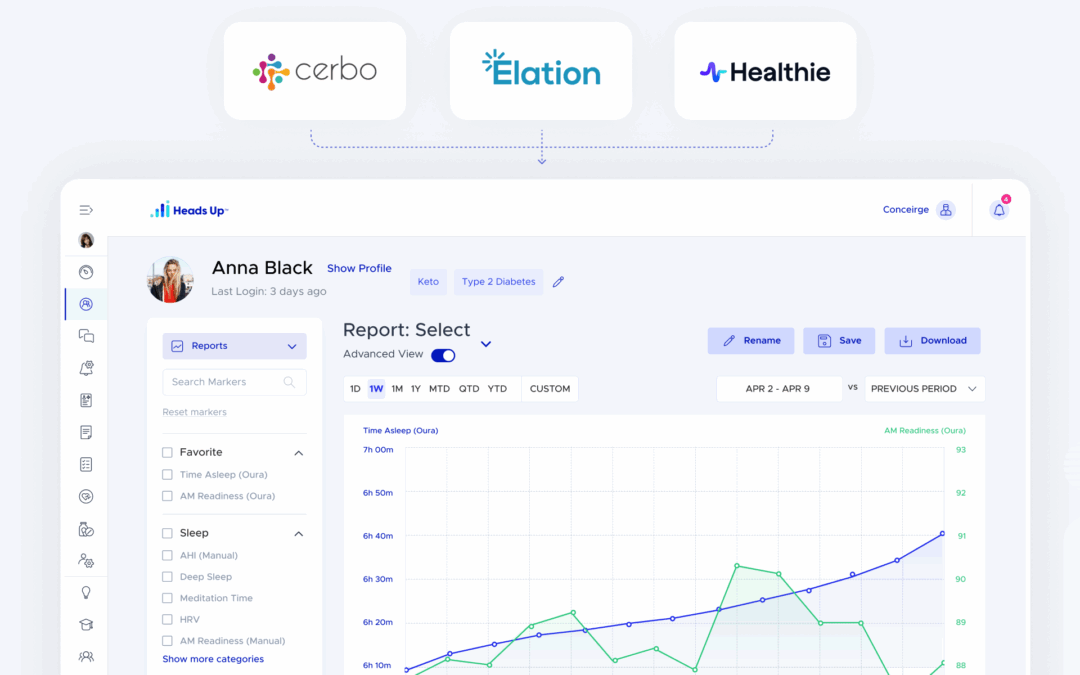
Most practices rely on Electronic Health Record (EHR) systems such as Cerbo EHR, Elation EHR, or Healthie EHR to manage patient information, comply with regulations, and document care. But EHRs alone cannot deliver the real-time analytics, continuous monitoring, and patient engagement that today’s proactive, personalized care demands.

That’s where Heads Up comes in. Not to replace your EHR, but to amplify it!


What Is an EHR?

An EHR is the official digital version of a patient’s medical record, used for clinical, legal, and billing purposes.

Core Functions of EHR Systems

  • Store patient demographics, visit history, and medical conditions.

  • Document diagnoses, medications, allergies, and immunizations.

  • Manage orders for labs, prescriptions, and imaging.

  • Support insurance billing and coding.

  • Ensure HIPAA and ONC compliance.

Focus: Documentation, compliance, and continuity of care across providers.

Examples in Practice:

  • Cerbo EHR: Flexible for functional medicine, with supplement protocol tracking.

  • Elation EHR: Streamlined charting for primary care and concierge medicine.

  • Healthie EHR: Telehealth friendly for nutrition, wellness, and lifestyle programs.


What Is a Health Data Analytics Platform?

A health data analytics platform like Heads Up Health is designed to aggregate, analyze, and visualize health metrics from multiple sources including EHRs, wearables, labs, and at-home devices, to provide actionable insights for personalized, proactive care.

Core Functions of Health Data Analytics

  • Pull data from multiple sources like: EHRs, wearables, connected devices, labs, and apps.

  • Provide real-time dashboards and longitudinal trend analysis like glucose, HRV, sleep, weight, and lab trends

  • Generate alerts for early intervention.

  • Track outcomes and validate program success.

  • Patient-facing dashboards for engagement and self-management

Focus: Turning raw data into actionable insights for personalization, prevention, and optimization of care.

Example use cases: Remote patient monitoring, longevity tracking, validating treatment effectiveness, integrating lifestyle and clinical metrics.


EHR vs Health Data Analytics: A Side-by-Side Comparison

Feature / Function EHR (Cerbo, Elation, Healthie) Heads Up Health
Purpose Manage official medical record Transform data into actionable clinical insights
Data Sources Provider-entered + ordered labs EHR, wearables, devices, labs, manual entry
Time Horizon Episodic (visit-based) Continuous (real-time & longitudinal)
Analytics Basic reports Advanced analytics & trend tracking
Patient Engagement Basic portal Interactive dashboards & goal tracking
Compliance High HIPAA-compliant

Why EHRs Alone Are Not Enough

While Cerbo EHR, Elation EHR, and Healthie EHR are excellent for record-keeping, they are not designed for:

  • Continuous data collection between visits

  • Real-time risk alerts

  • Wearable + lifestyle metric integration

  • Cohort-based outcomes validation

Without these, clinics risk reactive care models and missed opportunities for early intervention.


How Heads Up Health Integrates with Cerbo, Elation, and Healthie EHR

With Cerbo EHR

Automatically syncs labs, protocols, and visit notes while overlaying continuous wearable and lifestyle data.

With Elation EHR

Enhances concierge medicine workflows by providing real-time dashboards for patient engagement and risk monitoring.

With Healthie EHR

Pairs telehealth nutrition consults with continuous glucose monitoring and HRV data for instant dietary and lifestyle adjustments.


What’s the Delta?

  • An EHR is like the patient’s official “medical filing cabinet” secure, standardized, and used for day-to-day recordkeeping and compliance.

  • Heads Up Health is like the “mission control center” pulling in data from everywhere, making it visual and actionable, and enabling proactive, data-driven decision-making that most EHRs aren’t built to do.


Real-World Outcomes from Combining EHR + Analytics

Clinics using both an EHR and Health Data Analytics report:

  • 30%+ boost in treatment adherence

  • Fewer emergency visits from early detection alerts

  • Higher patient satisfaction through personalized care

  • Expanded service lines like remote patient monitoring and longevity programs


The Future: EHR + Analytics as the Gold Standard

The future of modern medicine is hybrid:

  • EHRs = the compliant, legal system of record.

  • Analytics platforms = the intelligence layer for precision care.

Combining Cerbo EHR, Elation EHR, or Healthie EHR with Heads Up Health allows clinics to move beyond reactive record-keeping to outcome-driven, proactive healthcare.


Conclusion & Call to Action

If your practice is ready to integrate real-time analytics, continuous monitoring, and outcome validation with your existing EHR, Heads Up Health is your next step.

Schedule a demo today to see how our platform works alongside Cerbo, Elation, and Healthie EHR to elevate patient care and profitability.


Heads Up provides a system to integrate all of the different data that you need to really deliver practice-based outcomes…

Dr. Brad Jacobs

BlueWave Medicine

Tracking Patient Health Data Has Never Been Easier!

Leverage The Power Of Heads Up in your Health Practice

Get started with by scheduling custom demo with one of our specialists to see the difference Heads Up can make in your practice. Schedule your demo and discovery call here.

Optimize Health & Longevity

Synchronize your clients’ medical records, labs, wearables, apps, and more into Heads Up for better outcomes. 
Sign Up now for a free starter account!

“Show Me The Data!” How Real-Time Health Data is Revolutionizing Longevity & Biohacking.

“Show Me The Data!” How Real-Time Health Data is Revolutionizing Longevity & Biohacking.

We can make micro-calibrations every day. We can test, retest, and experiment every single day. We can make changes, figure out what works, and just keep stacking them up. That’s the most exciting part of Biohacking!

Dave Korsunsky

CEO Heads Up

Discover how real-time health data is changing healthcare.

What if you could wake up each day with the tools to steer your health with pinpoint precision?

Now, imagine unlocking your body’s full potential by harnessing the power of real-time data: measuring, tweaking, and optimizing every facet of your well-being.

In today’s fast-paced, information-rich world, optimizing your health isn’t a guessing game; it’s a data-driven strategy. David Korsunsky, founder of Heads Up, delivers a powerful message in his presentation “Show Me The Data!Revealing how cutting-edge technology empowers you to do exactly that!

This isn’t about getting by, it’s about leveling up, living longer, and feeling stronger with every decision you make.

From Systems Engineering to Biohacking

Korsunsky applies his background in optimizing high-performance IT systems to human health. Just like servers, our bodies need monitoring, fine-tuning, and optimization. This vision powers the creation of Heads Up Health—a platform built to centralize, analyze, and elevate your personal health data.

Daily Data Creates Daily Wins

The old model of annual checkups and sporadic lab work doesn’t cut it anymore. Wearables and continuous monitors offer daily health insights, giving you the power to make micro-adjustments in real time.

You don’t need to wait months to find out if a diet, supplement, or exercise program works. With tools like the Oura Ring, Dexcom CGMs, and Apple Watch, you track your progress every day. This real-time feedback turns biohacking into a personalized, results-driven experience.

The Five Biomarkers That Matter Most

There are thousands of metrics you can track, but Korsunsky focuses on five biomarkers that consistently deliver the biggest impact:

1. Heart Rate Variability (HRV)

HRV reflects the balance between your sympathetic and parasympathetic nervous systems. A higher HRV signals better stress resilience, cardiovascular health, and recovery.

Research in Frontiers in Public Health shows that higher HRV links to reduced mortality and lower risk of chronic diseases [1].

Korsunsky uses HRV daily to adjust training loads and manage stress. Since HRV is highly individualized, the goal is to improve your personal baseline—not chase someone else’s numbers.

2. Blood Glucose Levels

Stable blood sugar drives energy, sleep, hormone balance, and fat metabolism. Tools like the Dexcom Stelo let you see how food and habits affect your glucose in real time.

The CDC links poor glucose control to insulin resistance, type 2 diabetes, and cardiovascular disease [2]. Korsunsky encourages using CGMs to spot trends, correct spikes, and take control of your metabolic health.

3. Sleep Quality

Sleep fuels everything from recovery to mental clarity. Korsunsky treats it as a skill, not a given. Tools like Oura Rings reveal your sleep efficiency, heart rate trends, and more.

The Sleep Foundation highlights that consistent quality sleep boosts immune health, emotional regulation, and cognitive performance [3].

4. VO2 Max

VO2 Max measures how much oxygen your body uses during exercise. It’s a top predictor of cardiovascular endurance and long-term survival. A JAMA study shows higher VO2 Max significantly reduces mortality [4].

You can track VO2 Max with wearables or formal treadmill tests. Korsunsky recommends aiming for the fitness level of someone 10-20 years younger—and monitoring progress with every workout.

5. Muscle Mass

Muscle mass signals strength, hormone health, and resilience. Building muscle means you’re eating right, sleeping well, and training effectively.

NIH research shows that older adults with more muscle mass enjoy better mobility, metabolism, and cognitive performance [5]. Korsunsky uses DEXA scans and validated scales to track gains.

Mental Health & Breathwork: The Missing Links

Korsunsky reminds us: data isn’t just physical. Emotional health matters. Practices like breathwork and mindfulness boost HRV, improve sleep, and enhance your overall well-being.

Neuroscience backs this up. Controlled breathing helps reduce anxiety by stimulating the vagus nerve, improving focus and calm [6].

Play With Data: Make It Fun, Not Fearful

Korsunsky brings a light-hearted approach to data. Don’t stress over every number. Treat your dashboard as a sandbox for self-experimentation. Try a new routine, track your response, and adapt. That’s the essence of empowered health.

The Future of Health is Personalized

With the right data, you move beyond average. You aim for optimal. Whether you’re recovering from illness or striving for peak performance, daily data fuels continuous improvement.

Heads Up Health gives you the tools. 

Health Professionals

Want deeper insights into your patients’ health and lifestyle data?

Learn how Heads Up can help provide you the data to validate your patients’ health outcomes. Schedule a discovery call. 


Sources:

  1. Frontiers in Public Health. (2019). Heart Rate Variability and Health Outcomes. https://www.ncbi.nlm.nih.gov/pmc/articles/PMC6597786/
  2. CDC. (2021). Risk Factors for Type 2 Diabetes. https://www.cdc.gov/diabetes/basics/risk-factors.html
  3. Sleep Foundation. Why Do We Need Sleep? https://www.sleepfoundation.org/how-sleep-works/why-do-we-need-sleep
  4. JAMA Network. (2018). Association of Cardiorespiratory Fitness With Long-Term Mortality. https://jamanetwork.com/journals/jama/fullarticle/2713846
  5. National Institutes of Health. (2017). Skeletal Muscle and Aging. https://www.ncbi.nlm.nih.gov/pmc/articles/PMC5632791/
  6. Frontiers in Psychology. (2017). Effects of Controlled Breathing on Anxiety. https://www.frontiersin.org/articles/10.3389/fpsyg.2017.00874/full

Subscribe Below To Get Notified About Our Next Data-Driven Health & Medical Training

Leverage The Power Of Heads Up in your Health Practice

Get started with by scheduling custom demo with one of our specialists to see the difference Heads Up can make in your practice. Schedule your demo and discovery call here.

Tracking Patient Health Data Has Never Been Easier!

Frame 1

Optimize Health & Longevity

Synchronize your clients’ medical records, labs, wearables, apps, and more into Heads Up for better outcomes. 
Sign Up now for a free starter account!

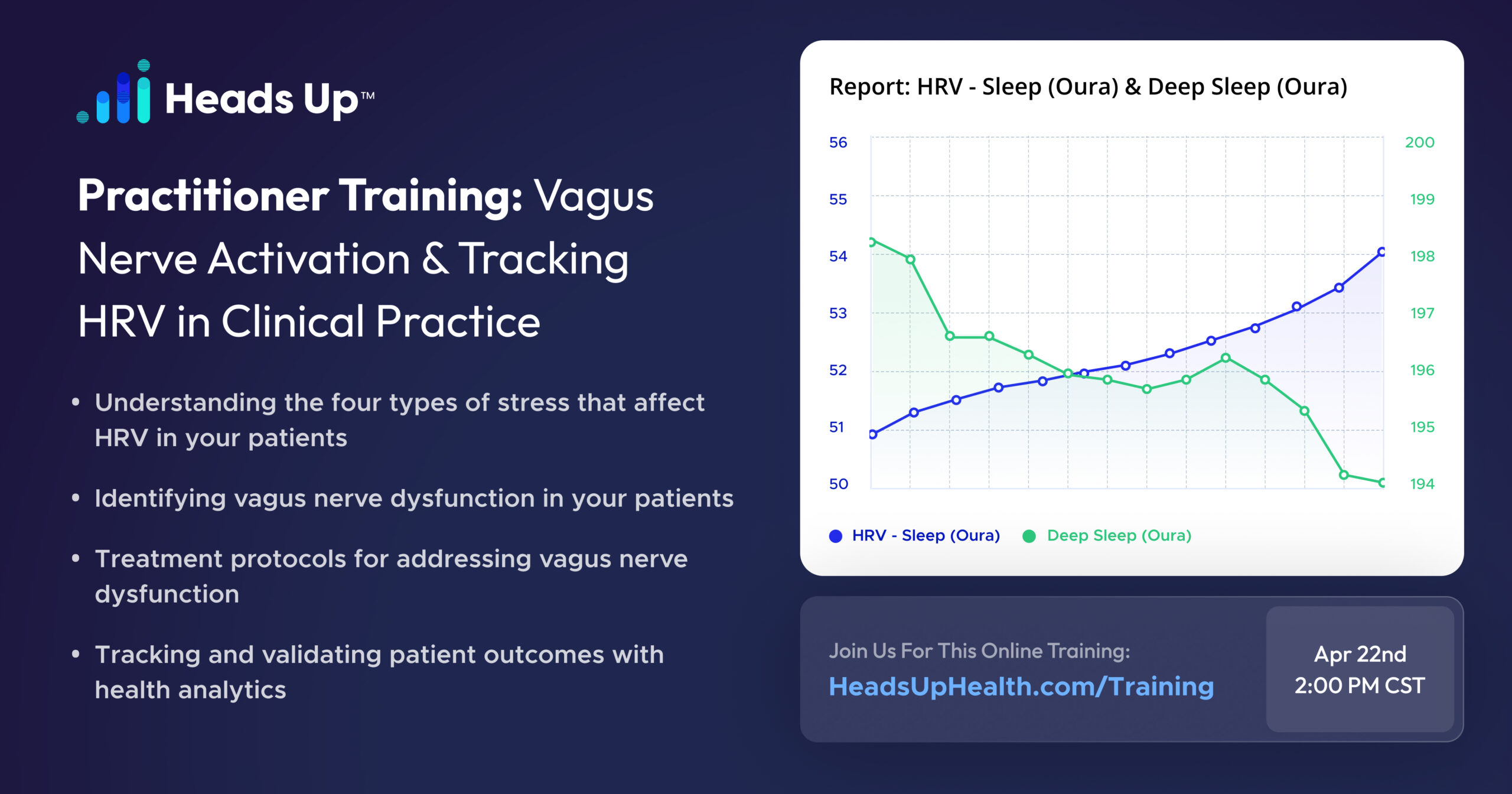
Medical Training: Vagus Nerve Activation + HRV Tracking In Clinical Practice

Medical Training: Vagus Nerve Activation + HRV Tracking In Clinical Practice

Vagus Nerve & Heart Rate Variability 

In an era where holistic health and biohacking converge, clinical professionals and wellness experts alike are turning to the powerful intersection of Vagus Nerve Activation and Heart Rate Variability (HRV) tracking. In a robust and information-packed webinar, Sachin Patel, Dr. Navas, and Dave Korsunsky demystify these cutting-edge tools and explain their practical applications in health monitoring and optimization.

In 2020, data surpassed the value of oil. If you’re not collecting data from your clients, whatever you’re claiming, isn’t happening… This underscores the shift toward outcomes-based care, where real-time metrics replace guesswork. For health professionals, tracking data isn’t optional—it’s the only way to prove efficacy, personalize treatment, and scale trust in a results-driven market.

Sachin Patel

Founder | Living Proof Institute

Understanding the Vagus Nerve: Anatomy and Clinical Importance

The vagus nerve, the longest cranial nerve in the body, plays a pivotal role in autonomic nervous system regulation. Emerging from the brainstem, it extends through the neck into the thorax and abdomen, interfacing with the heart, lungs, digestive tract, and more. According to Dr. Navas, approximately 80% of the vagus nerve’s fibers are afferent, meaning they transmit information from the body to the brain. This makes the vagus nerve an essential sensor of internal bodily conditions.

In his detailed anatomical breakdown, Dr. Navas demonstrates how the vagus nerve’s influence spans from modulating inflammatory responses to affecting mood, digestion, heart rate, and respiratory rate. The nerve also activates the parasympathetic nervous system—often referred to as the “rest and digest” system—which counters the stress-induced fight-or-flight response.

Heart Rate Variability: A Game-Changing Biometric

Heart Rate Variability (HRV) measures the variation in time between successive heartbeats, a crucial marker of autonomic nervous system flexibility and overall resilience. HRV is no longer just for elite athletes—it’s a clinical goldmine. Patel and Korsunsky explain that HRV reflects the balance between sympathetic (stress) and parasympathetic (recovery) states.

Low HRV may indicate stress, inflammation, or fatigue, while higher HRV is typically a marker of good recovery and adaptive capacity. HRV is sensitive enough to predict illness onset before symptoms occur, making it a preemptive tool in both general wellness and chronic disease management.

Data-Driven Medicine with Heads Up 

Dave Korsunsky introduces the Heads Up Health platform, which aggregates real-time biometric data from wearables like the Oura Ring, CGMs, smart scales, blood pressure cuffs, and other digital health technologies. It enables clinicians to monitor HRV, respiratory rate, blood sugar, sleep quality, and other metrics from a single dashboard.

Korsunsky shares how practitioners can set thresholds for various metrics to trigger alerts, enabling early interventions. In autoimmune patients, for instance, a consistent drop in HRV can signal an impending flare-up. These insights allow for preemptive care strategies rather than reactive treatment.

Patient Empowerment and the Future of Healthcare

A standout theme of the webinar is empowering patients to take charge of their own health. Patel’s philosophy—”The doctor of the future is the patient”—emphasizes the growing role of self-monitoring and experimentation. Patients can assess how lifestyle changes such as late-night meals, alcohol consumption, or breathwork practices affect their physiological markers.

This empowerment extends beyond anecdotal evidence to objective metrics. For example, an Oura Ring can show how a client’s HRV changes after improving sleep hygiene or implementing breathing techniques, leading to higher engagement and compliance with wellness programs.

Clinical Interventions: 

1. Breathwork and Diaphragmatic Training

Sachin Patel emphasizes that many clients suffer from dysfunctional breathing patterns rooted in trauma or stress. These patterns contribute to chronic sympathetic activation. He introduces tools such as coherence breathing, the BOLT test (Body Oxygen Level Test), and breath-focused therapies to help recalibrate the autonomic nervous system.

2. Mouth Taping and Nasal Breathing

Mouth taping during sleep is discussed as a powerful intervention to promote nasal breathing, which enhances nitric oxide production, improves cardiovascular function, and supports better sleep architecture.

3. Vagus Nerve Stimulation (VNS)

Dr. Navas discusses non-invasive VNS methods, including auricular stimulation and neck-based techniques, which activate specific brain regions associated with calm, cognition, and pain reduction. These interventions are backed by fMRI studies showing thalamus activation and reduced inflammation via IL-6 suppression.

4. Technology-Based Monitoring

Wearables now allow real-time tracking of not just HRV but also respiratory rate and sleep apnea markers. These tools make it possible to monitor subtle shifts that could signify metabolic dysregulation or chronic stress.

Case Studies and Real-World Data

In one compelling case, an autoimmune patient showed declining HRV following a series of intense bike rides. The Heads Up dashboard allowed clinicians to correlate HRV data with training logs and intervene early, potentially preventing a flare-up. In another case, patients using CPAP therapy were found to have chronically lower nocturnal HRV—a useful marker when optimizing treatment plans.

Another clinical pearl discussed is using HRV to guide fasting regimens and glucose monitoring. Patel shares examples where patients could self-adjust based on CGM and HRV data, improving outcomes significantly.

Functional Lab Integration and Data Consolidation

Heads Up doesn’t stop at wearables—it also integrates functional lab data (stool tests, blood panels, organic acid tests), creating a unified view of the patient’s health. This holistic view allows practitioners to pinpoint the root causes of symptoms rather than simply treating surface-level issues.

The Role of Technology in Scaling Personalized Medicine

Korsunsky notes that practitioners with large client bases need automation. The platform’s alert systems highlight patients who fall outside their HRV baseline or exhibit early signs of distress. This triage approach helps clinics operate efficiently while maintaining personalized care.

Furthermore, Patel stresses the marketing value of these tools. Clients can visually track progress, share results, and become brand advocates, effectively increasing referrals and practice growth.

The Big Picture: A Health Revolution

This video masterfully illustrates how the intersection of HRV and vagus nerve activation is ushering in a new era of precision wellness. With patient empowerment, technological integration, and clinically validated interventions, practitioners are now equipped to offer deeper, more effective care.

By transforming subjective wellness into measurable outcomes, HRV and vagus nerve tools are becoming non-negotiables in progressive health practices.

Key Takeaways for Health Professionals

  • Use HRV as an early warning signal for stress and inflammation.

  • Encourage patients to self-monitor using wearables.

  • Employ breathwork and vagal stimulation to improve recovery and resilience.

  • Integrate biometric and lab data for a 360-degree view of client health.

  • Leverage platforms like Heads Up for efficient and scalable client management.

Conclusion

As the healthcare industry shifts from episodic treatment to proactive wellness, tools like HRV tracking and vagus nerve stimulation will lead the charge. Backed by research and enabled by technology, these modalities empower both clinicians and patients to make informed, impactful decisions.

? Want more educational content like this? Subscribe to our professional insights newsletter and webinar series for clinical tips and digital health tech updates.

Subscribe Below To Get Notified About Our Next Data-Driven Health & Medical Training

Leverage The Power Of Heads Up in your Health Practice

Get started with by scheduling custom demo with one of our specialists to see the difference Heads Up can make in your practice. Schedule your demo and discovery call here.

Tracking Patient Health Data Has Never Been Easier!

Frame 1

Optimize Health & Longevity

Synchronize your clients’ medical records, labs, wearables, apps, and more into Heads Up for better outcomes. 
Sign Up now for a free starter account!

Biohacking Tips By Don Moxley

Biohacking Tips By Don Moxley

Empowering Patients Through Personalized Biohacking: A Clinical Perspective from Don Moxley

“You can’t sit on your ass eight hours a day and think that working out for one hour is going to make up for it—it doesn’t work that way.”

Don Moxley

HRV Researcher

In the ever-evolving landscape of health optimization, clinicians and wellness professionals are increasingly faced with a common challenge: how to empower patients with practical, data-driven strategies that genuinely move the needle on their healthspan.

In a concise but potent 4-minute video, physiologist and performance coach Don Moxley distills years of applied science into four foundational biohacks that clinicians can integrate into patient care plans starting today. These are not trendy quick fixes—they are time-tested principles grounded in physiology, behavioral science, and wearable data.

The “Four Rocks in the Jar”: Translating Insight Into Action

Moxley’s framework, known as the “Four Rocks in the Jar,” is an elegant metaphor for prioritization in health. Each “rock” represents a key lifestyle area that, when addressed, contributes to not just longevity—but quality longevity.

1. Movement: Treating Sedentary Behavior as a Health Crisis

The first pillar is movement, and Moxley is clear: sedentary lifestyles are among the most underestimated threats to modern health. As clinicians, this reframes the conversation around physical activity—not merely prescribing workouts, but coaching patients to build movement into the architecture of their daily lives.

Clinical Tip: Use wearables and step counters to prescribe movement goals, and integrate behavior-change models to sustain activity over time.

2. Nutrient Density: Moving Beyond Diets Toward Precision Nutrition

Moxley emphasizes nutrient-dense eating, urging health pros to move beyond fad diets and instead help patients assess what their bodies truly need. The use of HRV (Heart Rate Variability) as a tool to measure the impact of dietary changes offers a bridge between subjective experience and objective biofeedback.

Clinical Tip: Encourage food journaling alongside HRV tracking using platforms like Heads Up Health to visualize correlations and identify the most nourishing dietary patterns for each individual.

3. Sleep: Optimizing the Environment, Not Just the Hours

While sleep hygiene is widely discussed, Moxley makes a critical distinction—you can’t hack sleep, but you can hack your sleep environment. This reframing encourages deeper investigation into light exposure, magnesium supplementation, and even cannabinoid use when appropriate.

Clinical Tip: Audit the sleep environment and introduce sleep tracking wearables to fine-tune both quality and quantity. Avoid melatonin as a first-line intervention unless clinically indicated.

4. Light: The Overlooked Variable in Metabolic and Mental Health

Moxley introduces a game-changing perspective: light is both nutrient and toxin. Early-morning sunlight exposure is essential for resetting circadian rhythms, while blue light exposure after dark can disrupt metabolic and neurological health.

Clinical Tip: Educate patients on light hygiene. Recommend blue-light blocking glasses, dim lighting in the evening, and prioritizing morning sunlight.

Why This Matters for Health Professionals

This isn’t just biohacking—it’s applied health science. Moxley’s video is a tool clinicians can use to open conversations, initiate behavior change, and personalize care. When paired with platforms like Heads Up Health, professionals can turn subjective lifestyle advice into quantifiable, trackable outcomes.

Discovery Our New Practitioner Training:

1 91 (15)

Leverage The Power Of Heads Up in your Health Practice

Get started with by scheduling custom demo with one of our specialists to see the difference Heads Up can make in your practice. Schedule your demo and discovery call here.

Tracking Patient Health Data Has Never Been Easier!

Frame 1

Optimize Health & Longevity

Synchronize your clients’ medical records, labs, wearables, apps, and more into Heads Up for better outcomes. 
Sign Up now for a free starter account!
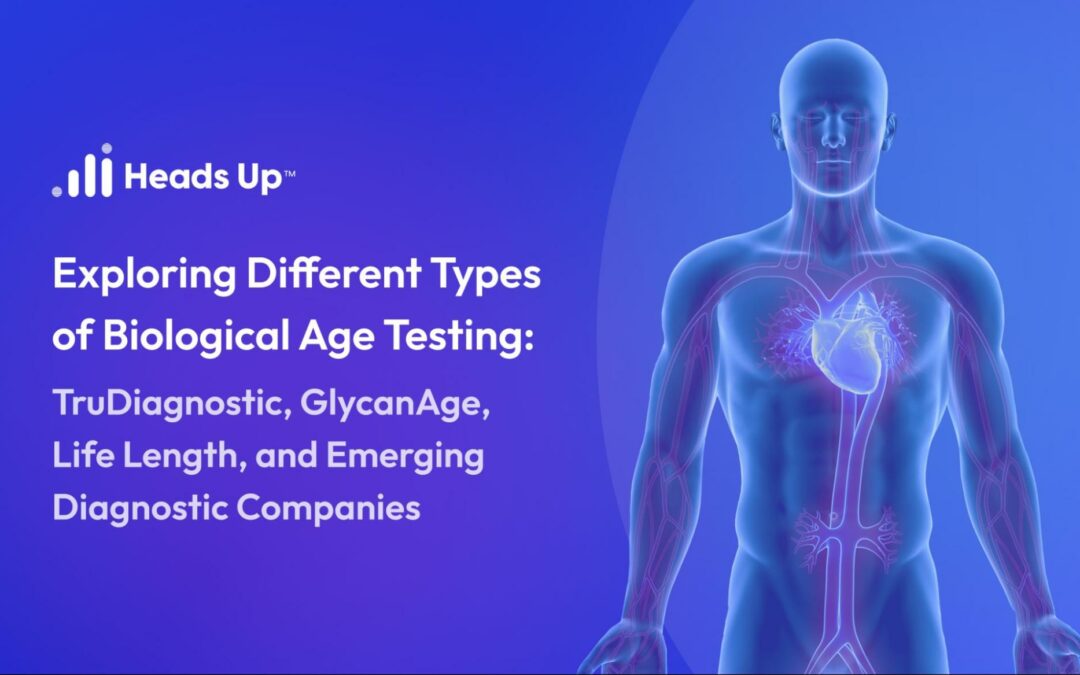
Biological Age Testing

Biological Age Testing

Abstract: Biological Age Tests

Biological age testing has gained significant attention as a tool for assessing an individual’s physiological state and predicting health outcomes. Unlike chronological age, biological age provides a more accurate reflection of an individual’s health status, influenced by genetic, lifestyle, and environmental factors. 

This article explores various types of biological age testing offered by leading companies like TruDiagnostic, GlycanAge, Life Length, and other emerging diagnostic labratories, highlighting their methodologies, applications, and implications for tracking biological age, health, and longevity.

Introduction to Biological Age Testing

Biological age is a measure of an individual’s functional and physiological health, often differing from chronological age, which simply reflects the passage of time since birth. Various biological age testing methods have been developed to quantify this measure, offering insights into aging processes and health risks. These tests typically assess biomarkers that correlate with aging, such as DNA methylation, glycan patterns, and telomere length.

Biological Age Testing: Key Concepts and Importance

What is Biological Age?

Biological age refers to the biological state of an individual’s body systems and tissues, influenced by genetics, lifestyle, and environmental exposures. It serves as a more accurate predictor of health and longevity than chronological age .

Importance of Biological Age Testing

Biological age testing provides valuable information on the aging process and helps identify areas for health improvement. It is used to:

  • Assess Health Risks: Identify potential health issues related to aging.
  • Monitor Longevity Interventions: Track the effectiveness of anti-aging treatments and lifestyle changes.
  • Personalize Health Strategies: Tailor health and wellness plans to individual needs based on biological age .

Types of Biological Age Testing

1. DNA Methylation Testing

DNA methylation is an epigenetic modification that changes with age and is influenced by various factors such as diet, stress, and environmental exposures. Tests measuring DNA methylation provide an estimate of biological age by analyzing methylation patterns at specific sites in the genome.

TruDiagnostic

Methodology: TruDiagnostic uses a comprehensive DNA methylation analysis to calculate biological age. The test measures methylation patterns at over 850,000 CpG sites across the genome, providing a detailed assessment of epigenetic age .

Applications: This test is used to assess aging processes, evaluate the impact of lifestyle changes on biological age, and guide personalized health interventions .

Benefits: Provides a detailed and accurate measure of biological age, helping to identify areas for health optimization .

Limitations: The test requires a blood sample and may not reflect real-time changes due to its focus on epigenetic modifications over longer periods .

Epigenetic Clock Testing

Several companies offer DNA methylation-based biological age tests using various epigenetic clocks:

  • Horvath Clock: Developed by Dr. Steve Horvath, it estimates biological age based on methylation levels at 353 CpG sites. It is widely used in research and clinical settings .
  • PhenoAge: An advanced epigenetic clock that incorporates clinical biomarkers and DNA methylation data to provide a more comprehensive estimate of biological age and health risks .

2. Glycan Age Testing

Glycans are complex carbohydrates attached to proteins and lipids, influencing various biological processes. Changes in glycan patterns are associated with aging and can serve as biomarkers for biological age.

GlycanAge

Methodology: GlycanAge measures the glycosylation patterns of immunoglobulin G (IgG), which change predictably with age. The test analyzes specific glycan structures to estimate biological age and assess immune system health .

Applications: Used to monitor the impact of lifestyle changes on biological age, evaluate immune health, and guide personalized interventions .

Benefits: Provides insights into immune system aging and overall health, offering a non-invasive way to track biological age .

Limitations: The test focuses on glycan patterns, which may not fully capture all aspects of biological aging .

Emerging Glycan Tests

  • Genos: Offers a range of glycan testing services that assess glycan profiles for insights into aging and disease risk. Their tests are used in research and clinical applications to study the effects of aging on glycan structures .

3. Telomere Length Testing

Telomeres are protective caps at the ends of chromosomes that shorten with each cell division. Telomere length is a well-established biomarker of aging, reflecting cellular aging and longevity.

Life Length

Methodology: Life Length measures telomere length using a proprietary technique called Telomere Analysis Technology (TAT). The test analyzes telomere length in various cell populations, providing a comprehensive view of biological age .

Applications: Used to assess cellular aging, monitor the effects of anti-aging interventions, and guide personalized health strategies .

Benefits: Provides a direct measure of cellular aging, helping to identify individuals at risk of age-related diseases .

Limitations: Telomere length is influenced by various factors, including genetics and lifestyle, which can complicate interpretation .

Other Telomere Testing Companies

  • RepeatDx: Specializes in telomere length analysis using Flow-FISH technology, which provides detailed measurements of telomere length in specific cell populations .
  • SpectraCell: Offers telomere length testing as part of their micronutrient and health assessment services, providing insights into biological aging and overall health .

4. Metabolomic and Proteomic Testing

Metabolomic and proteomic tests analyze the profiles of metabolites and proteins in the body, providing insights into metabolic and physiological changes associated with aging.

Emerging Diagnostic Companies

  • Biomarker Labs: Offers metabolomic testing to assess biological age by analyzing metabolites related to aging processes, such as oxidative stress and inflammation .
  • Proteomic Age: Provides proteomic testing services that measure protein levels and modifications to estimate biological age and assess health risks .

Applications: These tests are used to evaluate metabolic health, track the impact of dietary and lifestyle changes, and guide personalized interventions .

Benefits: Provide a comprehensive view of physiological changes associated with aging, helping to identify potential health risks and opportunities for intervention .

Limitations: The interpretation of metabolomic and proteomic data can be complex, requiring advanced analytical tools and expertise .

5. Composite Biological Age Tests

Composite tests combine multiple biomarkers to provide a more comprehensive assessment of biological age, reflecting the complex interactions between different aging processes.

Elysium Health

Methodology: Elysium Health’s Index test combines DNA methylation, telomere length, and other biomarkers to estimate biological age and assess overall health .

Applications: Used to monitor the impact of lifestyle changes on biological age, evaluate health risks, and guide personalized interventions .

Benefits: Provides a holistic view of biological age, incorporating multiple aspects of aging for a more accurate assessment .

Limitations: The complexity of composite tests can make interpretation challenging, requiring a nuanced understanding of the interactions between different biomarkers .

6. Emerging Technologies and Companies

Agewell Bio: Focuses on integrating multiple biomarkers, including epigenetic, proteomic, and metabolomic data, to provide a comprehensive assessment of biological age .

Tally Health: Offers a range of biological age testing services that combine advanced analytics and AI to provide personalized insights into aging and health .

Zymo Research: Provides epigenetic age testing services using advanced DNA methylation analysis to estimate biological age and guide health interventions .

Practical Applications and Implications for Health and Longevity

Personalizing Health Strategies

Biological age testing allows for personalized health strategies that address the specific needs and health risks of individuals. By understanding their biological age, individuals can take proactive steps to improve their health and reduce the risk of age-related diseases .

Monitoring Longevity Interventions

Regular biological age testing provides a valuable tool for monitoring the effectiveness of longevity interventions, such as dietary changes, exercise programs, and anti-aging therapies. By tracking changes in biological age over time, individuals can assess the impact of these interventions and make informed decisions about their health management .

Validating Health Outcomes

For healthcare providers and researchers, biological age testing offers a way to validate the outcomes of health interventions and treatments. By measuring changes in biological age, they can assess the effectiveness of different approaches and optimize their strategies for improving health and longevity .

Ethical and Practical Considerations

While biological age testing offers valuable insights, it is important to consider the ethical and practical implications of these tests. Issues such as data privacy, the potential for misuse of test results, and the need for informed consent should be carefully considered when using biological age testing in clinical and research settings .

Conclusion

Biological age testing provides a powerful tool for assessing health, monitoring aging processes, and guiding personalized interventions. Companies like TruDiagnostic, GlycanAge, Life Length, and emerging diagnostic firms offer a range of testing options that leverage advanced technologies to provide detailed insights into biological age.

 By integrating these tests into health and longevity programs, individuals and healthcare providers can optimize their strategies for maintaining health and extending lifespan. As the field of biological age testing continues to evolve, it will play an increasingly important role in promoting health and longevity.


References:

  1. Horvath, S. (2013). DNA methylation age of human tissues and cell types. Genome Biology, 14(10), R115.
  2. Belsky, D. W., Caspi, A., Houts, R., Cohen, H. J., Corcoran, D. L., Danese, A., … & Moffitt, T. E. (2015). Quantification of biological aging in young adults. Proceedings of the National Academy of Sciences, 112(30), E4104


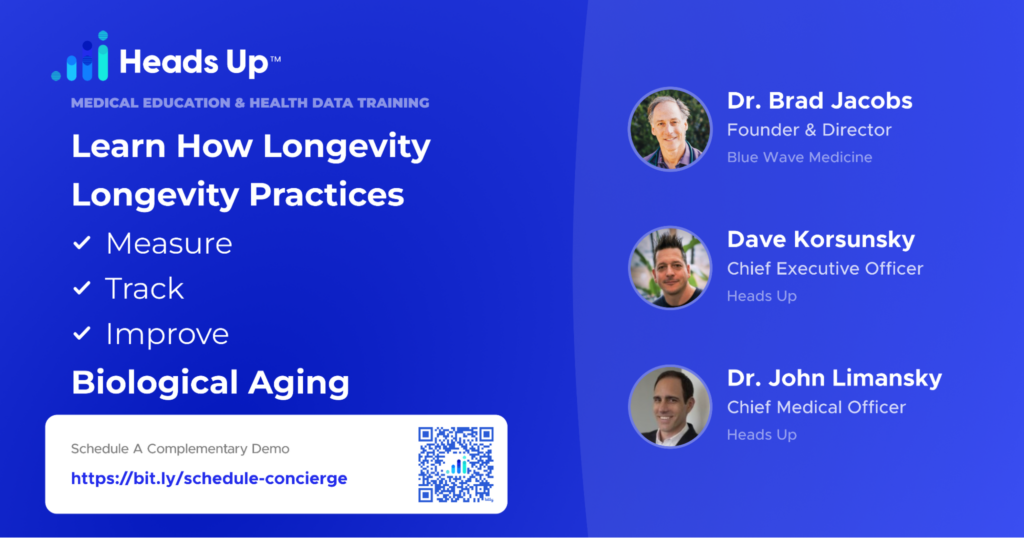
Discover how top Concierge Medicine Clinics quantify and improve longevity outcomes in their practice in this free training.

exploring 1