by Heads Up Health | Mar 26, 2024 | Educational, Heads Up HQ
For Functional Medicine practitioners, who focus on identifying and addressing the root causes of diseases through a holistic approach to healthcare, the “old way” of health data management through traditional Electronic Health Records (EHRs) presents several significant problems:
- Lack of Comprehensive Health Data Integration
Traditional EHR systems often fail to capture the full spectrum of data relevant to Functional Medicine, such as detailed lifestyle information, nutritional data, environmental exposures, and more. This omission makes it challenging for practitioners to get a complete picture of patient health and the various factors influencing it.
- Poor Interoperability and Data Sharing
The old way frequently involves siloed systems that hinder the seamless exchange of information between different healthcare providers, specialists, and patients. For Functional Medicine, which often requires collaboration with a range of health professionals and integration of various types of health data, this limitation is particularly problematic.
- Limited Support for Patient Engagement
Traditional EHRs typically offer minimal capabilities for direct patient engagement and empowerment. Functional Medicine emphasizes the importance of patient education and active participation in their health journey, requiring tools that facilitate communication, education, and shared decision-making between patients and practitioners.
- Inefficient Workflow and Increased Administrative Burden
Many EHRs are not user-friendly and require extensive time to navigate and input data, detracting from the time that could be spent on patient care. The administrative burden can be particularly heavy for Functional Medicine practitioners, who often need to record more detailed and varied information than found in conventional healthcare settings.
- Inadequate Support for Personalized Treatment Planning
The one-size-fits-all approach of many traditional EHRs does not align with the personalized and holistic treatment plans characteristic of Functional Medicine. These systems often lack the flexibility to support the nuanced and individualized care strategies that Functional Medicine practitioners develop for their patients.
- Difficulty in Tracking and Monitoring Patient Progress Over Time
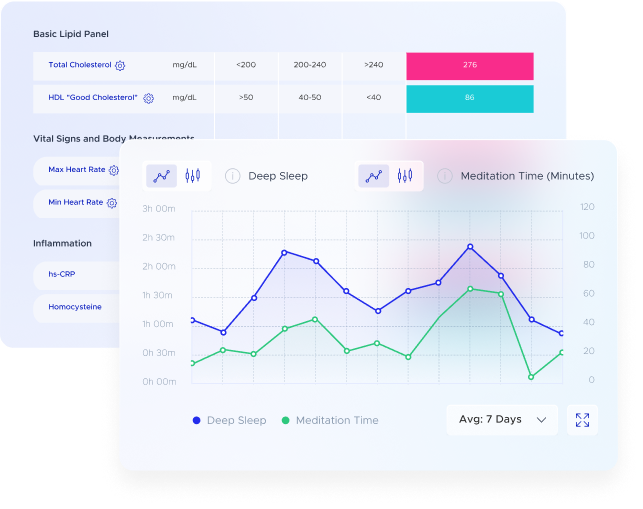
Functional Medicine requires tracking patient progress across multiple dimensions over time, including subtle changes in symptoms, lifestyle factors, and biometric data. Traditional EHRs are often not equipped to easily track and visualize this complex, longitudinal data in a way that supports ongoing assessment and adjustment of treatment plans.
- Challenges in Incorporating Cutting-Edge Research and Treatments
The field of Functional Medicine is rapidly evolving, with new research, treatments, and protocols regularly emerging. Traditional EHR systems can be slow to adapt, making it difficult for practitioners to incorporate the latest advances into their practice and patient records.
Addressing these challenges requires a new approach to health data management that is more aligned with the principles and practices of Functional Medicine. This includes systems that support comprehensive data integration, enhanced interoperability, patient engagement, efficient workflows, personalized care, and the flexibility to incorporate new research and treatments.
In confronting the limitations of traditional health data management, Functional Medicine practitioners need a solution that not only understands but actively supports their holistic approach to patient care. Heads Up Health’s Connected Health Data Integration & Analytics Platform is designed with these unique needs in mind, offering comprehensive data integration, enhanced patient engagement, and actionable insights to empower both practitioners and patients alike.
By transitioning to Heads Up Health, you can overcome the inefficiencies of the old way, embrace a future where data-driven, personalized care is the norm, and ultimately elevate the health outcomes of those you serve. We invite you to take the first step towards revolutionizing your practice by trying out Heads Up Health.
Discover how our platform can transform your approach to health data management and patient care today. Sign up for a Free Trial and see how much easier practicing can be with world class digital health tools.
by Heads Up Health | Jan 15, 2024 | Educational, Heads Up HQ
GLP-1 medications help control blood sugar and induce weight loss acting like a natural hormone in the body called GLP-1. This hormone is responsible for helping you feel full and triggering the release of other hormones that help control blood sugar. Taking this medication does have some positive and negative side effects.
Positive Side Effects of GLP-1
Beyond blood sugar control and weight loss, GLP-1 mediations may also help:
- Lower blood pressure
- Lower cholesterol
- Improve fatty liver disease
- Lower your risk of heart disease and other chronic diseases
It also has some positive side effects that are not fully understood at this time. It may help reduce “food noise” or obsessive thoughts about food. It has also been found to reduce certain behaviors around alcohol consumption, helping people decrease their intake. Further research is needed to understand why it has these psychological effects.
Negative Side Effects of GLP-1
GLP-1 medications also have some negative side effects. These include:
- Nausea
- Vomiting
- Diarrhea
- Loss of appetite
- Dizziness
- Headaches
- Indigestion
- Redness/itching at the injection site
Most people experience these side effects on the higher doses or the few days after the dose is increased.
There are a few severe, but rare side effects you should be aware of. These include:
- Pancreatitis
- Medullary thyroid cancer
- Acute kidney injury
- Allergic reactions
- Low blood sugar
When to speak to your provider
If you are experiencing mild digestive side effects from your GLP-1 medications, your healthcare provider may be able to provide some solutions. For example, eating smaller meals more frequently and avoiding high-fat foods can help relieve some nausea or indigestion. Eating balanced meals can help prevent blood sugar from dropping too low.
If you are experiencing severe side effects, regularly have episodes of low blood sugar, or have another significant concern, you may need to adjust the dose or stop the medication. Speak to your healthcare provider before making any of these changes.
Most people only report mild side effects from this medication and are able to tolerate it well.
References:
- Filippatos, T. D., Panagiotopoulou, T. V., & Elisaf, M. S. (2014). Adverse Effects of GLP-1 Receptor Agonists. The Review of Diabetic Studies: RDS, 11(3-4), 202–230.
- Jerlhag, E. (2020). Alcohol-mediated behaviours and the gut-brain axis; with focus on glucagon-like peptide-1. Brain Research, 1727, 146562.
- Blum, D. (2023, June 21). People on Drugs Like Ozempic Say Their “Food Noise” Has Disappeared. The New York Times. https://www.nytimes.com/2023/06/21/well/eat/ozempic-food-noise.html
by Heads Up Health | Dec 20, 2023 | Educational, Heads Up HQ
Exercise is beneficial for many aspects of mental and physical health, but may be particularly important if you are taking a GLP-1 medication.
A 2022 study found that when exercise and GLP-1 medications were paired together, subjects saw significant improvements in glucose tolerance, insulin, glucagon, and visceral fat volume. Another 2023 study found similar improvements with the combination of GLP-1 and exercise but also noted lower markers of inflammation and improved metabolic syndrome.
Researchers believe that GLP-1 medications may work synergistically with exercise to improve a variety of metabolic parameters related to blood sugar regulation, body weight, and cardiovascular disease risk factors.
What type of exercise is best?
The studies discussed above evaluated the impact of GLP-1 medications paired with moderate to strenuous-intensity cardiovascular exercise. The CDC recommends 150 minutes per day of moderate activity paired with 2 days per week of strength-building activity or 75 minutes per week of strenuous activity, paired with strength-building.
Moderate-intensity exercise would include brisk walking, dancing, house or yard work, or water aerobics. Strenuous activities would include jogging, cycle classes, HIIT workouts, or jumping rope.
At this time, there is no specific type of exercise that is recommended for people taking GLP-1 medications. The important thing is staying consistent and exercising regularly.
Staying Consistent with Exercise
When you are taking a GLP-1 medication, you will likely see better results when you pair it with regular exercise. So how do you stay consistent?
- Start by picking a workout you enjoy. The most benefit comes from exercising regularly, so pick something you love!
- Put exercise on your calendar, just like any other appointment.
- Set and track your exercise goals. Start with 3 days a week and work your way up. Track your progress as you go.
- Focus on what you can do, instead of being perfect. Only have 10 minutes? Start there! It’s better than nothing.
- Find a partner or class for accountability.
Exercising while taking a GLP-1 medication can boost your results by increasing your calorie burn and improving your blood sugar. Moving your body regularly is the best way to help optimize your results.
References:
- Åkerström, T., Stolpe, M. N., Widmer, R., et al. (2022). Endurance Training Improves GLP-1 Sensitivity and Glucose Tolerance in Overweight Women. Journal of the Endocrine Society, 6(9), bvac111.
- Sandsdal, R. M., Juhl, C. R., Jensen, S. B. K., et al. (2023). Combination of exercise and GLP-1 receptor agonist treatment reduces severity of metabolic syndrome, abdominal obesity, and inflammation: a randomized controlled trial. Cardiovascular Diabetology, 22(1), 41.
Hamasaki, H. (2018). Exercise and glucagon-like peptide-1: Does exercise potentiate the effect of treatment? World Journal of Diabetes, 9(8), 138–140.
by Heads Up Health | Dec 20, 2023 | Educational, Heads Up HQ
Typically, rapid weight loss can result in the loss of lean muscle and bone. Slower weight loss tends to preserve muscle mass, which may make it easier to keep the weight off long-term.
While many of us tend to only focus on the number on the scale while trying to lose weight, not all weight loss is good for our health. Losing lean muscle and bone along with body fat, will not make you healthier. In fact, for many older adults, the combination of low lean muscle with a high body fat percentage can increase the risk of many metabolic diseases regardless of how much they weigh.
GLP-1 medications are associated with a rapid and significant reduction in body weight. But what impact do these medications have on lean muscle and improving overall health?
GLP-1 and Lean Muscle
Animal studies have found that GLP-1 medications may help protect against muscle loss when compared to other forms of weight loss. However, the research is still limited on the impact that GLP-1 medications have on the loss of lean body mass in humans using them for weight loss.
A 2021 trial found that lean body mass accounted for 39% of the total weight lost in subjects using GLP-1 medications. But, because so much body fat was lost in addition to the lean body mass, the subjects still ended up with an increased proportion of lean body mass when compared to total body mass. Overall, the weight loss was still beneficial.
Additionally, researchers note that the loss of lean muscle mass is in line with the muscle loss experienced with other weight loss methods.
How to Preserve Lean Muscle
If you want to avoid losing too much lean muscle while taking a GLP-1 medication there are a few things that can help. These include adding resistance training to your exercise routine and eating a high protein diet.
Try to include resistance training twice a week in addition to 150 minutes of cardiovascular exercise per week.
Aim to eat at least .75-1 gram of protein per pound of your ideal body weight. This means that if your ideal weight is 150 pounds, you should try to eat 112-150 grams per day.
Finally, while it may be appealing to lose weight rapidly while on these medications, consider losing slowly. Don’t increase your dose if you are consistently losing 1-2 pounds per week. Speak to your provider about your ideal dose and when you should move up.
References:
- Ashtary-Larky, D., Ghanavati, M., Lamuchi-Deli, N., Payami, S. A., Alavi-Rad, S., Boustaninejad, M., Afrisham, R., Abbasnezhad, A., & Alipour, M. (2017). Rapid Weight Loss vs. Slow Weight Loss: Which is More Effective on Body Composition and Metabolic Risk Factors? International Journal of Endocrinology and Metabolism, 15(3), e13249.
- Gurjar, A. A., Kushwaha, S., Chattopadhyay, S., Das, N., Pal, S., China, S. P., Kumar, H., Trivedi, A. K., Guha, R., Chattopadhyay, N., & Sanyal, S. (2020). Long acting GLP-1 analog liraglutide ameliorates skeletal muscle atrophy in rodents. Metabolism: Clinical and Experimental, 103, 154044.
- Stenholm, S., Harris, T. B., Rantanen, T., Visser, M., Kritchevsky, S. B., & Ferrucci, L. (2008). Sarcopenic obesity: definition, cause and consequences. Current Opinion in Clinical Nutrition and Metabolic Care, 11(6), 693–700.
- Mason, C., Xiao, L., Imayama, I., Duggan, C. R., Foster-Schubert, K. E., Kong, A., Campbell, K. L., Wang, C.-Y., Villasenor, A., Neuhouser, M. L., Alfano, C. M., Blackburn, G. L., & McTiernan, A. (2013). Influence of diet, exercise, and serum vitamin d on sarcopenia in postmenopausal women. Medicine and Science in Sports and Exercise, 45(4), 607–614.
- Wilding, J. P. H., Batterham, R. L., Calanna, S., Davies, M., Van Gaal, L. F., Lingvay, I., McGowan, B. M., Rosenstock, J., Tran, M. T. D., Wadden, T. A., Wharton, S., Yokote, K., Zeuthen, N., Kushner, R. F., & STEP 1 Study Group. (2021). Once-weekly semaglutide in adults with overweight or obesity. The New England Journal of Medicine, 384(11), 989–1002.
by Heads Up Health | Dec 20, 2023 | Educational
How long it takes to see results with GLP-1 medications will depend on what you are taking it for. If you are using it to lower your blood sugar, it will typically start to work as soon as you reach your therapeutic dose, which will vary based on the individual.
For weight loss, the results can vary and depend on many different factors, including the diet and lifestyle changes you make while on the medication.
GLP-1 Results
When you start a GLP-1 medication for blood sugar control or weight loss your provider will start you on the lowest dose and slowly titrate up every 4-weeks or so. Gradually increasing the dose over a period of weeks lowers the risk of side effects and allows your body to get used to the medication. It is important that you follow the titration schedule to prevent any complications.
The therapeutic dose of semiglutide (Ozempic) for blood sugar control depends on the individual, your healthcare provider will decide the best dose for you. The therapeutic dose of semiglutide (Ozempic/Wegovy) for weight loss is 2.4 mg. However many people begin to lose weight on lower doses.
You may not experience any results until you have been on the medication for 4-8 weeks. Typically, most people start to notice gradual weight loss between weeks 5 and 9, but this can vary depending on the individual.
Once you reach your therapeutic dose, the expected rate of weight loss is 0.5-1% of your body weight per week. This means if you weigh 200 pounds, you can expect to lose 1-2 pounds per week but may lose more if you start at a higher weight. Weight loss will typically slow down the longer you stay on the medication and the closer you are to your goal weight.
Improving Your GLP-1 Results
If you want to optimize your results while taking the medication, the best thing you can do is make changes to your lifestyle and diet to support healthy blood sugar and weight loss. This includes:
- Following a calorie-controlled diet, rich in fruits and vegetables
- Choosing foods high in fiber and protein
- Avoiding sugar-sweetened beverages
- Limiting processed foods
- Limiting or avoiding alcohol
- Exercising at least 30-60 minutes daily
- Getting enough sleep (7-9 hours per night)
- Keeping stress in check
If you have been on the medication for 8 weeks and have not experienced any weight loss or improvements in your blood sugar, speak with your provider who can help you determine the best course of action to see results.
References:
- Pi-Sunyer, X., Astrup, A., Fujioka, K., et al. (2015). A Randomized, Controlled Trial of 3.0 mg of Liraglutide in Weight Management. The New England Journal of Medicine, 373(1), 11–22.
- Wilding, J. P. H., Batterham, R. L., Calanna, S.,et al (2021). Once-Weekly Semaglutide in Adults with Overweight or Obesity. The New England Journal of Medicine, 384(11), 989–1002.
by Heads Up Health | Dec 19, 2023 | Educational, Heads Up HQ
LP-1 medications are typically given by injection once per week. There are some GLP-1 medications that require daily injections. There is a new version of semiglutide called Rybelsus that is taken as a daily pill but is currently only approved for diabetes management.
GLP-1 Injections
Depending on your provider, GLP-1 medications come in an injectable pen that you will give yourself at home or that will be injected once weekly in your doctor’s office.
If you are giving yourself the injections, start by reading any instructions provided for how to use the medication. Store the medication in the refrigerator if directed to do so.
Pick a convenient day of the week to give yourself the injection, as it has to be taken once a week on the same day. The medication can be injected at any time of the day and does not need to be taken with food.
When you are ready to take your medication, always start by washing your hands. Inject the medication into the fat layer under the skin in the stomach, outer thigh, hips, upper buttocks, or the backs of the arm. Some manufacturers recommend injecting the medication into a different area of the body each week.
Be sure to dispose of the pens or needles safely. Follow your community guidelines for the proper disposal of sharps, as requirements can vary based on where you live.
Side effects
Monitor yourself for any side effects after the injection. You can expect some redness or bruising at the injection site. You may experience mild digestive side effects such as nausea, diarrhea, or constipation. You may also experience some dizziness, increased heart rate, or headaches.
If you have any signs of an allergic reaction, get immediate medical attention and stop taking the medication right away. Speak to your doctor if you have concerns about side effects.
Stopping the medication
While the medication can be stopped without any specific side effects, GLP-1 medications are meant to be used long-term. Both obesity and diabetes are considered chronic conditions that need to be managed. If you stop taking the medication, the blood sugar-lowering effects will go away.
You may or may not regain the weight lost if you stop taking the medication, depending on your lifestyle habits. A 2022 study found that most people regained about ⅔ of the weight they lost within a year after stopping the medication. Speak to your doctor if you want to stop the medication, as they can discuss your options with you.
References:
- Filippatos, T. D., Panagiotopoulou, T. V., & Elisaf, M. S. (2014). Adverse Effects of GLP-1 Receptor Agonists. The Review of Diabetic Studies: RDS, 11(3-4), 202–230.
- Wilding, J. P. H., Batterham, R. L., Davies, M., et al. (2022). Weight regain and cardiometabolic effects after withdrawal of semaglutide: The STEP 1 trial extension. Diabetes, Obesity & Metabolism, 24(8), 1553–1564.