Remote patient monitoring (RPM) has moved from a billing novelty to a core part of how modern practices deliver care between visits. The right RPM partner depends on what you monitor, who your patients are and how your team works. This guide covers what to look for and compares the leading remote patient monitoring companies and software platforms, including where Heads Up fits.
What to look for in remote patient monitoring software
Four things separate great RPM platforms from average ones: device breadth (how many monitors, wearables and meters connect out of the box), clinical intelligence (whether the platform surfaces what needs attention or just collects numbers), patient engagement (whether patients actually see and understand their own data) and billing support (time and data-day tracking that stands up to an audit).
Best remote patient monitoring companies and platforms
1. Heads Up
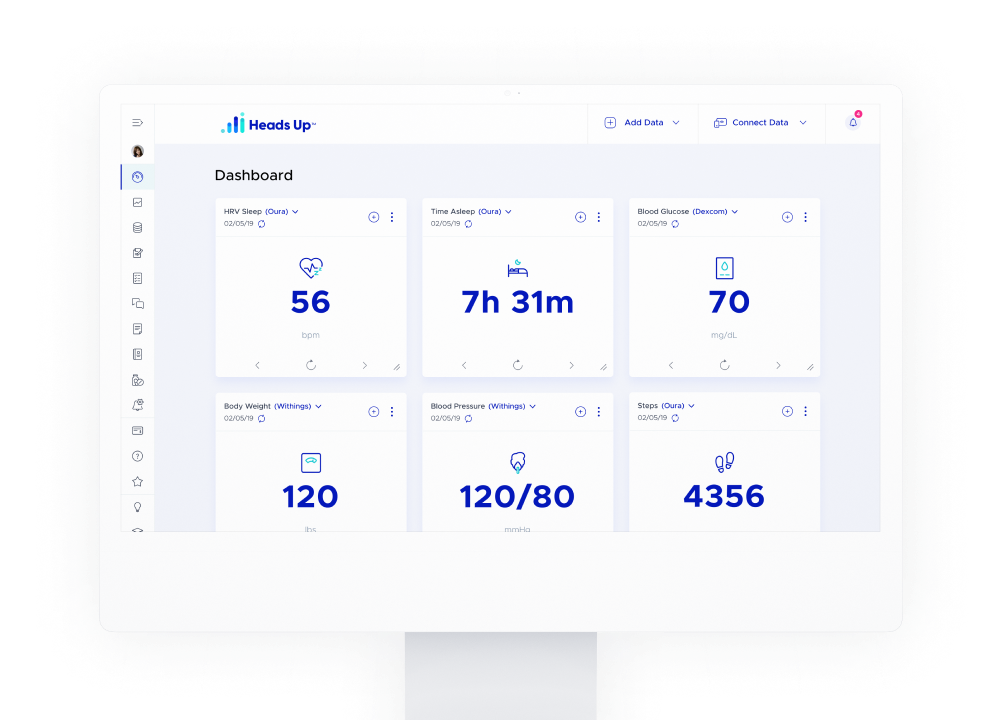
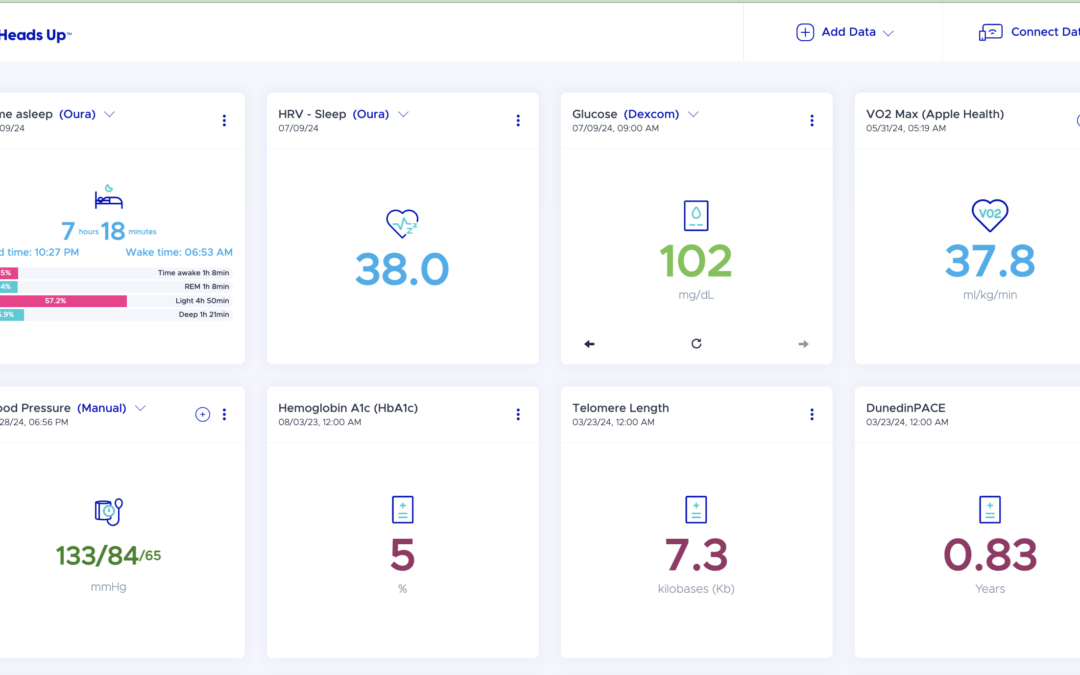
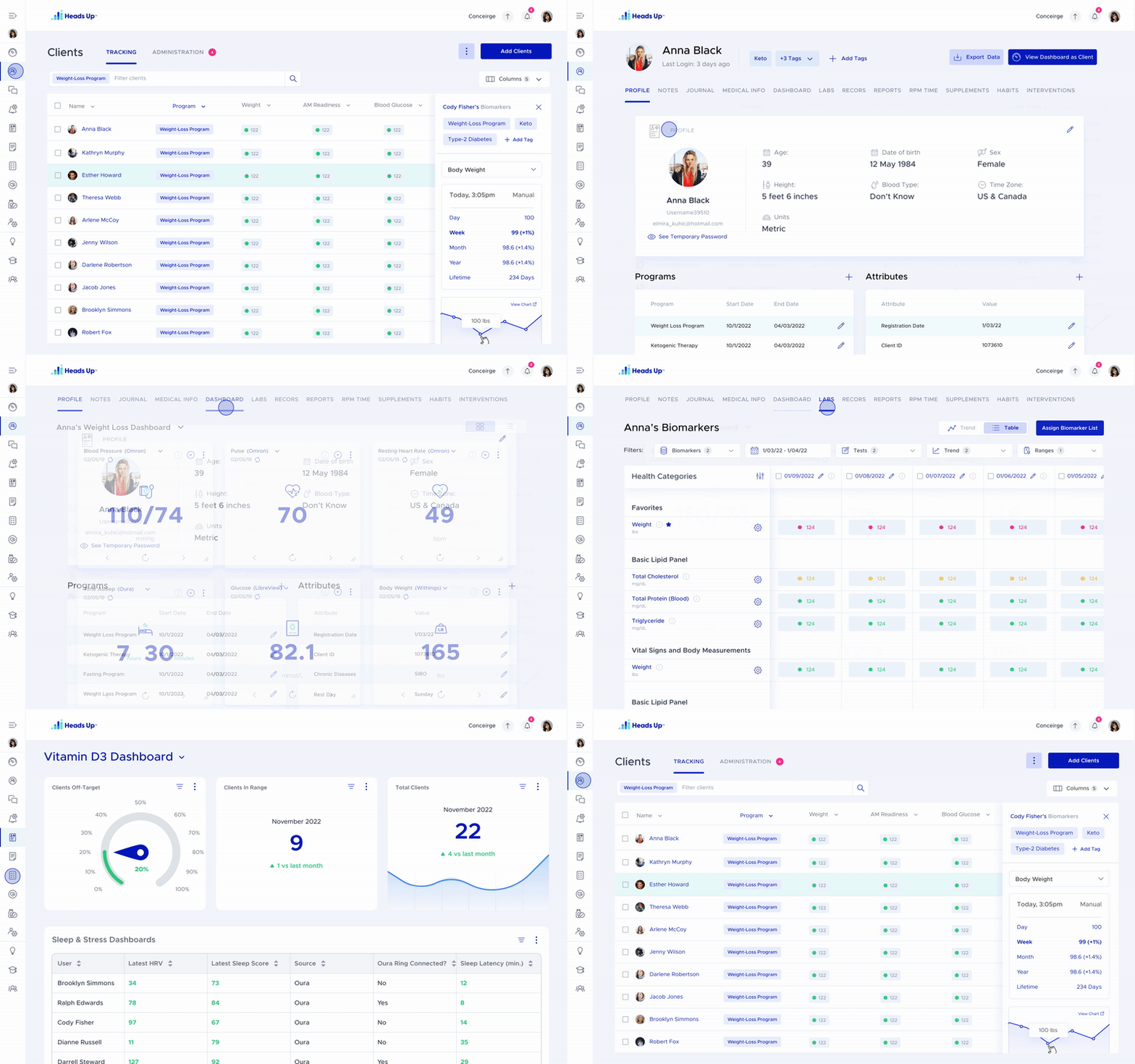
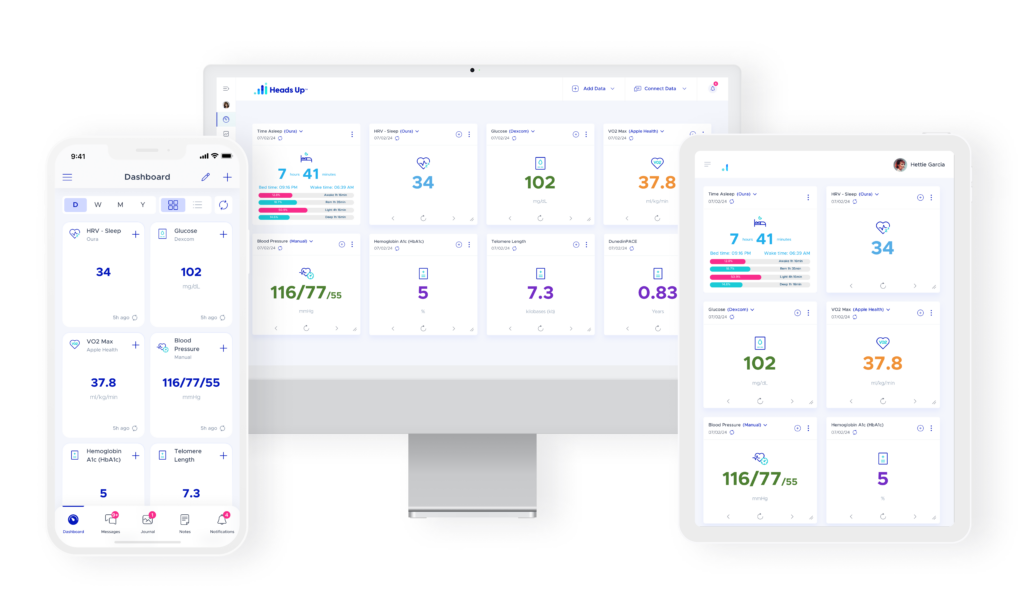
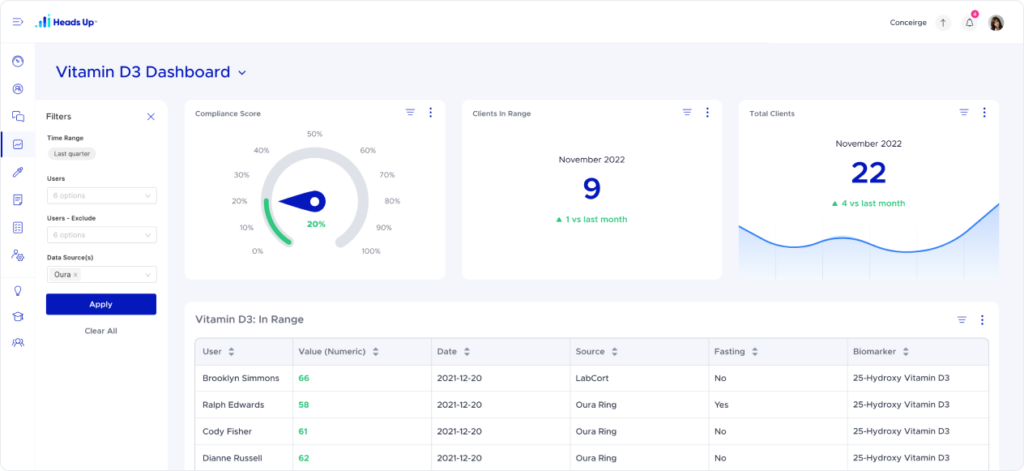
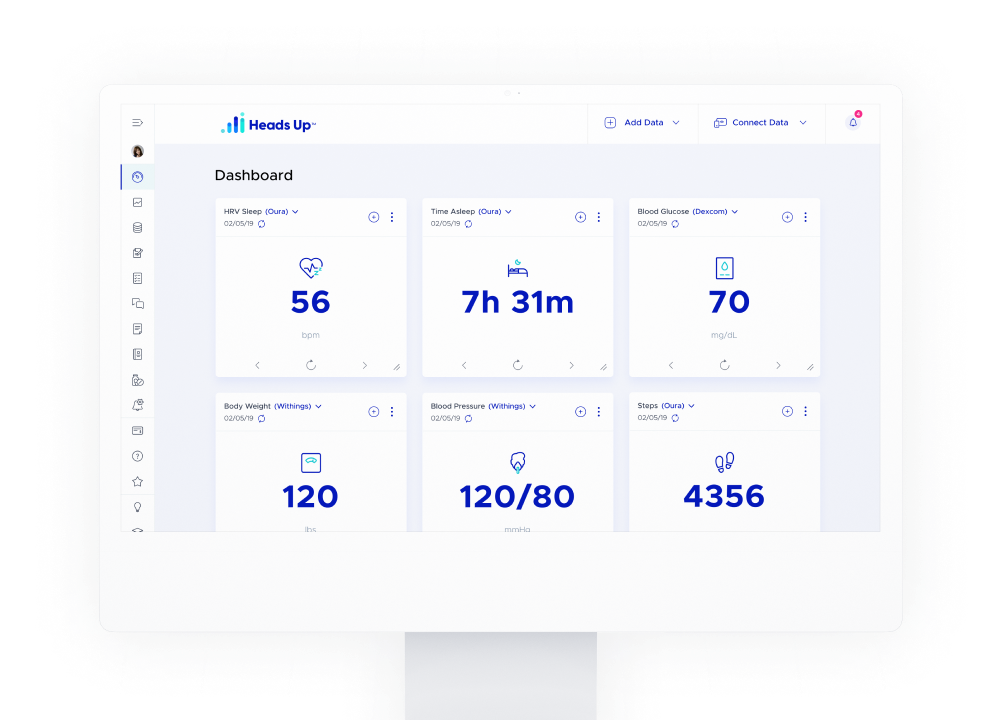
Heads Up is an AI-powered clinical intelligence platform that goes beyond classic vitals-only RPM. It connects 100+ sources, from blood pressure monitors, connected scales and CGMs to Oura, Garmin and lab results, and turns them into live patient dashboards with trends and alerts. Practices in longevity, functional medicine, concierge care and medical weight loss use it to run data-driven programs, and the built-in RPM billing data dashboard supports monitoring-time and data-day workflows. Best for practices that want RPM plus a full picture of each patient, not just a vitals feed.
2. Health Recovery Solutions
A long-established RPM vendor focused on post-acute and chronic care programs for health systems, with logistics support for shipping and managing monitoring kits. Best for hospital-affiliated programs managing high-acuity populations.
3. CareSimple
A turnkey RPM platform with cellular-connected devices that work out of the box without apps or pairing, aimed at reducing friction for older patients. Best for practices prioritising simplicity for less tech-confident populations.
4. Optimize Health
An RPM service and software provider that pairs its platform with clinical monitoring staff, useful for practices that want to outsource the day-to-day watching of readings. Best for teams without spare clinical capacity.
5. Accuhealth
An RPM provider combining connected devices with 24/7 monitoring services and an emphasis on straightforward reimbursement workflows. Best for smaller practices that want a managed service.
6. 100Plus
An AI-assisted RPM platform with a virtual assistant that handles patient outreach around readings. Best for practices that want automation around patient touchpoints.
7. Biocanic
A health program platform for functional and integrative practitioners with protocol-driven programs and lab integrations. Best for functional health programs where monitoring is part of a broader protocol.
8. Guava Health
A consumer-first personal health record that patients sometimes bring to their providers, aggregating their own device and lab data. Best thought of as a patient-side companion rather than a practice RPM system.
Which RPM company is right for your practice?
If your priority is classic vitals monitoring for a high-acuity population with managed services, a dedicated vendor like Health Recovery Solutions or Optimize Health fits well. If your practice runs data-driven programs across weight loss, longevity, functional or concierge care and you want RPM as part of one unified patient picture, Heads Up’s remote patient monitoring platform is built for exactly that. You can also take the free remote patient monitoring CE course or request a demo to see it with your own use case.
Frequently asked questions
What do remote patient monitoring companies actually provide?
Most provide three things: connected devices for patients, software that collects and organizes the readings, and workflows or services that help clinical teams respond and bill for monitoring.
How do practices bill for remote patient monitoring?
RPM billing is based on documented monitoring time and days of transmitted data each month. Platforms like Heads Up track both automatically so billing evidence is ready when you need it.
Can RPM work for weight loss and GLP-1 programs?
Yes. Connected scales, CGMs and wearables let clinics monitor weight loss and GLP-1 outcomes between visits, which improves engagement and supports eligible billing.
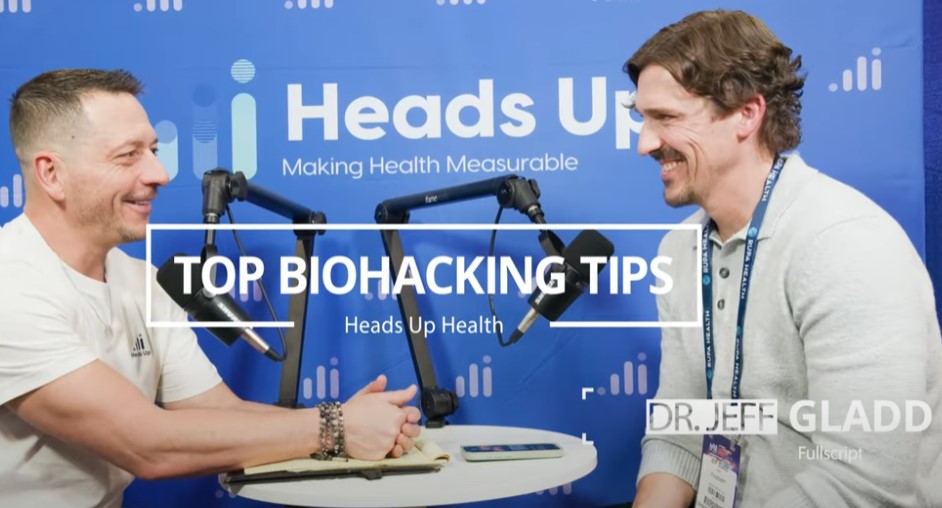
⚕️Find a Trusted Practitioner – Patients need personalized guidance rather than relying solely on podcasts, books, or DIY labs. Finding the right practitioner—even if it takes a few tries—can provide clarity in a noisy health space.
?️♂️ Prioritize Muscle Health – Strength training, protein intake, and creatine are essential. Many underestimate their protein needs and the role of muscle mass in long-term health, especially when on appetite-suppressing medications like GLP-1.
? Avoid Perfectionism – Balance over rigidity: it’s vital to have a solid health foundation, but also allow room to enjoy life’s pleasures like desserts and family gatherings without guilt.
Bonus Tips!
? Seek Second (and Third) Opinions – Don’t settle for one voice. If the first health expert isn’t the right fit, continue the search. It’s better to navigate through a few wrong choices than stay misled.
? Track with Tools Like Heads Up – Use digital health tools to assess nutrition and calorie intake. Even informed patients often underestimate protein and overestimate calories—awareness is key.
“Do not make perfection the goal… You should enjoy dessert with the family, enjoy your kid’s birthday party — we forget to enjoy life when perfection is the goal.”
Dr. Jeff Gladd
Concierge Medicine Physician
Insights Based on Numbers
GLP-1 and protein deficiency: When patients use GLP-1 medications, their appetite often drops, leading to reduced protein intake. This can harm muscle mass if not managed consciously.
Underestimation bias: Most patients significantly underestimate their protein intake, often realizing it only after tracking with tools like Cronometer.
Subscribe Below To Get Notified About Our Next Data-Driven Health & Medical Training
Leverage The Power Of Heads Up in your Health Practice
This article highlights the practical steps and benefits of the new Concierge Data Mapping updates, offering a guide for practitioners looking to get the most out of Heads Up’s concierge transcription and data mapping service.
Streamlining Health Data Management: New Updates to Heads Up’s Concierge Data Mapping Services
At Heads Up Health, we’re always working to improve how practitioners manage their health data. Today, we’re excited to introduce new features to our Concierge Transcription Data Mapping Service. These new updates are designed to…
Enhance transparency
Simplify workflows and
Provide better reporting
Here’s an overview of these updates and how they can make your practice workflows more efficient.
A New Level of Transparency in Data Processing
With the new updates to our concierge transcription process, users can now easily track the status of their uploaded lab data, ensuring full visibility into where their files are in the transcription process.
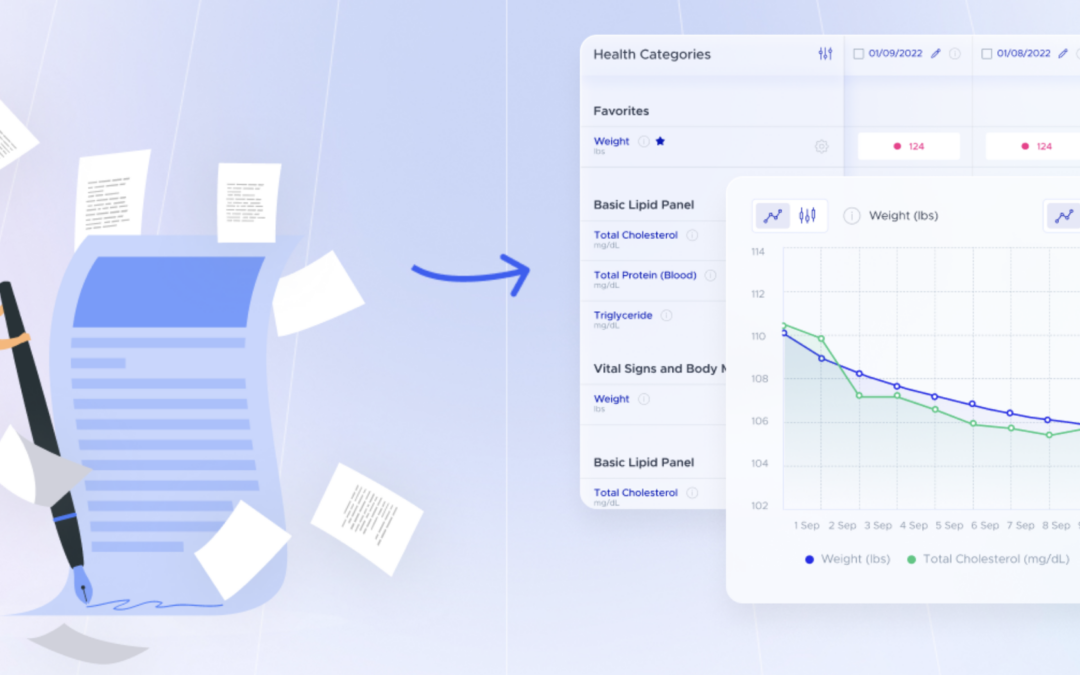
To start, after logging into your practitioner account, uploading a PDF is as simple as clicking the Concierge button in the top-right corner. Once a file is selected, you’ll be prompted to assign it to the correct client by typing their name. Afterward, just click Upload—and you’re done! From here, our team transcribes the lab data and adds it to the client’s record.
But what if you need to track the status of a file after uploading it? With our new features, you can now check where your uploaded files are in the process. Simply navigate to the Files page for the specific client, and you’ll see the status of each file, whether it’s in progress or completed. Once a file has been processed, it automatically moves from the Concierge Service folder to the Medical Records folder.
Direct Links Between Source Files and Lab Results
One of the most exciting new features is the ability to link directly between lab results and their source PDF files. This provides an added layer of clarity, allowing you to see exactly where the data came from. For example, if a client had a blood draw on a specific date, you can now click a small paper icon next to the lab results to view the original PDF source file. This makes it easier than ever to cross-reference results with the original lab documentation.
Similarly, if you’re viewing a file in the Files page, you can jump straight to the related lab results by clicking View Lab Results—giving you an instant, pre-filtered view of the specific data point.
Organizational Reporting: A Broader View of Concierge Activity
Our new Signals Report offers a system-wide view of all concierge uploads. Instead of manually checking individual client records, practitioners can access a dashboard that shows concierge activity across the entire organization. You’ll be able to see how many files have been uploaded, which clients are using the concierge service most frequently, and which users have uploaded the most data.
The report also provides detailed comments from the concierge process. If any issues arise, such as an incorrect file type, this section will include notes, giving you full transparency on the status of all uploads. Errors or incomplete files will be flagged here, helping you stay on top of the data flow.
Continued Enhancements for Seamless Data Management
At Heads Up Health, we’re committed to constantly optimizing our tools to make health data management as seamless as possible. These new updates are just the beginning, as we continue to refine the concierge process to ensure faster, more reliable transcription for your practice.
By enhancing the visibility of data processing and offering direct links between lab results and source files, these updates are set to save practitioners time and effort, allowing you to focus on what matters most—providing excellent care for your patients.
Stay tuned for more updates, as we work to make your experience with Heads Up Health even better.
Biological age testing has gained significant attention as a tool for assessing an individual’s physiological state and predicting health outcomes. Unlike chronological age, biological age provides a more accurate reflection of an individual’s health status, influenced by genetic, lifestyle, and environmental factors.
This article explores various types of biological age testing offered by leading companies like TruDiagnostic, GlycanAge, Life Length, and other emerging diagnostic labratories, highlighting their methodologies, applications, and implications for tracking biological age, health, and longevity.
Clinics using Heads Up can bring biological age results from multiple providers into the longevity platform alongside labs and wearables, with trends visualized for every patient. For a comparison of tools, see our guide to the best software for longevity practices.
Introduction to Biological Age Testing
Biological age is a measure of an individual’s functional and physiological health, often differing from chronological age, which simply reflects the passage of time since birth. Various biological age testing methods have been developed to quantify this measure, offering insights into aging processes and health risks. These tests typically assess biomarkers that correlate with aging, such as DNA methylation, glycan patterns, and telomere length.
Biological Age Testing: Key Concepts and Importance
What is Biological Age?
Biological age refers to the biological state of an individual’s body systems and tissues, influenced by genetics, lifestyle, and environmental exposures. It serves as a more accurate predictor of health and longevity than chronological age .
Importance of Biological Age Testing
Biological age testing provides valuable information on the aging process and helps identify areas for health improvement. It is used to:
Assess Health Risks: Identify potential health issues related to aging.
Monitor Longevity Interventions: Track the effectiveness of anti-aging treatments and lifestyle changes.
Personalize Health Strategies: Tailor health and wellness plans to individual needs based on biological age .
Types of Biological Age Testing
1. DNA Methylation Testing
DNA methylation is an epigenetic modification that changes with age and is influenced by various factors such as diet, stress, and environmental exposures. Tests measuring DNA methylation provide an estimate of biological age by analyzing methylation patterns at specific sites in the genome.
TruDiagnostic
Methodology: TruDiagnostic uses a comprehensive DNA methylation analysis to calculate biological age. The test measures methylation patterns at over 850,000 CpG sites across the genome, providing a detailed assessment of epigenetic age .
Applications: This test is used to assess aging processes, evaluate the impact of lifestyle changes on biological age, and guide personalized health interventions .
Benefits: Provides a detailed and accurate measure of biological age, helping to identify areas for health optimization .
Limitations: The test requires a blood sample and may not reflect real-time changes due to its focus on epigenetic modifications over longer periods .
Epigenetic Clock Testing
Several companies offer DNA methylation-based biological age tests using various epigenetic clocks:
Horvath Clock: Developed by Dr. Steve Horvath, it estimates biological age based on methylation levels at 353 CpG sites. It is widely used in research and clinical settings .
PhenoAge: An advanced epigenetic clock that incorporates clinical biomarkers and DNA methylation data to provide a more comprehensive estimate of biological age and health risks .
2. Glycan Age Testing
Glycans are complex carbohydrates attached to proteins and lipids, influencing various biological processes. Changes in glycan patterns are associated with aging and can serve as biomarkers for biological age.
GlycanAge
Methodology: GlycanAge measures the glycosylation patterns of immunoglobulin G (IgG), which change predictably with age. The test analyzes specific glycan structures to estimate biological age and assess immune system health .
Applications: Used to monitor the impact of lifestyle changes on biological age, evaluate immune health, and guide personalized interventions .
Benefits: Provides insights into immune system aging and overall health, offering a non-invasive way to track biological age .
Limitations: The test focuses on glycan patterns, which may not fully capture all aspects of biological aging .
Emerging Glycan Tests
Genos: Offers a range of glycan testing services that assess glycan profiles for insights into aging and disease risk. Their tests are used in research and clinical applications to study the effects of aging on glycan structures .
3. Telomere Length Testing
Telomeres are protective caps at the ends of chromosomes that shorten with each cell division. Telomere length is a well-established biomarker of aging, reflecting cellular aging and longevity.
Life Length
Methodology: Life Length measures telomere length using a proprietary technique called Telomere Analysis Technology (TAT). The test analyzes telomere length in various cell populations, providing a comprehensive view of biological age .
Applications: Used to assess cellular aging, monitor the effects of anti-aging interventions, and guide personalized health strategies .
Benefits: Provides a direct measure of cellular aging, helping to identify individuals at risk of age-related diseases .
Limitations: Telomere length is influenced by various factors, including genetics and lifestyle, which can complicate interpretation .
Other Telomere Testing Companies
RepeatDx: Specializes in telomere length analysis using Flow-FISH technology, which provides detailed measurements of telomere length in specific cell populations .
SpectraCell: Offers telomere length testing as part of their micronutrient and health assessment services, providing insights into biological aging and overall health .
4. Metabolomic and Proteomic Testing
Metabolomic and proteomic tests analyze the profiles of metabolites and proteins in the body, providing insights into metabolic and physiological changes associated with aging.
Emerging Diagnostic Companies
Biomarker Labs: Offers metabolomic testing to assess biological age by analyzing metabolites related to aging processes, such as oxidative stress and inflammation .
Proteomic Age: Provides proteomic testing services that measure protein levels and modifications to estimate biological age and assess health risks .
Applications: These tests are used to evaluate metabolic health, track the impact of dietary and lifestyle changes, and guide personalized interventions .
Benefits: Provide a comprehensive view of physiological changes associated with aging, helping to identify potential health risks and opportunities for intervention .
Limitations: The interpretation of metabolomic and proteomic data can be complex, requiring advanced analytical tools and expertise .
5. Composite Biological Age Tests
Composite tests combine multiple biomarkers to provide a more comprehensive assessment of biological age, reflecting the complex interactions between different aging processes.
Elysium Health
Methodology: Elysium Health’s Index test combines DNA methylation, telomere length, and other biomarkers to estimate biological age and assess overall health .
Applications: Used to monitor the impact of lifestyle changes on biological age, evaluate health risks, and guide personalized interventions .
Benefits: Provides a holistic view of biological age, incorporating multiple aspects of aging for a more accurate assessment .
Limitations: The complexity of composite tests can make interpretation challenging, requiring a nuanced understanding of the interactions between different biomarkers .
6. Emerging Technologies and Companies
Agewell Bio: Focuses on integrating multiple biomarkers, including epigenetic, proteomic, and metabolomic data, to provide a comprehensive assessment of biological age .
Tally Health: Offers a range of biological age testing services that combine advanced analytics and AI to provide personalized insights into aging and health .
Zymo Research: Provides epigenetic age testing services using advanced DNA methylation analysis to estimate biological age and guide health interventions .
Practical Applications and Implications for Health and Longevity
Personalizing Health Strategies
Biological age testing allows for personalized health strategies that address the specific needs and health risks of individuals. By understanding their biological age, individuals can take proactive steps to improve their health and reduce the risk of age-related diseases .
Monitoring Longevity Interventions
Regular biological age testing provides a valuable tool for monitoring the effectiveness of longevity interventions, such as dietary changes, exercise programs, and anti-aging therapies. By tracking changes in biological age over time, individuals can assess the impact of these interventions and make informed decisions about their health management .
Validating Health Outcomes
For healthcare providers and researchers, biological age testing offers a way to validate the outcomes of health interventions and treatments. By measuring changes in biological age, they can assess the effectiveness of different approaches and optimize their strategies for improving health and longevity .
Ethical and Practical Considerations
While biological age testing offers valuable insights, it is important to consider the ethical and practical implications of these tests. Issues such as data privacy, the potential for misuse of test results, and the need for informed consent should be carefully considered when using biological age testing in clinical and research settings .
Conclusion
Biological age testing provides a powerful tool for assessing health, monitoring aging processes, and guiding personalized interventions. Companies like TruDiagnostic, GlycanAge, Life Length, and emerging diagnostic firms offer a range of testing options that leverage advanced technologies to provide detailed insights into biological age.
By integrating these tests into health and longevity programs, individuals and healthcare providers can optimize their strategies for maintaining health and extending lifespan. As the field of biological age testing continues to evolve, it will play an increasingly important role in promoting health and longevity.
References:
Horvath, S. (2013). DNA methylation age of human tissues and cell types. Genome Biology, 14(10), R115.
Belsky, D. W., Caspi, A., Houts, R., Cohen, H. J., Corcoran, D. L., Danese, A., … & Moffitt, T. E. (2015). Quantification of biological aging in young adults. Proceedings of the National Academy of Sciences, 112(30), E4104
Best Software for Longevity Practices: A Deep Dive for Health Professionals
The growing field of longevity practices aims to extend the healthy years of life by focusing on proactive health management, personalized care, and data-driven insights. As health professionals seek to optimize patient outcomes and streamline their practices, selecting the best software becomes crucial. This comprehensive article explores the best software solutions for longevity practices, with an in-depth look at their scientific foundations and practical applications.
The Science of Longevity
Understanding Longevity
Longevity science is the study of the biological processes that contribute to aging and the interventions that can extend healthy lifespan. Key areas of focus include:
Genetics and Epigenetics: How genetic factors and modifications in gene expression influence aging.
Cellular Senescence: The process by which cells cease to divide and contribute to aging and age-related diseases.
Telomere Length: The protective caps on the ends of chromosomes that shorten with each cell division, influencing aging.
Oxidative Stress: Damage caused by free radicals that can accelerate aging and contribute to chronic diseases.
Inflammation: Chronic low-grade inflammation (inflammaging) is a significant contributor to aging and age-related diseases.
Key Biomarkers in Longevity
To effectively manage and extend lifespan, it is essential to monitor various biomarkers that provide insights into an individual’s biological age and overall health. These include:
Blood Glucose Levels: High glucose levels are linked to diabetes and cardiovascular diseases.
Lipid Profiles: Cholesterol and triglyceride levels are critical indicators of cardiovascular health.
Inflammatory Markers: C-reactive protein (CRP) and interleukin-6 (IL-6) levels indicate the presence of chronic inflammation.
Hormonal Levels: Hormones such as insulin, cortisol, and thyroid hormones play crucial roles in metabolism and aging.
DNA Methylation: Epigenetic changes that can indicate biological aging and risk of age-related diseases.
Best Software Solutions for Longevity Practices
Selecting the right software for longevity practices involves considering tools that integrate various health metrics, provide advanced analytics, and support personalized care. Here are the top software solutions, with a special focus on Heads Up.
Heads Up is a health data analytics platform designed to integrate data from various sources, including wearable devices, lab tests, and health apps. It offers a centralized dashboard for comprehensive health monitoring, making it ideal for longevity practices.
Key Features
Integration with Wearables and Apps: Heads Up syncs with popular devices like Oura, Dexcom, FreeStyle Libre, Apple Health, and Fitbit, providing real-time data.
Customizable Dashboards: Practitioners can tailor dashboards to track specific metrics such as glucose levels, HRV, and sleep patterns.
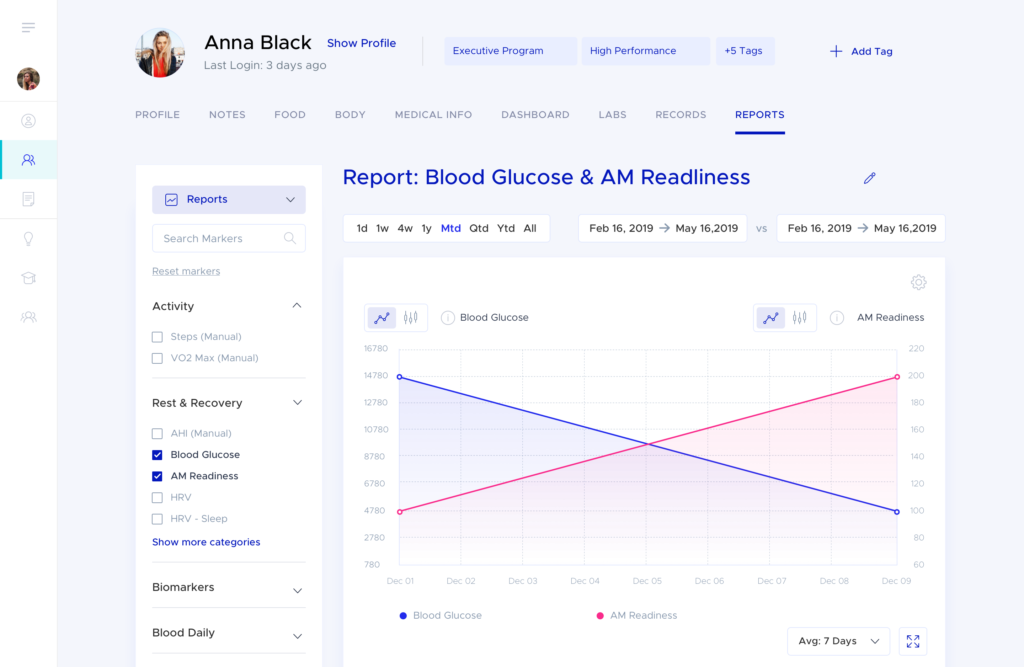
Advanced Analytics: The platform offers detailed reports that correlate different health metrics, uncovering valuable insights into patient health.
Real-Time Alerts: Customizable alerts notify practitioners of significant changes in health metrics, enabling timely interventions.
Benefits for Longevity Practices
Comprehensive Health View: Heads Up provides a holistic view of patient health by integrating data from various sources, which is crucial for longevity practices.
Proactive Health Management: Real-time data and alerts allow health professionals to address potential issues before they escalate.
Enhanced Patient Engagement: Customizable dashboards and detailed reports keep patients informed and motivated.
Scientific Foundations of Heads Up
Heads Up leverages multiple scientific principles to enhance longevity practices:
Data Integration: By consolidating data from wearables and lab tests, Heads Up provides a comprehensive view of health, allowing for more accurate assessments and personalized interventions.
Predictive Analytics: The platform uses advanced algorithms to predict potential health issues based on historical data and trends, enabling proactive management.
Behavioral Insights: Monitoring various health metrics helps practitioners understand the impact of lifestyle changes on patient health, facilitating tailored recommendations.
2. Chronomics
Overview
Chronomics offers a DNA-based health tracking platform that provides insights into biological age and other longevity-related metrics. It uses epigenetic data to help practitioners understand how lifestyle and environmental factors impact health.
Key Features
Epigenetic Testing: Provides detailed reports on biological age, immune system health, and other critical metrics.
Personalized Recommendations: Offers lifestyle and dietary recommendations based on genetic data.
Integration with Health Devices: Syncs with various health tracking devices for a comprehensive health overview.
Benefits for Longevity Practices
Scientific Precision: Chronomics’ use of epigenetic testing provides precise insights into biological aging and health risks.
Personalized Care: Genetic data allows for highly personalized lifestyle and dietary recommendations.
Holistic Health View: Integration with health devices ensures a comprehensive understanding of patient health.
Scientific Foundations of Chronomics
Chronomics leverages epigenetic science to provide actionable insights:
Epigenetic Biomarkers: By analyzing DNA methylation patterns, Chronomics assesses biological age and identifies risk factors for age-related diseases.
Lifestyle Impact: The platform evaluates how lifestyle and environmental factors influence epigenetic markers, enabling personalized recommendations to mitigate health risks.
Preventive Health: Early identification of epigenetic changes allows for timely interventions to prevent age-related diseases.
3. InsideTracker
Overview
InsideTracker uses blood tests to provide personalized health recommendations. It tracks various biomarkers to give insights into a patient’s health and suggests interventions to optimize longevity.
Key Features
Biomarker Tracking: Monitors critical health markers such as glucose, cholesterol, and inflammation levels.
Personalized Plans: Creates customized health plans based on biomarker analysis.
Progress Tracking: Provides tools to track improvements over time.
Benefits for Longevity Practices
Targeted Interventions: InsideTracker’s focus on biomarker analysis allows for targeted interventions to address specific health risks.
Personalized Care Plans: Custom health plans based on individual biomarker data enhance patient outcomes.
Continuous Monitoring: Ongoing tracking of biomarkers helps practitioners adjust care plans as needed.
Scientific Foundations of InsideTracker
InsideTracker’s approach is rooted in biomarker science:
Comprehensive Biomarker Analysis: The platform analyzes a wide range of biomarkers to assess health and identify potential issues.
Data-Driven Recommendations: Personalized health plans are based on scientific analysis of biomarker data, ensuring evidence-based interventions.
Longitudinal Monitoring: Continuous tracking of biomarkers over time provides insights into the effectiveness of interventions and overall health trends.
4. Labster
Overview
Labster offers virtual lab simulations for health professionals to train in longevity practices. It provides a range of interactive lab exercises that help practitioners stay updated with the latest in health science.
Key Features
Interactive Simulations: Offers realistic lab environments for practical learning.
Comprehensive Content: Covers various aspects of health science, from basic biology to advanced longevity studies.
Customizable Modules: Allows educators to tailor modules to specific learning goals.
Benefits for Longevity Practices
Hands-On Learning: Virtual simulations provide practical experience with advanced longevity concepts.
Up-to-Date Training: Continuous updates ensure practitioners stay informed about the latest scientific developments.
Flexible Learning: Customizable modules cater to individual learning needs and goals.
Scientific Foundations of Labster
Labster enhances longevity practices through advanced educational tools:
Virtual Reality: Immersive simulations provide a realistic learning environment, enhancing understanding of complex concepts.
Evidence-Based Content: Modules are based on the latest scientific research, ensuring practitioners receive accurate and up-to-date information.
Skill Development: Interactive exercises help practitioners develop practical skills needed for effective longevity management.
Addressing the Needs of Longevity Practices
Comprehensive Data Integration
Longevity practices require comprehensive data integration to provide a holistic view of patient health. Software solutions like Heads Up excel in this area by consolidating data from multiple sources, including wearables, lab tests, and health apps. This integration allows practitioners to monitor various health metrics and identify correlations that inform personalized care plans.
Personalized Health Insights
Personalized health insights are crucial for effective longevity management. Tools like Chronomics and InsideTracker offer genetic and biomarker analysis, providing precise insights into individual health risks and needs. These insights enable practitioners to develop tailored interventions that address specific health issues and optimize overall well-being.
Real-Time Monitoring and Alerts
Real-time monitoring and alerts are essential for proactive health management. Heads Up’s customizable alerts notify practitioners of significant changes in health metrics, allowing for timely interventions. This feature is particularly valuable in preventing acute health issues and ensuring continuous patient engagement.
Advanced Analytics and Reporting
Advanced analytics and reporting capabilities are vital for uncovering valuable health insights. Heads Up’s Report Analyzer generates detailed reports that correlate different health metrics, helping practitioners understand the impact of various factors on patient health. These insights support data-driven decision-making and enhance the effectiveness of care plans.
Educational Resources and Continuous Learning
Ongoing education and training are crucial for health professionals in longevity practices. Platforms like Labster provide interactive simulations and up-to-date content, helping practitioners stay informed about the latest scientific developments. This continuous learning ensures that practitioners can apply the most current knowledge to their practice.
Implementing the Best Software for Longevity Practices
Choosing the Right Software
When selecting software for longevity practices, health professionals should consider the following factors:
Integration Capabilities: Ensure the software can integrate with various health devices and data sources to provide a comprehensive view of patient health.
Ease of Use: The software should have an intuitive interface that simplifies data entry, monitoring, and analysis.
Customization Options: Look for tools that offer customizable dashboards and reports to meet the specific needs of your practice.
Real-Time Alerts: Opt for software that provides real-time alerts for significant changes in health metrics.
Educational Support: Choose platforms that offer educational resources and continuous learning opportunities for practitioners.
Setting Up and Training
Implementing newup software requires careful planning and training to ensure a smooth transition and maximize the benefits. Here are some steps to consider:
Assessment and Planning:
Identify Needs: Evaluate the specific needs of your practice, including the types of data you need to integrate and the metrics you want to track.
Set Objectives: Define clear objectives for what you want to achieve with the new software, such as improved patient outcomes, enhanced efficiency, or better data insights.
Implementation:
Data Integration: Ensure all relevant health data sources, such as wearables, lab tests, and health apps, are integrated into the new software.
Custom Configuration: Customize dashboards and reports to align with your practice’s specific needs and objectives.
Pilot Testing: Conduct a pilot test with a small group of patients to identify any issues and make necessary adjustments before a full rollout.
Training:
Staff Training: Provide comprehensive training for all staff members on how to use the new software, focusing on data entry, monitoring, and analysis features.
Patient Education: Educate patients on how the new system will benefit them and how they can engage with their health data through the software.
Continuous Support and Evaluation:
Technical Support: Ensure ongoing technical support is available to address any issues that arise.
Regular Reviews: Conduct regular reviews to evaluate the software’s performance, gather feedback from staff and patients, and make continuous improvements.
Choosing the best software for longevity practices is crucial for optimizing patient care, enhancing efficiency, and achieving better health outcomes. Heads Up stands out as a comprehensive solution, offering seamless integration with various health metrics, advanced analytics, and personalized care capabilities. Other notable options like Chronomics, InsideTracker, and Labster also provide unique features tailored to different aspects of longevity practices.
By leveraging these advanced tools, health professionals can provide personalized care, proactively manage health risks, and ultimately enhance the quality and longevity of their patients’ lives.
For more information on how Heads Up can transform your longevity practice, visit Heads Up.
By ensuring a comprehensive, scientifically grounded approach, longevity practices can better serve their patients and achieve their goals of extending healthy lifespans through effective and efficient health management.
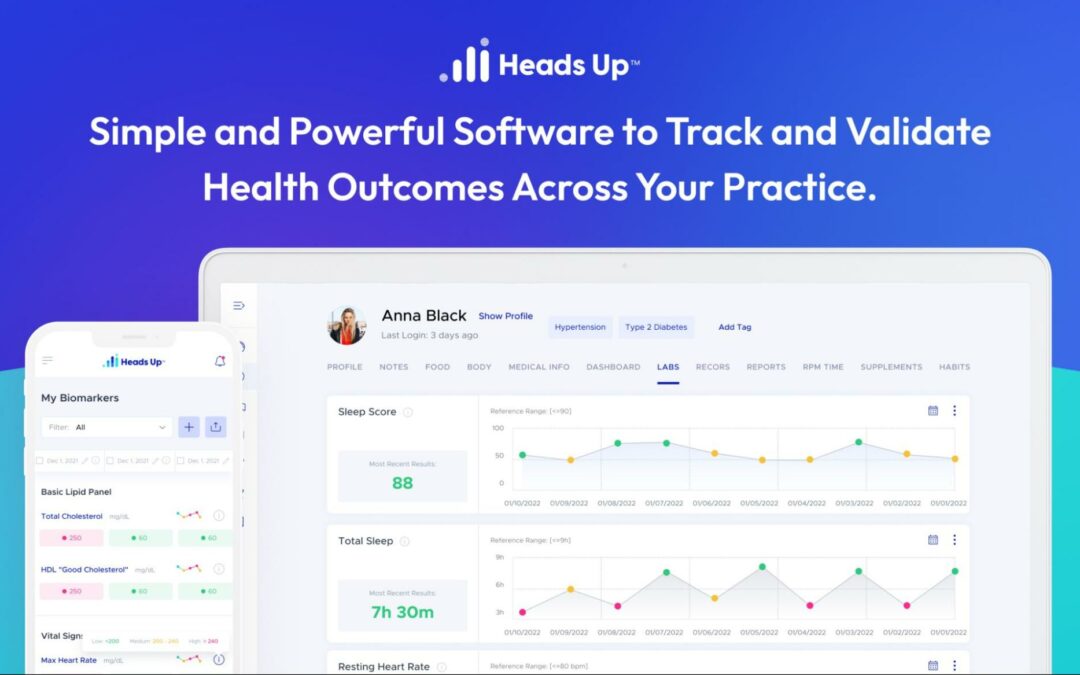
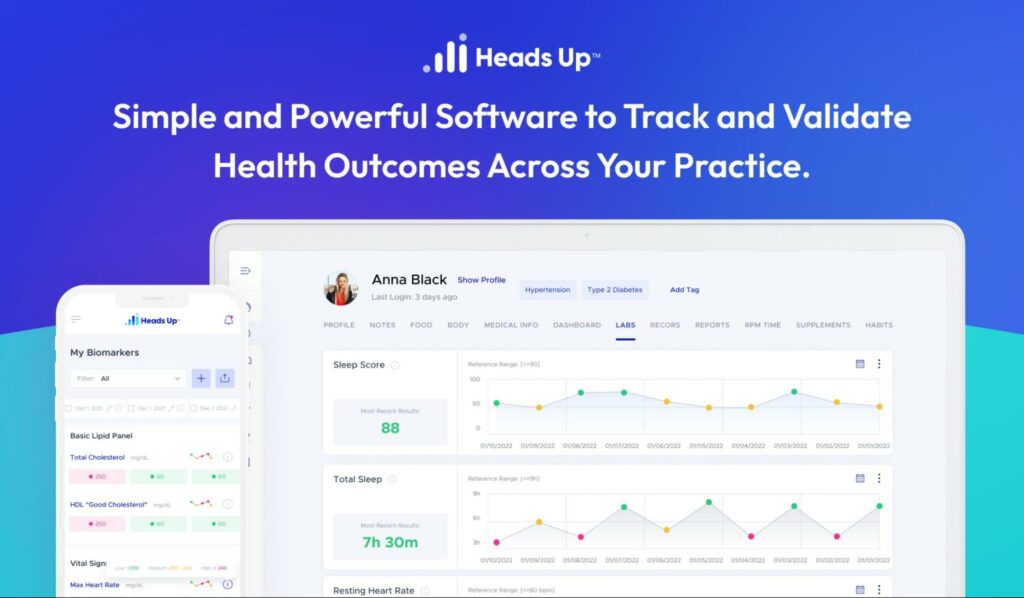
In the evolving landscape of healthcare, the ability to track and validate patient outcomes is critical for ensuring the effectiveness of interventions and improving overall practice management. Heads Up offers a simple yet powerful software solution that enables health professionals to monitor health metrics, track outcomes, and validate the success of treatments across their practice efficiently.
This article explores the features of Heads up, its benefits for healthcare including concierge medicine practices, integrative and functional practitioners, biohacking clinics, and longevity programs. Discover practical strategies for integrating it into clinical workflows to enhance patient care and validate outcomes.
Introduction
As healthcare moves towards more personalized and data-driven approaches, the need for robust tools to track and validate patient outcomes has never been greater. Heads up provides a comprehensive platform that simplifies the collection, analysis, and interpretation of health data, making it an ideal solution for healthcare practices looking to improve patient care and validate the effectiveness of interventions.
Overview of Heads up
What is Heads Up?
Heads Up is a digital health platform designed to integrate and analyze health data from various sources, including wearable devices, lab results, and health apps. It provides a unified interface for tracking key health metrics and generating insights that support personalized health management.
Key Features of Heads Up
Data Integration: Heads Up integrates data from multiple sources, including electronic health records (EHRs), wearable devices, lab tests, and health apps. This allows for a comprehensive view of patient health and facilitates continuous monitoring.
Customizable Dashboards: The platform offers customizable dashboards where healthcare providers can track specific health metrics relevant to each patient. This enables personalized health management and easy monitoring of progress over time.
Advanced Analytics: Heads Up provides advanced analytics tools that help identify trends, correlations, and actionable insights from health data. This supports data-driven decision-making and enhances the effectiveness of clinical interventions.
Health Reporting: The platform allows for the generation of detailed health reports that can be shared with patients and other healthcare providers. These reports help in validating the effectiveness of treatments and interventions.
Secure Data Management: Heads Up ensures that all health data is securely stored and managed, complying with industry standards for data privacy and security.
Benefits of Using Heads Up in Your Practice
Simplified Data Management
Heads Up simplifies the management of health data by integrating information from various sources into a single platform. This eliminates the need for multiple systems and manual data entry, reducing administrative burden and enhancing workflow efficiency.
Comprehensive Health Monitoring
By providing a unified view of patient health, Heads Up enables comprehensive monitoring of key health metrics. This allows healthcare providers to track patient progress, identify potential health issues early, and make informed decisions about treatment plans.
Enhanced Patient Engagement
Heads Up empowers patients by providing them with access to their health data and progress reports. This fosters greater engagement in their own health management, leading to better adherence to treatment plans and improved health outcomes.
Data-Driven Decision Making
The platform’s advanced analytics capabilities support data-driven decision making by providing actionable insights from health data. This helps healthcare providers tailor interventions to individual patient needs and validate the effectiveness of treatments.
Outcome Validation
Heads Up enables healthcare practices to validate the success of interventions by tracking patient outcomes over time. This helps in assessing the effectiveness of treatments, identifying areas for improvement, and demonstrating the value of care provided.
Integrating Heads Up into Your Practice
Step 1: Setting up Heads Up
Create an Account: Sign up for a Heads Up account and complete your profile. This will allow you to customize the platform to your practice’s needs and preferences.
Integrate Data Sources: Link Heads Up to your existing data sources, including EHRs, lab tests, wearable devices, and health apps. This will enable seamless data integration and provide a comprehensive view of patient health.
Customize Dashboards: Create personalized dashboards for each patient, tracking key health metrics that are relevant to their health conditions and treatment plans. This will facilitate easy monitoring and analysis of patient progress.
Step 2: Implementing Health Monitoring and Reporting
Monitor Key Metrics: Use Heads Up to track critical health metrics for each patient, such as blood pressure, glucose levels, weight, and activity levels. This will help you monitor patient progress and identify potential health issues early.
Generate Health Reports: Regularly generate and review health reports for each patient. These reports will provide valuable insights into patient health trends and the effectiveness of treatments.
Share Reports with Patients: Provide patients with access to their health reports through Heads Up. This will help them understand their health status, track their progress, and stay engaged in their health management.
Step 3: Validating Outcomes
Track Treatment Outcomes: Use Heads Up to track the outcomes of various treatments and interventions. Monitor key metrics over time to assess the effectiveness of each treatment.
Analyze Trends and Patterns: Utilize the platform’s advanced analytics tools to analyze trends and patterns in patient health data. This will help you identify areas for improvement and optimize treatment plans.
Adjust Interventions as Needed: Based on the insights gained from health data, adjust treatment plans and interventions to better meet the needs of each patient. This will help improve patient outcomes and validate the effectiveness of your practice’s care.
Step 4: Enhancing Practice Management
Streamline Workflow: By integrating all health data into a single, easy-to-navigate platform, Heads Up simplifies data management across multiple sources, including wearable devices, lab results, and electronic health records (EHRs). This consolidation eliminates the need for practitioners to juggle between disparate systems, significantly reducing administrative burdens. Automated data collection and real-time updates allow practitioners to focus more on delivering quality care rather than paperwork, ultimately freeing up valuable time to engage with patients and refine treatment plans.
Improve Patient Communication: The platform enhances communication between healthcare providers and patients by offering easy access to detailed health data, personalized treatment plans, and progress reports. Patients can log into their dashboard to review metrics such as blood pressure, glucose levels, or activity data, fostering greater involvement in their health management. With secure messaging capabilities, practitioners and clients can quickly share updates, adjust treatment protocols, or respond to patient inquiries, leading to improved patient satisfaction and a more collaborative care experience.
Demonstrate Value of Care: Heads Up equips healthcare providers with robust tools to track and document patient outcomes over time. By consistently monitoring key health metrics, practitioners can validate the effectiveness of treatments and interventions. This data-driven approach not only helps in adjusting care plans but also provides clear, quantifiable evidence of the value of care. Such documentation is invaluable for both patient retention and practice growth, as it supports continuous improvement and can be used to showcase the success of your practice to prospective patients or third-party stakeholders.
RPM Time Tracking: Remote Patient Monitoring (RPM) has become a critical component of modern healthcare, especially in concierge medicine and chronic disease management. Heads Up offers an integrated time-tracking feature for RPM, ensuring that practitioners can easily log the time spent monitoring patient data, managing remote interventions, and conducting follow-ups. This feature is essential for accurately billing RPM services, ensuring compliance with reimbursement standards, and optimizing care delivery without adding administrative complexity. By automating the process, Heads Up reduces manual effort while providing an audit trail that can be used for regulatory and billing purposes.
Case Studies: Validating Outcomes with Heads Up
Case Study 1: Managing Chronic Conditions– Diabetes Reversal Program
Ciba Health is a forward-thinking virtual healthcare platform dedicated to reversing chronic diseases like Type 2 diabetes and managing conditions such as hypertension. The practice combines cutting-edge technology, personalized treatment plans, and data-driven approaches to improve patient outcomes. As part of their comprehensive care model, Ciba Health implemented Heads Up, a leading health tracking platform, to monitor patients remotely.
This integration allows Ciba to continuously gather data from wearable devices, lab tests, and other sources to offer tailored interventions. By leveraging Heads Up, Ciba Health has been able to track key health metrics in near real-time, optimize treatment plans, and validate the success of their diabetes reversal programs. With an emphasis on individualized care, Ciba Health aims to empower patients, providing them with the tools to take control of their health journey while reducing reliance on medications and improving long-term outcomes.
Outcomes Tracked:
Blood Glucose Levels: Continuous monitoring of blood glucose through Freestyle Libre allowed for early detection of patterns in glucose fluctuations, facilitating precise adjustments to medications and dietary interventions.
Blood Pressure: Regular blood pressure tracking with Withings devices helped identify hypertension risks, allowing for timely interventions such as lifestyle changes or medication adjustments.
Sleep Quality: Sleep data collected through Oura Rings provided insights into patient recovery and stress management. This allowed healthcare providers to recommend sleep hygiene improvements or other lifestyle adjustments.
Measured Health Outcome Improvements:
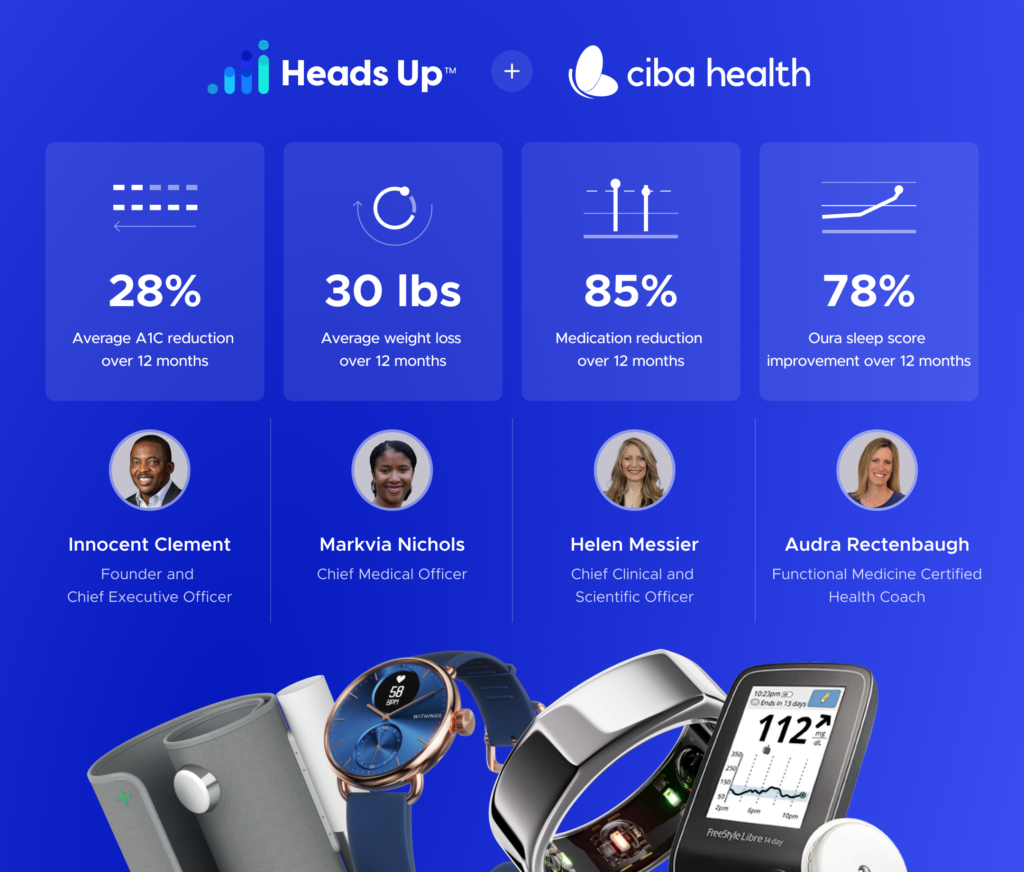
28% Reduction in HbA1c: Over the course of 12 months, Ciba Health patients experienced a 28% reduction in their A1c levels, indicating significant improvements in blood sugar management.
30 lbs of Average Weight Loss: On average, patients lost 30 pounds over 12 months, contributing to better metabolic health and reducing the risk of obesity-related complications.
85% Reduction in Medication Use: Through lifestyle interventions and better management of their conditions, patients were able to reduce their medication usage by 85% within 12 months, resulting in fewer side effects and enhanced overall wellness.
78% Improvement in Sleep Scores: Patients reported a 78% improvement in sleep quality, as tracked by Oura Rings. Improved sleep is a critical factor in recovery, stress management, and overall health.
Results:
Improved Patient Outcomes: Through continuous monitoring, Ciba Health achieved significant improvements in patient health. Many patients reported reduced HbA1c levels, indicating better blood sugar control, as well as improved blood pressure readings.
Enhanced Engagement: Real-time data allowed health coaches to actively engage with patients between doctor visits. This data-driven interaction encouraged patients to stay on track with their treatment plans and adjust lifestyle habits as needed, fostering a deeper commitment to their health goals.
Increased Revenue: By enrolling in payer systems and billing for RPM services, Ciba Health generated additional revenue streams. The program has proven scalable as Ciba Health brings on new patients and continues to expand its offerings.
Ciba Health’s integration of Heads Up has revolutionized their approach to managing and reversing chronic diseases like Type 2 diabetes. By utilizing near real-time data from wearables and lab tests, Ciba Health delivers highly personalized, data-driven care that significantly improves patient outcomes. This approach not only leads to better control of blood sugar levels and reduced medication use but also fosters deeper patient engagement in their health journey. With continuous monitoring and advanced analytics, Ciba Health has achieved measurable success, including notable reductions in HbA1c and sustained weight loss.
Heads Up empowers Ciba Health to validate treatment protocols and optimize care plans with real-time data, enhancing both patient and practitioner decision-making. This data-driven strategy ensures the long-term sustainability of health improvements and supports Ciba Health’s mission to reverse chronic conditions. As an innovative leader in chronic disease management, Ciba Health, with the help of Heads Up, is setting new benchmarks for personalized, effective healthcare—driving better outcomes, improving patient quality of life, and transforming digital healthcare.
Case Study 2: Remote Therapeutics WithNear RealtimeHealth Monitoring
AndHealth is a digital health company specializing in the remote treatment of chronic autoimmune conditions. Their approach focuses on addressing the root causes of autoimmune diseases through participatory healthcare. By integrating data from wearables like the Oura Ring and conventional lab tests, AndHealth provides a comprehensive treatment plan that helps patients manage and improve their conditions.
Key Outcomes Tracked
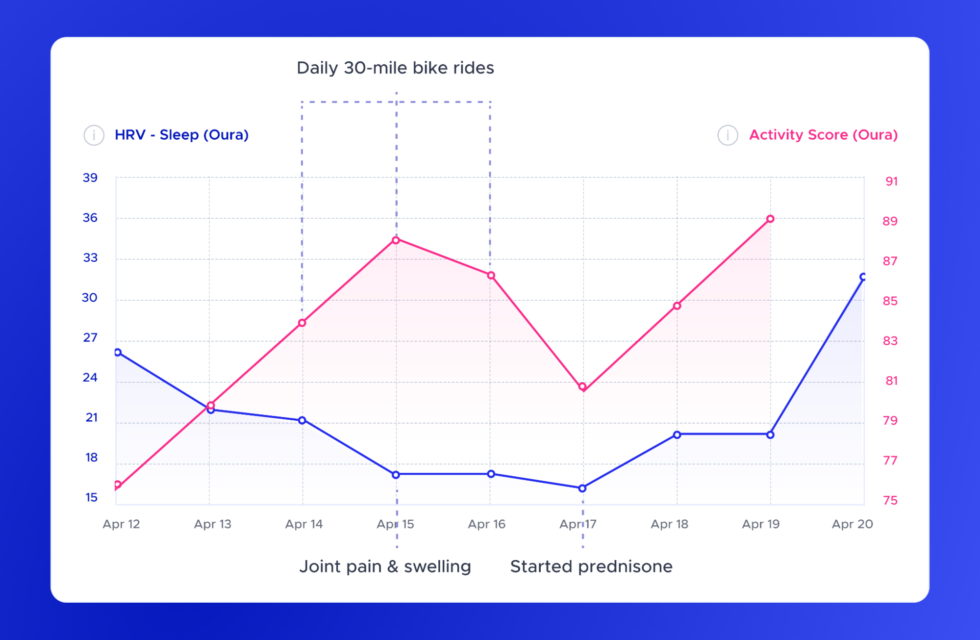
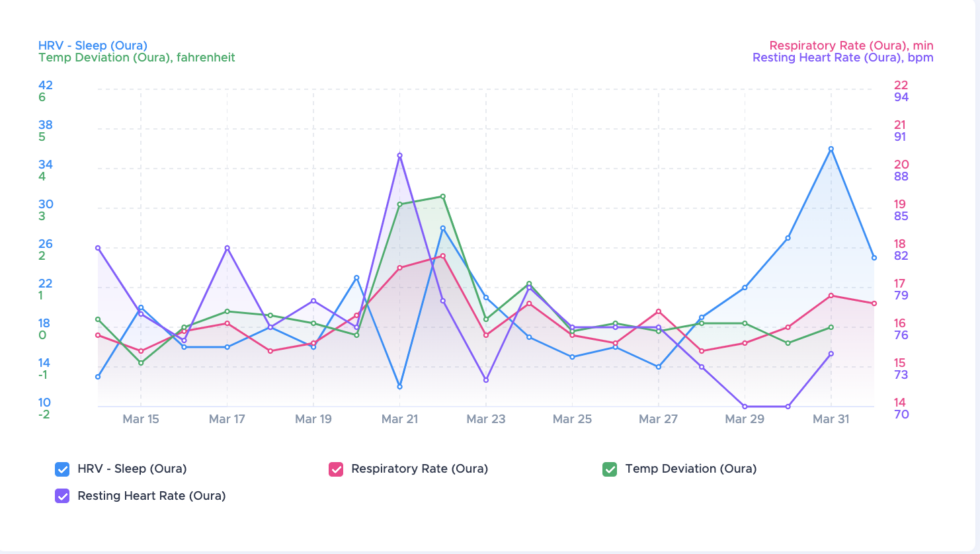
Heart Rate Variability (HRV): AndHealth monitors HRV to assess stress and recovery levels. For example, in cases where patients experience autoimmune flares, such as rheumatoid arthritis, over-exercise can be correlated with drops in HRV, indicating the need to modify exercise routines.
Resting Heart Rate and Respiratory Rate: These metrics are tracked to detect early signs of illness or stress on the body, enabling proactive interventions.
Temperature Deviations: AndHealth uses temperature tracking to identify signs of infection or inflammation, which are critical for managing autoimmune diseases.
Measured Health Outcomes
Improved Patient Self-Management: By providing patients with real-time feedback on their HRV and other health metrics, AndHealth empowers them to adjust their behaviors, such as reducing exercise intensity, leading to fewer autoimmune flares.
In this instance, AndHealth was able to show the patient a graphical example of how excessive physical training was lowering his HRV and ultimately leading to an auto-immune flare. Figure <y>: Patient B – Decrease in heart rate variability due to overtraining correlating with physical symptoms of rheumatoid arthritis
Proactive Health Interventions: Data from wearables allowed providers to detect abnormal patterns early, such as identifying COVID-19 symptoms based on GI distress and elevated heart rate variability, enabling timely medical interventions.
Results
Enhanced Patient Engagement: Patients are more engaged in their care when they see the direct impact of lifestyle changes on their health metrics, such as HRV and resting heart rate. For example, one patient with rheumatoid arthritis learned to modify his workouts based on HRV data, preventing further flares.
Data-Driven Protocol Adjustments: By combining data from wearables and lab tests, AndHealth can fine-tune patient protocols, reducing reliance on biologic medications and optimizing lifestyle interventions for long-term health improvements.
Through Heads Up, AndHealth has created a data-driven, patient-centered program that helps individuals with autoimmune conditions better manage their health. By tracking key metrics like HRV, resting heart rate, and respiratory rate, the platform enables proactive interventions and more personalized care. This not only improves patient outcomes but also reduces the need for medication, making AndHealth’s approach both innovative and effective.
Case Study 3: Concierge Medical Weight Loss
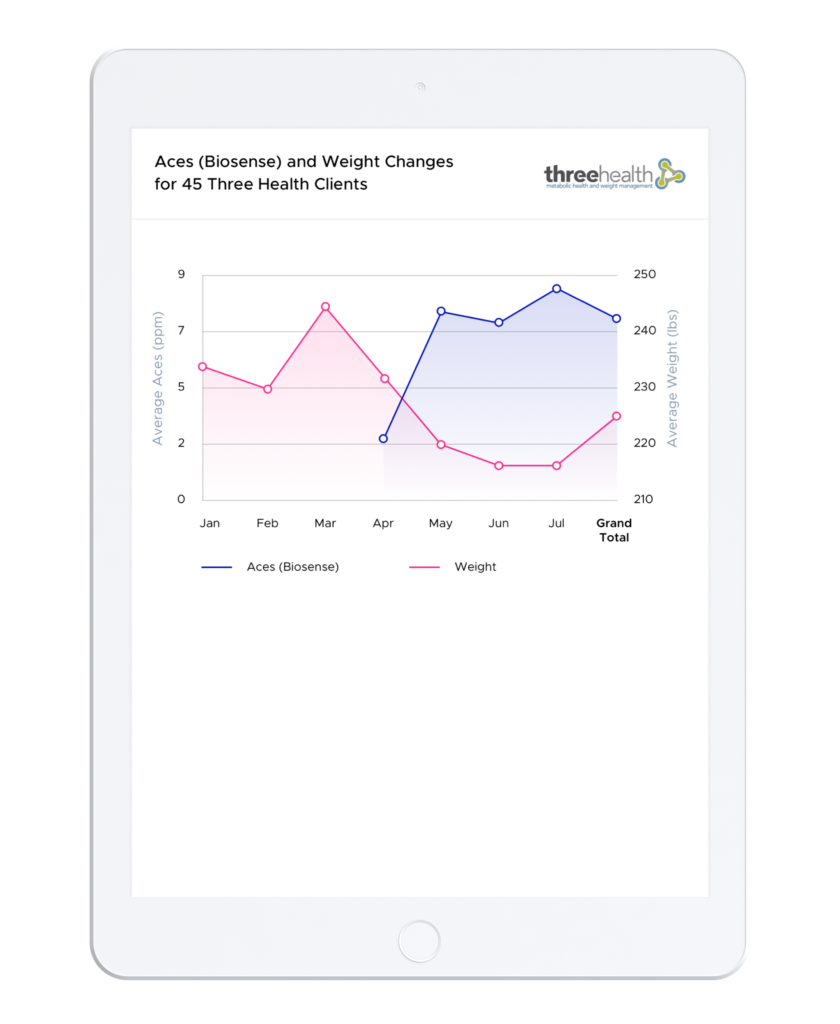
ThreeHealth, a concierge practice that provides medically supervised weight management, leverages the Heads Up platform to enhance its multifaceted approach to wellness. Founded by Brad Butterfield, Brandy Wiltermuth, and Marlene Sexton, ThreeHealth combines personalized behavioral therapy, metabolic health assessments, and cutting-edge technology to deliver sustainable weight loss and diabetes care results. Their approach is client-focused, addressing the physical, emotional, and mental aspects of health.
Key Metrics Tracked
Sleep and Heart Rate Variability (HRV): The Oura Ring helped monitor sleep quality and stress levels, crucial for metabolic health.
Ketosis: BIOSENSE breath acetone monitors were used to ensure clients maintained a state of nutritional ketosis for optimal weight loss and blood sugar control.
Macronutrients: The Cronometer app helped clients log food intake, allowing ThreeHealth to optimize macronutrient ratios.
Blood Pressure: Clients monitored blood pressure with Qardioarm cuffs, providing important data for managing hypertension.
Weight, Lean Mass, and Body Fat: Withings scales and Inbody clinical-grade scales measured body composition, focusing on healthy weight loss.
Lab Testing: Periodic lab tests were integrated to monitor cholesterol, HbA1c, and other clinical markers of metabolic health.
Results:
Improved Client Engagement: By offering real-time data and a user-friendly client-facing dashboard, ThreeHealth increased client engagement and long-term retention.
Validated Protocols: The data-driven approach allowed ThreeHealth to validate the efficacy of their programs and improve them based on individual and aggregate health data.
Business Growth: With a proven ability to track and validate success, ThreeHealth attracted new clients and continued to grow its practice.
ThreeHealth’s use of Heads Up has helped them provide personalized care, improve client outcomes, and grow their business through data-driven results.
As healthcare shifts toward data-driven, personalized approaches, the demand from consumers for outcomes validation is rapidly growing. Patients no longer want to rely solely on traditional methods of care—they seek quantifiable proof that treatments and interventions are effective. This rising consumer demand creates an urgent need for health professionals to implement outcomes validation within their programs. By adopting platforms like Heads Up, clinicians can track real-time data, validate treatment protocols, and demonstrate clear, measurable improvements in patient health. Not only does this build trust and transparency with patients, but it also enhances the reputation of healthcare providers as forward-thinking leaders who prioritize evidence-based care. In this new healthcare landscape, outcomes validation isn’t just a competitive advantage; it’s becoming an essential component of patient-centered care, driving long-term success for both providers and their patients.
A relatively new and significant opportunity lies in partnering with insurance-based programs that reward outcomes-validated care models. As insurance providers increasingly shift toward value-based care, they are looking for healthcare practices that can prove the effectiveness of their treatment protocols. By leveraging platforms like Heads Up, which offer real-time tracking and validation of patient outcomes, health professionals can meet this demand and tap into insurance reimbursements for validated programs. These partnerships not only benefit patients by ensuring more effective treatments but also create value for insurance companies by reducing overall healthcare costs through improved clinical outcomes. Practices that adopt outcomes validation stand to gain from these partnerships, enhancing their revenue streams while delivering superior care that is both data-backed and financially sustainable for insurers.
Heads Up offers a simple and powerful solution for tracking and validating patient outcomes across your practice. By integrating data from multiple sources, providing advanced analytics, and enabling personalized health management, the platform helps healthcare providers improve patient care and validate the effectiveness of their interventions. As healthcare continues to evolve, tools like Heads Up will play an increasingly important role in enhancing practice management and demonstrating the value of care provided
Track & Optimize Outcomes With Heads Up
Synchronize your clients’ medical records, labs, wearables, apps, and more into Heads Up for better outcomes tracking. Sign Up now for a free starter account!
James, J., & Harrington, K. (2020). The role of digital health platforms in modern healthcare. Journal of Health Informatics, 14(3), 210-219.
Smith, A., & Jones, B. (2019). Leveraging health data integration for better patient outcomes. Healthcare Management Review, 32(2), 112-121.
Wilson, C., & Clarke, P. (2021). Patient engagement and health outcomes: The impact of digital health tools. Journal of Patient Experience, 8(4), 223-230.
Thomas, G., & Patel, R. (2020). Tracking health outcomes with digital health platforms. Digital Health, 6, 2055207620941235.
Anderson, L., & Taylor, S. (2018). Data-driven decision making in healthcare: The role of advanced analytics. Journal of Healthcare Informatics, 11(2), 78-89.
Williams, M., & Green, R. (2021). Validating healthcare interventions using health data platforms. Journal of Medical Systems, 45(3), 62.
Discover how top Concierge Medicine Clinics quantify and improve longevity outcomes in their practice. ?Sign up here to learn more.