Why Relearning to Walk Could Be the Next Longevity Biohack

Why Relearning to Walk Could Be the Next Longevity Biohack

Why Relearning to Walk Could Be the Next Longevity Biohack

Overview

When most people think about optimizing health, they picture supplements, lab panels, or high-tech wearables. But sometimes, the most transformative intervention starts from the ground up — literally.

In a recent interview with holistic trainer and health coach Josh Holland (Vivo Barefoot and SystimFit), we explored how restoring natural foot function can have wide-reaching effects on the body’s structure, balance, and longevity. For health professionals guiding patients toward sustainable wellness, this simple concept offers powerful clinical implications.

The Science Beneath Our Feet

The modern shoe has changed how we move. Most footwear narrows the toe box, stiffens natural motion, and dulls sensory feedback from the ground. While these design features protect us from sharp objects or cold weather, they also limit the rich stream of neurological information that flows from the feet to the brain.

That feedback — known as proprioception — is essential for balance, joint stability, and gait efficiency. When it’s compromised, we see ripple effects throughout the kinetic chain. Patients may experience chronic tightness, knee pain, or poor posture without realizing the root cause begins at their feet.

Minimalist footwear brands like Vivo Barefoot aim to reverse this by following three simple design principles: wide, thin, and flexible. This allows the foot to move and adapt naturally, reawakening dormant neuromuscular pathways that support better movement patterns.

For practitioners, it’s a practical reminder that movement quality starts at the foundation. Encouraging patients to walk barefoot when safe, perform balance work, or gradually transition to minimalist shoes can be an accessible, evidence-informed way to improve overall physical function.

Technology That Honors Biology

Josh’s approach blends ancestral movement principles with modern biohacking tools. Through his work with SystimFit, he explores whole-body electrical muscle stimulation (EMS) using direct current. This method activates multiple muscle groups simultaneously, creating efficient training and recovery sessions that complement functional movement practice.

He emphasizes that technology should support, not replace, the body’s natural design. Tools like EMS can help patients build strength and neuromuscular control when used thoughtfully alongside good movement habits and recovery practices.

The Role of Community in Longevity

Perhaps the most profound takeaway from Josh’s conversation wasn’t about movement or technology, but mindset. When asked what he’s most grateful for, he answered simply: community.

He believes that surrounding yourself with curious, health-focused individuals accelerates growth and accountability. For practitioners, this serves as a reminder that connection and support networks are critical for patient adherence and long-term outcomes. Health doesn’t happen in isolation, and neither does motivation.

Integrating Movement Intelligence into Care

For functional medicine providers, coaches, and clinicians, this conversation reinforces a central truth — optimal health depends on alignment between physiology, behavior, and environment.

Encouraging patients to reconnect with natural movement can improve biomechanics, cognitive function, and confidence in physical activity. Pairing this with data insights from wearables or lab testing creates a more complete picture of health, one that merges ancient wisdom with modern science.

The next great longevity breakthrough may not come from a lab or device. It might start with something as simple as taking off your shoes and letting your body remember how to move.
Frame 1000003751

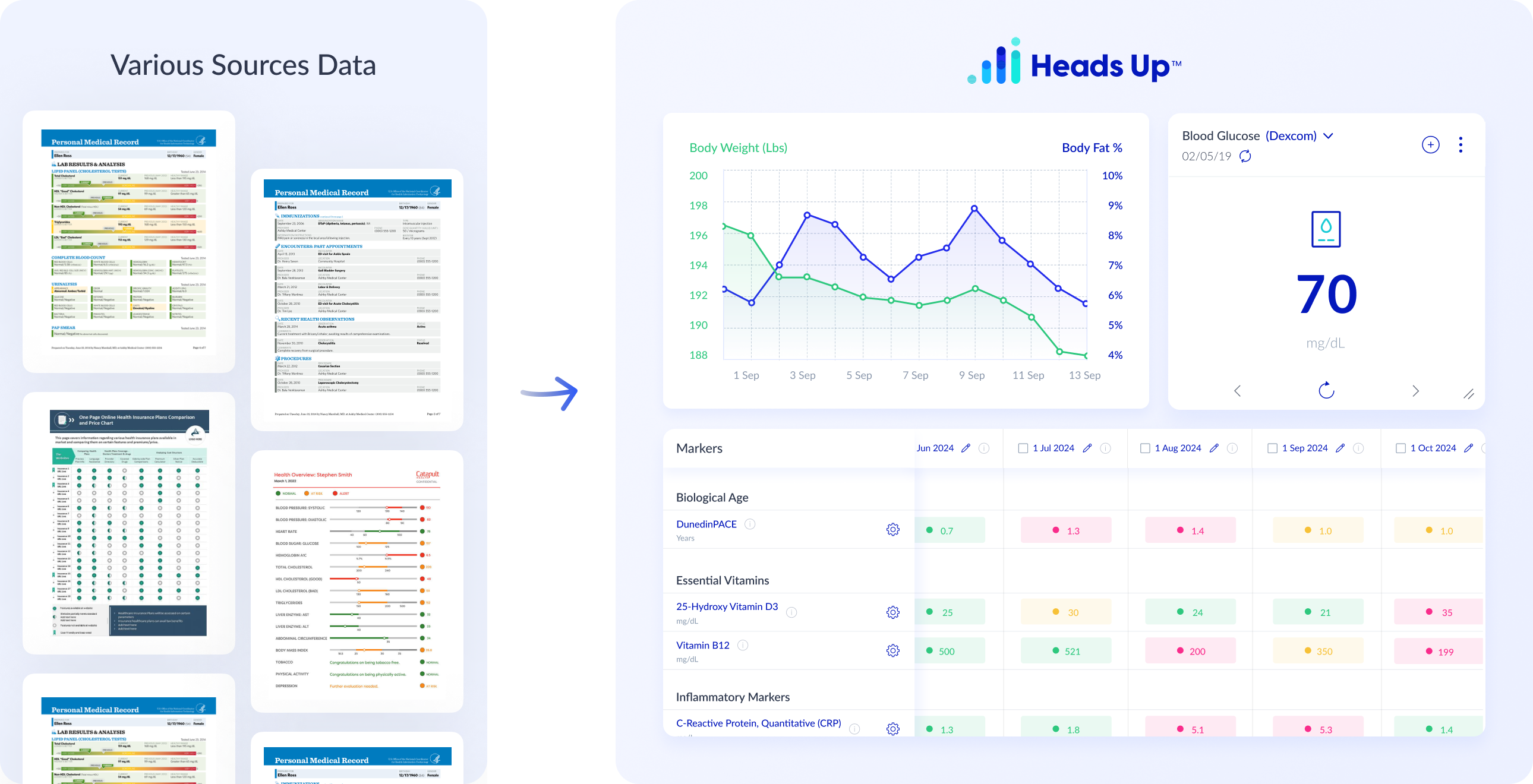
Tracking Patient Health Data Has Never Been Easier!

Leverage The Power Of Heads Up in your Health Practice

Get started with by scheduling custom demo with one of our specialists to see the difference Heads Up can make in your practice. Schedule your demo and discovery call here.
Optimize Health & Longevity

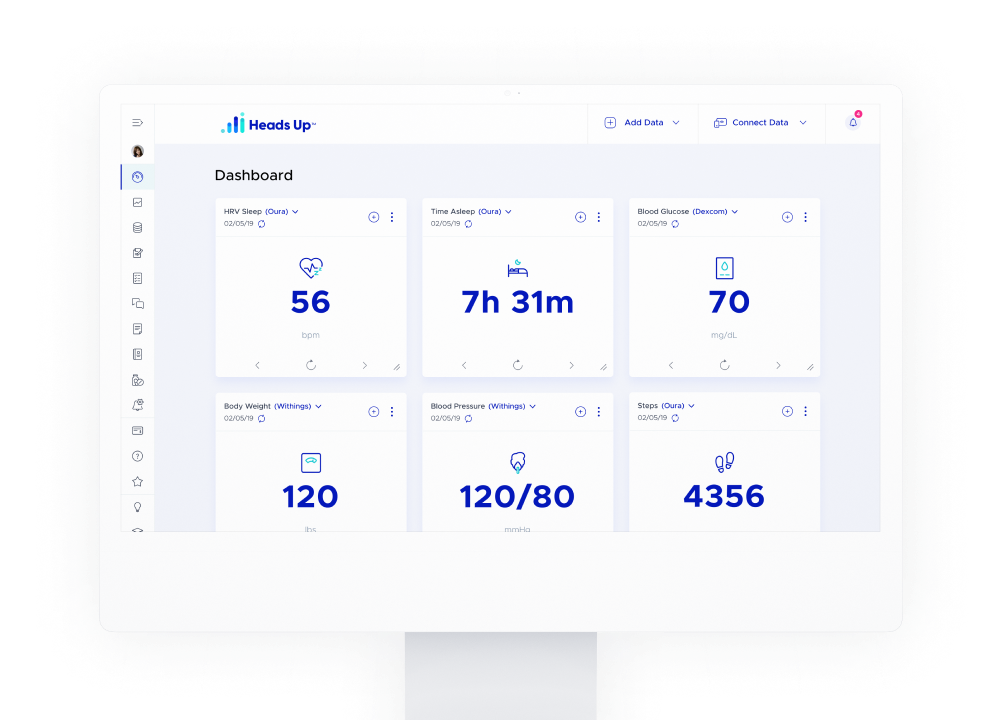
Synchronize your clients’ medical records, labs, wearables, apps, and more into Heads Up for better outcomes. 
Sign Up now for a free starter account!

The Real Biohack: Choice, Adaptability, and Purpose in Modern Longevity Practice

The Real Biohack: Choice, Adaptability, and Purpose in Modern Longevity Practice

The Real Biohack: Choice, Adaptability, and Purpose in Modern Longevity Practice

Overview

In today’s fast-moving world of biohacking and precision medicine, it can feel like every week brings a new “must-try” tool, supplement, or wearable. Yet according to Dr. Lara Varden, Ph.D., Dean at DNA University and clinician at The DNA Company, the most powerful biohack isn’t a gadget or protocol. It’s choice.

Dr. Varden’s insight cuts through the noise of optimization trends to reveal something deeper. The ability to choose and adapt—to tailor interventions to each patient’s evolving biology—is what truly defines modern longevity medicine.

Choice: The Foundation of Personalization

Over the past five years, the longevity field has exploded with new technologies. We can now track biomarkers in real time, analyze genomic data, and understand metabolic shifts more clearly than ever before. But the real advantage doesn’t lie in the tools themselves. It lies in how we use them.

As Dr. Varden explains, practitioners have an unprecedented opportunity to choose how and when to apply different interventions. Some protocols may work for a month, others for a season, and some may need to be paused entirely. True personalization happens when a clinician can fluidly adjust strategy based on each patient’s response and readiness.

Choice is the art of interpreting data and translating it into action.

Adaptability: The Core of Resilience

Adaptability is what turns knowledge into transformation.

When practitioners model flexibility in their own approach, patients learn to do the same. This mindset fosters long-term health behaviors, resilience, and self-awareness. It shifts care from a reactive, one-size-fits-all model to a dynamic partnership—one where data and intuition inform each other in real time.

In a longevity-focused practice, adaptability is not just a clinical skill. It’s a cultural value that encourages curiosity, continuous learning, and open dialogue between practitioner and patient.

Purpose: The Missing Link in Patient Engagement

Dr. Varden also brings an important emotional truth to the conversation. For her, health optimization is about more than performance or metrics. It’s about being present with her family—her children and grandchildren.

This personal “why” gives context to every protocol she follows. And it’s a powerful reminder for practitioners: patients are more likely to follow through on health goals when those goals connect to something they love.

When clinicians help patients identify that deeper motivation, they turn biohacking into something sustainable and meaningful. Purpose amplifies compliance, energy, and engagement.

Where Data Meets Meaning

Dr. Varden’s reflection highlights what many practitioners already know intuitively. Data matters, but it is only part of the equation. The next frontier in precision health will come from combining measurable insights with human understanding.

By empowering patients with choice, guiding them through adaptive strategies, and connecting every recommendation to purpose, practitioners can help people live longer and better.

Because in the end, the most advanced technology is only as powerful as the intention behind it.

Summary

Monitoring a patient’s vital signs in real time can significantly improve patient outcomes and reduce healthcare costs. However, practitioners need a convenient robust platform that connects to external devices that allow for monitoring of biometric patient data.

HeadsUp Health offers a robust, integrative platform with real-time tracking and early alerts on key health metrics. The goal is to empower medical teams to act swiftly when changes occur, driving better outcomes and peace of mind for patients and providers alike. Discover how our platform can elevate your patient monitoring approach and provide timely interventions that improve health and reduce hospital readmissions.Frame 1000003751

Tracking Patient Health Data Has Never Been Easier!

Leverage The Power Of Heads Up in your Health Practice

Get started with by scheduling custom demo with one of our specialists to see the difference Heads Up can make in your practice. Schedule your demo and discovery call here.

Optimize Health & Longevity

Synchronize your clients’ medical records, labs, wearables, apps, and more into Heads Up for better outcomes. 
Sign Up now for a free starter account!

Dr. Vincent Pedre’s Top Mitochondrial Health Biohacks for Energy and Longevity

Dr. Vincent Pedre’s Top Mitochondrial Health Biohacks for Energy and Longevity

Dr. Vincent Pedre’s Top Mitochondrial Health Biohacks for Energy and Longevity

Overview

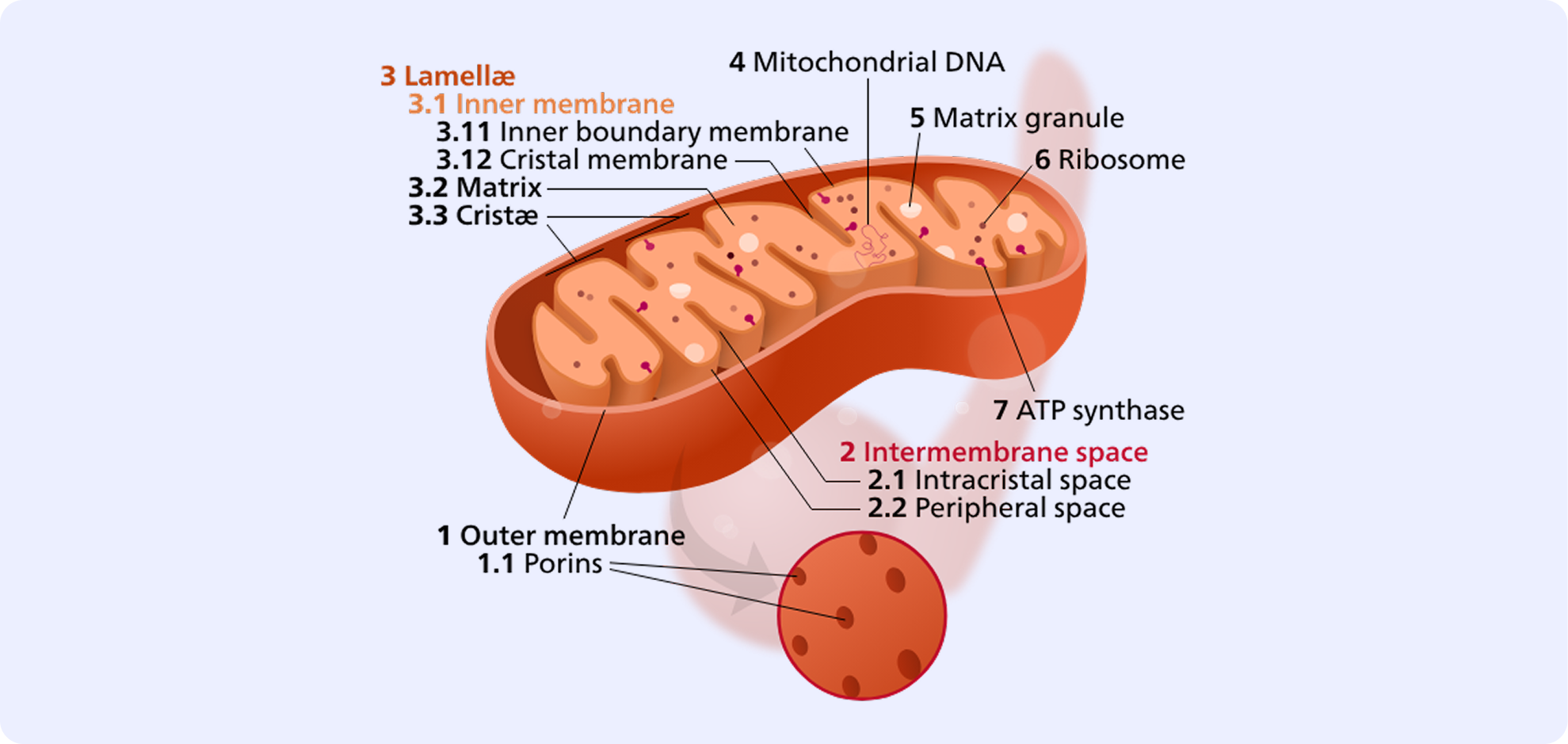
When it comes to longevity and performance, mitochondrial health sits at the center of the conversation. These tiny energy factories power every cell, but they do much more than produce ATP. Mitochondria regulate cellular signaling, influence inflammation, and even decide when a cell should die. For clinicians helping patients improve energy and resilience, supporting mitochondrial function can have far-reaching benefits.

In a recent conversation, Dr. Vincent Pedre, CEO and founder of Happy Gut Life, shared two strategies he is personally using to enhance mitochondrial performance and stress tolerance. After completing a Mitochondrial Efficiency and Capacity (MEC) test, he found that his mitochondria perform well at baseline but become less efficient under stress. That insight led him to refine his health protocol with two focused interventions.

1. Intermittent Fasting to Build Mitochondrial Resilience

Dr. Pedre admitted he has always enjoyed breakfast and finds fasting difficult because of his lean frame. Still, he is intentionally adding intermittent fasting to his routine to strengthen metabolic flexibility.

Fasting can stimulate mitochondrial biogenesis, improve insulin sensitivity, and activate cellular repair pathways such as autophagy. By cycling between periods of feeding and fasting, cells learn to operate more efficiently under energy stress, a key factor in healthy aging.

For practitioners, intermittent fasting continues to be one of the most accessible, evidence-backed ways to optimize mitochondrial efficiency. It can also complement other patient strategies like time-restricted eating or fasting-mimicking diets.

Fasting

2. Phospholipid Supplementation to Restore the Mitochondrial Membrane

The second focus of Dr. Pedre’s protocol involves rebuilding mitochondrial membranes using phospholipids.

Every cell membrane is made up of a double layer of lipids, which provides structure and allows communication between cells. Over time, exposure to environmental toxins and oxidative stress causes these lipids to become damaged and less fluid, impairing mitochondrial performance.

Supplementing with phospholipids such as phosphatidylcholine (PC) and phosphatidylserine (PS) can help repair these membranes and improve the electron gradient that drives energy production. This process enhances mitochondrial communication and supports more efficient ATP generation.

For patients, restoring membrane integrity can translate to improved energy, mental clarity, and resilience under stress.

Mitochondrial Membrane

Minimalism in Supplementation

Dr. Pedre describes himself as a minimalist when it comes to supplements. He prefers targeted interventions that create measurable results with minimal complexity. Fasting and phospholipid support fit that approach, offering maximum impact with minimal overload.

This mindset resonates with many functional and longevity practitioners who aim to simplify protocols without sacrificing clinical depth.

The Human Element in Cellular Health

When asked what he is most grateful for, Dr. Pedre shared that at 51, he feels healthier than he did ten years ago. He expressed gratitude for his health and the opportunity to help others live happier, healthier lives through his work.

It was a reminder that mindset and meaning often go hand in hand with physical wellbeing, even in the pursuit of optimal mitochondrial function.

Takeaway for Practitioners

Dr. Pedre’s approach highlights two key insights for health professionals:

  • Fasting can strengthen mitochondrial resilience and energy metabolism.
  • Phospholipid therapy supports membrane repair and cellular communication.
  • Simplicity matters. High-impact interventions often lead to greater adherence and long-term results.

Frame 1000003751

Tracking Patient Health Data Has Never Been Easier!

Leverage The Power Of Heads Up in your Health Practice

Get started with by scheduling custom demo with one of our specialists to see the difference Heads Up can make in your practice. Schedule your demo and discovery call here.

Optimize Health & Longevity

Synchronize your clients’ medical records, labs, wearables, apps, and more into Heads Up for better outcomes. 
Sign Up now for a free starter account!
Her Longevity – A Physician-Led Summit on Women’s Health + Longevity

Her Longevity – A Physician-Led Summit on Women’s Health + Longevity

Her Longevity – A Physician-Led Summit on Women’s Health + Longevity

Join us in the Big Apple for the FIRST Women’s Longevity Medicine Summit!

Stop by the Heads Up table to explore the latest on AI, experience a LIVE demo and register for a chance to WIN an Oura Ring!

Her Longevity is the first physician-led women’s longevity summit, bringing together the most powerful female voices in medicine. From thriving clinic owners to bestselling authors and global speakers, these leaders are redefining women’s health. Join us for a groundbreaking event dedicated to science, community, and women living longer, healthier lives.

Date and time: October 18, 2025 |  8:00am-6:00pm

Location: 101 Park Avenue, NYC

Registration: Register for the conference

Connect With Our Team

Ready to transform your practice with comprehensive health data analytics? Our team will be on-site to demonstrate how Heads Up can help you:

  • Centralize patient health data from 100+ sources
  • Track biomarkers and health trends over time
  • Enhance patient outcomes with data-driven insights
  • Her Longevity

Can’t make it to the conference? Schedule a demo or contact our team to learn more.

Tracking Patient Health Data Has Never Been Easier!

Leverage The Power Of Heads Up in your Health Practice

Get started with by scheduling custom demo with one of our specialists to see the difference Heads Up can make in your practice. Schedule your demo and discovery call here.

Optimize Health & Longevity

Synchronize your clients’ medical records, labs, wearables, apps, and more into Heads Up for better outcomes. 
Sign Up now for a free starter account!
Longevity Metrics Q&A: Epigenetic Clocks, ApoB, Insulin Resistance & AI in Clinical Practice

Longevity Metrics Q&A: Epigenetic Clocks, ApoB, Insulin Resistance & AI in Clinical Practice

Overview

At Heads Up, we recently hosted a live webinar on the top longevity metrics every clinic should be tracking to uncover risks, personalize care, and improve outcomes. Our special guest was Leonard Pastrana, PharmD, co-founder of nuBioAge and a leading educator in longevity medicine who has trained over 5,000 practitioners worldwide.

The Q&A session was packed with insights on biomarkers, testing strategies, and the future of AI in healthcare.

Below is a recap of the most important takeaways.

Epigenetic Clocks: Promise and Limitations

Q: What is the latest on the use of epigenetic clocks as biomarkers?

Dr. Pastrana explained that epigenetic clocks are exciting tools that estimate biological age, but they’re still evolving. Data from TrueDiagnostic and other providers show accelerated aging between ages 40–60, matching what clinicians see in practice (brain fog, body composition changes, metabolic decline).

  • Best use: Motivational for patients (“What’s my biological age?”).

  • Limitation: Still not robust enough for clinical decision-making compared to validated metrics like VO₂ max, ApoB, and fasting insulin.

  • Notable metric: Dunedin Pace of Aging (rate of biological aging per year) is one of the most promising markers for clinical use.


The 40–60 Window: Why It’s Critical

Research confirms that between ages 40–60, aging accelerates. This is also when early insulin resistance can drive vascular damage leading to Alzheimer’s decades later.

Takeaway: This is the “golden window” for clinical intervention. By tracking insulin resistance, ApoB, body composition, and VO₂ max, providers can intervene before irreversible decline.


ApoB vs. ApoB:A1 Ratio

Q: Is the ApoB:A1 ratio more important than ApoB alone?

  • Dr. Pastrana: ApoB remains the gold standard for cardiovascular risk, since it counts atherogenic particles.

  • Ratios can provide nuance, but decisions should be anchored on ApoB levels for clinical accuracy.


Hydration and Protein Preservation

Q: How much water is needed to stop protein degradation?

  • No set number, but generally 2–3 liters/day depending on body weight.

  • What matters: Intracellular water. Low cell volume signals catabolism and accelerates protein breakdown.

  • Solutions: Amino acids, creatine, and osmolites to support intracellular hydration.


Visceral Adipose Tissue (VAT) and Body Fat

Q: Is there a formula for reducing VAT below 1 lb based on body fat percentage?

  • VAT is highly bio-individual. Some lean patients have high VAT, while some obese patients have less than expected.

  • DEXA scans remain the gold standard for assessing VAT.

  • Key: Don’t rely on total body fat % alone — measure directly.


The “Dream Biomarker”: Continuous Fasting Insulin

When asked what biomarker he wished existed, Dr. Pastrana’s answer was clear: A continuous fasting insulin monitor, similar to today’s CGMs.

Why? Because insulin tells us how hard the pancreas is working to maintain glucose balance, and continuous data could revolutionize metabolic care.


GLP-1s and Weight Regain

Q: When should testing be done to predict weight regain after GLP-1 therapy?

  • Always establish baseline metabolic parameters before starting treatment.

  • Key metrics: Resting Metabolic Rate (RMR) and Fat Oxidation (breath testing).

  • Weight regain is often linked to:

    • Reduced metabolism due to caloric restriction.

    • Lean mass loss during weight reduction.

  • Solution: Resistance training, protein intake, peptides, and hormone optimization to preserve or rebuild lean mass.


Tirzepatide vs. Semaglutide

Q: Are there significant differences between the two?

  • Clinical differences are minimal.

  • Semaglutide may show slightly better triglyceride/VLDL reduction in studies, but real-world outcomes are similar.

  • Key factors: Patient tolerance and cost.


Affordable Alternatives to DEXA

  • Tools like InBody and SECA devices provide useful trends for lean mass and VAT scores.

  • Not as precise as DEXA, but valuable for monitoring direction over time.

  • Tip: Educate patients not to panic over day-to-day fluctuations (water weight, menstrual cycle, etc.).


HbA1c vs. Fasting Insulin vs. HOMA-IR

  • HbA1c is foundational for diabetes screening but less sensitive in early dysfunction.

  • Fasting Insulin is simple, direct, and highly valuable for detecting early metabolic issues.

  • HOMA-IR combines glucose + insulin for a broader view of insulin resistance.

Recommendation: Use all three, but fasting insulin remains a practical and powerful tool.


Demonstrating True Healthspan Gains

Q: How can clinics prove interventions are reversing biological age?

  • Focus on validated clinical metrics:

    • VAT reduction

    • ApoB lowering

    • VO₂ max improvement

    • Muscle mass gain

  • Patient-centered approach: Tie metrics back to personal goals (confidence, energy, longevity with family).

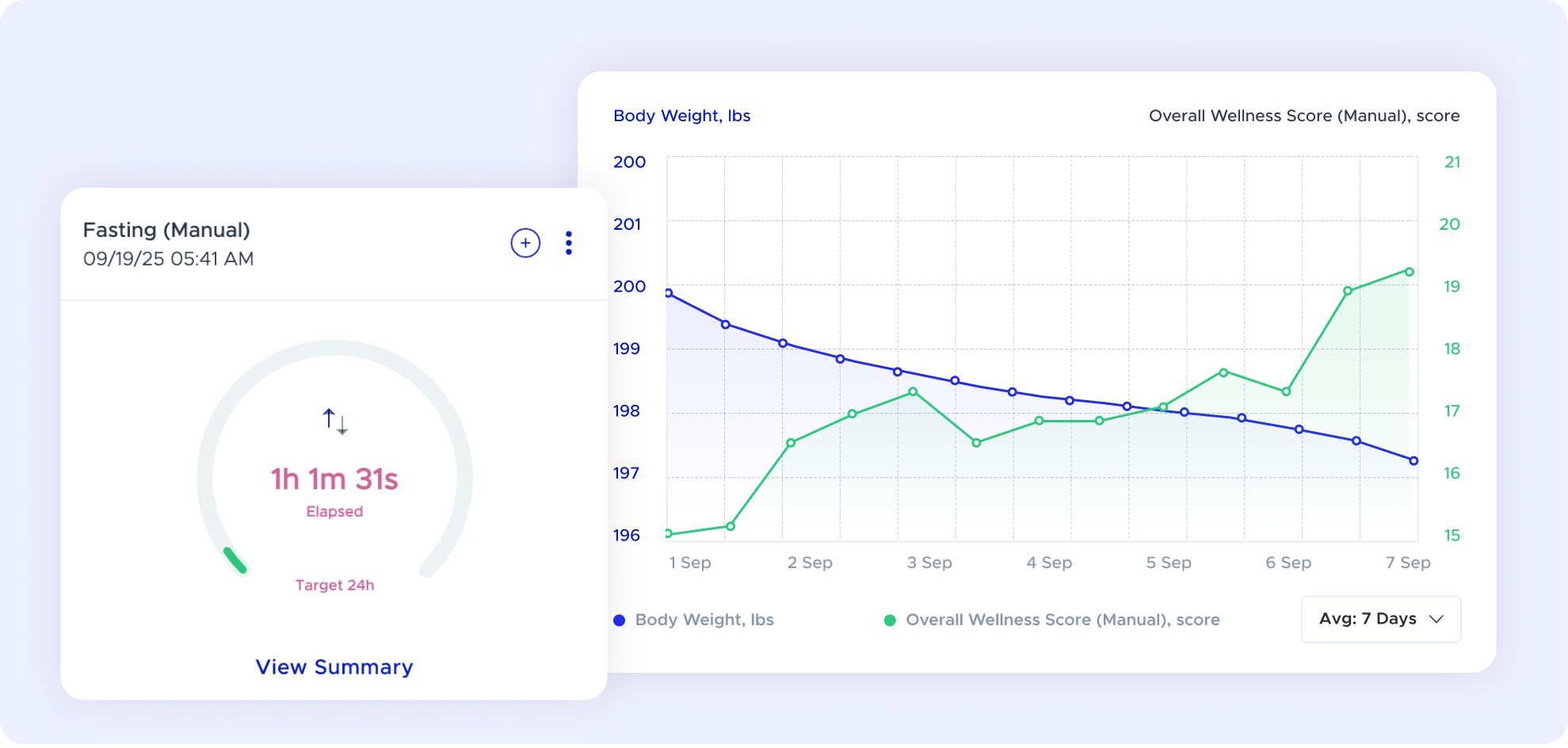
  • Heads Up enables providers to show before/after dashboards to demonstrate real progress.


Wearables: Tracking Between Lab Visits

  • Body composition scales (weekly trend data).

  • Oura Ring for HRV, sleep quality, recovery.

  • CGM for glucose and metabolic flexibility.

Between labs and DEXAs, these provide daily feedback loops to patients and clinicians.


Custom Longevity Scores

Heads Up now supports custom algorithm development, allowing clinics to combine:

  • Traditional labs (HbA1c, lipids)

  • Advanced markers (epigenetic clocks, VO₂ max, organic acids)

  • Wearables (HRV, sleep, activity)

Result: Proprietary Longevity Scores that differentiate your practice and prove outcomes at scale.


The Future: AI + Longevity Medicine

With Heads Up’s new AI layer, clinicians will soon be able to:

  • Query patient data with natural language.

  • Identify velocity of change across 10+ years of labs.

  • Auto-generate treatment plans based on data trends.

  • Highlight mismatched interventions.

The vision: Secure, HIPAA-compliant AI that turns complex health data into actionable insights in seconds.


 Want to see the full clinical longevity training?  Click the image below.

1 91 (37)

Conclusion

Longevity medicine is evolving fast, and the tools to track it are here. From epigenetic clocks to fasting insulin, from VAT scans to custom longevity scores, clinics can now deliver measurable outcomes that extend both lifespan and healthspan.

At Heads Up, we’re helping practices implement these metrics into daily care, unify fragmented data, and prepare for the next generation of AI-powered longevity medicine.

Want to build longevity programs that track, optimize, and prove outcomes? Schedule a Demo with Heads Up.

Tracking Patient Health Data Has Never Been Easier!

Leverage The Power Of Heads Up in your Health Practice

Get started with by scheduling custom demo with one of our specialists to see the difference Heads Up can make in your practice. Schedule your demo and discovery call here.

Optimize Health & Longevity

Synchronize your clients’ medical records, labs, wearables, apps, and more into Heads Up for better outcomes. 
Sign Up now for a free starter account!