Women’s Health Masterclass: How to Track, Test & Optimize Female Hormones Using Data & Devices

Women’s Health Masterclass: How to Track, Test & Optimize Female Hormones Using Data & Devices

Overview

In an era where precision medicine is rapidly evolving, one truth remains uncomfortable: women are still dramatically underserved by modern healthcare.

Are you still relying on outdated methods to understand your female patients’ health?
It’s time to close the gender data gap in medicine and deliver truly personalized, cycle-aware care — powered by real-time biometrics, hormone testing, and wearable integration.

In this highly anticipated webinar, Heads Up Health brought together industry-leading experts to unpack one of the most overlooked areas in healthcare: female hormonal biology and how to track it accurately.


Why This Webinar Matters

For decades, women’s health has been sidelined in clinical research. A 2020 BMJ study revealed that only 22% of Phase I clinical trial participants were women. Meanwhile, 1 in 3 women report having their health concerns dismissed by medical professionals (KFF, 2022).

But research gaps create clinical gaps. And women are paying the price — in misdiagnosis, ineffective treatment, and unnecessary suffering.

This webinar aims to change that.

? Understanding the Female Biological Rhythm

Perhaps the most eye-opening section of the masterclass was Dr. Kayla’s expert breakdown of the female biological rhythm — a 28-day system driven by ovarian hormones that affects every system in the body, including:

  • Metabolism

  • Neurotransmitter activity

  • Sleep architecture

  • Cognitive function

  • Immune regulation

While men typically operate on a predictable 24-hour adrenal rhythm, women experience daily neurophysiological shifts across four hormonal phases — follicular, ovulatory, luteal, and menstrual.

“Women are biologically four different people every month,” said Dr. Osterhoff.
“If you’re not adjusting your care to this rhythm, you’re missing the mark.”

? Tools That Turn Theory Into Practice

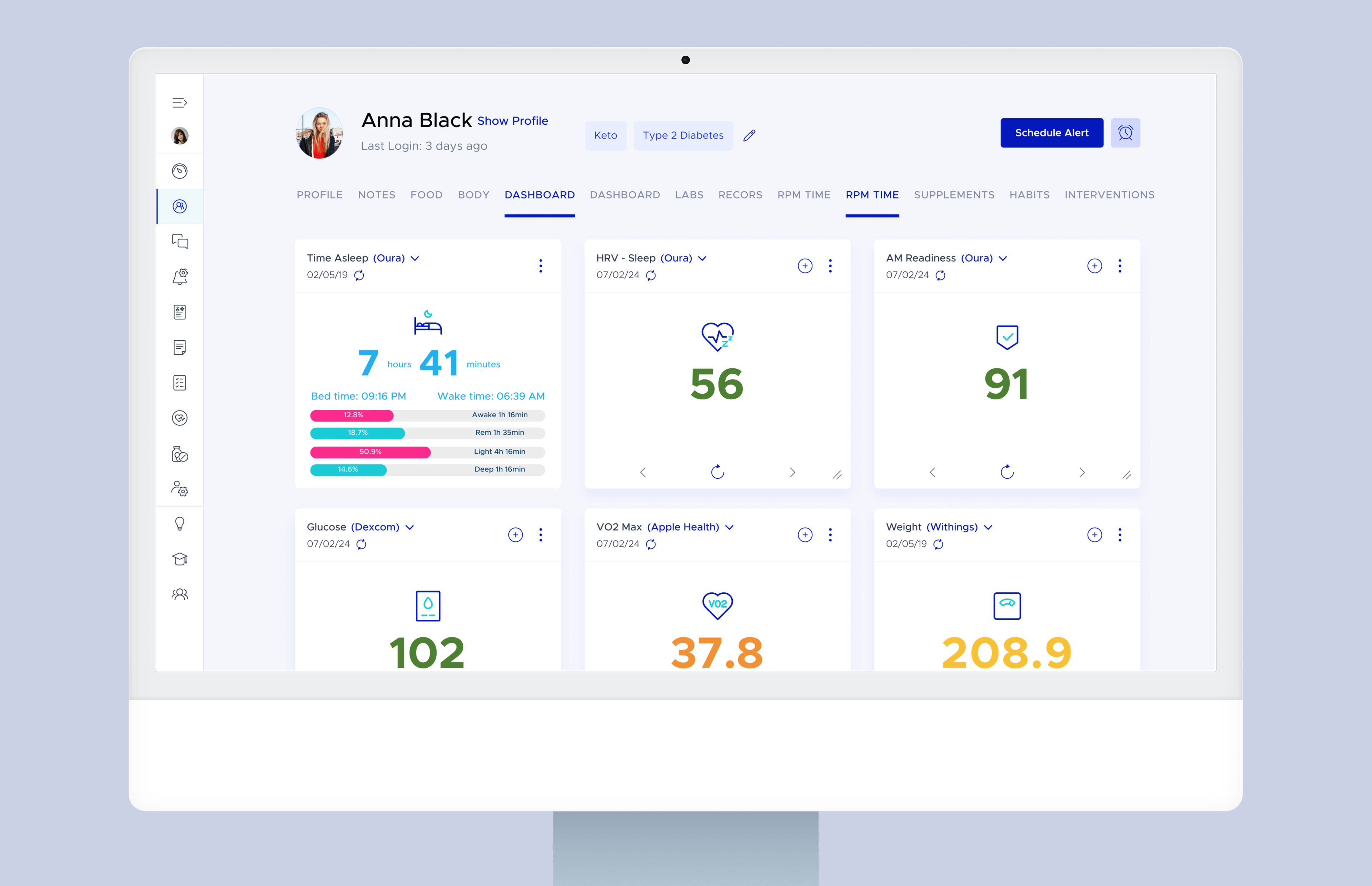
Tools like CGMs, Mira, and the Oura Ring, when connected into a dashboard like Heads Up, allow for a radically personalized view of women’s physiology.

Here’s the “Female Health Trifecta” they outlined:

? Metric Tool
? Glucose Dexcom / Libre (CGM)
♀️ Hormones Mira / Dutch Test
? Stress & Recovery Oura Ring (HRV & Sleep)

Heads Up pulls these inputs into one unified view, enabling clinicians to:

  • Map hormone shifts in real time

  • Identify correlations between cycle phases and symptoms

  • Adjust protocols with actual feedback loops

“Before Heads Up, we were doing this manually with spreadsheets,” Katrine shared. “Now, we can see trends across multiple biomarkers in one dashboard — and act faster, more accurately.”
Dashboard 02

? Why This Matters for Clinical Outcomes

From a clinical perspective, understanding the cyclical nature of female biology helps:

1. Prevent misdiagnosis and mistreatment

2. Reduce adverse drug reactions

3. Improve patient adherence and self-awareness

4. Optimize the timing of labs, supplements, and lifestyle interventions

? “Cycle-aware care isn’t just a wellness trend, it’s the future of evidence-based medicine.”

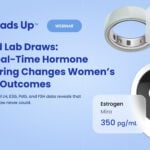
And now, with the Mira integration live inside Heads Up, clinicians can see a patient’s estrogen, LH, FSH, and progesterone curve alongside blood glucose, HRV, and subjective symptoms — automatically.

? Heads Up’s Mission: Making Women’s Health Measurable

The final segment of the webinar outlined how Heads Up Health helps practitioners move beyond static labs and symptom surveys. The platform now supports:

  • Device integrations (CGM, Oura, Mira, Garmin, etc.)

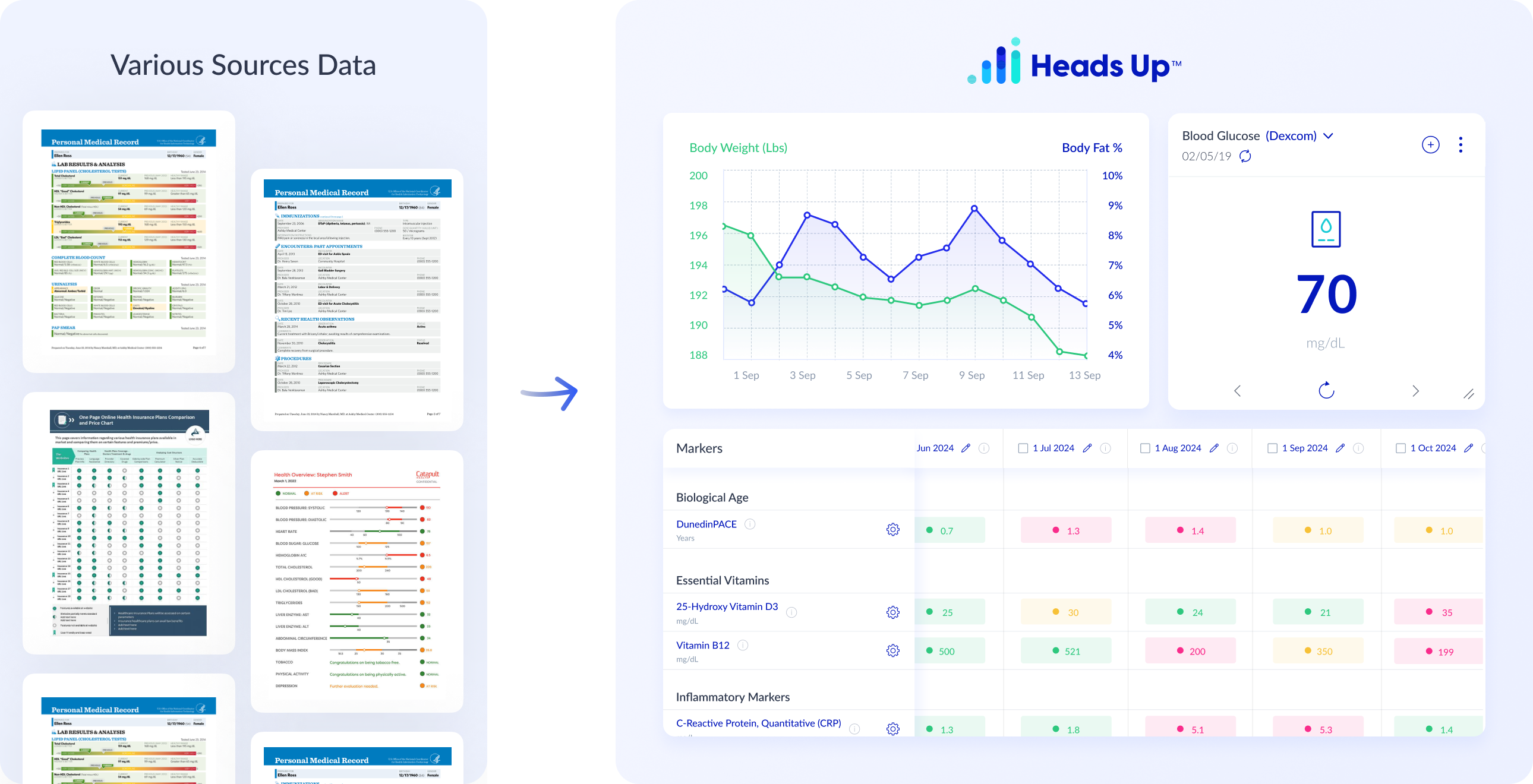
  • PDF-to-data conversion for Dutch, blood work, and stool tests

  • Custom dashboards for women’s hormone programs

  • Journaling and symptom tracking across phases

  • Real-time alerts, trends, and client communication tools

?️ Learn more: Schedule a 1:1 Demo with Heads Up »
 

Frame 1000003751

Tracking Patient Health Data Has Never Been Easier!

Leverage The Power Of Heads Up in your Health Practice

Get started with by scheduling custom demo with one of our specialists to see the difference Heads Up can make in your practice. Schedule your demo and discovery call here.
Optimize Health & Longevity

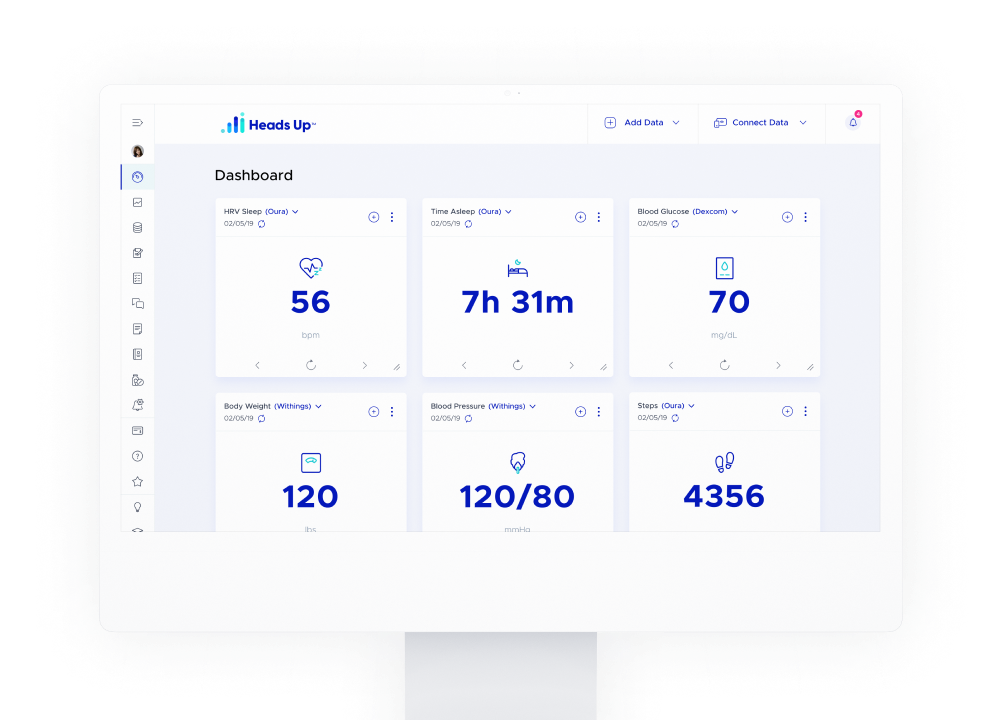
Synchronize your clients’ medical records, labs, wearables, apps, and more into Heads Up for better outcomes. 
Sign Up now for a free starter account!

3 Biohacks Your Patients Can Use Every Day: Insights from Longevity Coach Natalia Naila

3 Biohacks Your Patients Can Use Every Day: Insights from Longevity Coach Natalia Naila

3 Biohacks Your Patients Can Use Every Day: Insights from Longevity Coach Natalia Naila

“Aging isn’t something to fear—it’s something you can optimize.”

Natalia Naila

Wellness Coach & Longevity Expert

Overview

How do we help patients shift from managing decline to maximizing vitality?

At Heads Up Health, we believe the future of wellness is deeply personal, data-driven, and proactive. That’s why we sat down with Natalia Naila, a sought-after longevity coach and wellness expert, to discuss the top 3 everyday biohacks she uses with her own clients.

These aren’t fringe ideas or celebrity fads. They’re research-backed practices you can recommend confidently—whether you’re in functional medicine, integrative health, or building a progressive wellness program.

Here’s a breakdown of her top strategies and how they can be applied in your clinical or coaching practice.

1. Peptides: Small Molecules, Big Results

What they are: Short chains of amino acids that regulate a wide range of biological functions—many with regenerative and anti-aging benefits.

Why it matters:

Natalia uses specific peptides to support fat loss, improve energy, enhance recovery, and promote radiant skin—all while reducing the inflammatory burden that accelerates aging.

Key Recommendations:

  • GLP-1 agonists (e.g. Tirzepatide): Used in microdoses to regulate blood sugar and appetite.
  • CJC-1295 + Ipamorelin: Stimulates natural growth hormone release without unwanted hormonal side effects.
  • GHK-Cu (Copper Peptides): Enhances collagen production and skin elasticity.
  • BPC-157 & TB-500: Promote soft tissue repair, gut healing, and systemic recovery.
  • Epitalon: A telomerase activator taken in short cycles for potential telomere support and longevity.

Clinical Insight:

These peptides should be introduced strategically, often in phased cycles with appropriate testing and practitioner oversight. For patients seeking improved body composition, faster recovery, or anti-aging results, peptides are emerging as a safe, effective option when used correctly.

2. Microbiome Testing: Gut Health as a Biomarker of Aging

What it is: Comprehensive testing of the gut microbiome to assess microbial diversity, inflammation markers, pathogenic overgrowth, and metabolite production.

Why it matters:
Natalia emphasizes the gut as the “first line of glow”—and the root of most dysfunction. From skin conditions to cognitive fog to autoimmune flares, the gut is involved. She recommends annual microbiome testing for all clients over 30.

How to implement this with patients:

  • Pair gut testing with symptom-specific dashboards in Heads Up (e.g. tracking GI markers, food logs, or inflammatory biomarkers).
  • Use comparative testing over time to assess intervention impact.
  • Collaborate with a gut health specialist if you’re not reading the tests yourself.

Pro tip: Integrate gut test data with lifestyle inputs like sleep, fasting, and HRV for a truly holistic patient view.

3. Topical Skincare, Scientifically Aligned

What it is: A skincare stack designed to complement internal health efforts—targeting oxidative stress, collagen breakdown, and barrier repair.

Why it matters:

While many patients invest in skincare products, they often miss biologically aligned ingredients that make a measurable difference.

Natalia’s go-to products include:

  • Vitamin C and Glutathione serums: Antioxidant support for visible skin quality.
  • Copper peptides + time-released retinol: For skin cell turnover without irritation.
  • Tallow-based moisturizers: Ideal for dry skin types seeking a natural vitamin A source.

Your opportunity as a practitioner:

Educate patients on topical interventions that support internal healing. When paired with gut protocols or peptide therapy, this creates a powerful synergy for skin health and confidence.

Bringing It All Together: Why These Biohacks Matter

Natalia’s 3-part approach reflects the evolving priorities of health-conscious clients:
✅ Proactive wellness over reactive treatment
✅ Functional beauty rooted in biology
✅ Sustainable habits over quick fixes

At Heads Up Health, we help practitioners turn these insights into action with tools that centralize data, track protocols, and demonstrate results.

Dashboard 01

Whether you’re guiding a 40-something patient through a skin and weight plateau, or helping a biohacking enthusiast personalize their peptide stack—this is your opportunity to offer cutting-edge care backed by real metrics.

Watch the Full Conversation with Natalia Naila

We dive deeper into protocols, product picks, and what Natalia sees working best with real clients in 2025.

Want to connect patient data with biohacking protocols?
Use Heads Up to bring it all together—in one place.

Frame 1000003751

Tracking Patient Health Data Has Never Been Easier!

Leverage The Power Of Heads Up in your Health Practice

Get started with by scheduling custom demo with one of our specialists to see the difference Heads Up can make in your practice. Schedule your demo and discovery call here.

Optimize Health & Longevity

Synchronize your clients’ medical records, labs, wearables, apps, and more into Heads Up for better outcomes. 
Sign Up now for a free starter account!

HRV Masterclass: Unlocking Health & Performance Potential in Clinical Practice

HRV Masterclass: Unlocking Health & Performance Potential in Clinical Practice

HRV Masterclass: Unlocking Health & Performance Potential in Clinical Practice

Overview

Heart Rate Variability (HRV) has emerged as a remarkably powerful biomarker in health and performance optimization. Unlike traditional lab tests that offer only periodic snapshots, HRV provides consistent, high-quality daily measurements, offering near real-time insights into an individual’s overall system health. This daily data is invaluable for understanding stress levels and evaluating the effectiveness of various interventions, from behavior modifications and lifestyle changes to medications and clinical protocols.

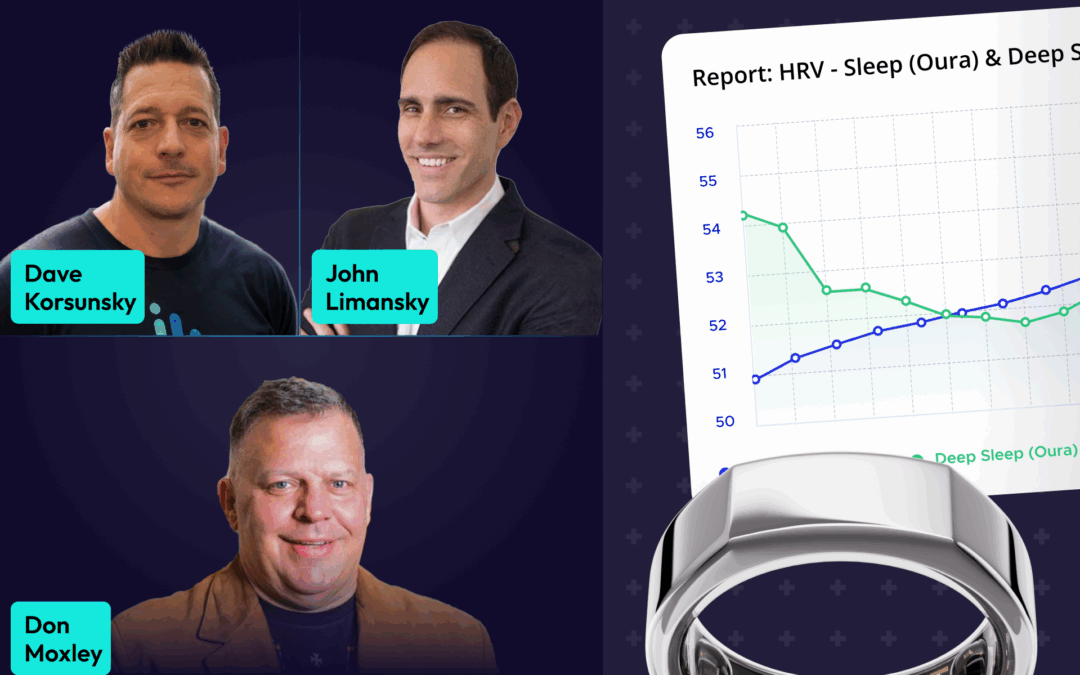
Heads Up recently hosted a masterclass focused on leveraging this powerful metric, featuring exercise physiologist Don Moxley and Heads Up Chief Medical Officer, Dr. John Limansky, hosted by Heads Up Founder & CEO, Dave Korsunsky. This session built upon previous discussions about the science of the vagal nerve and HRV.

The masterclass aimed to take a deep dive into Heart Rate Variability, with a specific focus on how clinicians can effectively utilize HRV in clinical practice.

HRV: A Universal Marker for Health and Performance

Don Moxley made a strong case for HRV as a universal health and performance marker. He explained that HRV serves as a biomarker for health status and overall stress response, providing insights into both physical and emotional resilience. In clinical settings, lower HRV is linked to reduced adaptability and increased health risks, including morbidity and mortality. Conversely, higher values are correlated with better performance and adaptability in various contexts.

The relationship between HRV and autonomic nervous system function is critical. The balance between sympathetic and parasympathetic influences significantly impacts HRV. Various factors, including pathological, physiological, psychological, environmental, lifestyle, and genetic factors, all influence HRV. Don highlighted that HRV demands a whole-body approach to healthcare, moving away from a purely systems-based view.

Clinical Applications of HRV

HRV monitoring is increasingly recognized as a crucial tool for assessing health, predicting outcomes, and guiding treatment strategies. It can serve as a reliable physiological marker of stress. For clinicians, HRV monitoring can be important in identifying cardiovascular risk and managing conditions such as hypertension, mental health disorders, and frailty in elderly populations. It is considered a valuable biomarker for assessing altered autonomic function in both health and psychiatric disease. Don noted his personal experience suggesting that lower HRV can indicate the impact of trauma.

The masterclass touched upon how different interventions and medications can affect HRV. Dr. Limansky and Don discussed the impact of blood pressure medications, noting that beta blockers and calcium channel blockers can significantly lower HRV, while ACE inhibitors may allow the heart to function more normally and even provide a slight HRV increase. They also mentioned benzodiazepines and GLP-1 medications as potentially affecting HRV.

HRV provides an indicator that practitioners can depend on to get ahead of disease, moving people from a disease state towards a performance state. Integrating HRV monitoring into routine assessments could potentially reduce the burden on the healthcare system by enabling early detection of potential issues.

HRV for Performance Optimization

In the realm of performance, athletes are increasingly using HRV metrics to optimize training and recovery protocols. HRV analytics can indicate readiness for performance, helping coaches tailor programs based on an athlete’s physiological status and stress levels. Don shared compelling examples from his time coaching college wrestling, where he could predict the team’s success based on athlete HRV scores. He detailed a case study of an athlete who was maladapting to training, showing very low HRV. By implementing training controls and focusing on intentional recovery, they were able to improve the athlete’s HRV, which correlated with a significant performance improvement at the national tournament.

Don emphasized that he prefers the term “maladaptation” over “overtraining,” highlighting that the body is either positively adapting or maladapting. HRV monitoring helps detect this maladaptation. He shared how his own HRV data clearly reflected the impact of travel, poor sleep, and lifestyle factors on his recovery, illustrating its value in identifying burnout or maladaptation in a professional context. He also noted the potential for wearable tech and HRV data to help predict injury. HRV can contribute to the decision-making process around training and recovery, and studies suggest HRV-directed training programs can improve outcomes.

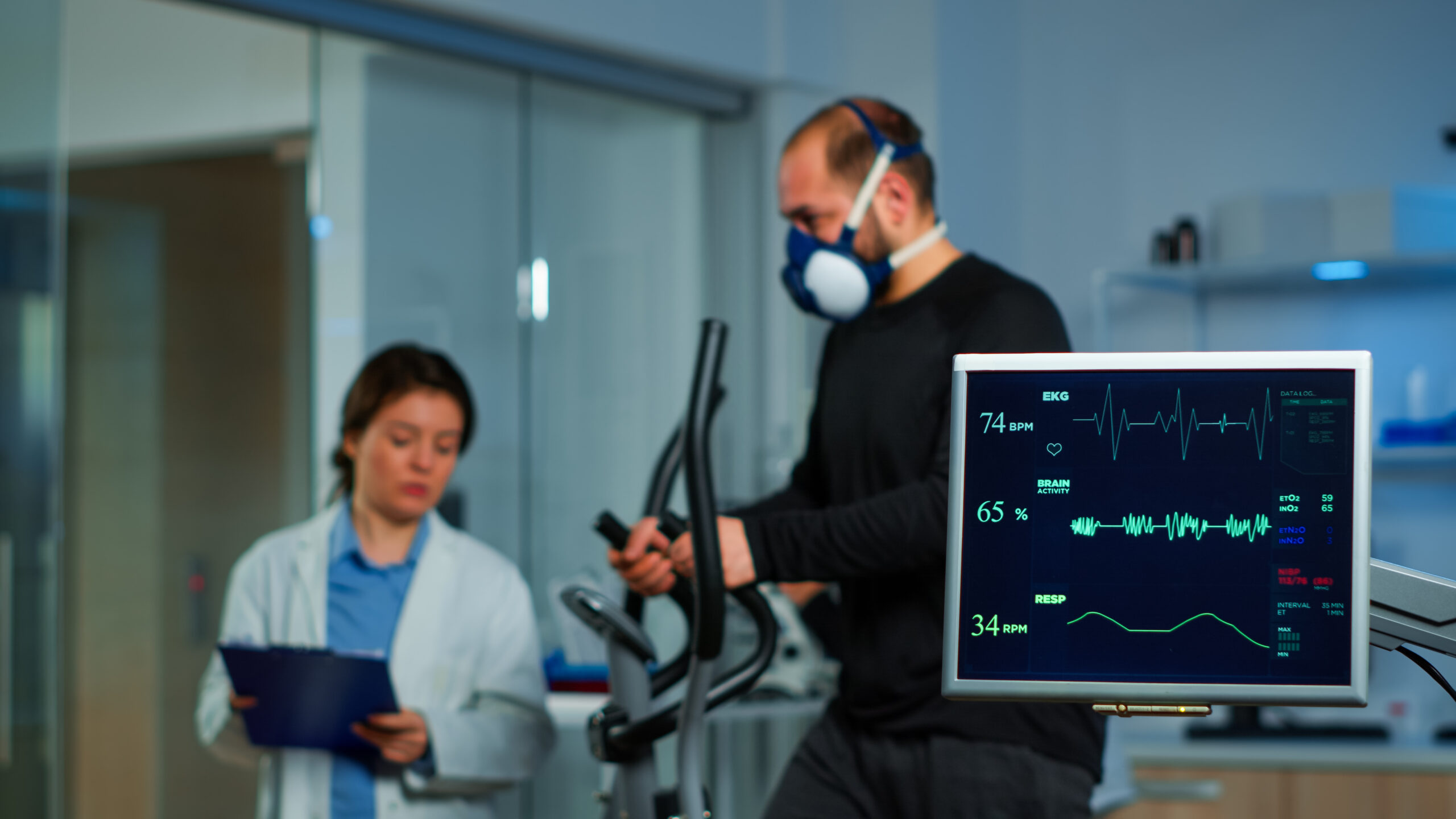
Team of medial researcher monitoring vo2 of man

Measuring and Monitoring HRV in Practice

While ECG is the gold standard for measuring HRV, recent advancements in wearable technology utilizing photoplethysmography (PPG) have made HRV monitoring more accessible. Devices like smartwatches and rings can effectively measure HRV in real time. However, ensuring accuracy requires using validated devices that have been compared against ECG and implementing standardized protocols for data collection, such as measuring at a consistent time, like nighttime resting data. Don expressed a preference for the Oura Ring due to its high user compliance and accurate nighttime data capture.

The masterclass reviewed different HRV metrics, including time domain metrics like RMSSD (Root Mean Square of Successive Differences), often associated with parasympathetic response, and SDNN (Standard Deviation of the Normal-to-Normal interval). Frequency domain analysis (LF, HF, LFHF ratio) was also discussed as a way to look at autonomic balance, although these metrics are less commonly available in standard wearable device software. Don mentioned using tools like those from HeartMath to explore LFHF ratios when working with clients struggling with autonomic function.

Operationalizing HRV Data with Heads Up

A key challenge for practitioners using HRV data is integrating measurements from various devices and tracking trends over time. The Heads Up platform is designed to address this by pulling together fragmented health data from sensors, wearables, and diagnostics into a seamless interface. This allows clinicians to easily capture data remotely, review daily metrics, track trends, set up alerts for deviations, and perform cohort analysis.

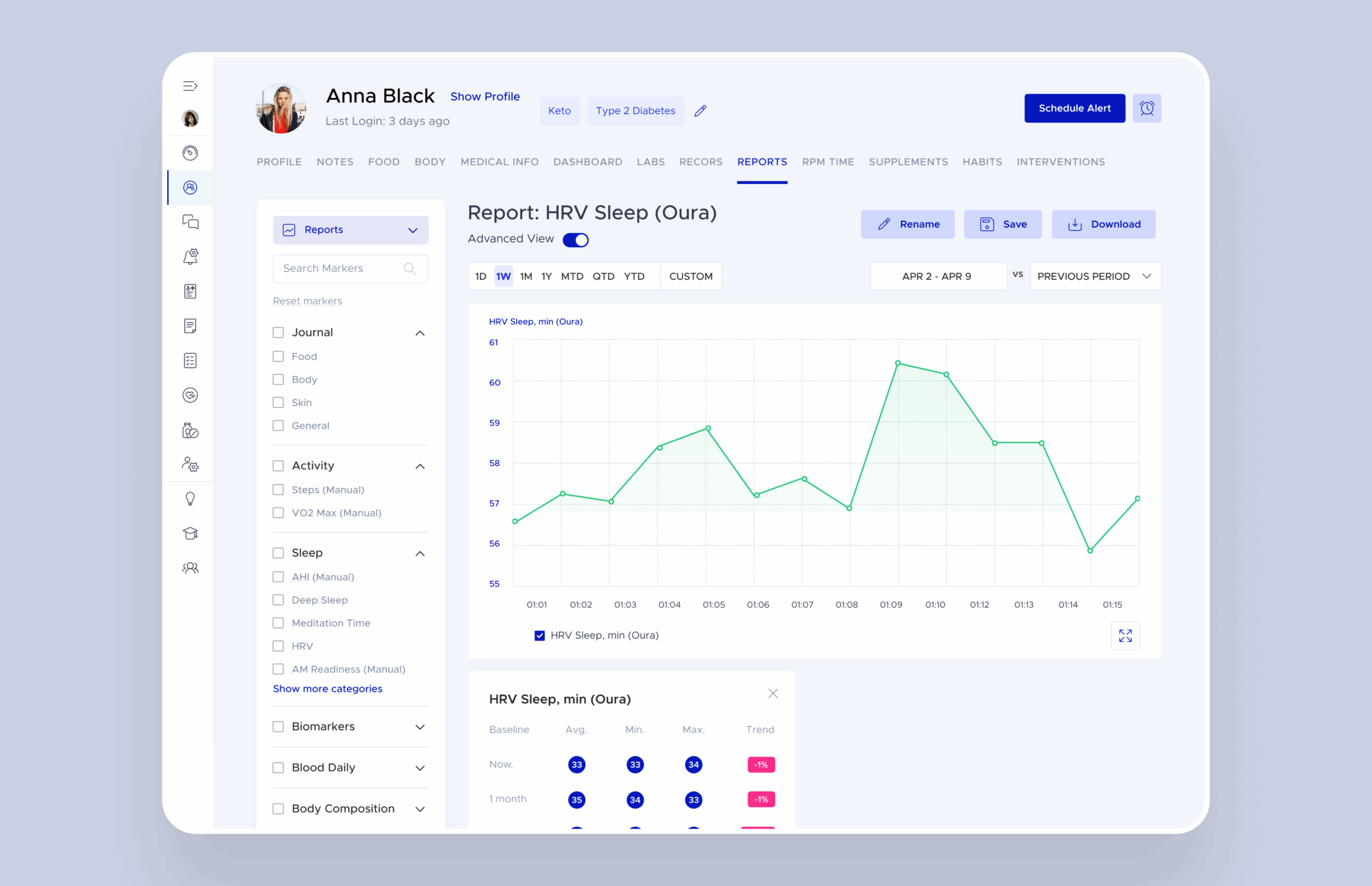
Don demonstrated how the Heads Up platform allows for visualizing HRV trends over time and correlating them with other data points, such as activity and resting heart rate. He showed how the platform helped him identify the physiological impact of life stress alongside physical activity levels. Heads Up enables practitioners to gain insights into individuals in real-time between visits and identify opportunities for improvements in behavior modification, treatment plans, and optimization strategies. The platform supports personalized care and helps validate outcomes. Case studies, such as AndHealth using HRV with autoimmune patients and Mode+Method demonstrating HRV improvements with supplements, were also referenced as examples of how Heads Up operationalizes this data in clinical practice.

HRV Reports

Conclusion

The HRV Masterclass with Don Moxley and Heads Up underscored the value of Heart Rate Variability as a dynamic and accessible biomarker for understanding health, stress, recovery, and performance. By operationalizing HRV data through platforms like Heads Up, clinicians can gain deeper insights into their patients’ daily physiological status, enabling more personalized care, validating interventions, and empowering individuals to take greater ownership of their health journey.

Frame 1000003751

If you’re a health professional looking to incorporate HRV monitoring into your practice or explore how to manage this data efficiently, scheduling a demo with Heads Up can provide a firsthand look at how the platform can support your goals.

Stay tuned for future Heads Up webinars covering topics such as women’s health and perimenopause, and longevity outcomes.

Learn more about Heads Up Health: https://headsuphealth.com/

Explore Heads Up Integrations: https://headsuphealth.com/integrations/

Tracking Patient Health Data Has Never Been Easier!

Leverage The Power Of Heads Up in your Health Practice

Get started with by scheduling custom demo with one of our specialists to see the difference Heads Up can make in your practice. Schedule your demo and discovery call here.

Optimize Health & Longevity

Synchronize your clients’ medical records, labs, wearables, apps, and more into Heads Up for better outcomes. 
Sign Up now for a free starter account!
“Show Me The Data!” How Real-Time Health Data is Revolutionizing Longevity & Biohacking.

“Show Me The Data!” How Real-Time Health Data is Revolutionizing Longevity & Biohacking.

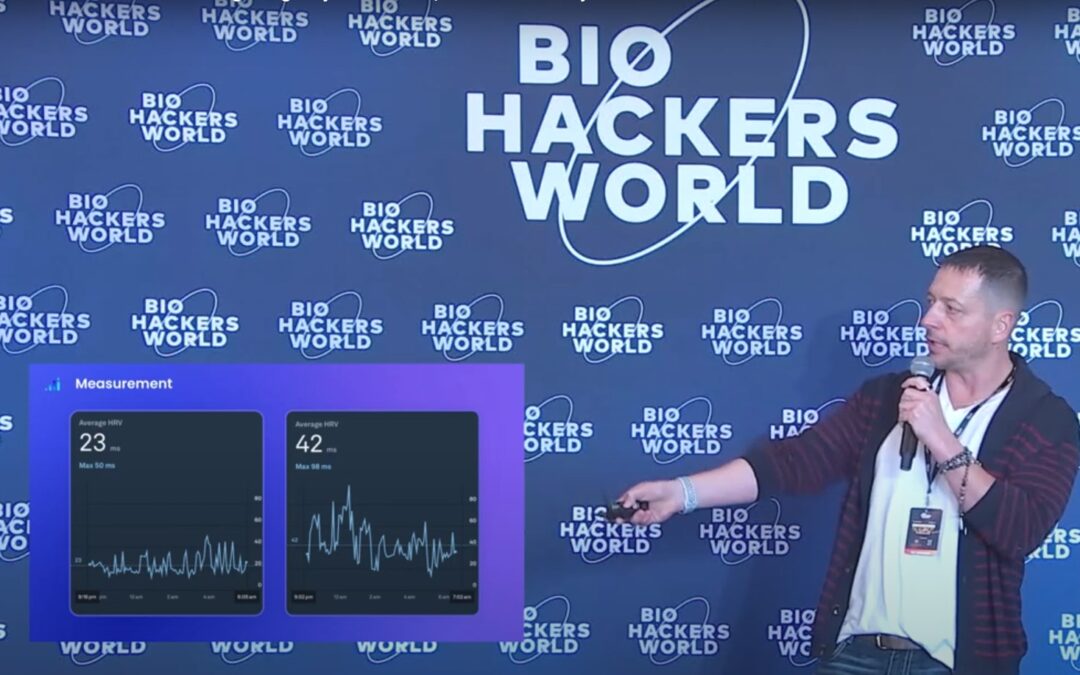
We can make micro-calibrations every day. We can test, retest, and experiment every single day. We can make changes, figure out what works, and just keep stacking them up. That’s the most exciting part of Biohacking!

Dave Korsunsky

CEO Heads Up

Discover how real-time health data is changing healthcare.

What if you could wake up each day with the tools to steer your health with pinpoint precision?

Now, imagine unlocking your body’s full potential by harnessing the power of real-time data: measuring, tweaking, and optimizing every facet of your well-being.

In today’s fast-paced, information-rich world, optimizing your health isn’t a guessing game; it’s a data-driven strategy. David Korsunsky, founder of Heads Up, delivers a powerful message in his presentation “Show Me The Data!Revealing how cutting-edge technology empowers you to do exactly that!

This isn’t about getting by, it’s about leveling up, living longer, and feeling stronger with every decision you make.

From Systems Engineering to Biohacking

Korsunsky applies his background in optimizing high-performance IT systems to human health. Just like servers, our bodies need monitoring, fine-tuning, and optimization. This vision powers the creation of Heads Up Health—a platform built to centralize, analyze, and elevate your personal health data.

Daily Data Creates Daily Wins

The old model of annual checkups and sporadic lab work doesn’t cut it anymore. Wearables and continuous monitors offer daily health insights, giving you the power to make micro-adjustments in real time.

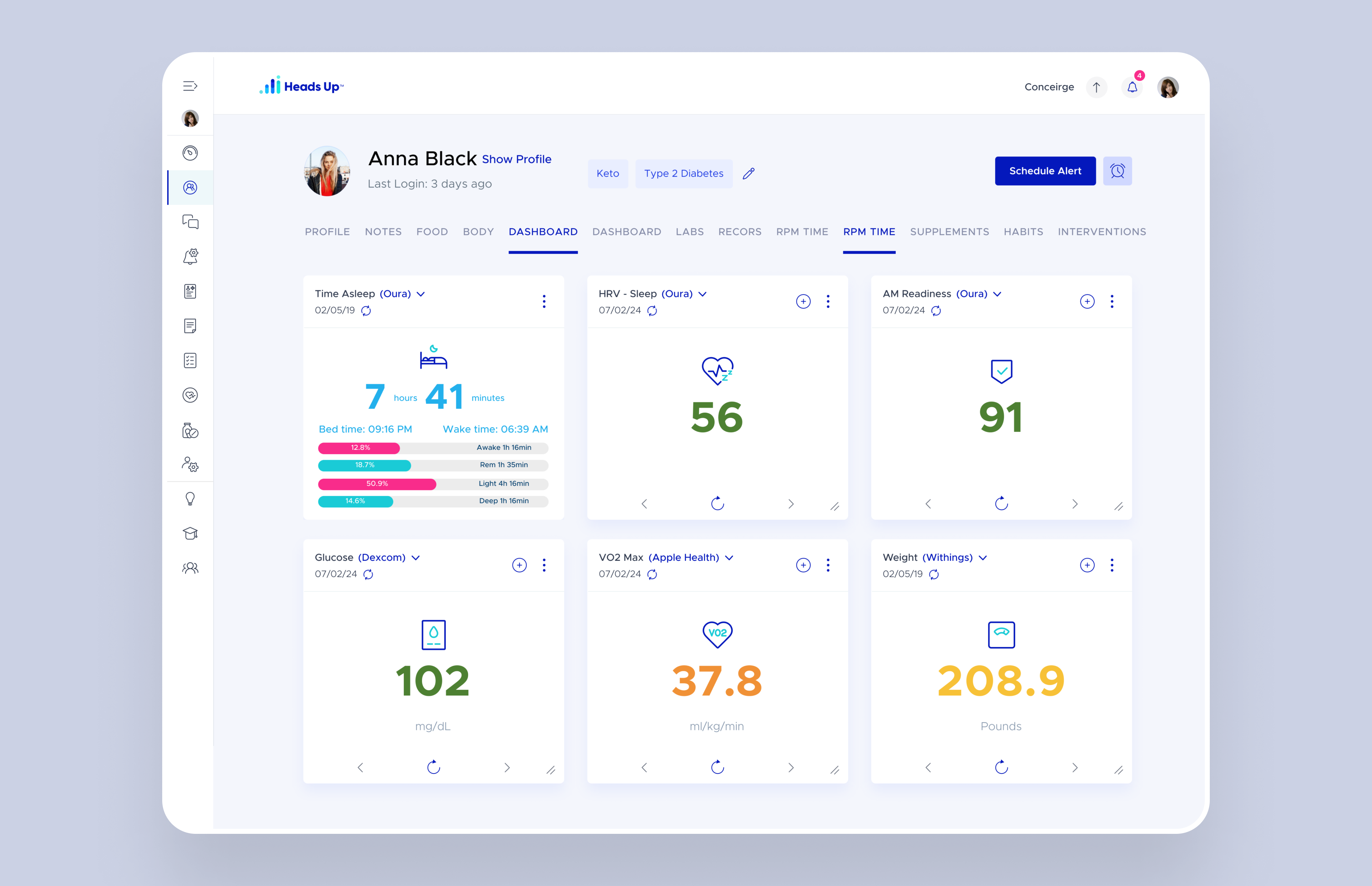
You don’t need to wait months to find out if a diet, supplement, or exercise program works. With tools like the Oura Ring, Dexcom CGMs, and Apple Watch, you track your progress every day. This real-time feedback turns biohacking into a personalized, results-driven experience.

The Five Biomarkers That Matter Most

There are thousands of metrics you can track, but Korsunsky focuses on five biomarkers that consistently deliver the biggest impact:

1. Heart Rate Variability (HRV)

HRV reflects the balance between your sympathetic and parasympathetic nervous systems. A higher HRV signals better stress resilience, cardiovascular health, and recovery.

Research in Frontiers in Public Health shows that higher HRV links to reduced mortality and lower risk of chronic diseases [1].

Korsunsky uses HRV daily to adjust training loads and manage stress. Since HRV is highly individualized, the goal is to improve your personal baseline—not chase someone else’s numbers.

2. Blood Glucose Levels

Stable blood sugar drives energy, sleep, hormone balance, and fat metabolism. Tools like the Dexcom Stelo let you see how food and habits affect your glucose in real time.

The CDC links poor glucose control to insulin resistance, type 2 diabetes, and cardiovascular disease [2]. Korsunsky encourages using CGMs to spot trends, correct spikes, and take control of your metabolic health.

3. Sleep Quality

Sleep fuels everything from recovery to mental clarity. Korsunsky treats it as a skill, not a given. Tools like Oura Rings reveal your sleep efficiency, heart rate trends, and more.

The Sleep Foundation highlights that consistent quality sleep boosts immune health, emotional regulation, and cognitive performance [3].

4. VO2 Max

VO2 Max measures how much oxygen your body uses during exercise. It’s a top predictor of cardiovascular endurance and long-term survival. A JAMA study shows higher VO2 Max significantly reduces mortality [4].

You can track VO2 Max with wearables or formal treadmill tests. Korsunsky recommends aiming for the fitness level of someone 10-20 years younger—and monitoring progress with every workout.

5. Muscle Mass

Muscle mass signals strength, hormone health, and resilience. Building muscle means you’re eating right, sleeping well, and training effectively.

NIH research shows that older adults with more muscle mass enjoy better mobility, metabolism, and cognitive performance [5]. Korsunsky uses DEXA scans and validated scales to track gains.

Mental Health & Breathwork: The Missing Links

Korsunsky reminds us: data isn’t just physical. Emotional health matters. Practices like breathwork and mindfulness boost HRV, improve sleep, and enhance your overall well-being.

Neuroscience backs this up. Controlled breathing helps reduce anxiety by stimulating the vagus nerve, improving focus and calm [6].

Play With Data: Make It Fun, Not Fearful

Korsunsky brings a light-hearted approach to data. Don’t stress over every number. Treat your dashboard as a sandbox for self-experimentation. Try a new routine, track your response, and adapt. That’s the essence of empowered health.

The Future of Health is Personalized

With the right data, you move beyond average. You aim for optimal. Whether you’re recovering from illness or striving for peak performance, daily data fuels continuous improvement.

Heads Up Health gives you the tools. 

Health Professionals

Want deeper insights into your patients’ health and lifestyle data?

Learn how Heads Up can help provide you the data to validate your patients’ health outcomes. Schedule a discovery call. 


Sources:

  1. Frontiers in Public Health. (2019). Heart Rate Variability and Health Outcomes. https://www.ncbi.nlm.nih.gov/pmc/articles/PMC6597786/
  2. CDC. (2021). Risk Factors for Type 2 Diabetes. https://www.cdc.gov/diabetes/basics/risk-factors.html
  3. Sleep Foundation. Why Do We Need Sleep? https://www.sleepfoundation.org/how-sleep-works/why-do-we-need-sleep
  4. JAMA Network. (2018). Association of Cardiorespiratory Fitness With Long-Term Mortality. https://jamanetwork.com/journals/jama/fullarticle/2713846
  5. National Institutes of Health. (2017). Skeletal Muscle and Aging. https://www.ncbi.nlm.nih.gov/pmc/articles/PMC5632791/
  6. Frontiers in Psychology. (2017). Effects of Controlled Breathing on Anxiety. https://www.frontiersin.org/articles/10.3389/fpsyg.2017.00874/full

Subscribe Below To Get Notified About Our Next Data-Driven Health & Medical Training

Leverage The Power Of Heads Up in your Health Practice

Get started with by scheduling custom demo with one of our specialists to see the difference Heads Up can make in your practice. Schedule your demo and discovery call here.

Tracking Patient Health Data Has Never Been Easier!

Frame 1

Optimize Health & Longevity

Synchronize your clients’ medical records, labs, wearables, apps, and more into Heads Up for better outcomes. 
Sign Up now for a free starter account!
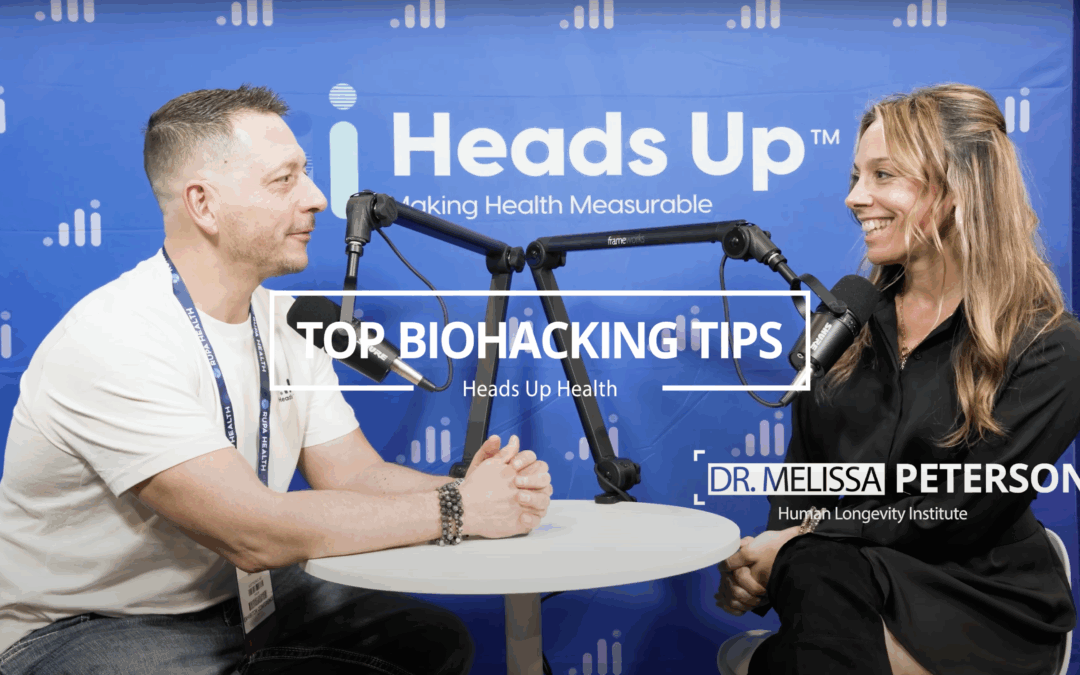
Reimagining Healthspan: How Dr. Melissa Petersen’s Longevity Paradigm is Transforming Patient Care

Reimagining Healthspan: How Dr. Melissa Petersen’s Longevity Paradigm is Transforming Patient Care

Reimagining Healthspan: How Dr. Melissa Petersen’s Longevity Paradigm is Transforming Patient Care

Overview

What if your patients stopped seeing aging as inevitable decline and started seeing it as a system they can optimize? In a bold and inspiring interview, Dr. Melissa Petersen, Founder of the Human Longevity Institute and CEO of Peptide University, delivers a compelling message to healthcare professionals: longevity isn’t a trend—it’s a fundamental shift in how we approach the human body.

Why This Matters for Health Professionals

As practitioners, we are trained to treat disease, mitigate risk, and manage chronic conditions. But what if we could go further? Dr. Petersen challenges us to help patients expand their healthspan, not just delay dysfunction.

With advances in longevity science, we now understand:

  • Biological aging can be measured, slowed, and in some cases, reversed.
  • Lifestyle variables like sleep, nutrition, and stress are now precision levers to modulate aging.
  • Rejuvenation technologies and molecules—such as those targeting the thymic gland—are already available.

The Paradigm Shift: Vitality as the New Health Metric

Rather than racing against time, Dr. Petersen invites us to help our patients reframe aging as an expression of vitality. This means moving from disease management to cellular optimization, from preventive care to regenerative possibility.

It’s not just about adding years. It’s about creating more energetic, purpose-driven years. Imagine the power of data-backed biohacking paired with a patient’s belief that they’re not running out of time—they’re just getting started.

Implications for Your Practice

  • Empower patients with data they can see and understand—from HRV to glucose variability and aging biomarkers.
  • Incorporate emerging therapies that support regenerative goals and track impact over time.
  • Foster a longevity mindset in your patient education by discussing healthspan alongside lifespan.

At Heads Up Health, we believe the future of care is personalized, data-driven, and purpose-fueled. Dr. Petersen’s message is a timely reminder that we, as clinicians and coaches, have the tools—and the responsibility—to lead this transformation.

Want to be part of the movement that’s rewriting human potential?

It starts with rethinking aging. And it starts now.

Frame 1000003751

Tracking Patient Health Data Has Never Been Easier!

Leverage The Power Of Heads Up in your Health Practice

Get started with by scheduling custom demo with one of our specialists to see the difference Heads Up can make in your practice. Schedule your demo and discovery call here.

Optimize Health & Longevity

Synchronize your clients’ medical records, labs, wearables, apps, and more into Heads Up for better outcomes. 
Sign Up now for a free starter account!