
Longevity Metrics: The Definitive Guide for Clinicians and Health Professionals
Introduction: Why Longevity Metrics Are the Future of Medicine
In the last decade, medicine has shifted from a disease-care model to a longevity and healthspan model. Patients aren’t just asking how long they will live, they want to know how well they can live. They expect measurable proof, personalized strategies, and proactive care.
That proof comes from longevity metrics: objective, data-driven biomarkers and performance measures that help clinicians uncover hidden risks, design precise interventions, and validate progress over time.
For clinics in concierge medicine, integrative health, and functional medicine, longevity metrics are not just a clinical advantage, they are a business differentiator. By delivering measurable results, practices increase patient trust, retention, and referrals while also creating scalable membership-based revenue streams.
This definitive training will cover the top longevity metrics every clinic should track, why they matter, and how to integrate them into daily practice with platforms like Heads Up Health.
Don't Miss The Next Data-Driven Medical Education
Sign Up Below To Get Notified

Guest Educator: Leonard Pastrana

Transforming longevity medicine from concept to clinical reality for 5,000+ medical practitioners worldwide: PharmD & Founder @ nuBioAge | Scientific Director | Speaker | Accelerating Leaders in Longevity Medicine.
Leonard is recognized as one of the foremost experts in longevity medicine, transforming the field from concept to clinical reality.
As the co-founder of nuBioAge and Scientific Director for multiple longevity initiatives, Leonard has trained and supported over 5,000 medical practitioners worldwide. His work goes beyond education, he has built a comprehensive ecosystem that equips providers with the tools, data, and strategies they need to implement longevity metrics, deliver personalized care, and scale successful programs. With deep expertise in biomarkers, precision therapies, and healthspan optimization, Leonard is accelerating the next generation of leaders in clinical longevity practice.
“As a PharmD and co-founder of nuBioAge, I’ve helped build the most comprehensive ecosystem in longevity medicine – one that doesn’t just educate providers, but gives them everything they need to deliver life-changing care and scale their impact.”
What Are Longevity Metrics?
Longevity metrics are quantifiable biomarkers, physiological measures, and health indicators that reflect a patient’s risk for disease and their capacity for healthy aging.
They go beyond traditional labs and vitals. While blood pressure and cholesterol remain useful, longevity metrics dive deeper into visceral fat, metabolic flexibility, cardiovascular capacity, lean mass, and early metabolic dysfunction.
The goal:
- Identify risks years before symptoms appear.
- Personalize care to each patient’s biology.
- Validate progress with data patients can see and trust.
The 7 Core Longevity Metrics Every Practice Should Track
1. Visceral Adipose Tissue (VAT)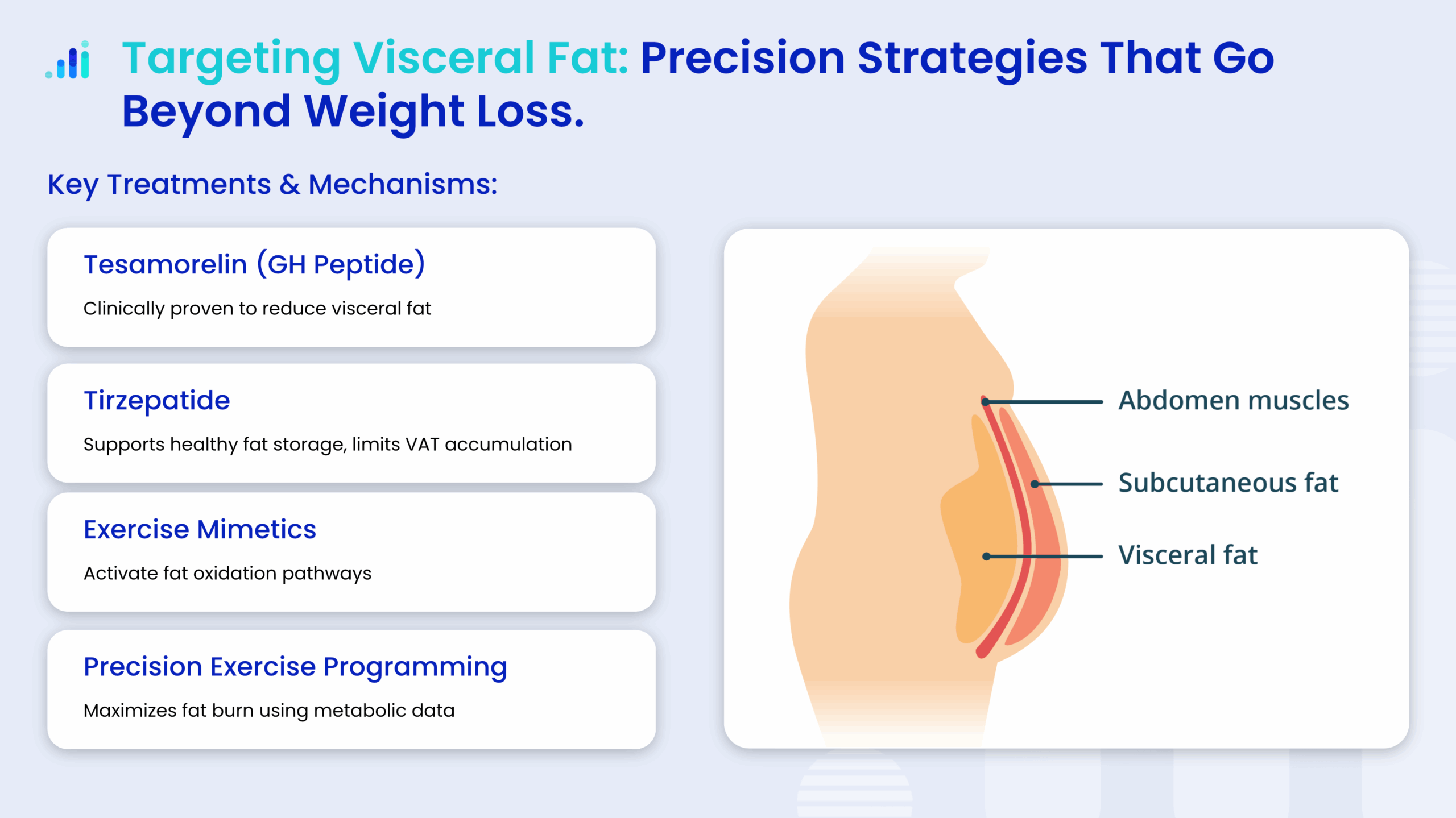
- What it is: VAT is the fat stored around internal organs. Unlike subcutaneous fat, VAT drives systemic inflammation, insulin resistance, and cardiometabolic disease.
- How to measure: DEXA scans are gold standard; bioimpedance devices and MRI can also estimate VAT.
- Why it matters: High VAT is linked to cardiovascular disease, Type 2 diabetes, and even cancer progression.
- How to optimize: GLP-1 medications (Semaglutide, Tirzepatide), peptides like Tesamorelin, precision nutrition, and Zone 2 aerobic training.
2. Appendicular Lean Mass Index (ALMI)
- What it is: ALMI measures lean muscle mass in arms and legs relative to height.
- Why it matters: Low ALMI indicates sarcopenia, frailty, and increased fall risk. Muscle mass is a critical predictor of mobility and independence in older age.
- How to measure: DEXA body composition scans.
- How to optimize: Resistance training, leucine-rich nutrition, testosterone or hormone optimization when clinically appropriate.
3. VO₂ Max
- What it is: The maximal oxygen uptake during exercise — essentially, cardiovascular fitness.
- Why it matters: VO₂ max is the single strongest predictor of mortality, outperforming smoking status, diabetes, and hypertension.
- How to measure: Treadmill testing with metabolic cart, breath analyzers like PNOĒ, or validated wearable proxies (Garmin, Polar).
- How to optimize: Structured aerobic training, especially high-intensity intervals and progressive Zone 2 work.
4. Resting Metabolic Rate (RMR)
- What it is: The number of calories burned at rest.
- Why it matters: Patients with “slow metabolism” often struggle with weight loss and regain. Discrepancies between measured and predicted RMR reveal hidden metabolic dysfunction.
- How to measure: Indirect calorimetry breath testing.
- How to optimize: Tailored nutrition programs, lean mass preservation strategies, and metabolic rehabilitation.
5. Fat Oxidation (FatMax & Crossover Point)
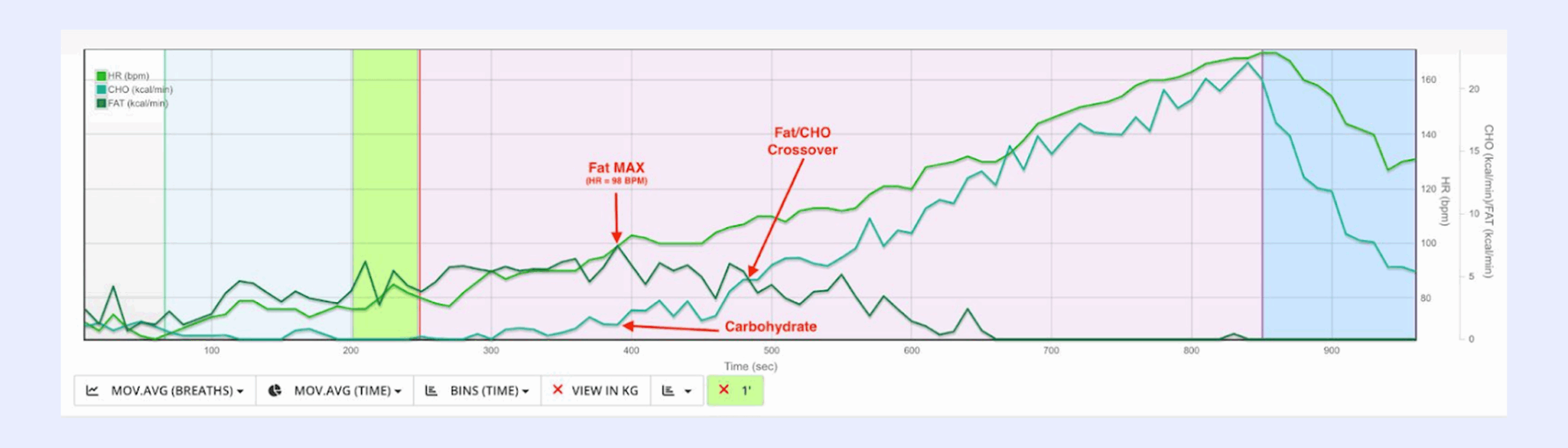
- What it is: Measures the exact point where fat burning peaks and where carb metabolism overtakes fat metabolism.
- Why it matters: Fat oxidation metrics reveal metabolic flexibility and mitochondrial efficiency — both crucial for longevity.
- How to measure: Metabolic breath testing devices (PNOĒ, VO₂ cart).
- How to optimize: Zone 2 training, low-glycemic diets, mitochondrial support supplements.
6. ApoB
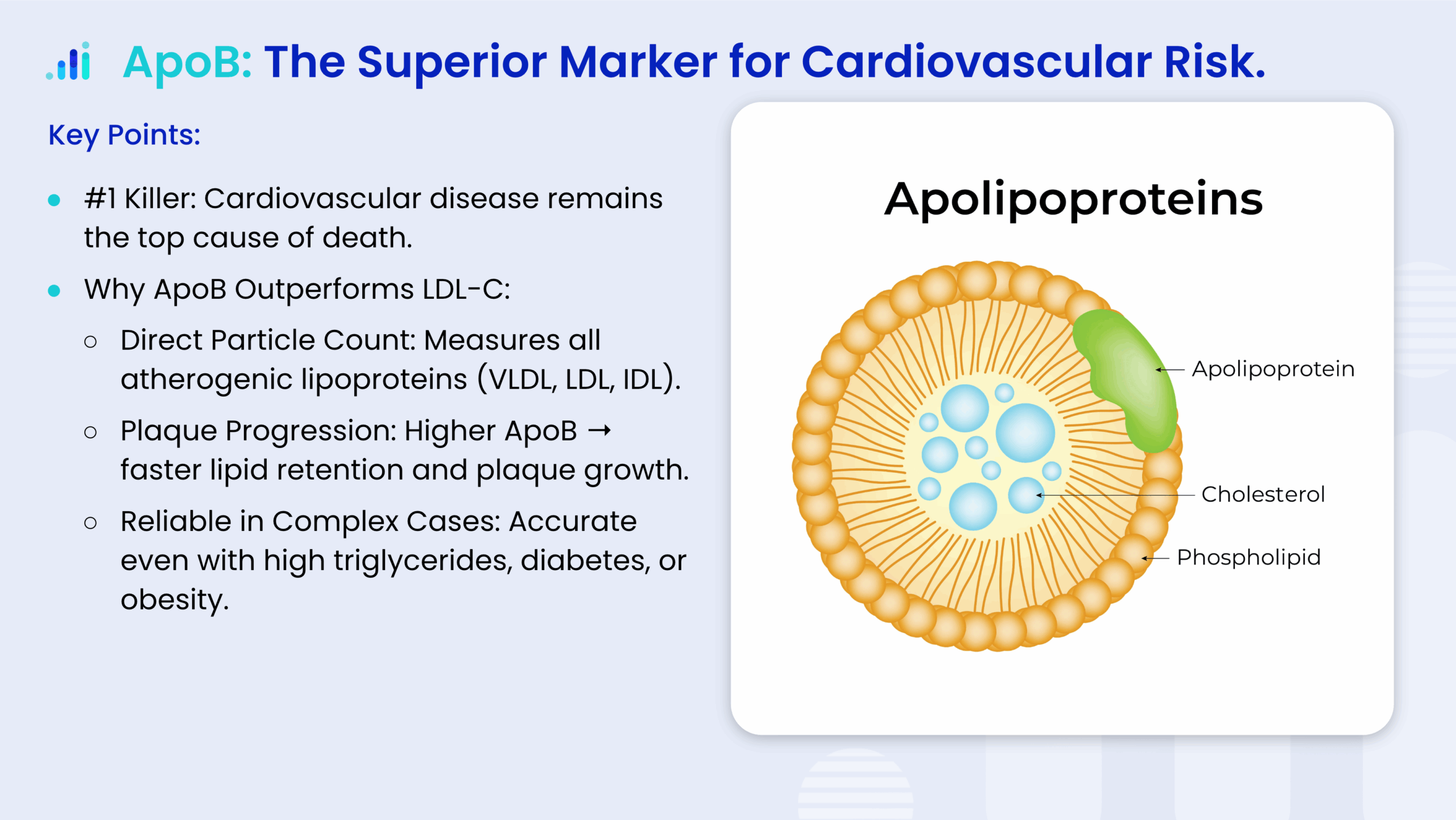
- What it is: Apolipoprotein B is a direct measure of atherogenic lipoprotein particle count.
- Why it matters: ApoB is a more reliable predictor of cardiovascular risk than LDL-C. Elevated ApoB means accelerated plaque formation.
- How to measure: Standard lab blood test.
- How to optimize: Statins, PCSK9 inhibitors, lifestyle interventions, supplements like Sytrinol.
7. Fasting Insulin
- What it is: Baseline insulin level after fasting.
- Why it matters: Elevated insulin can indicate metabolic dysfunction years before fasting glucose or HbA1c change.
- Optimal range: ≤6–7 μIU/mL.
- How to measure: Simple fasting blood test.
- How to optimize: Low-glycemic diets, time-restricted eating, GLP-1s, berberine
Beyond the Basics: Additional Longevity Metrics
- HRV (Heart Rate Variability): Marker of autonomic nervous system balance and stress resilience.
- Sleep Quality & Stages: Tracked via Oura, Garmin, Whoop. Poor sleep accelerates biological aging.
- Epigenetic Clocks: DNA methylation-based biological age tests (TruAge, DNAmAge).
- Inflammatory Markers: hsCRP, IL-6 as indicators of chronic inflammation.
- Cognitive Metrics: Reaction time, memory, and executive function testing.
From Data to Action: Personalizing Longevity Protocols
Metrics are only powerful if they drive interventions. Leading practices use HeadsUp Health to:
- Centralize data from labs, wearables, and devices into one dashboard.
- Set personalized protocols (exercise, nutrition, peptides).
- Track longitudinal changes with real-time alerts.
- Validate results with before-and-after reports patients can see.
This makes metrics actionable for both clinical care and patient motivation.
The Business Case: Why Longevity Metrics Grow Clinics
For practice owners, longevity metrics are not just science, they are strategy.
- Retention: Patients stay engaged when they see progress. One concierge clinic reported a 32% increase in retention after adopting Personalize Health Analytics.
- Revenue: Clinics packaging biomarker tracking into memberships have seen $87K+ in new annual revenue.
- Differentiation: Data-driven outcomes set longevity clinics apart from wellness spas and traditional practices.
- Investor Appeal: Validated outcomes with data attract partnerships and capital.
How to Implement Longevity Metrics in Your Practice
- Baseline assessment: Order a comprehensive lab + body composition + wearable data review.
- Build dashboards: Use a platform like HeadsUp Health to visualize data.
- Set alerts & thresholds: Get notified when metrics drift from targets.
- Review quarterly: Re-test metrics and adjust care plans.
- Package results: Present before/after reports in membership or VIP programs.
Tools, Training & Resources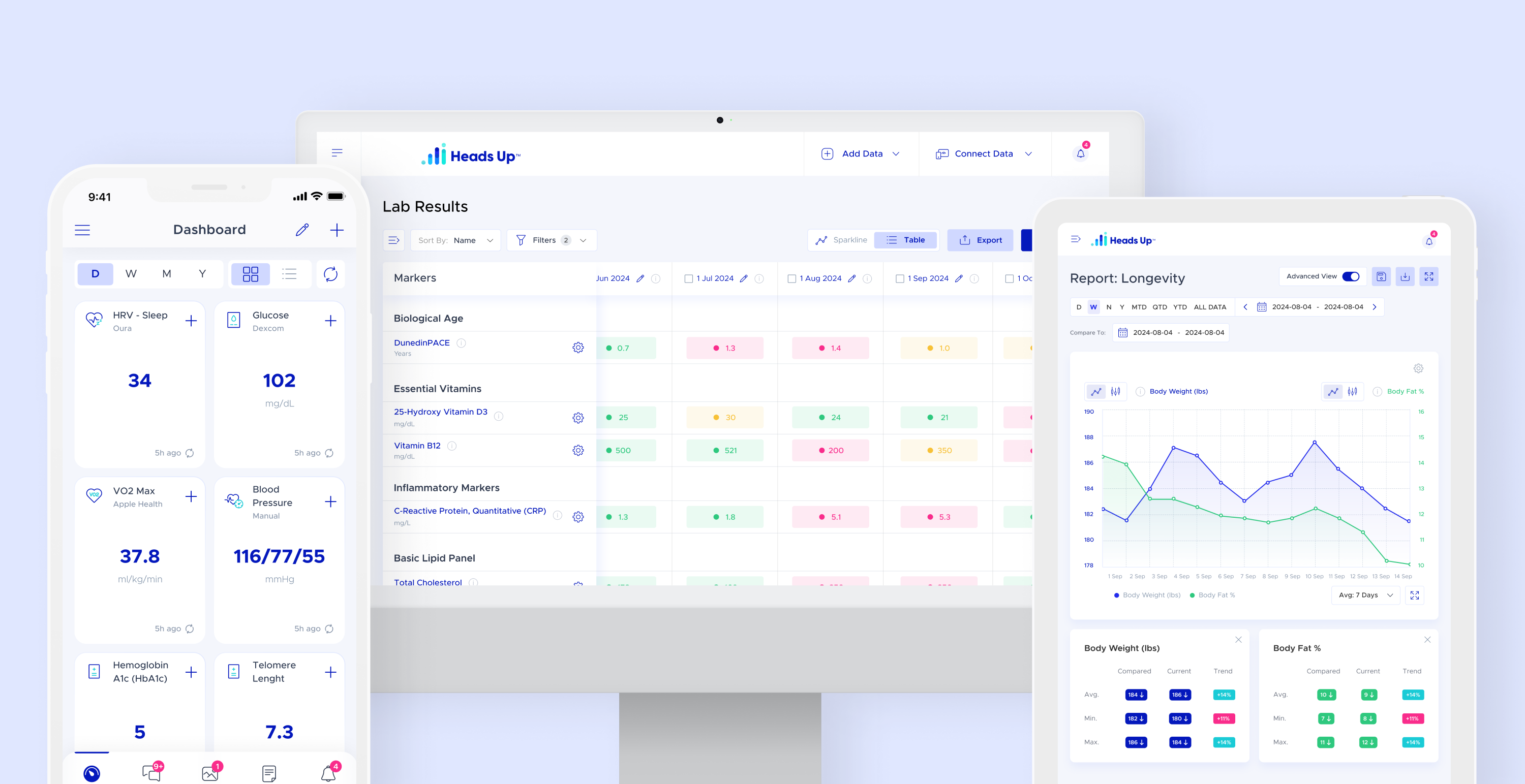
- Frequently Asked Questions: https://youtube.com/live/rK8qBorqZrQ
- HeadsUp Health: Centralizes wearables, labs, and device data into patient + clinician dashboards.
- Education: Advanced Data-Driven Medical Education series for providers.
- Partners: Integrations with Oura, Garmin, Dexcom, Withings, PNOĒ, InBody, and more.
Metrics Drive the Future of Longevity Medicine
Longevity medicine is no longer theory. By focusing on VAT, ALMI, VO₂ max, RMR, FatOx, ApoB, and fasting insulin, clinics can deliver measurable results that extend both lifespan and healthspan. The metrics exist, the tools exist, and the business case is clear. Clinics that adopt longevity metrics today will lead the next generation of personalized, preventive, and profitable medicine.
Clinical Longevity Certification With nuBioAge

Tracking Patient Health Data Has Never Been Easier!
Leverage The Power Of Heads Up in your Health Practice
Get started with by scheduling custom demo with one of our specialists to see the difference Heads Up can make in your practice. Schedule your demo and discovery call here.
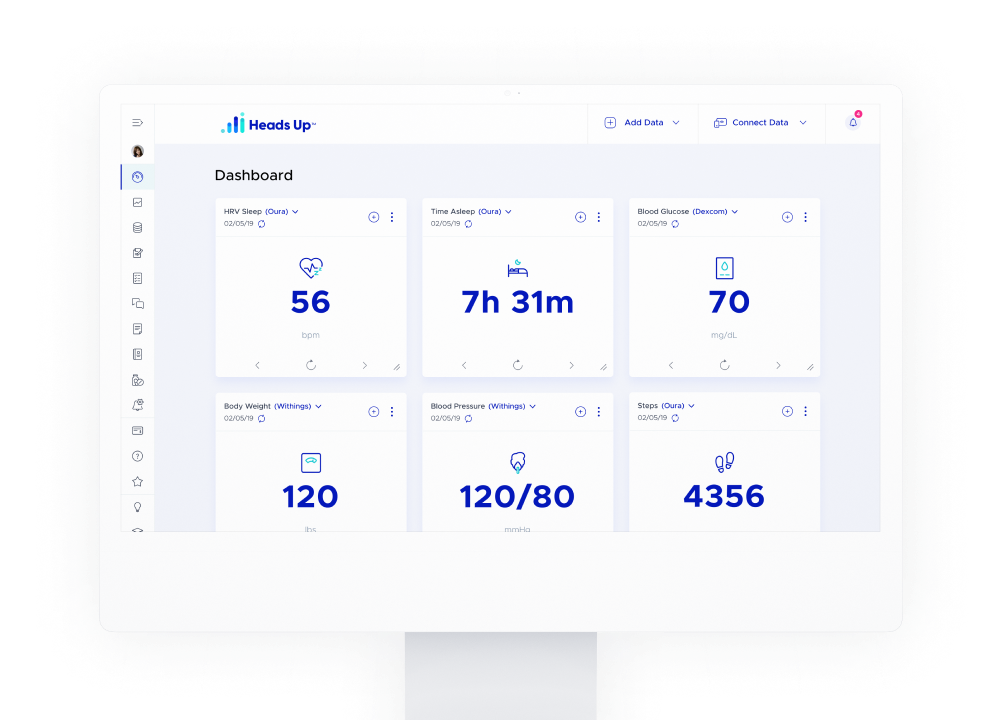
Optimize Health & Longevity
Synchronize your clients’ medical records, labs, wearables, apps, and more into Heads Up for better outcomes. Sign Up now for a free starter account!

0 Comments