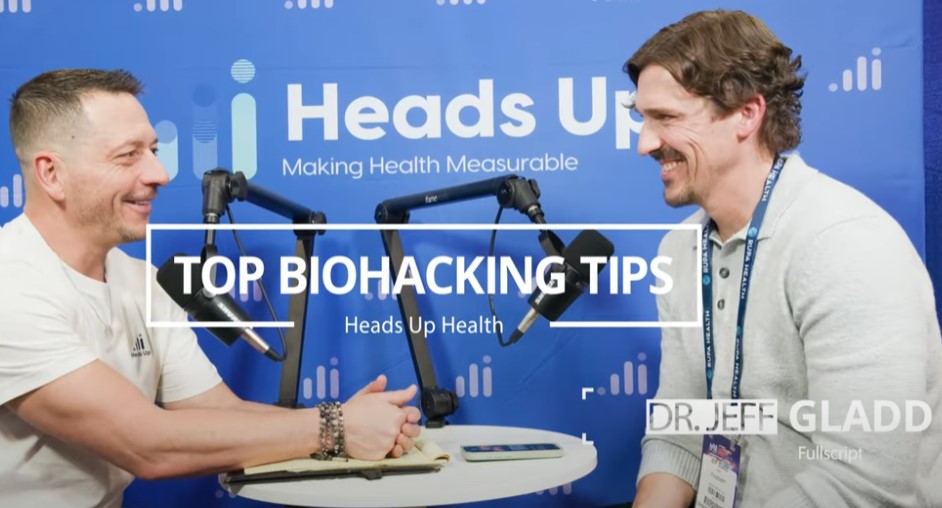
⚕️Find a Trusted Practitioner – Patients need personalized guidance rather than relying solely on podcasts, books, or DIY labs. Finding the right practitioner—even if it takes a few tries—can provide clarity in a noisy health space.
?️♂️ Prioritize Muscle Health – Strength training, protein intake, and creatine are essential. Many underestimate their protein needs and the role of muscle mass in long-term health, especially when on appetite-suppressing medications like GLP-1.
? Avoid Perfectionism – Balance over rigidity: it’s vital to have a solid health foundation, but also allow room to enjoy life’s pleasures like desserts and family gatherings without guilt.
Bonus Tips!
? Seek Second (and Third) Opinions – Don’t settle for one voice. If the first health expert isn’t the right fit, continue the search. It’s better to navigate through a few wrong choices than stay misled.
? Track with Tools Like Heads Up – Use digital health tools to assess nutrition and calorie intake. Even informed patients often underestimate protein and overestimate calories—awareness is key.
“Do not make perfection the goal… You should enjoy dessert with the family, enjoy your kid’s birthday party — we forget to enjoy life when perfection is the goal.”
Dr. Jeff Gladd
Concierge Medicine Physician
Insights Based on Numbers
GLP-1 and protein deficiency: When patients use GLP-1 medications, their appetite often drops, leading to reduced protein intake. This can harm muscle mass if not managed consciously.
Underestimation bias: Most patients significantly underestimate their protein intake, often realizing it only after tracking with tools like Cronometer.
Subscribe Below To Get Notified About Our Next Data-Driven Health & Medical Training
Leverage The Power Of Heads Up in your Health Practice
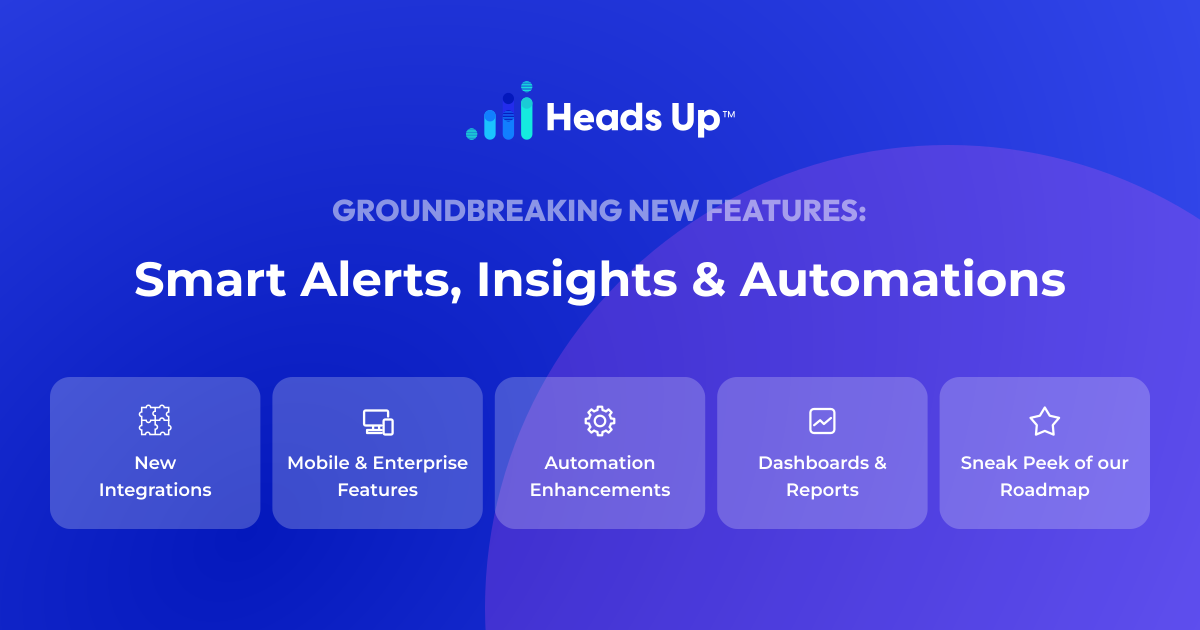
In the fast-evolving landscape of digital health, automated data-driven smart alerts are transforming how health professionals monitor and support patients. The latest webinar by Heads Up introduces groundbreaking advancements in real-time health monitoring, data-driven insights, notifications, and automation to optimize patient care.
This article explores key takeaways from the webinar, including how smart alerts enhance efficiency, improve patient outcomes, and streamline clinical workflows.
Smart alerts are automated notifications that provide healthcare providers with timely insights into a patient’s health status. These alerts eliminate the need for constant manual review by identifying critical trends and deviations in patient data.
Key Benefits of Smart Alerts:
Early Detection of Health Issues: Smart alerts enable practitioners to identify potential health risks before they become critical.
Data-Driven Decision Making: AI-driven insights help healthcare providers make more informed decisions without sorting through vast amounts of data.
Increased Efficiency: Automated reminders and alerts save time by prioritizing patient cases that need immediate attention.
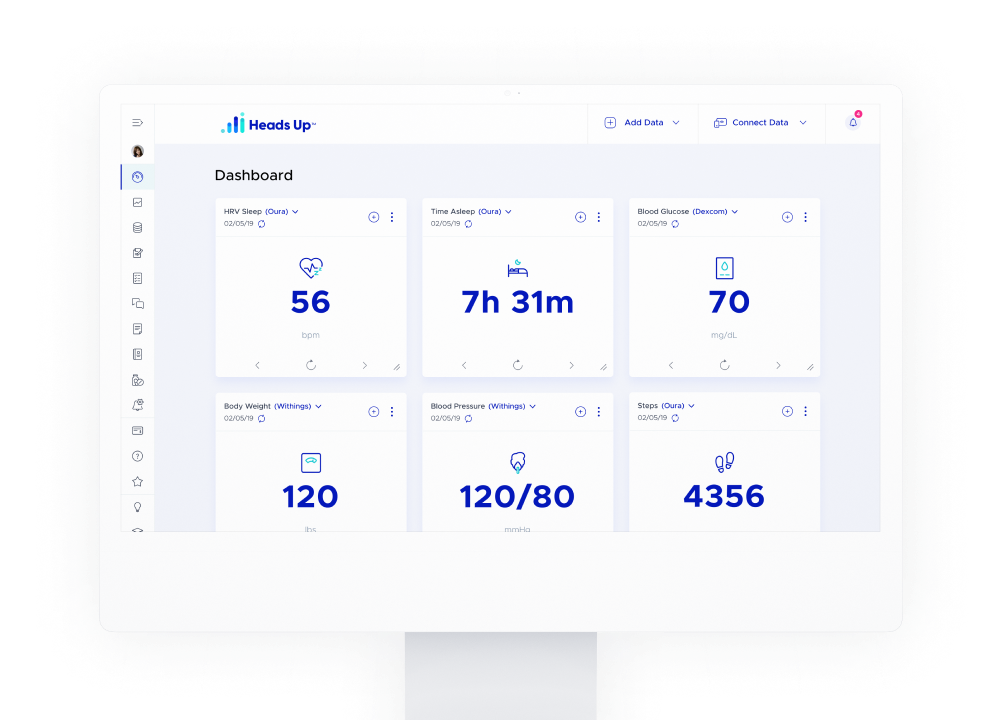
Seamless Integration with Wearables: Devices like Apple Watches, Oura Rings, and CGMs feed real-time data into the system, ensuring continuous monitoring.
Personalized Healthcare: By analyzing historical data and trends, smart alerts tailor interventions to individual patient needs.
How Smart Alerts Work: A Step-by-Step Guide
Data Collection from Wearables & Health Devices: The system pulls data from FDA-approved medical devices, fitness trackers, and lab tests.
Automated Trend Analysis: Algorithms analyze the collected data, identifying deviations from normal baselines.
Customized Alert Configuration: Practitioners can set alerts based on individual patient parameters such as heart rate variability (HRV), blood glucose levels, or oxygen saturation.
Real-Time Notifications & Actionable Insights: When significant changes occur, alerts notify the practitioner via email, in-app notifications, or mobile alerts.
Patient Engagement & Intervention: Providers can reach out to patients directly, adjusting treatment plans and offering timely interventions.
Use Cases: Smart Alerts in Action
Case Study #1: Elite Athletes’ Performance Monitoring
Dr. Kevin Sprouse, a sports medicine expert working with Tour de France cyclists and PGA professionals, uses smart alerts to:
Detects temperature spikes over .7°F, indicating possible infections or overtraining.
Track HRV and resting heart rate trends to monitor recovery and optimize performance.
Identify poor sleep patterns, allowing early interventions for fatigue and burnout prevention.
Case Study 2: Post-Surgical Remote Patient Monitoring
A healthcare organization specializing in post-surgical patient monitoring applies smart alerts to:
Identify signs of infection through deviations in resting heart rate and blood pressure.
Detect unusual weight fluctuations that may indicate fluid retention and potential complications.
Send reminders for post-surgery assessments to ensure adherence to follow-up protocols.
Integrating Smart Alerts into Your Practice
If you’re a healthcare provider looking to optimize patient monitoring and improve efficiency, implementing smart alerts is a game-changer.
Here’s how to get started:
Step 1: Define Your Monitoring Goals
Determine the key health metrics and trends you want to track for your patients.
Step 2: Choose Wearables & Data Sources
Select FDA-approved wearables, CGMs, lab integrations, and health tracking apps to collect accurate data.
Step 3: Configure Customized Alerts
Use a platform like Heads Up to set up personalized alerts based on patient-specific thresholds.
Step 4: Test & Optimize
Start with a few basic alerts, analyze the results, and adjust the settings to minimize unnecessary notifications.
Step 5: Monitor & Engage with Patients
Stay connected with patients via in-app messaging, emails, or direct follow-ups based on the alerts received.
Conclusion: The Future of Data-Driven Healthcare
Smart alerts are revolutionizing health monitoring and patient engagement by reducing workload, improving detection accuracy, and enabling proactive care. Whether you’re working with elite athletes, chronic disease patients, or post-surgical cases, data-driven alerts ensure timely interventions and optimized health outcomes.
Want To Deploy Health Data Automation In Your Practice?
Schedule a free consultation to set up personalized smart alerts for your clinic.
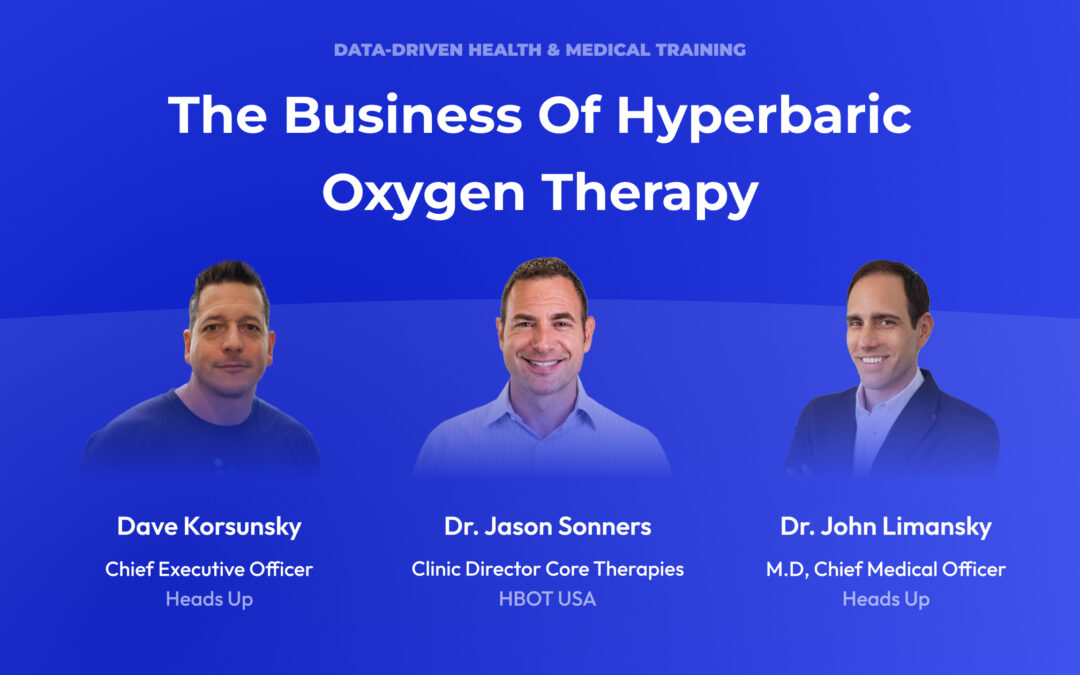
Advanced Health & Medical Training Series: The Business Of Hyperbaric Oxygen Therapy
The Business Of Hyperbaric Oxygen Therapy
Information About The Training
As healthcare continues to evolve towards personalized data-driven approaches, the need to validate health outcomes from lifestyle protocols, treatments, medical interventions, and health therapies has become mission-critical.
This webinar dives into the business of HBOT along with methods, tools, and best practices for profitably deploying hyperbaric oxygen therapy in practice.
Educational Key Topics:
Understanding Hyperbaric Oxygen Therapy
Benefits and Clinical Applications
Paths to Profit: Insurance vs. Cash Pay
Types of Chambers: Hard Shell vs. Soft Shell
The Business Side: Adding HBOT to Your Practice
Training, Certification and Legal Aspects
Tracking Outcomes with Heads Up (live demo)
Who’s This Training For?
Health professionals with established practices who are committed to delivering measurable, validated health outcomes.
This webinar is your gateway to mastering the business of hyperbaric oxygen therapy (HBOT) and is designed to help you deliver measurable results while unlocking new revenue opportunities.
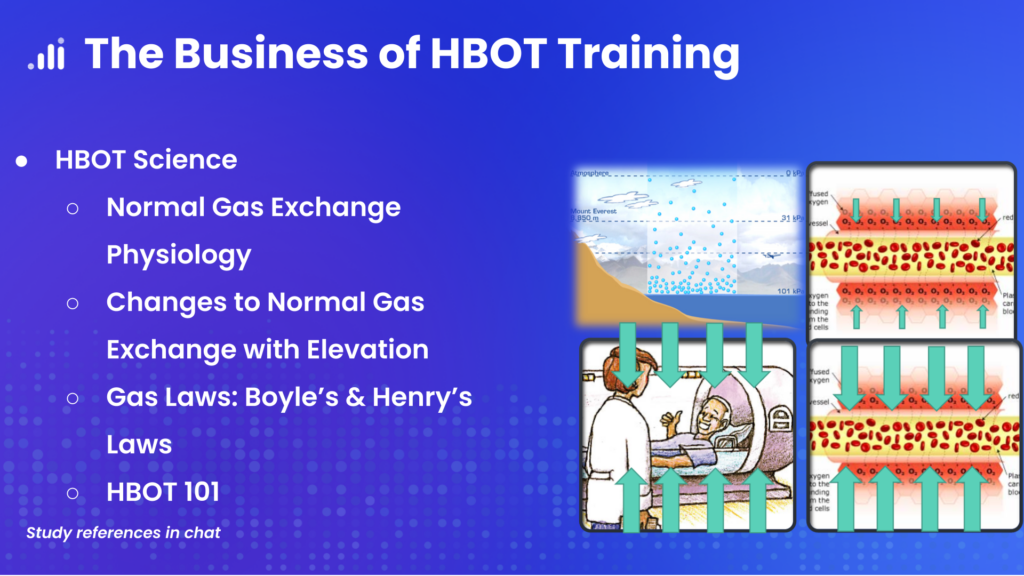
Graphic: The Science Of HBOT Physiological Gas Exchange
The Science Of HBOT
References:
Rossignol DA, Rossignol LW, James SJ, Melnyk S, Mumper E. The effects of hyperbaric oxygen therapy on oxidative stress, inflammation, and symptoms in children with autism: an open-label pilot study. BMC Pediatr. 2007 Nov 16;7:36. doi: 10.1186/1471-2431-7-36. PMID: 18005455; PMCID: PMC2244616.
Cimşit M, Uzun G, Yildiz S. Hyperbaric oxygen therapy as an anti-infective agent. Expert Rev Anti Infect Ther. 2009 Oct;7(8):1015-26. doi: 10.1586/eri.09.76. PMID: 19803709.
MacLaughlin KJ, Barton GP, Braun RK, MacLaughlin JE, Lamers JJ, Marcou MD, Eldridge MW. Hyperbaric air mobilizes stem cells in humans; a new perspective on the hormetic dose curve. Front Neurol. 2023 Jun 20;14:1192793. doi: 10.3389/fneur.2023.1192793. PMID: 37409020; PMCID: PMC10318163.
Hachmo Y, Hadanny A, Abu Hamed R, Daniel-Kotovsky M, Catalogna M, Fishlev G, Lang E, Polak N, Doenyas K, Friedman M, Zemel Y, Bechor Y, Efrati S. Hyperbaric oxygen therapy increases telomere length and decreases immunosenescence in isolated blood cells: a prospective trial. Aging (Albany NY). 2020 Nov 18;12(22):22445-22456. doi: 10.18632/aging.202188. Epub 2020 Nov 18. PMID: 33206062; PMCID: PMC7746357.
Get Notified Of Future Data-Driven Training
Valued Sponsors
TruAge Complete: An epigenetic test that tells you how old you really are on the cellular level.The test tells you: your biological age, rate of aging, and age of 11 key organ systems by looking at 75+ biomarkers. By routinely taking the test, you can measure the impact of lifestyle changes you make to improve your epigenetic health. Learn more
Quicksilver Scientific is built on 18 years of scientific research and innovation with over 60 advanced liposomal supplements and more than 20 expertly designed protocols that have gained global recognition and a dedicated following by 30,000+ healthcare practitioners and patients world-wide. Learn more.
DeltaG is the #1 Ketone Drink in the World — Developed by scientists at the University of Oxford and the National Institutes of Health. Groundbreaking technology allows users to enter a previously unattainable metabolic state. Learn more.
Oura Ring allows you to continually collecting data on over 20 biometrics that directly impact your wellbeing, day and night. Providing you round-the-clock insights into sleep, fitness, and stress for wellness. Learn more.
OxyHealth has forever changed the way the medical industry practices hyperbaric therapy. The are devoted to providing quality and brilliantly safe portable hyperbaric chambers to physicians, professional athletes, wellness centers and families. All OxyHealth chambers are designed for patients to easily self-treat, which has fostered a cutting-edge trend in hyperbaric technology.
Transform Your Practice with Cutting-Edge Technologies That Validate Health Outcomes.
Want to Leverage Heads Up in your Health Practice?
Advanced Health & Medical Training Series That Drive Data-Driven Health Outcomes
“Learn From World-Class Health Professionals On How They Track, Improve, & Validate Patient Outcomes.”
As healthcare continues to evolve towards personalized data-driven approaches, the need to validate health outcomes from lifestyle protocols, wellness treatments, medical interventions, and health therapies has become mission-critical.
This training webinar will delve into the methods, tools, and best practices for accurately assessing and validating outcomes
By integrating clinical experience and live patient data with easy-to-use health data analytics, health professionals can ensure that their protocols are effective and aligned with positive patient experiences.
Leveraging Data-Driven Health Analytics:
Discover how multi-dimensional data analytics can enhance the validation process by providing deeper insights into patient outcomes.
Discuss the role of health data automation in collecting, tracking, managing, and analyzing patient data to validate therapy effectiveness.
A visionary leader in health innovation and founder of the bodymapping clinic, Dr. Bazlinton is a UK-based Family Doctor with over 15 years of experience. His unique approach combines the latest science, technology, and functional medicine to empower individuals in their health journeys.
Dr. Bazlinton’s path to health optimization began as he noticed the increasing prevalence of chronic conditions like diabetes during his time as a General Practitioner. Influenced by a family background in healthcare, he embraced functional medicine and established Bodymapping in 2017, focusing on long-term, sustainable health solutions.
With specializations in family, sports, lifestyle, and sleep medicine, he addresses root causes rather than just symptoms. Dr. Bazlinton completed the AFMCP™UK training in 2018, integrating nutrition, lifestyle, recovery, and data-driven insights into his practice to help patients achieve optimal well-being.
A dedicated athlete and co-owner of 8westclinic, Angie Buonassisi is a visionary in innovative healthcare solutions. Angie balances her sporting pursuits, family life, and career with a passion for transforming health outcomes through cutting-edge technologies and holistic care.
Angie’s dedication to optimizing patient outcomes through data-driven insights and functional medicine has redefined how wellness is measured and achieved. Angie’s leadership extends to the athletic community, which includes sitting on the Board of Directors for Cycling BC. Through the Courage 2 Go Further challenge, her team raised $110k for Coast Mental Health, inspiring others to push boundaries and set ambitious goals.
Angie’s commitment to women’s health is further reflected in her OnBerry platform, where she focuses on health optimization, particularly in areas like anti-aging, menopause, and functional medicine. After navigating the challenges of perimenopause herself, she launched initiatives like METRONOMIS to help Canadian women redefine menopause as a period of empowerment, blending precision medicine with functional health insights.
Sachin Patel the founder of Perfect Practice & The Living Proof Institute, is a leader in functional and lifestyle medicine who transformed his own health when conventional medicine failed to provide the answers he sought. This personal journey ignited his passion to help others find sustainable health solutions outside the traditional healthcare paradigm.
Sachin has dedicated his life to empowering patients and practitioners alike. He has delivered hundreds of workshops, reaching millions worldwide through his engaging content. As a father, husband, philanthropist, functional medicine practice success coach, international speaker, and best-selling author, Sachin is a visionary changing the way healthcare is approached. His core philosophy is: “The doctor of the future is the patient.”
Valued Sponsors
TruAge Complete: An epigenetic test that tells you how old you really are on the cellular level.The test tells you: your biological age, rate of aging, and age of 11 key organ systems by looking at 75+ biomarkers. By routinely taking the test, you can measure the impact of lifestyle changes you make to improve your epigenetic health. Learn more
Quicksilver Scientific is built on 18 years of scientific research and innovation with over 60 advanced liposomal supplements and more than 20 expertly designed protocols that have gained global recognition and a dedicated following by 30,000+ healthcare practitioners and patients world-wide. Learn more.
DeltaG is the #1 Ketone Drink in the World — Developed by scientists at the University of Oxford and the National Institutes of Health. Groundbreaking technology allows users to enter a previously unattainable metabolic state. Learn more.
Oura Ring allows you to continually collecting data on over 20 biometrics that directly impact your wellbeing, day and night. Providing you round-the-clock insights into sleep, fitness, and stress for wellness. Learn more.
Lontreau’s core 4 kit is specifically formulated for the athlete and designed to simplify your skincare routine. The core kit features products that hydrate, energize and protect the athlete’s skin from environmental stressors. Learn more.
Transform Your Practice with Cutting-Edge Technologies That Validate Health Outcomes.
Want to Leverage Heads Up in your Health Practice?
Measuring, Tracking, and Validating Therapeutic Interventions for Longevity
Telomeres, the protective caps at the ends of chromosomes, play a critical role in cellular aging and overall health. As cells divide, telomeres shorten, eventually leading to cellular senescence and aging.
Measuring and tracking telomere length has emerged as a valuable tool for assessing biological age and the effectiveness of longevity therapies. This article explores the science behind telomere length, factors that influence its reduction, methods for measurement, and how platforms like Heads Up can facilitate the tracking and validation of therapeutic interventions aimed at improving telomere length.
IntroductiontoTelomeres
Telomeres, consisting of repetitive nucleotide sequences, protect chromosome ends from deterioration and fusion with neighboring chromosomes. Telomere length is a marker of biological age, reflecting the cumulative effects of genetic and environmental factors on cellular health. Understanding and monitoring telomere length can provide insights into the aging process and the efficacy of interventions designed to enhance longevity.
Understanding Telomere Length
The Role of Telomeres in Cellular Aging
Telomeres serve as protective buffers that prevent chromosome ends from being recognized as double-strand breaks, which would otherwise trigger DNA repair mechanisms leading to chromosome fusion and genomic instability. Each time a cell divides, telomeres shorten due to the inability of DNA polymerase to fully replicate the ends of linear chromosomes, a phenomenon known as the “end-replication problem”. When telomeres become critically short, cells enter a state of senescence or undergo apoptosis, contributing to the aging process and the development of age-related diseases.
Measuring Telomere Length
Telomere length can be measured using various techniques, each with its advantages and limitations:
Quantitative PCR (qPCR): This method estimates average telomere length by comparing the quantity of telomere sequences to a single-copy gene. It is widely used due to its cost-effectiveness and high throughput.
Southern Blot (Terminal Restriction Fragment Analysis): This technique provides a more accurate assessment of telomere length distribution but is more labor-intensive and requires larger amounts of DNA.
Flow-FISH (Fluorescence In Situ Hybridization): Combining flow cytometry and FISH, this method measures telomere length in individual cells, allowing for detailed analysis of cell populations.
Single Telomere Length Analysis (STELA): Provides precise measurements of telomere length at individual chromosome ends, making it useful for detailed studies of telomere dynamics.
Factors Influencing Telomere Length Reduction
Genetic Factors
Genetics play a significant role in determining baseline telomere length and the rate of telomere shortening. Variations in genes involved in telomere maintenance, such as those encoding components of the telomerase complex, can influence telomere dynamics and susceptibility to age-related diseases.
Lifestyle and Environmental Factors
Several lifestyle and environmental factors are associated with accelerated telomere shortening:
Chronic Stress: Prolonged exposure to stress hormones such as cortisol can lead to oxidative stress and inflammation, which accelerate telomere attrition.
Poor Diet: Diets high in processed foods and low in antioxidants and omega-3 fatty acids can increase oxidative damage to telomeres.
Lack of Physical Activity: Regular exercise has been shown to protect against telomere shortening, likely through its effects on reducing inflammation and oxidative stress.
Smoking: Tobacco smoke contains numerous harmful chemicals that cause oxidative damage and inflammation, leading to accelerated telomere shortening.
Disease and Health Conditions
Chronic diseases such as cardiovascular disease, diabetes, and obesity are associated with shorter telomeres, possibly due to the increased oxidative stress and inflammation that accompany these conditions.
Telomere Length and Longevity
The Link Between Telomere Length and Biological Age
Telomere length serves as a biomarker of biological age, reflecting the cumulative effects of genetic and environmental factors on cellular health. Shorter telomeres are associated with increased risks of age-related diseases and reduced lifespan.
Quantifying Biological Age with Telomere Length
Measuring telomere length provides a quantifiable means of assessing biological age, which can differ significantly from chronological age. Individuals with longer telomeres generally exhibit better health and a lower risk of age-related conditions, suggesting a younger biological age.
Lab Companies Measuring Telomere Length
Several companies offer telomere length measurement services for both research and clinical purposes:
TruDiagnostic: Provides telomere length detection using methylation. Learn more.
Telomere Diagnostics: Provides qPCR-based telomere length analysis, offering insights into biological age and potential health risks.
RepeatDx: Specializes in Flow-FISH technology, providing detailed analysis of telomere length in various cell populations.
Life Length: Offers high-throughput telomere length analysis using a proprietary combination of qPCR and Southern blot techniques.
These companies provide reliable and validated methodologies for telomere length measurement, facilitating the monitoring of biological age and the effectiveness of longevity interventions.
Tracking Telomere Length Over Time
Importance of Longitudinal Tracking
Tracking telomere length over time provides valuable insights into an individual’s health trajectory and the effectiveness of interventions aimed at slowing or reversing telomere shortening. Longitudinal data can help identify trends and inform personalized health strategies.
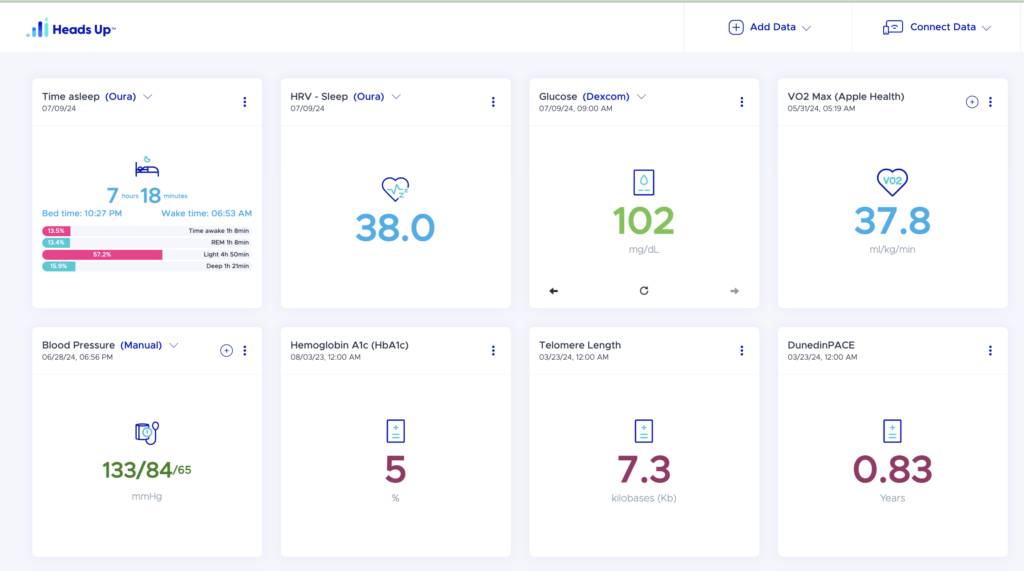
Using platforms like Heads Up, individuals and healthcare professionals can track changes in telomere length alongside other health metrics, providing a comprehensive view of aging and health outcomes.
Methods for Tracking Telomere Length
While laboratory assessments provide the most accurate measurements, advancements in digital health technologies have made it possible to integrate telomere length data with other health metrics for continuous monitoring. Heads Up can incorporate telomere length measurements from various lab companies, offering an integrated approach to health tracking.
Recommend Telemore Length Tests: Life Length, TruDiagnostic, GlycanAge
Benefits of Regular Monitoring
Regular monitoring of telomere length allows for the assessment of the impact of lifestyle changes and therapeutic interventions on biological age. This data can guide personalized health strategies and help validate the effectiveness of longevity programs.
Heads Up enables users to visualize changes in telomere length over time, facilitating better understanding and management of their health and aging process.
Improving Telomere Length for Longevity
Therapeutic Interventions
Various therapeutic interventions have been shown to impact telomere length and promote longevity:
Telomerase Activation: Telomerase is an enzyme that adds repetitive nucleotide sequences to telomeres, effectively lengthening them. Certain compounds, such as TA-65, have been investigated for their potential to activate telomerase and slow telomere shortening.
Lifestyle Modifications: Diet, exercise, stress management, and other lifestyle factors play crucial roles in maintaining telomere length and overall health. A study by Ornish et al. (2013) demonstrated that comprehensive lifestyle changes, including a plant-based diet, moderate exercise, and stress management techniques, could lead to increased telomere length over a five-year period.
Role of Heads Up
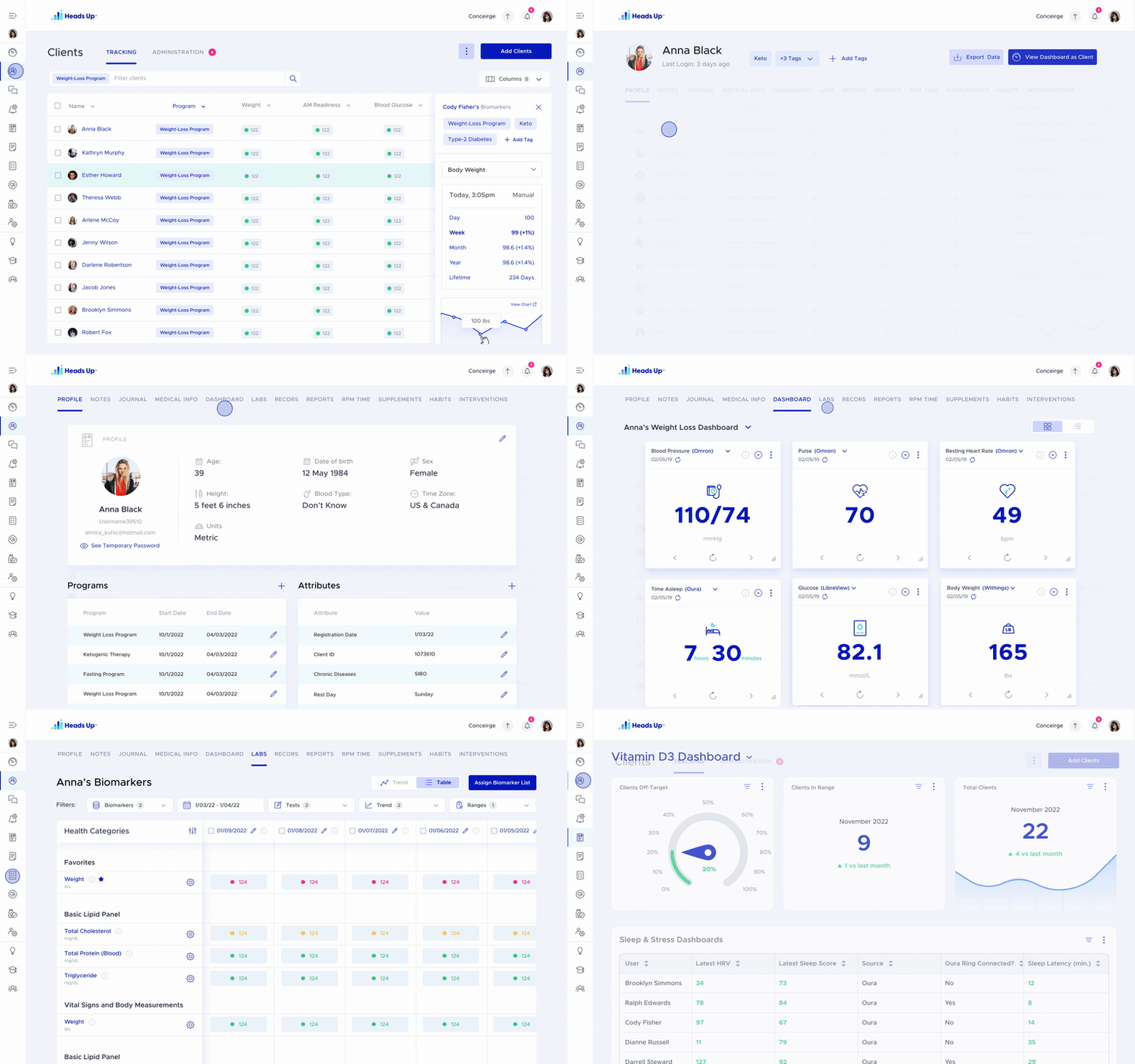
Heads Up can facilitate the tracking of lifestyle factors and therapeutic interventions that influence telomere length. By integrating data from various sources, Heads Up provides a comprehensive platform for monitoring the impact of health interventions on telomere dynamics and overall longevity. < Schedule a Demo >
How Heads Up Can Help Healthcare Professionals
Tracking and Monitoring Longevity Programs
For healthcare professionals providing longevity programs, tracking and monitoring clients’ telomere length over time is crucial for validating the effectiveness of interventions. Heads Up offers a robust platform that allows practitioners to:
Monitor Key Health Metrics: Track telomere length and other vital health indicators such as VO2 max, blood glucose, and inflammation markers, providing a holistic view of a client’s health status.
Analyze Data Trends: Utilize advanced analytics to identify trends and patterns in clients’ health data, providing actionable insights for personalized interventions.
Validate Outcomes: Assess the effectiveness of longevity interventions by comparing pre- and post-program telomere length data, helping to validate the success of various health strategies.
Integrating Telomere Data
Heads Up can integrate telomere length data from laboratory assessments, allowing healthcare professionals to track changes over time and correlate them with other health metrics. This integration supports continuous monitoring and provides a real-time overview of clients’ progress, facilitating more effective health management.
Enhancing Client Engagement
By providing clients with access to their own health data through Heads Up, healthcare professionals can encourage greater engagement and adherence to longevity programs. Clients can track their telomere length and other health metrics, set goals, and gain a deeper understanding of how their lifestyle choices impact their biological age and long-term health.
Case Studies and Outcomes Validation
Heads Up supports the creation of case studies and validation of longevity programs by documenting clients’ health improvements over time. This enables healthcare professionals to build a repository of success stories and evidence-based outcomes that highlight the efficacy of their interventions.
Biological Age & Telomere Length
Telomere length is a critical marker of biological age and a valuable tool for assessing the effectiveness of longevity interventions. By providing insights into an individual’s cellular health, telomere length helps predict longevity and guide interventions to promote long-term health. Regular monitoring and personalized strategies to maintain or improve telomere length can play a crucial role in extending the healthy lifespan.
Heads Up’s unique platform is instrumental for both individuals and healthcare professionals in tracking and analyzing telomere data, validating longevity programs, and ensuring sustained health and wellness. As the understanding of biological age and longevity continues to evolve, telomere length and tools like Heads Up will remain key components in the pursuit of optimal health and well-being.
Next Step: Schedule a Custom Demo
Discover how Heads Up can help you integrate telomere length data with other important health and longevity metrics.
Schedule a demo to learn how our platform seamlessly combines data from labs, wearables, patient-reported outcomes, assessments, and more. Empower your practice with comprehensive health insights.
Blackburn, E. H., & Epel, E. S. (2012). Telomeres and adversity: Too toxic to ignore. Nature, 490(7419), 169-171.
Chan, S. R., & Blackburn, E. H. (2004). Telomeres and telomerase. Philosophical Transactions of the Royal Society of London. Series B, Biological Sciences, 359(1441), 109-121.
Ornish, D., Lin, J., Chan, J. M., Epel, E., Kemp, C., Weidner, G., … & Blackburn, E. H. (2013). Effect of comprehensive lifestyle changes on telomerase activity and telomere length in men with biopsy-proven low-risk prostate cancer: 5-year follow-up of a descriptive pilot study. The Lancet Oncology, 14(11), 1112-1120.
Harley, C. B., Liu, W., Blasco, M., Vera, E., Andrews, W. H., Briggs, L. A., & Raffaele, J. M. (2011). A natural product telomerase activator as part of a health maintenance program. Rejuvenation Research, 14(1), 45-56.
Epel, E. S., Merkin, S. S., Cawthon, R., Blackburn, E. H., Adler, N. E., Pletcher, M. J., & Seeman, T. E. (2009). The rate of leukocyte telomere shortening predicts mortality from cardiovascular disease in elderly men. Aging, 1(1), 81-88.
Lopez-Otin, C., Blasco, M. A., Partridge, L., Serrano, M., & Kroemer, G. (2013). The hallmarks of aging. Cell, 153(6), 1194-1217.
Aviv, A. (2008). The epidemiology of human telomeres: Faults and promises. The Journals of Gerontology: Series A, 63(9), 979-983.
Learn more about measuring, tracking, and improving biological age.