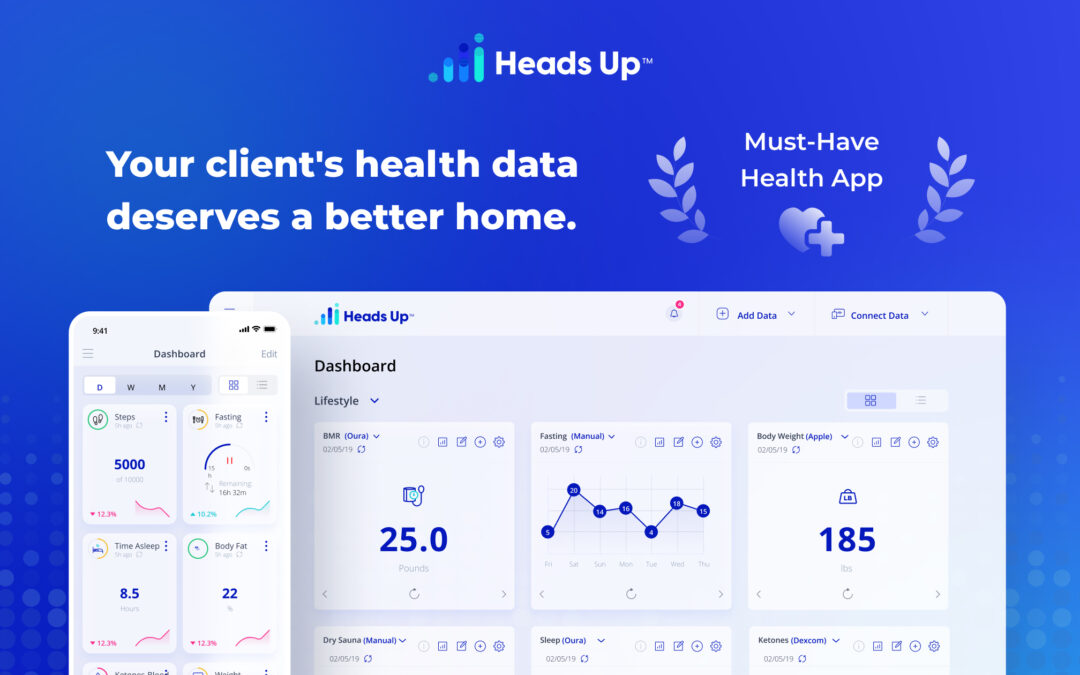
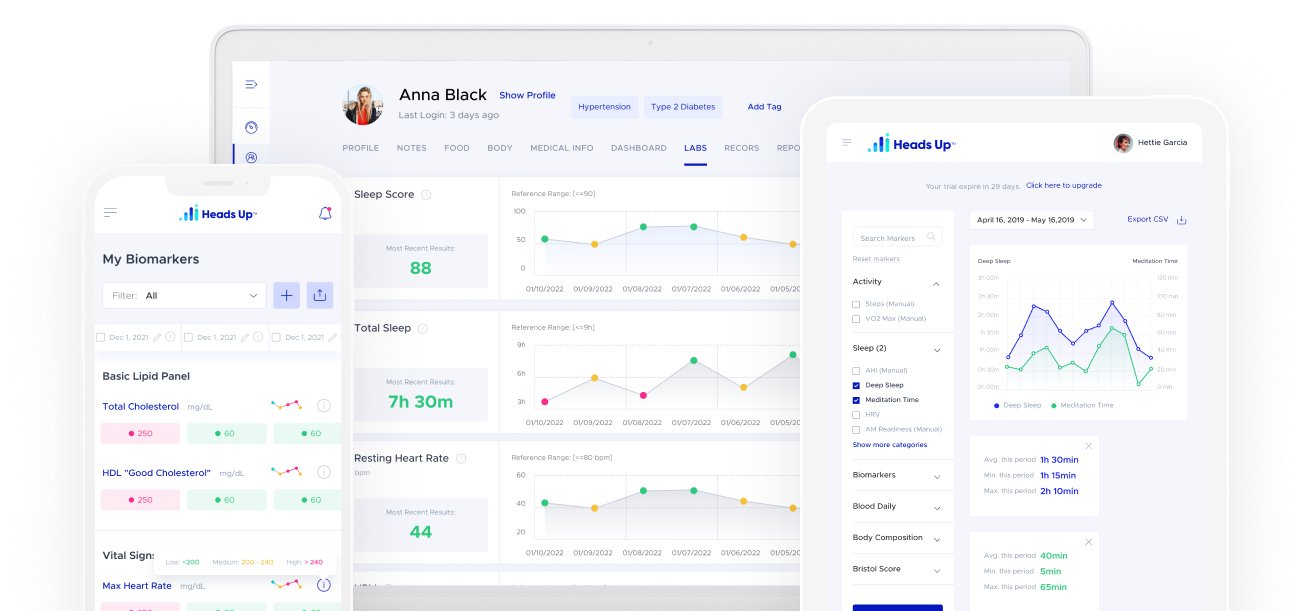
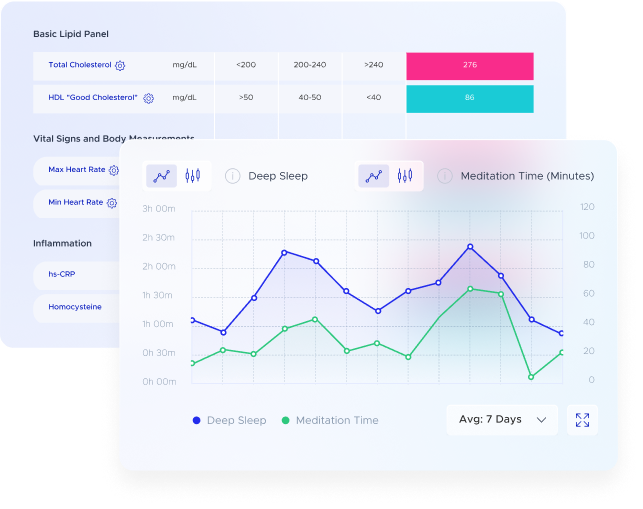
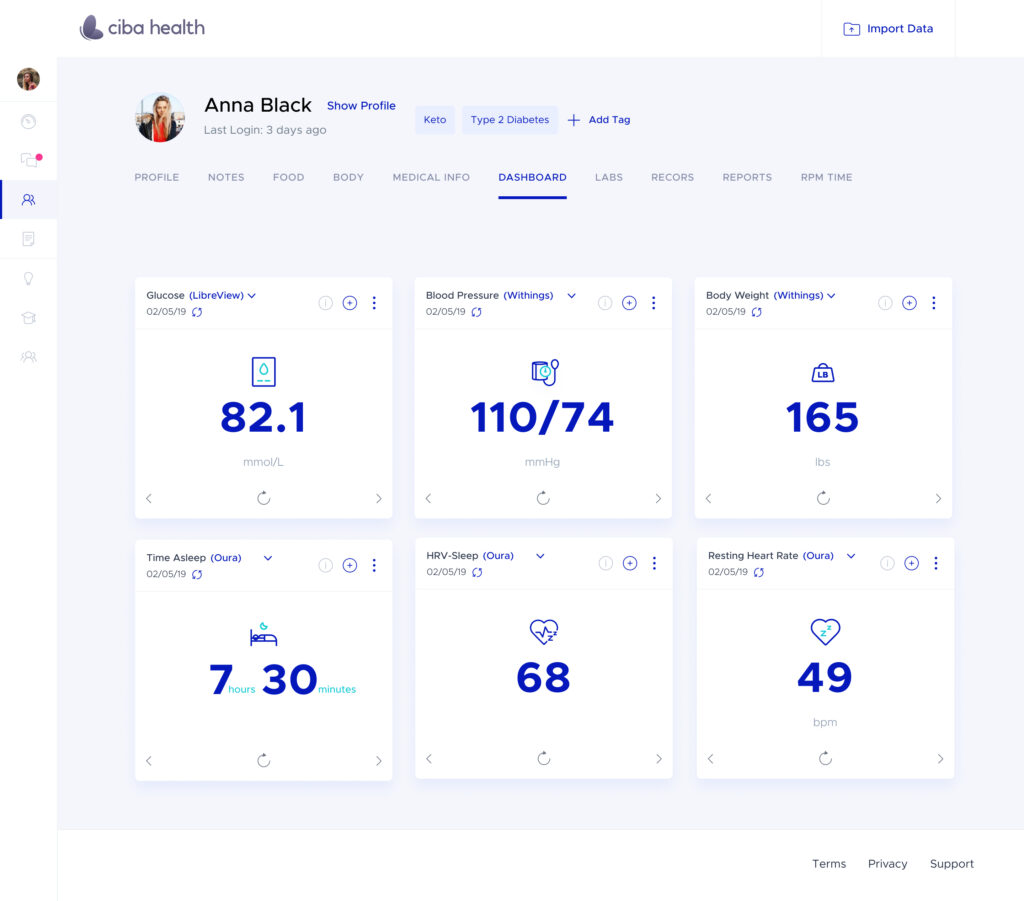
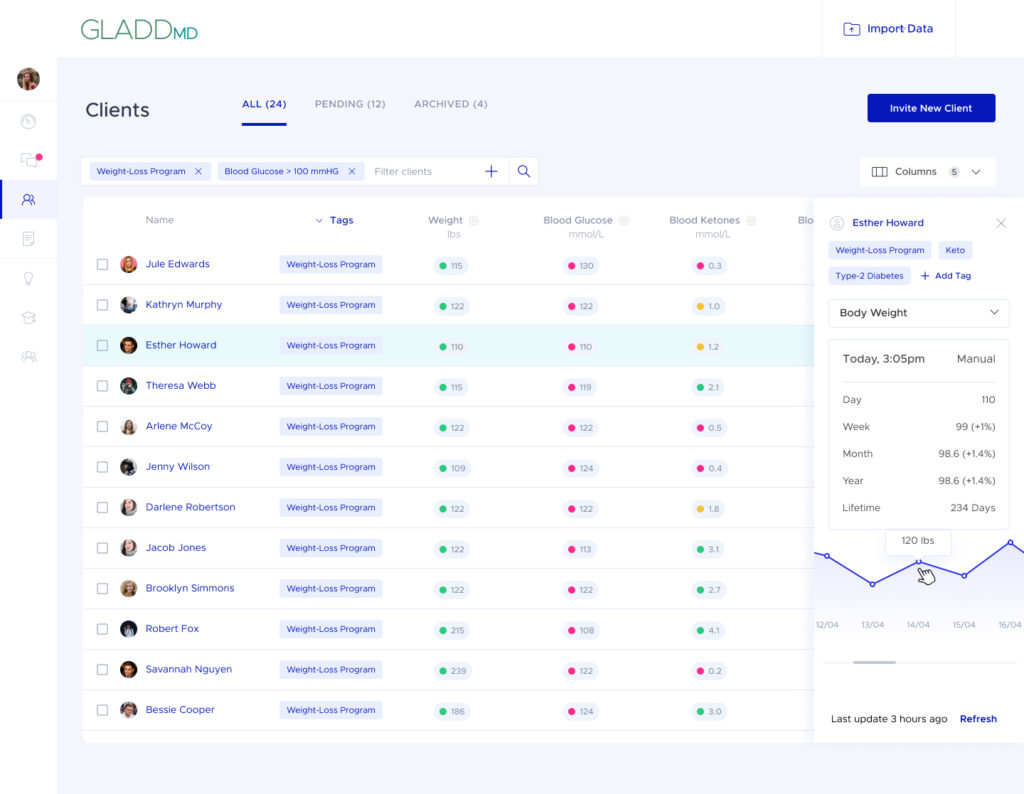
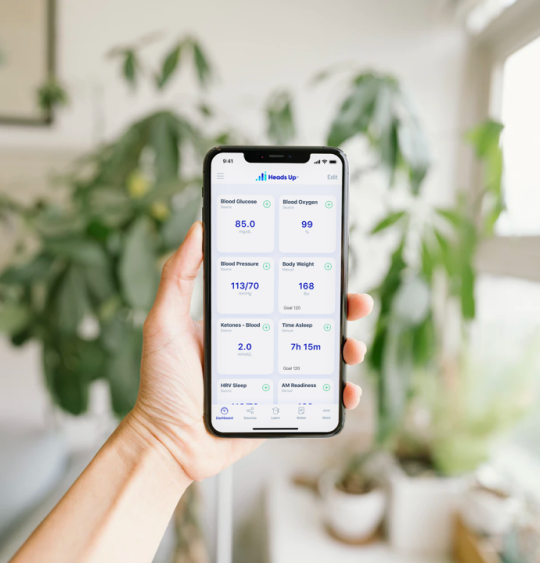
In the rapidly evolving landscape of healthcare, our Concierge Medicine Dashboard stands out as a transformative tool for concierge medicine practices aiming to enhance patient care and streamline operations. By integrating comprehensive data-driven integrations and insights while fostering a personalized approach to health management, our dashboard is revolutionizing how concierge medicine validates and improves outcomes for patients.
Personalized Concierge Care with Comprehensive Data
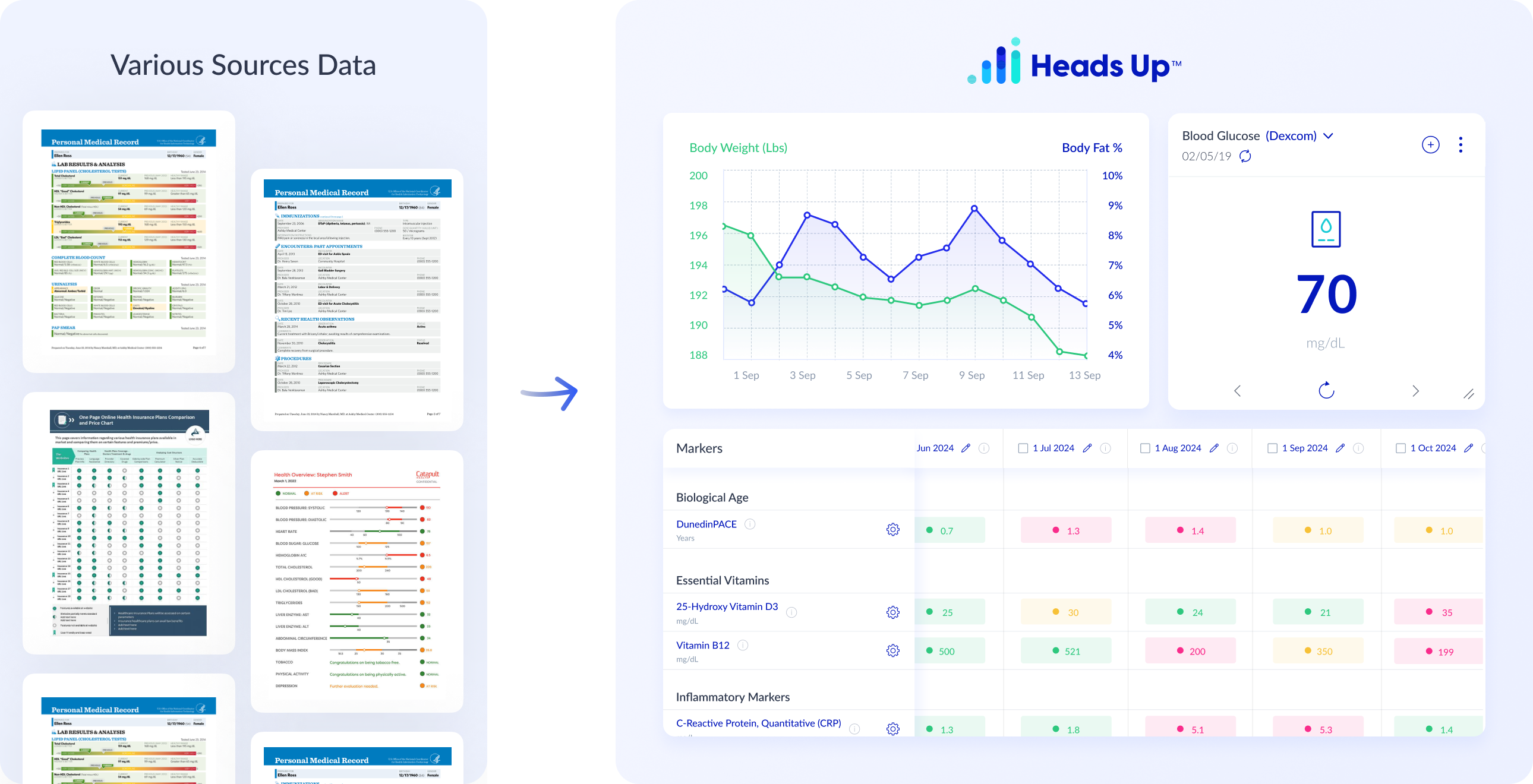
The Concierge Medicine Connected Health Platform offers seamless aggregation of health data from multiple sources, including electronic health records (EHRs), wearable technology, and patient-reported outcomes. This consolidated health data is crucial for concierge medicine, where personalized care and in-depth health monitoring are paramount. With access to a comprehensive health profile, physicians can tailor treatments to individual needs and track progress with precision.
Enhance Patient Engagement With Concierge Medicine Dashboards
Our Concierge Medicine Dashboard encourages patients to take an active role in their health journey. The user-friendly interface and real-time data access motivate patients to monitor their health metrics, understand the impact of lifestyle choices, and adhere to treatment plans. This level of engagement leads to better health outcomes and heightened patient satisfaction.
Validate Outcomes Through Data-Driven Insights
The Concierge Medicine Dashboard provides data-driven insights that help validate health outcomes. Advanced analytics and customizable reporting allow concierge medicine practices to quantify the effectiveness of treatment plans and make evidence-based adjustments. This objective approach ensures care is both effective and efficient.
Concierge Medicine Dashboard Streamlines Operations
Concierge medicine practices benefit from the operational efficiencies our Concierge Medicine Dashboard offers. By automating data collection and integration, it reduces the administrative burden, allowing healthcare providers to focus more on patient care. Secure communication tools further enhance the efficiency and quality of care.
Future-Proof Your Concierge Medicine Practice
As healthcare shifts towards more personalized and preventative care models, the Concierge Medicine Dashboard helps concierge medicine practices stay ahead. Leveraging technology to enhance patient care and improve outcomes ensures practices are sustainable and contributes to the advancement of healthcare.
Deciding Factors
Our Concierge Medicine Dashboard is an essential tool for concierge medicine practices dedicated to delivering exceptional, personalized healthcare. By leveraging comprehensive data, enhancing patient engagement, and streamlining operations, it ensures patients receive the best care tailored to their unique needs.
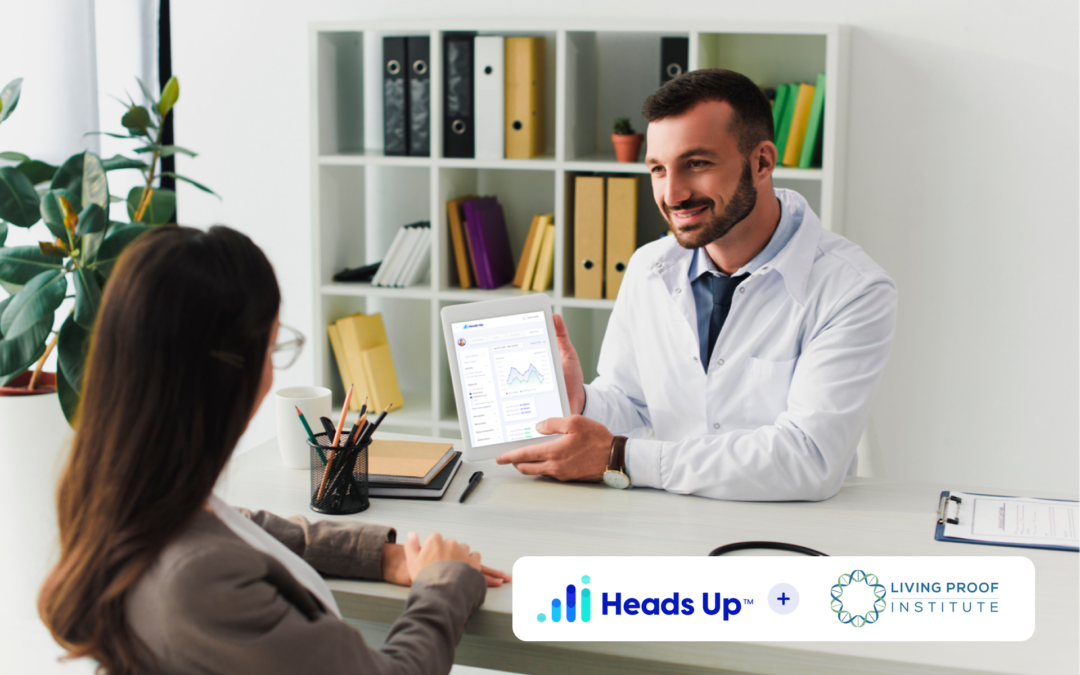
The Living Proof Institute is a trusted functional wellness and lifestyle practice based in Canada that leverages remote patient monitoring (RPM) for their functional wellness programs.
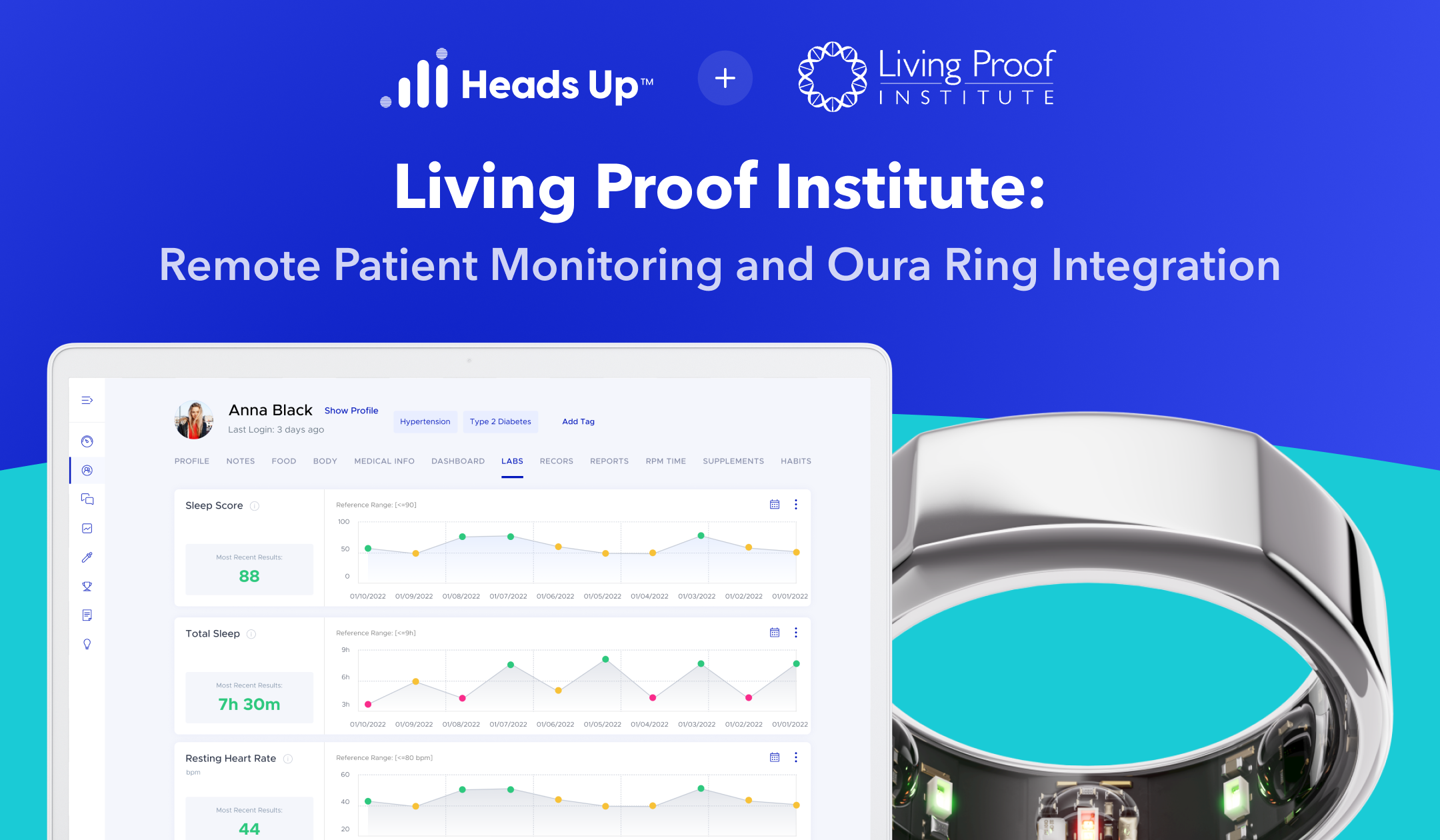
Living Proof’s transformational functional wellness programs use the Oura ring digital health device along with a customized Heads Up dashboard to enable effective RPM.
The Living Proof Institute leverages a team of functionalmedicine practitioners and health coaches for client behavioral and lifestyle changes, client engagement, and outcomes research from their RPM program.
Integrating RPM and HeadsUp technology into the practice has expanded options for cost-efficient and continuous client health monitoring, increased client engagement, and created opportunities for aggregate data collection and analysis.
About
The Living Proof Institute was established in 2011 by founder and CEO Dr. Sachin Patel, a chiropractor, functional medicine practice success coach, author, international speaker, and philanthropist.
Dr. Patel’s career began as a chiropractor for sports, soft tissue injuries, and repetitive sports injuries. During this time, he realized that many of his clients primarily had chronic health issues, which led him to functional medicine.
The Living Proof Institute was created with a commitment to helping clients find the root of their health challenges so that their bodies could heal themselves.
Today, the Institute provides simple, practical, and affordable solutions that promote self-care and personal responsibility. This allows for client empowerment to be able to create abundant health from the comfort of their homes.
Three major pillars for health in Living Proof’s philosophy on longevity is to support an individual’s breathing, circadian rhythms, and sleep quality. The Institute offers one-on-one and group Functional Wellness programs, a self-paced online program, and an email-based free program.
With their innovative approach to longevity and functional medicine, the Living Proof Institute stands out for their clinical and business practices across the world.
Business Challenges
Heads Up Health worked with the Living Proof Institute to create a Remote Patient Monitoring solution to address their unique challenges:
Objective biomarker data
As an integrative medical practice based in Canada, chiropractors at Living Proof experienced challenges in being able to directly order lab tests for their clients. The practice needed to find a way to get biomarkers to assess client health without using expensive, invasive lab testing.
Comprehensive data collection
For their health coaching program, The Living Proof Institute needed a way to seamlessly integrate data from client journals and cutting-edge wearable devices (Oura ring) into a centralized dashboard.
Passive data collection
The functional wellness programs relied on active data collection from methods such as HeartMath, which led to incomplete client-led data collection. They needed a solution that could passively collect biometric data from clients, aggregate data, and make it easier to conduct research on client outcomes.
Uniform client experience
The practitioners work with clients internationally and required commercially-available options that could be used throughout.
Technology Solutions
Heads Up worked with Living Proof to create a technology solution to help meet their unique needs. Heads Up helped the practice integrate the Oura ring, the top-of-the-line sleep and activity tracker, into monitoring parasympathetic nervous system activity and improving client outcomes.
Heads Up also created a custom and centralized dashboard for clients to communicate with their functional medicine practitioners and health coaches at the Living Proof Institute.
Oura Ring Integration
The Oura ring is a highly sensitive wearable device that measures sleep, activity, and body stress signals.
The primary biomarker used by the Living Proof Institute to assess client health is heart rate variability (HRV). This biomarker correlates to autonomic nervous system activity, and physiological changes from sympathetic to parasympathetic nervous system activity, indicative of healing and resilience down to the cellular level.
Variations in HRV can be related to changes in illness, hydration status, sleep quality, physical and mental stress, and diet quality.
In addition to HRV, the Oura ring allows for daily monitoring of respiratory rate, heart rate, deep sleep, temperature, and REM – key lifestyle factors that cannot be measured with bloodwork.
Customized Dashboard
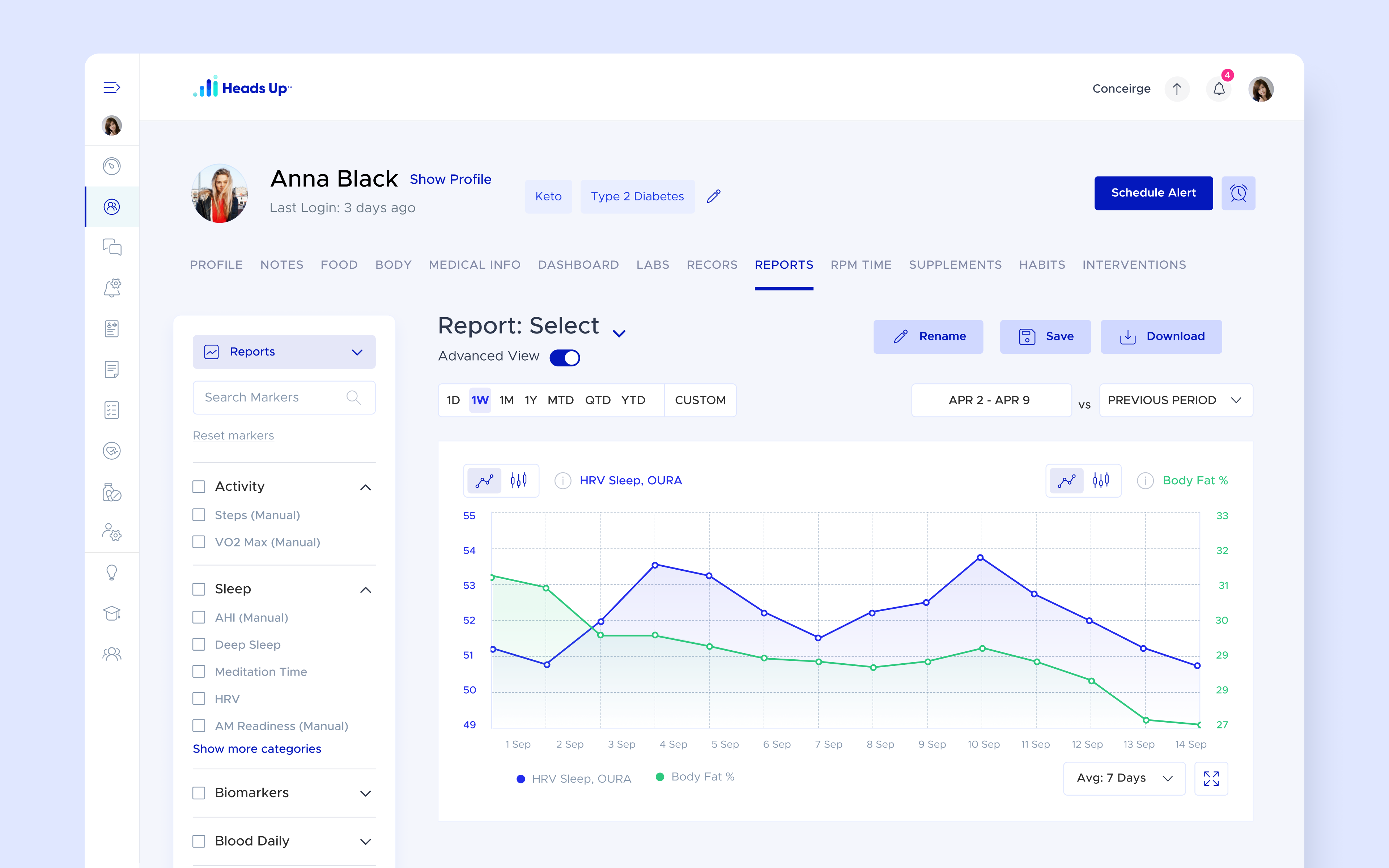
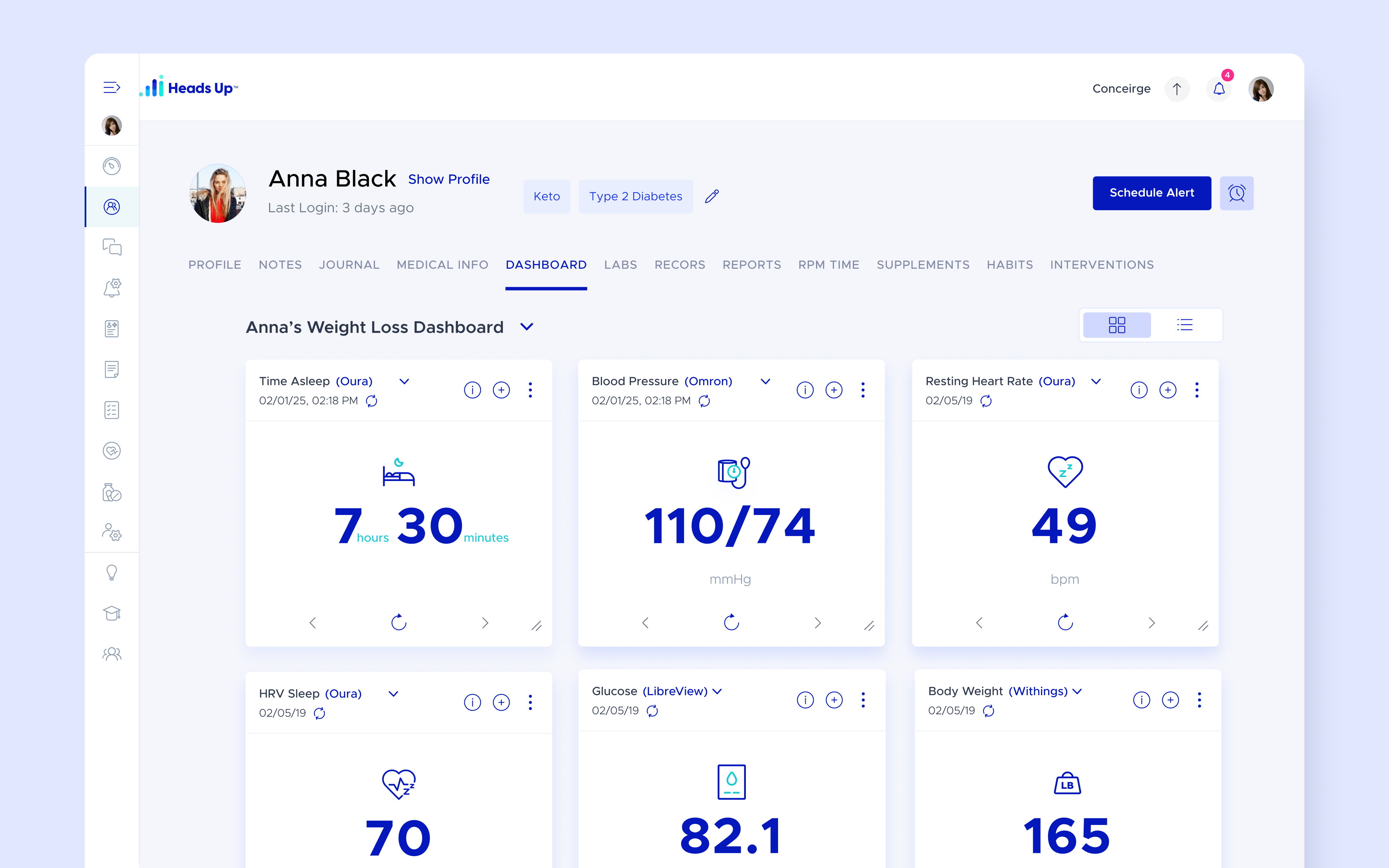
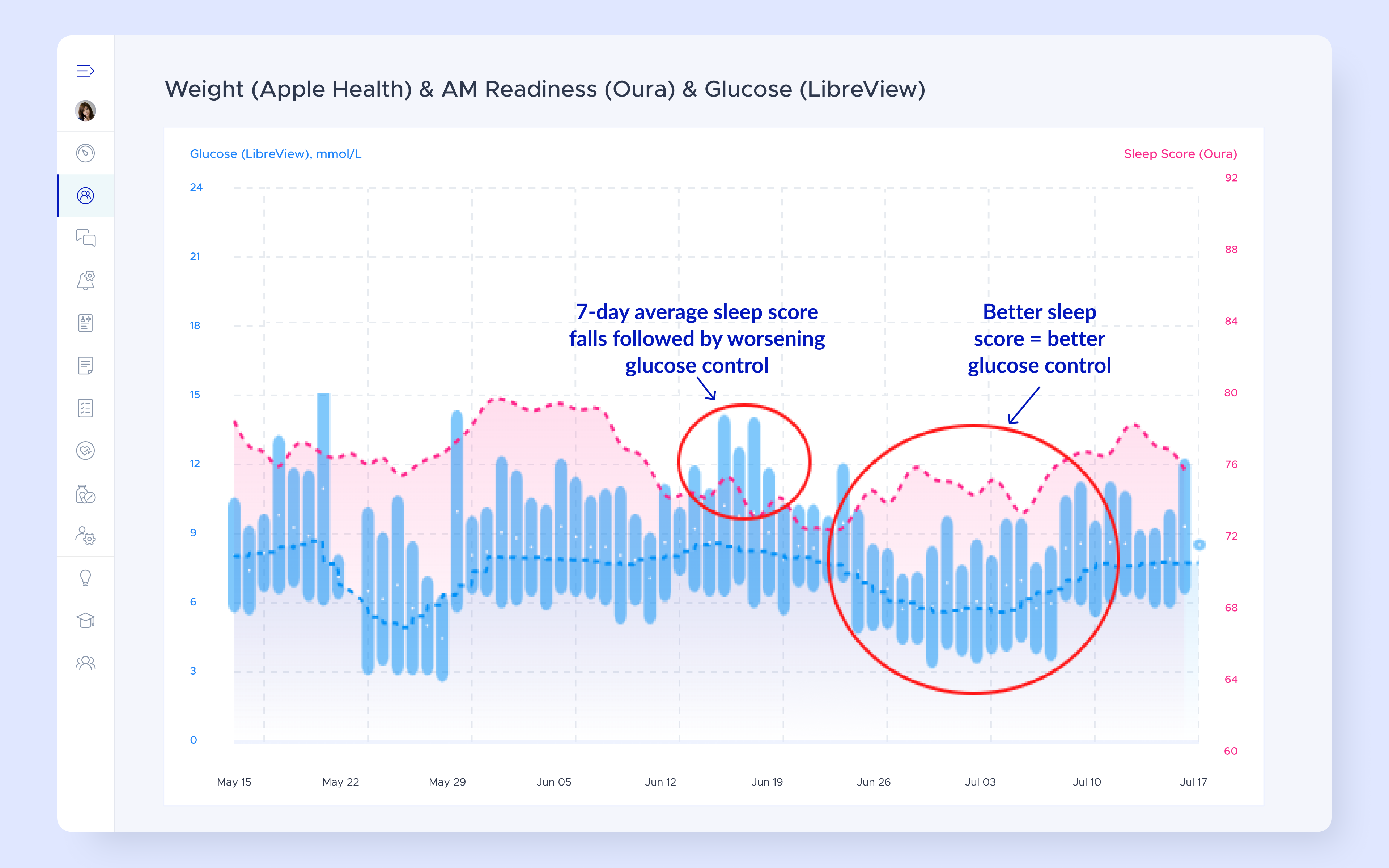
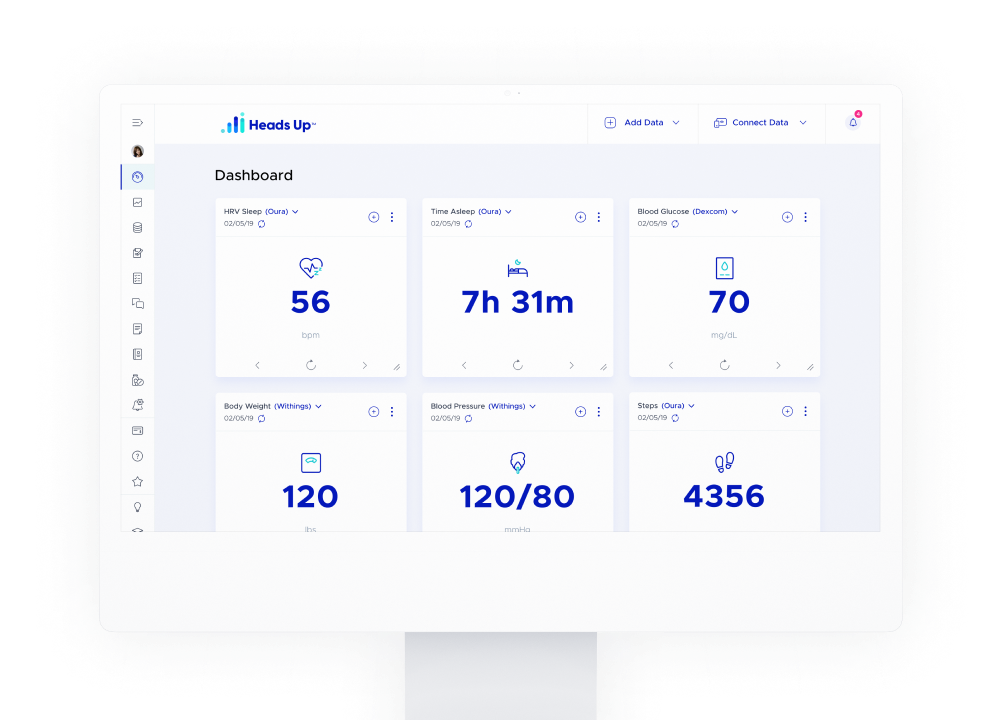
Heads Up created a dashboard to integrate Oura ring data and self-reported client data into a single location for clients and providers. The Living Proof Institute utilizes the reports features to highlight client progress and personalize lifestyle recommendations.
Health Coach
The Living Proof Institute leverages health coaches to support its RPM programs.
Health coach Alice Modrzejewski from the Institute runs one of the functional wellness programs. She works with clients to onboard them for ordering and sizing their Oura rings, connecting them to the Heads Up platform, and providing individualized coaching support for the length of the program.
As a health coach, Alice utilizes the Heads Up dashboard to create weekly reports based on Oura ring data and client inputs. The custom Heads Up dashboard allows health coaches to easily communicate with clients, give personalized recommendations, and monitor trends from lifestyle changes.
Business Outcomes
By using the remote monitoring solution created by Heads Up, the Living Proof Institute was able to achieve the following outcomes:
Increased Client Empowerment
Thanks to RPM and data generated from the Oura ring, clients are able to see nuanced changes in HRV from day to day, instead of fragmented quarterly changes seen in traditional lab testing.
Health coaches review Heads Up Health Reports with clients during follow-ups, highlighting changes in sleep, HRV, and other metrics.
As a result, clients have an increased awareness of their health status and the impact of their lifestyle choices and can see the real-time impact of functional wellness intervention. Clients are more motivated to continue healthy lifestyle modification, even after the end of their program.
Improved Data Collection
Thanks to passive data collection from the Oura ring, HRV data uptake is nearly 100%. Data collection is also more comprehensive, being able to track daily changes in HRV and other biometric data that cannot be obtained from traditional lab work.
With the technology solution from Heads Up, the Living Proof Incident can automatically collect and aggregate client data from wearable devices and self-report, analyze health trends, and more easily conduct outcomes research.
Summary
The Living Proof Institute is a trailblazing leader in functional medicine practices to support client vitality through behavioral and lifestyle changes to support optimal breathing, circadian rhythms, and sleep quality.
Their programs integrate Oura ring digital health device data with interview-driven client data, and individualized support from health coaches and practitioners. Heart rate variability tracking is at the center of monitoring client progress and outcomes.
To address Living Proof’s issues of incomplete data collection, difficulty getting objective client biomarkers, and centralized data collection, Heads Up created a seamless experience for practitioners, health coaches, and clients.
The Institute now uses HRV, an accurate biomarker for functional practices that is accessible to clients in all countries.
With passive data collection, the Living Proof Institute has a more comprehensive data set from clients that can be used to study client outcomes.
Lastly, clients are more motivated and empowered to make lifestyle changes thanks to a centralized dashboard making communication with health coaches and monitoring of their health status easier.
Leverage The Power Of Heads Up in your Health Practice
Dr. Beth McDougall is a leading integrative medical doctor who co-founded Jyzen, a world-class bio-optimization lab based in Mill Valley, CA.
With over 25 years of experience, she has been at the forefront of an emerging paradigm shift to transform the practice of traditional medicine. As an accomplished author and speaker, Dr. Beth comes with a wealth of knowledge on how one can achieve profound well-being and radical healing.Tune in for an eye-opening episode on the early days of integrative medicine, Dr. Beth’s insights into common health conditions, and the power of being a ‘medical detective’.
We dig deep into toxin tests, mitochondrial dysfunction, longevity secrets, and more.
We also discuss how Dr. Beth has integrated the best of integrative medicine with state of the art biohacking and physical fitness – all under one roof at Jyzen.
This episode offers must-hear learning moments for anyone thinking about reversing disease, anti-aging, and achieving optimal health.
HIGHLIGHTS Of The Data Driven Podcast
[1:15] Beginning the Integrative Medicine Journey
[4:55] Dave‘s Profound Experience With Functional Medicine
[7:35] Most Commonly Treated Conditions at JYZEN
[11:00] Must-Do Toxin Tests
[13:01] Watch Out for Mitochondria Dysfunction
[15:55] The Secret Being a Medical Detective
[19:25] Why JYZEN Is a Powerhouse for Longevity
[25:42] Who Is JYZEN For?
[31:40] The Incredible Way Water Remembers
[42:20] The Impact of Our Personal Lifestyle Choices
Your Pristine Blueprint: The Missing Key to Longevity, Reversing Disease, and Radically Transforming Your Life by Beth McDougall: https://a.co/d/45M1EIS
This podcast is brought to you by Heads Up, a web and mobile app designed to help both individuals and health practitioners centrally track the vital health data that matters. Instantly synchronize your (or your clients’) medical records, connect favorite health devices and apps, and use the data to optimize your health (and that of your clients).Click here to start your free starter account.
Semaglutide Weight Loss + Digital Health Tools For Tracking Outcomes.
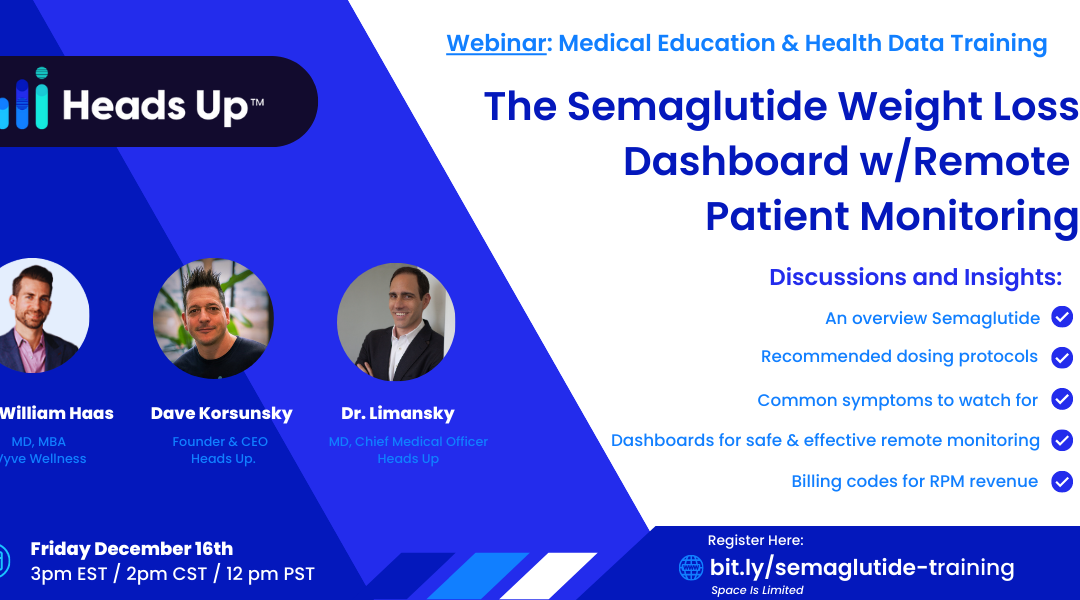
On this webinar, you will learn the basics of implementing semaglutide for safe and effective weight loss. Including the key metrics that should be tracked as well as the latest Remote Patient Monitoring opportunity that’s currently available for practitioner compensation.
Highlighting:
An overview of Semaglutide and other GLP-1 agonists for weight loss and other medical applications
Semaglutide Weight Loss W/ Remote Patient Monitoring
00:05:15 The video is a webinar discussing the use of semaglutide and other GLP-1 drugs for weight loss and how they can be combined with the latest digital health technology for remote patient monitoring. The speakers provide an overview of how these medications work biochemically and explain different protocols for prescription and off-label applications. They also briefly touch on risk factors and common symptoms. The video includes a live demo of implementing these methods using the Heads Up platform. The speakers also mention several companies that work in the integrated functional medicine space and can assist with practitioner training and fulfillment.
00:10:16 The video features John Limanski, the chief medical officer of Heads Up, Katrine Volynsky, a subject matter expert on peptide therapy, Dr. William Haas and Dave Korsunsky. They discuss the use of glp-1s in functional medicine, specifically semi-glutides, for weight loss and metabolic health protocols. Limanski provides an overview of glp-1s and how they work on a cellular level, while Dr. Haas shares his personal experience with peptide therapy and its integration into their practice. They also address common questions about glp-1s and peptide therapy.
00:14:46 In the video, a healthcare professional discusses the benefits of using GLP-1 peptides for weight loss and diabetes management. The peptides regulate appetite hormones, alter blood sugar processing, increase fatty acid synthesis, and enhance exercise. Patients may also experience a decrease in cravings for alcohol and sweets. The GLP-1 peptides have cardio-protective benefits and help slow down digestion, which emphasizes the importance of consuming nutrient-dense quality calories. The healthcare professional recommends micro-dosing and slow titration protocols to minimize side effects.
00:19:22 Dr. Haas and John talk about the side effects, benefits, and dosing for GLP-1 medications for diabetes. They mention that slowing of gastric motility and gastric emptying is the main mechanism causing side effects such as nausea and constipation. To prevent these symptoms, they suggest working on bowel health and hydration, using supplements like magnesium glycinate and Metamucil, and consuming nutrient-dense foods. They also discuss the importance of dosing and mention that Dr. Haas uses a personalized dosing approach for his patients.
00:23:52 Discusses the importance of consuming protein and healthy fats at every meal to avoid nausea and achieve calorie-dense nutrition. The speakers also touch on the benefits of using continuous glucose monitors (CGMs) in digital health technology and how to use codes for insurance coverage. Additionally, the use of lactulose as a bowel health supplement is also mentioned. The video includes a polling question on the audience’s primary interest in the webinar.
00:28:36 Features two medical professionals discussing the off-label use of a medication for weight loss. They recommend starting with a low dose and gradually increasing it, depending on individual tolerance. The goal is to create sustainable lifestyle changes and curb appetite while avoiding side effects. They also mention the importance of pre and post lab testing and body composition testing to track outcomes.
00:33:21 Discusses how to approach weight management with a focus on body composition rather than just weight loss. The doctor emphasizes the importance of preserving lean muscle mass and reducing visceral body fat, and suggests using glp-1 peptides for this purpose. The conversation also touches on the benefits of protein supplements and the use of body composition metrics for evaluating progress. The doctors also discuss off-label uses for weight management strategies, including for longevity. They both agree that BMI is not a useful metric for assessing health.
00:37:57 Discusses the importance of monitoring visceral body fat, which can create metabolic chaos and increase the risk for diabetes, heart attacks, strokes, and cancer. Off-label use of certain therapies, such as peptides, may be beneficial in managing metabolic syndrome, even if the patient’s BMI is not above 30. It is important to have informed consent and discuss potential risks with the patient. Remote patient monitoring can also be billable inside the insurance system. Dr. Haas shares his hybrid practice structure, utilizing both insurance and cash pay integrative functions.
00:42:46 Discusses how healthcare providers can use reimbursable CPT codes to offer remote patient monitoring services to patients. These services can include monitoring devices for weight loss, body composition, and diabetes management. The video also highlights the potential financial benefits for providers who offer these services, including reimbursement from Medicare and Medicaid. Additionally, the video emphasizes that while some services may not be covered by insurance, providers can still offer them as part of a hybrid approach to patient care.
00:47:50 Showcases a live demo of a remote health monitoring platform called Heads Up that can be used to monitor vital signs, weight, body fat, blood glucose, self-reported symptoms, and lab test results. The platform also allows for creating individual patient dashboards and tracking weight loss progress, as well as flagging symptoms that may require a phone call to the patient. The platform can be configured to monitor any number of biomarkers and is useful for healthcare practitioners to get a big picture view of their patients’ health status remotely.
00:52:24 Features of a remote patient monitoring system called Heads Up Health. It includes a dashboard that tracks various health data such as sleep patterns, heart rate variability, and movement, and can be customized for each individual patient. The system also allows for the integration of lifestyle factors like hydration and bowel movements, and can be used alongside existing EMRs or as an EMR light. The video ends with a plug for the system’s billing platform and the ability to integrate with other systems.
00:57:03 Use of peptide therapy, particularly semaglutide, in achieving health goals such as weight loss and improved metabolic health. The speakers emphasize the importance of setting individual goals and gradually tapering off the therapy once those goals are achieved. They also mention the possibility of using other peptides in conjunction with semaglutide for specific health conditions.
01:01:54 The video is a recorded conversation between doctors and professionals about health management software and treatments for weight loss. They discuss different medications, their effects, and prices. They also touch on technical features of health management software and emphasize the importance of addressing lifestyle changes in weight loss treatment. The conversation is informative and includes advice from medical professionals.
He was a man in his late 50’s. His brother, 63 years old, recently had a heart attack that scared the whole family.
Thankfully, his brother got medical attention quickly. After a trip to the cath lab and a few stents, he’s been recovering well at home, all things considered.
But the experience was a wake-up call for Daniel.
Not only did he almost lose his brother, but his mom also passed at a young age from heart disease. He knew heart disease sometimes has a genetic component. With what happened to his mom and his brother, he knew he needed to get his heart health checked out. … And he’d be the first to admit that he hadn’t seen his primary in years.
But he had three kids at home. He had a wife. They all depended on him.
So he made an appointment with his physician. And sure enough, Daniel had pretty significant undiagnosed hypertension.
After a three-minute talk with his doctor where he was too stunned to begin formulating questions, he walked out of the office with a new prescription in hand.
But later, the questions flooded his head:
Was taking medicine just a part of his everyday life now?
Is there any way to lose weight, adjust diet, or exercise to decrease the dosage of medication needed?
What are the common side effects to look out for?
Is medicine the only way to treat hypertension?
He felt helpless and confused. All he knew was that he needed to take care of his cardiac health for the sake of his family. So despite his questions, he religiously took his meds. And thankfully he did start seeing blood pressures in the healthy range.
If you’ve been a physician or a medical provider for longer than a few years, I’m sure you’ve had a patient like Daniel. While he did get the care he needed, there are definitely some gaps in the process.
If you’re looking for a way to fill in those gaps and holistically care for your patients, implementing the connected health model could be the game-changer you’re looking for.
Here at Heads Up Health, we’re passionate about helping you help your patients. Which is why we’re also passionate about connected health. Let’s dig into exactly what connected health is, how it can help your patients, and how we’ve integrated it into our technology.
Why did you first decide to open your own practice?
Maybe you wished you could do more for your patients… but you only had so much time to see so many patients.
Maybe your patient list was too long to remember each one… but you want to care for your patients on a personal level.
Or maybe… you became frustrated with how disconnected traditional healthcare can be.
Regardless of your reason, you made the choice to practice medicine in a way that feels more comprehensive and gives you more time with each patient. And that is so important to the patients you care for. This is why the connected health model could help you help your patients even more.
But what exactly does “connected health” mean? If you searched online for the term, you’d probably get at least 5 different definitions. And it’s hard to pin down an exact explanation, because it’s more of an attitude or frame of mind around healthcare. ¹
Basically, the idea of connected health is that the patient should be connected to their clinicians, and clinicians should be connected to each other, all keeping the patient’s health at the center.¹ Wellness and preventative medicine is highly emphasized in this model, as well as the clinicians meeting the patient where they are on a continuum of care.¹ In the connected health model, the patient is an active participant in their health plan.²
The term “connected health” is often used within the context of “telehealth” or “health technology.” While practices implementing connected health don’t necessarily need to be using technology to keep everyone connected, tech and telehealth companies have stepped up to help in a major way.²
Heads Up Health Gives You a Connected Health Platform for Your Practice
Heads Up Health is a company that uses technology to collect data from:
Clinically validated wearable devices
smart watches
health apps
lab results
remote patient monitoring devices, such as blood glucose monitors and blood pressure monitors
After collecting the raw data, it’s formatted and organized so you can easily analyze, make improved clinical decisions, and avoid medical errors. The more you know about your patients’ day to day health, the better you’re able to treat them. That’s why the data that’s extracted and organized by Heads of Health is so valuable. Plus, all of that data is displayed beautifully and clearly in one user-friendly platform.
4 Major Ways Connected Health Through Heads Up Health Benefits Your Patients
The connected health technology Heads Up Health provides not only makes your life easier, but it helps you deliver real results to your patients. Let’s dig into specific ways connected health through Heads Up Health can improve outcomes for your patients.
It’s simple to use.³
Not only is the data clear and easy for you to use, it’s also easy for the patient to collect. In most cases, participation from the patient is nearly effortless. Often they simply wear a monitor, a smart watch, or click a few buttons in an app. Since most of us have our smartphones and smart watches on anyways, often these types of monitors and devices don’t disrupt our routines, which makes the data easy to obtain, reliable, and consistent.³
There are fewer errors, and the accuracy of health trends are better than ever.⁴
The numbers collected from medical devices and smart devices tend to be much more accurate than self reported data.⁴ More accurate data results in more accurate diagnosis, and more appropriate interventions. It’s human nature to want to fudge the numbers on a medical form, or to forget to log a check on your blood glucose log. But with all that automated, the data is comprehensive and accurate. This gives you a realistic picture of the illness and a clear view of what next steps to take.
Allows for more thorough monitoring of chronic diseases.
Because of the accuracy and consistency of the data collected through Heads Up Health, the way you monitor chronic diseases could totally change for the better. If your patients are forgetful or inconsistent in the past with self monitoring, this is a great option for them.
As discussed above, remote monitoring takes so little effort on the part of the patient that collecting the data is easy for your patients.
Because of this, you’ll have the data you need to catch dangerous data trends before they turn into a hospital visit.⁴ In fact, one study showed that cardiac patients who received alerts to an app about their condition had a 16% decrease in overall hospital admissions.⁵
The ability to more tightly manage chronic illnesses like diabetes and heart disease could add years to your patients’ lives, save them thousands of dollars in hospital visits, and improve their quality of life for years to come.
Plus, many patients enjoy following along and seeing how their numbers trend. This encourages active interest and participation from the patient.³
Remote patient monitoring makes care more accessible and often more affordable.
Remote patient monitoring through Heads Up Health brings healthcare specialists to remote areas where patients might not have care locally. This is a game-changer for individuals living in rural communities and less access to care.⁵ Since a patient can be virtually monitored from anywhere, this aspect of connected health truly connects patients to the care they need.³
Remote patient monitoring tends to be affordable for both the practice and the patient, breaking down some of the financial barriers to patients.⁷ Additionally, remote patient monitoring is reimbursable through health insurance, making it a win-win for everyone. Even cash-based practices have started moving to the payer system for RPM services due to the revenue generating opportunity.
About 60% of all healthcare organizations already use some type of connected health technology, and it’s easy to see why.⁶ It’s easy to use, has less errors, improves patient outcomes, and is highly accessible.
At Heads Up Health, We’re Passionate About Using Connected Health to Bring You Closer to Your Patients
Remember Daniel from the opening story? At Heads Up Health, we use connected health to help patients just like him by:
Makes connecting with your patients easy with our beautiful, efficient platform. Patient data is securely organized and succinct. This means your time with your patient can be spent educating and addressing concerns, instead of trying to make sense of the numbers.
(The system can even be branded to your practice as well!)
Providing you with effortless, pertinent data and trends. Changes in therapy are easy to assess. So if Daniel was your patient and lived in a rural area, you could potentially lower his medication dose, knowing that you can regularly track his blood pressure monitor to see if he’s tolerating the change.
Making compliance simple and encouraging patient participation. The simpler a tool is to use, the more likely a patient will use it. Since the remote patient monitoring features require little work from the patient, patient compliance is improved. Plus, patients often are interested in tracking their own health trends through the platform, encouraging the patient to be an active participant in their health plan.
If you would like to get started leveraging the Heads Up connected health intelligence platform in your practice, click here to register for your free account.
After registering you will get an opportunity to schedule with a Heads Up Data Architect to help you with setting up the Heads Up Connected Health Platform to get the most out of it for your unique practice.