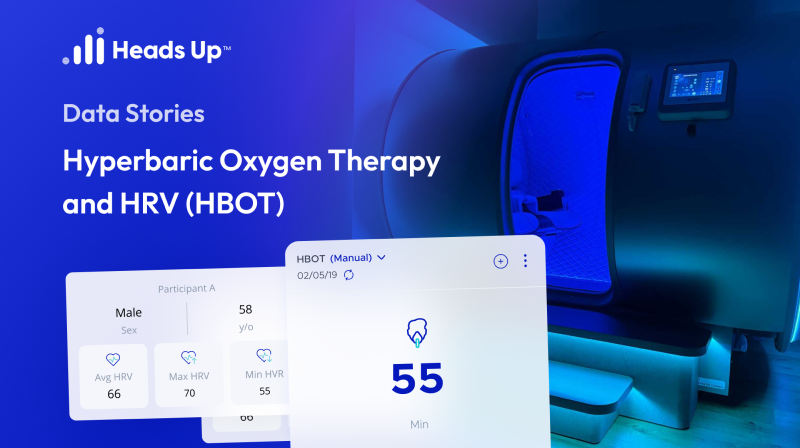
Data stories: Hyperbaric Oxygen Therapy and Oura HRV
Introduction To Hyperbaric Oxygen Therapy & Heart Rate Variability.
This is a case report looking at the effect of hyperbaric oxygen therapy (HBOT) on heart rate variability (HRV) as measured by the Oura ring.
While HBOT is well known for its ability to treat certain medical conditions, less is known about the impact on daily heart rate variability for those interested in improving physical recovery, sleep and longevity.
Overview

Hyperbaric Oxygen Therapy (HBOT) is becoming increasingly common and has many health benefits. See podcast interview with Jason Sonners.

HRV is one of the best predictors of overall system health, nervous system balance, coherence

Consumer-grade wearables such as Oura ring provide a very precise way to measure HRV under the effects of different biohacks such as HBOT

This report looks at the effects of HBOT therapy on HRV from two individuals
About Hyperbaric Oxygen Therapy (HBOT)
Hyperbaric therapy (HBOT) is a treatment that involves breathing pure oxygen in a pressurized chamber.
Normally, we breathe air that contains about 21% oxygen. In hyperbaric therapy (HBOT), the air pressure is increased, allowing your lungs to take in more oxygen than usual. This extra oxygen gets absorbed into your bloodstream and helps your body heal more effectively.
Hyperbaric therapy (HBOT) is used for a variety of conditions, like helping wounds heal faster, reducing inflammation, or treating certain infections. It works by boosting oxygen levels in your blood, which can improve tissue repair and reduce swelling. People often undergo this therapy to speed up recovery after surgery, for chronic conditions, or even for brain health.
A research study administered daily treatments to 35 healthy adults aged 64 and older and found HBOT may be beneficial for longevity in two ways.
1. Increasing telomere length
Telomeres are located at the ends of chromosomes and are responsible for maintaining genomic stability. As we age, telomeres naturally shorten during cell replication.
Shortened telomeres are associated with various diseases, decreased physical performance, and brain atrophy. When telomeres reach a critical length, cells can no longer replicate and either enter cellular senescence or undergo programmed cell death.
2. Decreasing senescent cells
Cellular senescence is a process where cells stop dividing but remain alive and active, releasing chemicals that can cause inflammation and damage nearby cells. This state of cell cycle arrest is often triggered by telomere shortening. Senescent cells accumulate with age and contribute to tissue damage, further accelerating the aging process.
About Heart Rate Variability
Heart rate variability (HRV) is the natural variation in time between your heartbeats, and it’s a measure of how well your body responds to stress and recovers. Greater variability signals better health/recovery.
Heart rate variability (HRV) can be used as a predictor of general health, risk of disease, and mortality. Many wearables, such as the Oura ring, provide the ability to measure heart rate variability (HRV).
Hyperbaric oxygen, heart rate variability & Vagal Tone
Vagal tone refers to how well your vagus nerve is functioning. The vagus nerve helps regulate functions like heart rate and digestion.
Higher vagal tone means your body is better at calming down after stress, which is important for overall health. Research indicates that hyperbaric therapy (HBOT) can lead to significant increases in HRV which reflects good vagal tone.
One study investigated the effects of age and repeated hyperbaric treatments on vagal tone. The researchers found that vagal activity, as measured by heart rate variability (HRV), increased in both younger and older participants during hyperbaric exposures, with no significant difference in response between the groups.
This case study investigated the effects of hyperbaric therapy (HBOT) on heart rate variability (HRV) using the Heads Up platform to collect data and track changes.
Method
Hyperbaric Oxygen Therapy (HBOT) chamber
The chamber used in this case report was an Oxyhelp dual-plan hard shell chamber.
Protocol
Participant A completed a total of 44 HBOT sessions for a total of 61 hours over a period of 6 months. Participant B completed 97 HBOT sessions for a total of 130 hours over 6 months.
HRV was measured using an Oura ring (generation 3).
Heart Rate Variability – H.R.V.
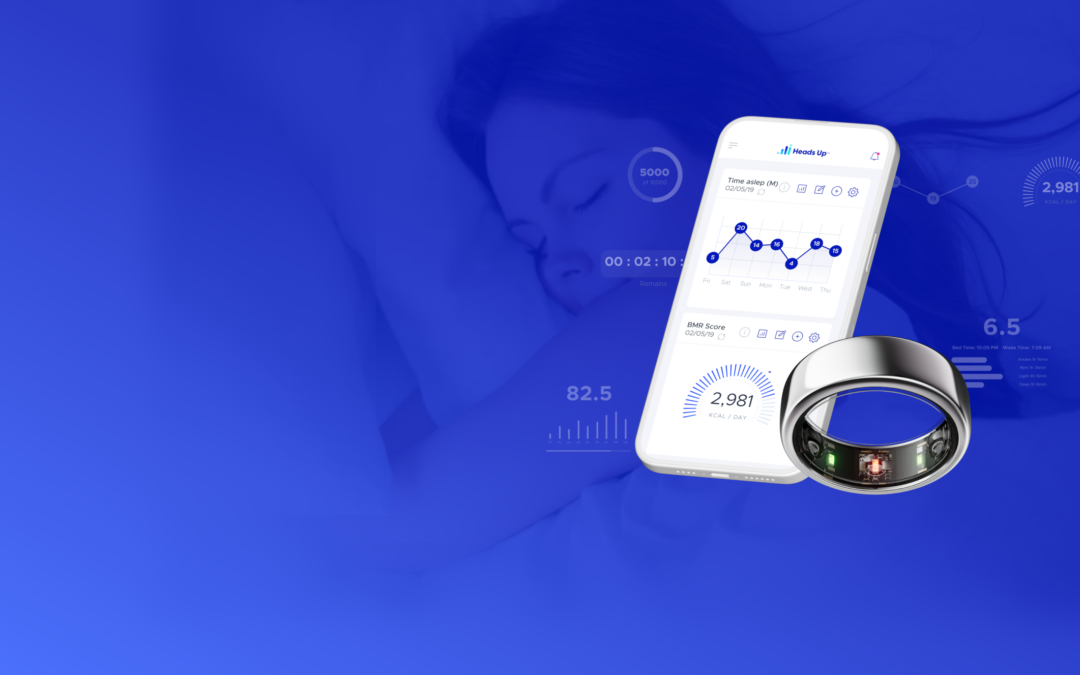
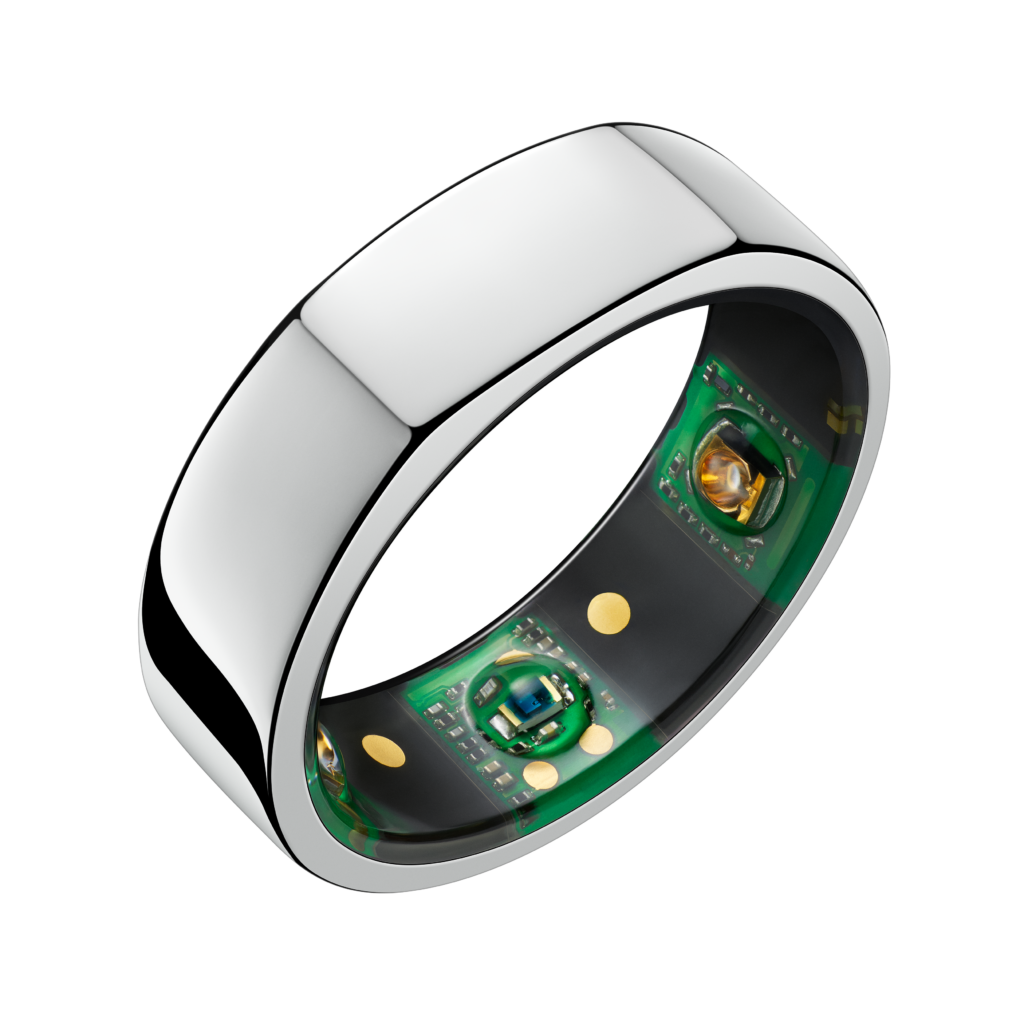
Oura is a wearable ring designed to track your health and wellness. It continually collects data on over 20 biometrics that directly impact wellbeing (ex: sleep quality, heart rate, HRV, body temperature, and activity levels).
The ring uses sensors to gather data while you’re sleeping or during the day, providing insights into your overall recovery, readiness for activity, and sleep patterns. It is lightweight, comfortable to wear, and water-resistant, making it convenient for daily use without interrupting daily routines.
Data tracking
Heads Up is web and mobile platform designed for analyzing health outcomes.
The platform can integrate data from medical devices (e.g. Dexcom, Libre), wearables (e.g. Oura, Dexcom), conventional lab testing (e.g. Quest, Labcorp), functional diagnostics (e.g. Dutch, Genova, Great Plains), advanced modalities (e.g. hyperbaric oxygen chambers, cryotherapy, infrared sauna) and other sources of health information.
Analysis tools are provided for both individuals and healthcare professionals to study the effects of health interventions.
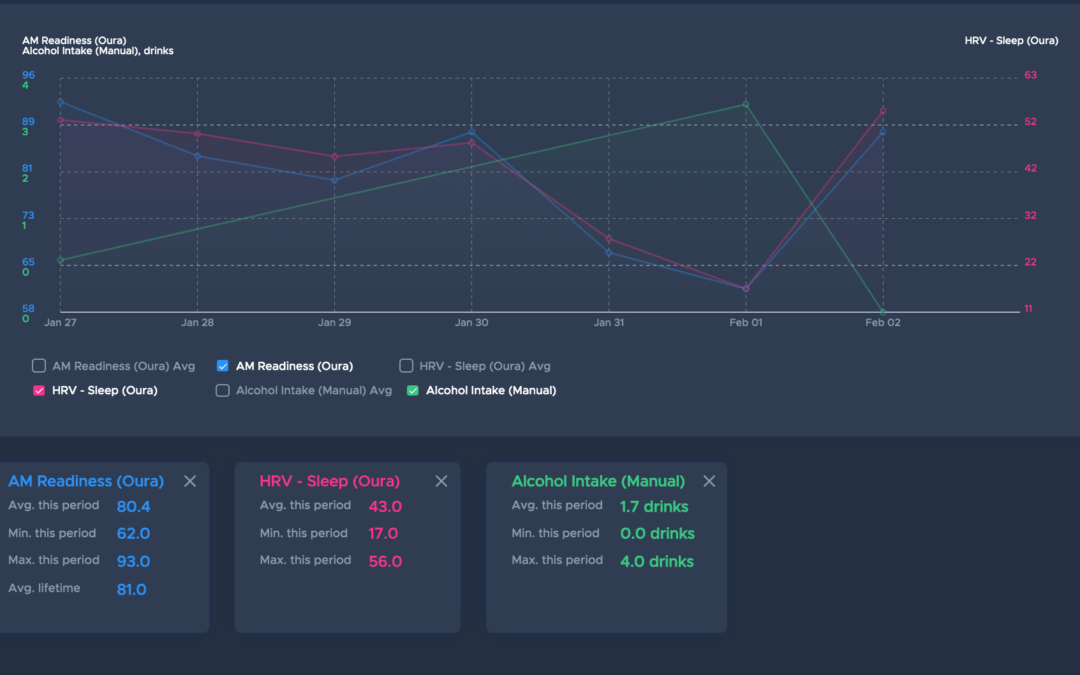
For this case study, both participants linked their Oura ring to Heads Up and logged all their hyperbaric sessions on their dashboards (Figure 1).
Two participants using HBOT therapy
Participant A
Male
Sex
48
y/o
Participant B
Male
Sex
74
y/o
Hyperbaric chamber
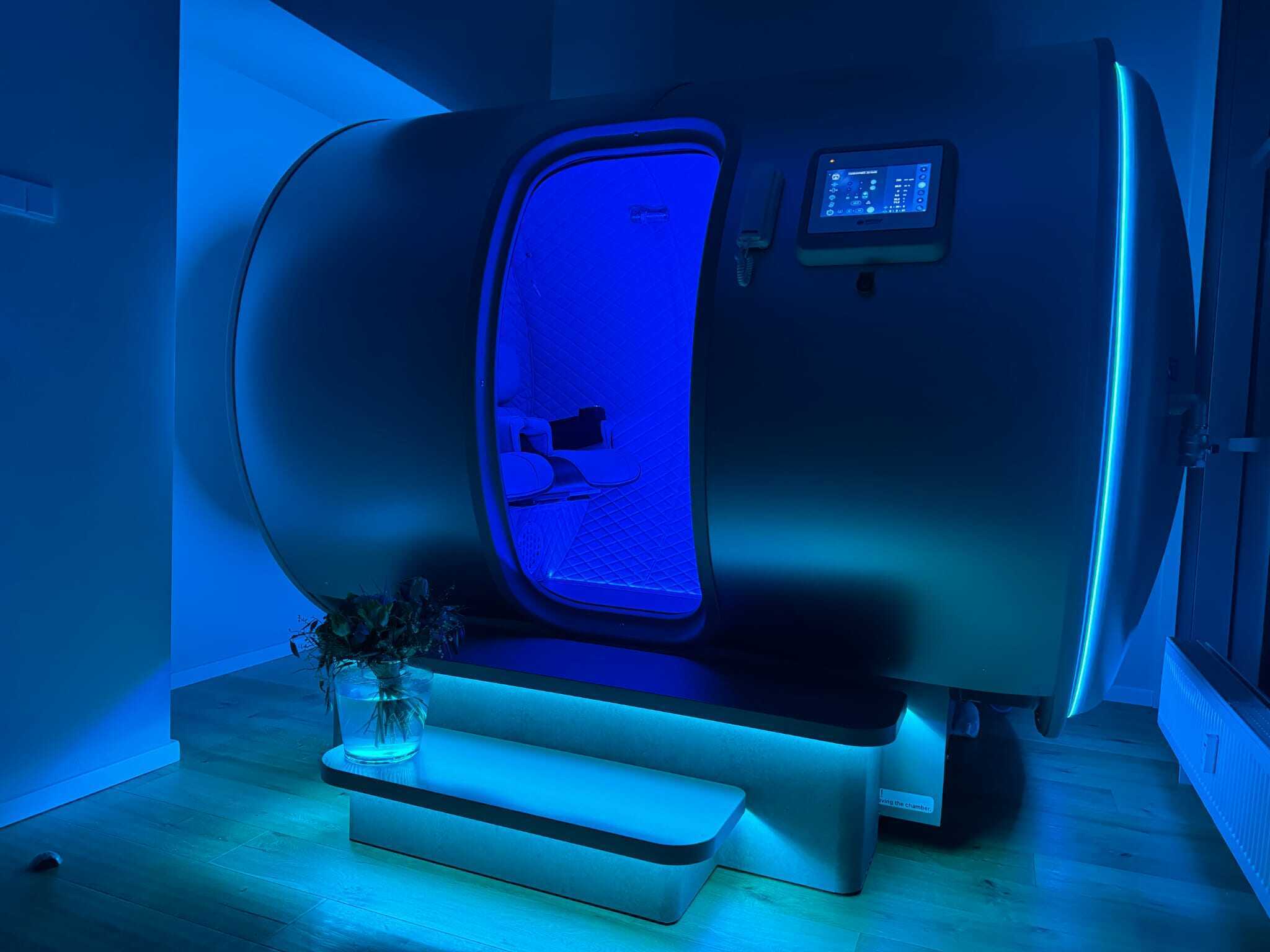
Oxyhelp dual-place hard shell chamber
The OxyHelp OxyLife C Multiplace chamber is ideal for multiple users at the same time. This multiplace hyperbaric oxygen chamber allows either an assistant or an observer inside to monitor the user and assist with the session, electronic functions or emergencies. The different sizes of Multiplace HBOT chambers (2, 4 or 5-seater) can also fit cardio equipment like a stationary bike / water rower or can be fitted with 2 to 5 seats for users to enjoy collective sessions.
Measurement devices
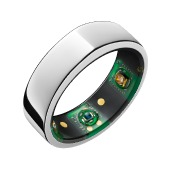
Oura Ring
The Oura Ring has consistently been an industry-leading wearable to track sleep, nighttime biosignals, and daily activity. We continue to improve upon each generation of the Oura Ring with new hardware sensors and software features.
Measurement devices
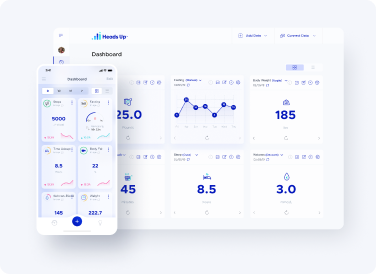
Heads Up
Leverage our simple and powerful health platform customizable for concierge doctors, integrative and functional medicine, longevity programs, research, and digital health solutions.
Results
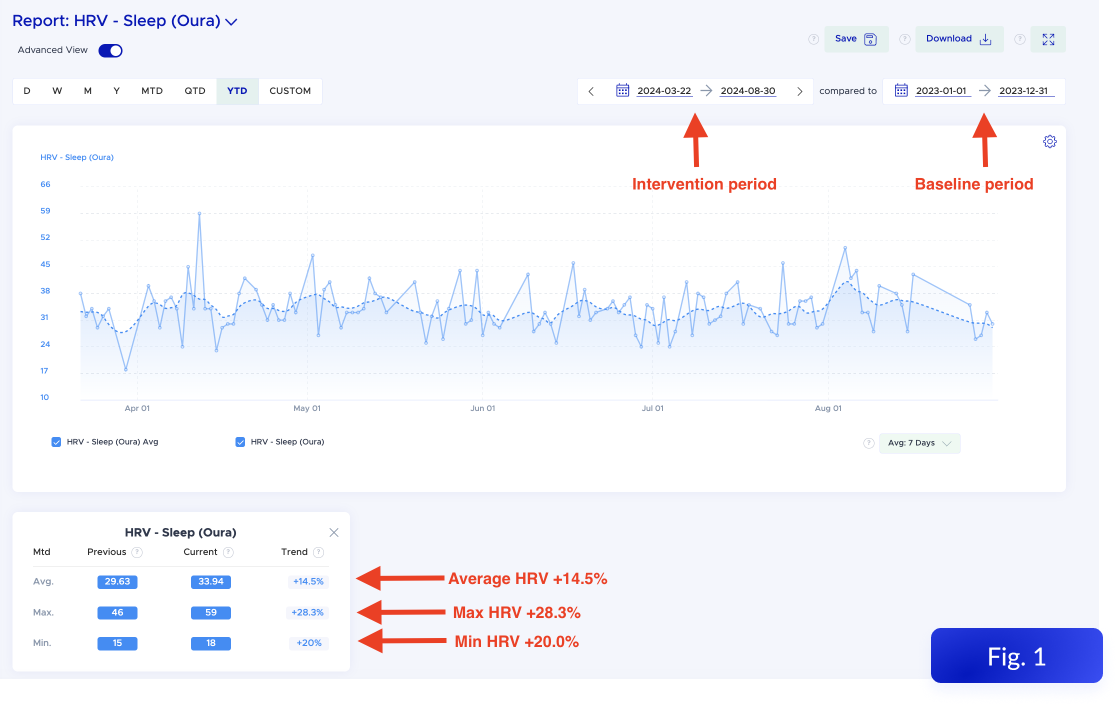
Participant A (Fig.1)
Participant A completed a total of 44 HBOT sessions for a total of 61 hours over a period of 6 months.
Oura HRV improvements were see as follows:

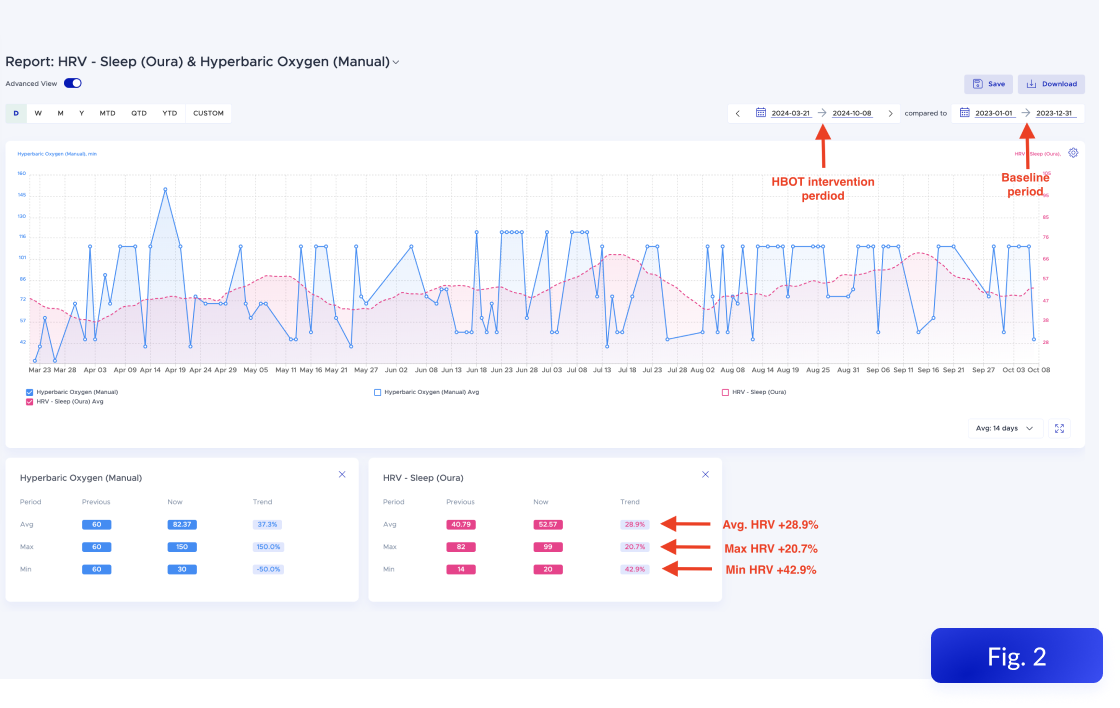
Participant B (Fig.2)
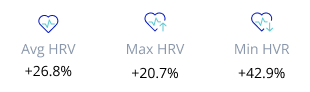
Participant B completed 97 HBOT sessions for a total of 130 hours over 6 months.
Oura HRV improvements were see as follows:
Summary
HBOT is becoming an increasingly popular treatment for general health and wellness. This case study demonstrated how HBOT had positive effects on HRV in two males, ages 48 and 74.
HRV is a metric commonly measured and tracked by health enthusiasts. The Oura ring is a useful tool to capture the effects of HBOT on HRV. The Heads Up platform makes it easy to visualize trends collected by wearables like the Oura ring and track changes in HRV.
Using wearables to measure health benefits can be very motivating for clients undergoing HBOT. Clinics should consider encouraging their HBOT clients to monitor their HRV as a helpful tool for assessing long-term health and longevity.
Learn More
Schedule a demo and discovery call with one of our specialist to see how Heads Up can help you improve patient outcomes and validate them with ease. Schedule here.
References
- Coutts, L. V., Plans, D., Brown, A. W., & Collomosse, J. (2020). Deep learning with wearable based heart rate variability for prediction of mental and general health. Journal of Biomedical Informatics, 112, 103610.
- Gupta, M., & Somasundaram, I. (2024). HBOT in Aging and Regeneration. In Hyperbaric Oxygen Therapy: Principles and Applications (pp. 129-133). Singapore: Springer Nature Singapore.
- Gupta, M., & Rathored, J. (2024). Hyperbaric oxygen therapy: future prospects in regenerative therapy and anti-aging. Frontiers in Aging, 5, 1368982.
- Hachmo, Y., Hadanny, A., Hamed, R. A., Daniel-Kotovsky, M., Catalogna, M., Fishlev, G., … & Efrati, S. (2020). Hyperbaric oxygen therapy increases telomere length and decreases immunosenescence in isolated blood cells: a prospective trial. Aging (Albany NY), 12(22), 22445.
- Jarczok, M. N., Weimer, K., Braun, C., Williams, D. P., Thayer, J. F., Gündel, H. O., & Balint, E. M. (2022). Heart rate variability in the prediction of mortality: A systematic review and meta-analysis of healthy and patient populations. Neuroscience & Biobehavioral Reviews, 143, 104907.
- Lund, V. E., Kentala, E., Scheinin, H., Lertola, K., Klossner, J., Aitasalo, K., … & Jalonen, J. (2004). Effect of age and repeated hyperbaric oxygen treatments on vagal tone. Statistics, 4(7), 0.
- Lund, V., Laine, J., Laitio, T., & Kentala, E. (2003). Instantaneous beat-to-beat variability reflects vagal tone during hyperbaric hyperoxia. Undersea & hyperbaric medicine, 30(1), 29.
- Sari, N. F., & Fawzy, A. (2024). A Deep Dive into the Role of Hyperbaric Oxygen Therapy in Enhancing Burn Wound Healing. International Journal of Medical Science and Clinical Research Studies, 4(05), 960-973.
- Wu, B. Q., Liu, D. Y., Shen, T. C., Lai, Y. R., Yu, T. L., Hsu, H. L., … & Hsia, T. C. (2024). Effects of Hyperbaric Oxygen Therapy on Long COVID: A Systematic Review. Life, 14(4), 438.

 on the Home
  tab.
tab. .
.