EHR vs. Health Data Analytics Platforms: How Cerbo, Elation, and Healthie EHR Users Can Transform Care with Heads Up Health

EHR vs. Health Data Analytics Platforms: How Cerbo, Elation, and Healthie EHR Users Can Transform Care with Heads Up Health

Introduction: The Gap in Modern Healthcare Data

Most practices rely on Electronic Health Record (EHR) systems such as Cerbo EHR, Elation EHR, or Healthie EHR to manage patient information, comply with regulations, and document care. But EHRs alone cannot deliver the real-time analytics, continuous monitoring, and patient engagement that today’s proactive, personalized care demands.

That’s where Heads Up comes in. Not to replace your EHR, but to amplify it!


What Is an EHR?

An EHR is the official digital version of a patient’s medical record, used for clinical, legal, and billing purposes.

Core Functions of EHR Systems

  • Store patient demographics, visit history, and medical conditions.

  • Document diagnoses, medications, allergies, and immunizations.

  • Manage orders for labs, prescriptions, and imaging.

  • Support insurance billing and coding.

  • Ensure HIPAA and ONC compliance.

Focus: Documentation, compliance, and continuity of care across providers.

Examples in Practice:

  • Cerbo EHR: Flexible for functional medicine, with supplement protocol tracking.

  • Elation EHR: Streamlined charting for primary care and concierge medicine.

  • Healthie EHR: Telehealth friendly for nutrition, wellness, and lifestyle programs.


What Is a Health Data Analytics Platform?

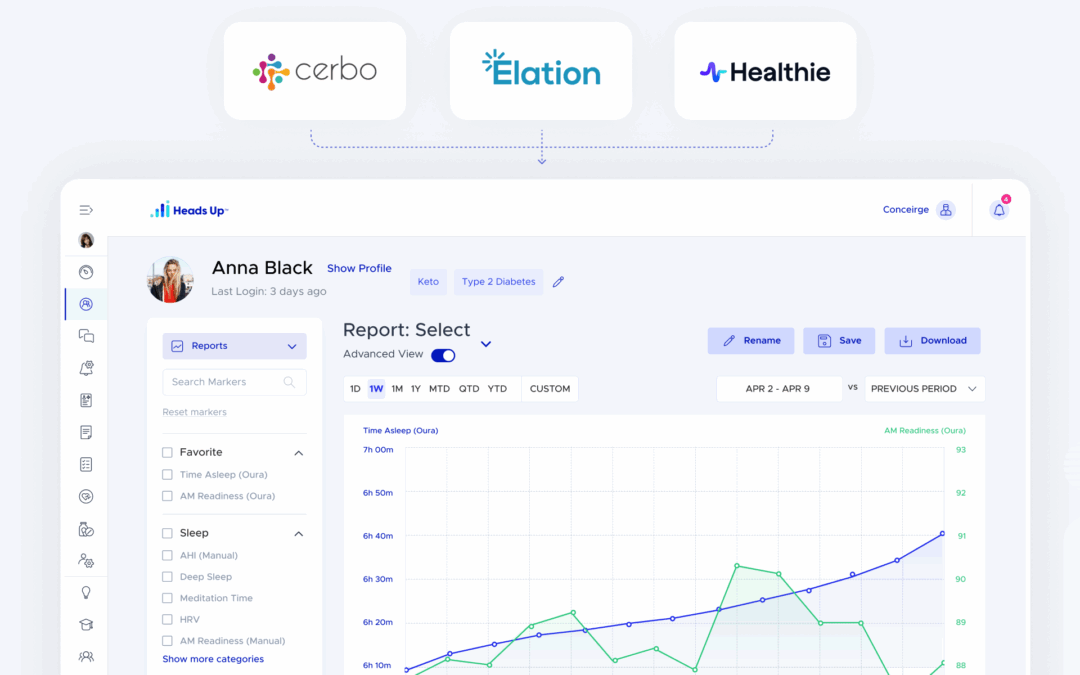
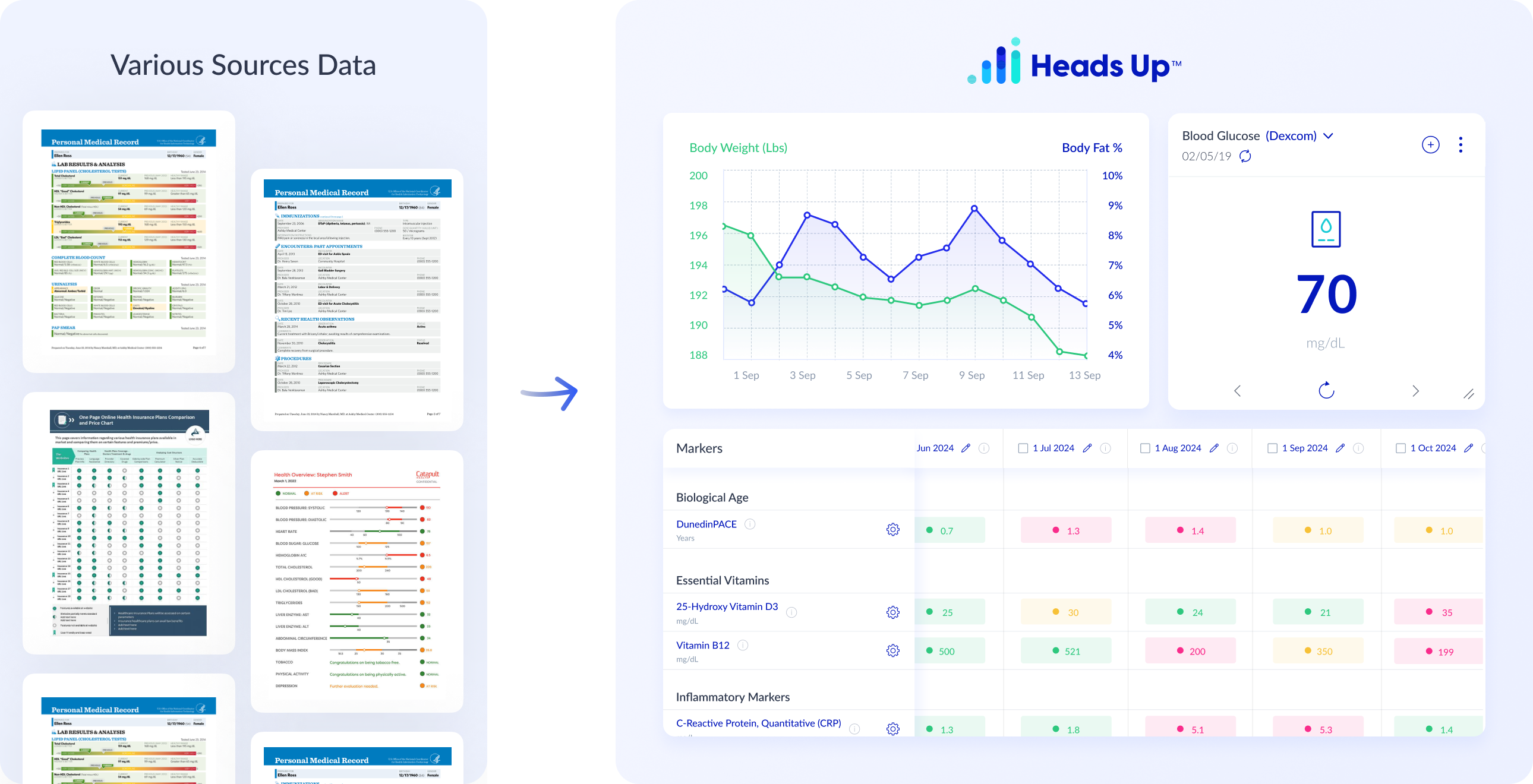
A health data analytics platform like Heads Up Health is designed to aggregate, analyze, and visualize health metrics from multiple sources including EHRs, wearables, labs, and at-home devices, to provide actionable insights for personalized, proactive care.

Core Functions of Health Data Analytics

  • Pull data from multiple sources like: EHRs, wearables, connected devices, labs, and apps.

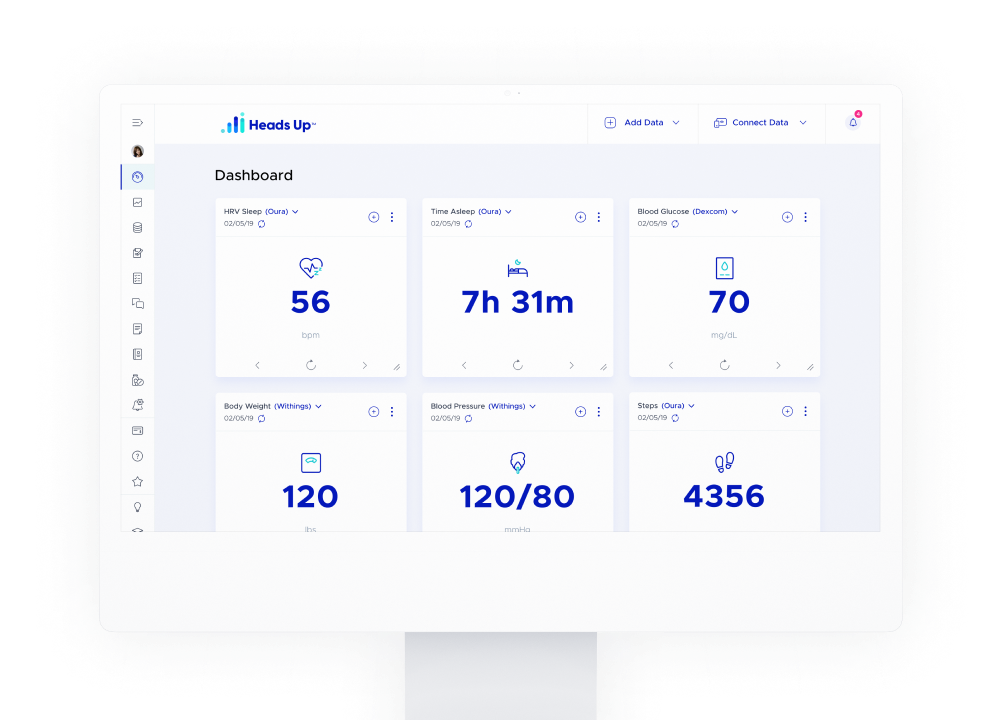
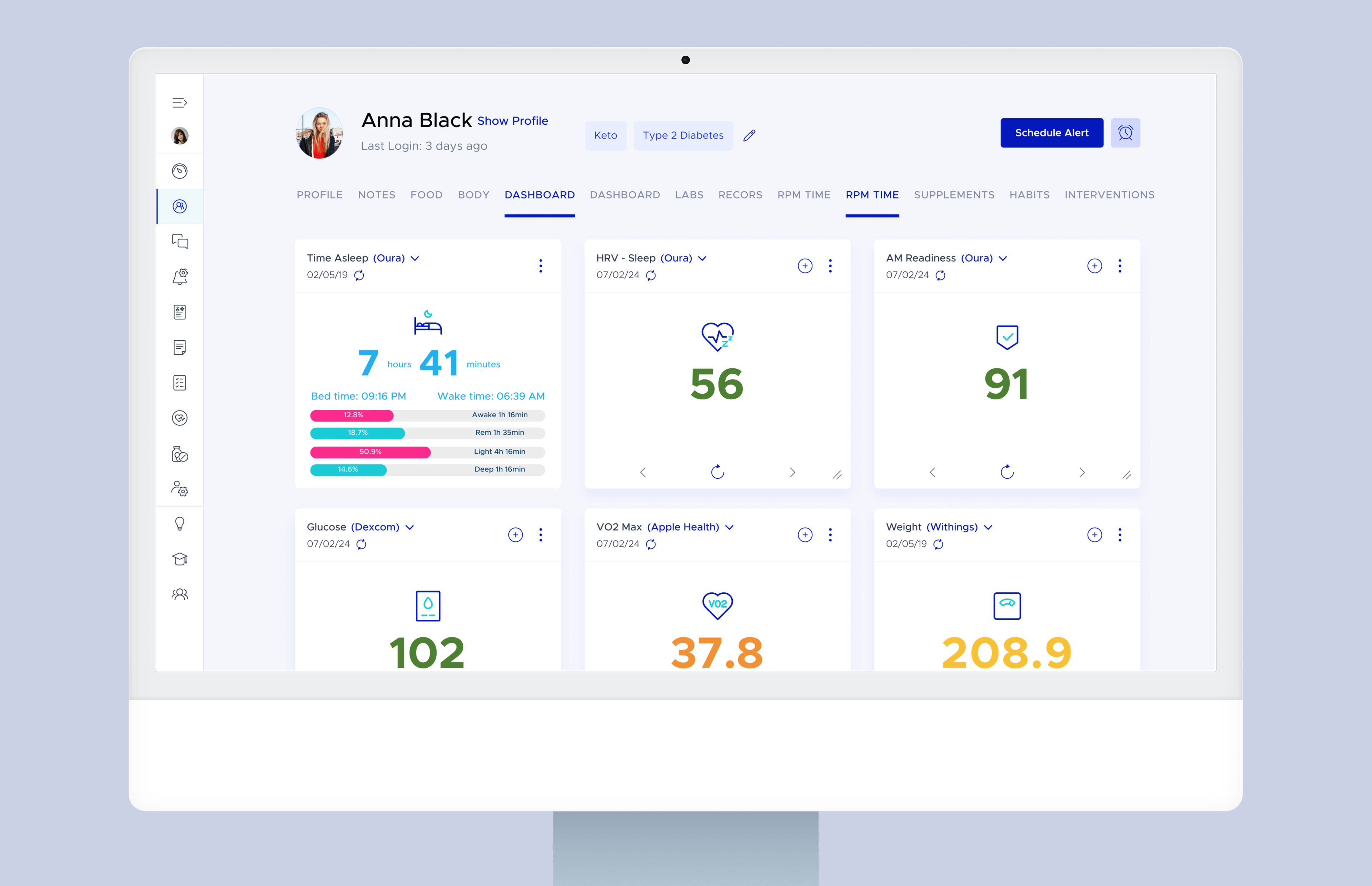
  • Provide real-time dashboards and longitudinal trend analysis like glucose, HRV, sleep, weight, and lab trends

  • Generate alerts for early intervention.

  • Track outcomes and validate program success.

  • Patient-facing dashboards for engagement and self-management

Focus: Turning raw data into actionable insights for personalization, prevention, and optimization of care.

Example use cases: Remote patient monitoring, longevity tracking, validating treatment effectiveness, integrating lifestyle and clinical metrics.


EHR vs Health Data Analytics: A Side-by-Side Comparison

Feature / Function EHR (Cerbo, Elation, Healthie) Heads Up Health
Purpose Manage official medical record Transform data into actionable clinical insights
Data Sources Provider-entered + ordered labs EHR, wearables, devices, labs, manual entry
Time Horizon Episodic (visit-based) Continuous (real-time & longitudinal)
Analytics Basic reports Advanced analytics & trend tracking
Patient Engagement Basic portal Interactive dashboards & goal tracking
Compliance High HIPAA-compliant

Why EHRs Alone Are Not Enough

While Cerbo EHR, Elation EHR, and Healthie EHR are excellent for record-keeping, they are not designed for:

  • Continuous data collection between visits

  • Real-time risk alerts

  • Wearable + lifestyle metric integration

  • Cohort-based outcomes validation

Without these, clinics risk reactive care models and missed opportunities for early intervention.


How Heads Up Health Integrates with Cerbo, Elation, and Healthie EHR

With Cerbo EHR

Automatically syncs labs, protocols, and visit notes while overlaying continuous wearable and lifestyle data.

With Elation EHR

Enhances concierge medicine workflows by providing real-time dashboards for patient engagement and risk monitoring.

With Healthie EHR

Pairs telehealth nutrition consults with continuous glucose monitoring and HRV data for instant dietary and lifestyle adjustments.


What’s the Delta?

  • An EHR is like the patient’s official “medical filing cabinet” secure, standardized, and used for day-to-day recordkeeping and compliance.

  • Heads Up Health is like the “mission control center” pulling in data from everywhere, making it visual and actionable, and enabling proactive, data-driven decision-making that most EHRs aren’t built to do.


Real-World Outcomes from Combining EHR + Analytics

Clinics using both an EHR and Health Data Analytics report:

  • 30%+ boost in treatment adherence

  • Fewer emergency visits from early detection alerts

  • Higher patient satisfaction through personalized care

  • Expanded service lines like remote patient monitoring and longevity programs


The Future: EHR + Analytics as the Gold Standard

The future of modern medicine is hybrid:

  • EHRs = the compliant, legal system of record.

  • Analytics platforms = the intelligence layer for precision care.

Combining Cerbo EHR, Elation EHR, or Healthie EHR with Heads Up Health allows clinics to move beyond reactive record-keeping to outcome-driven, proactive healthcare.


Conclusion & Call to Action

If your practice is ready to integrate real-time analytics, continuous monitoring, and outcome validation with your existing EHR, Heads Up Health is your next step.

Schedule a demo today to see how our platform works alongside Cerbo, Elation, and Healthie EHR to elevate patient care and profitability.


Heads Up provides a system to integrate all of the different data that you need to really deliver practice-based outcomes…

Dr. Brad Jacobs

BlueWave Medicine

Tracking Patient Health Data Has Never Been Easier!

Leverage The Power Of Heads Up in your Health Practice

Get started with by scheduling custom demo with one of our specialists to see the difference Heads Up can make in your practice. Schedule your demo and discovery call here.
Optimize Health & Longevity

Synchronize your clients’ medical records, labs, wearables, apps, and more into Heads Up for better outcomes. 
Sign Up now for a free starter account!

Women’s Health Masterclass: How to Track, Test & Optimize Female Hormones Using Data & Devices

Women’s Health Masterclass: How to Track, Test & Optimize Female Hormones Using Data & Devices

Overview

In an era where precision medicine is rapidly evolving, one truth remains uncomfortable: women are still dramatically underserved by modern healthcare.

Are you still relying on outdated methods to understand your female patients’ health?
It’s time to close the gender data gap in medicine and deliver truly personalized, cycle-aware care — powered by real-time biometrics, hormone testing, and wearable integration.

In this highly anticipated webinar, Heads Up Health brought together industry-leading experts to unpack one of the most overlooked areas in healthcare: female hormonal biology and how to track it accurately.


Why This Webinar Matters

For decades, women’s health has been sidelined in clinical research. A 2020 BMJ study revealed that only 22% of Phase I clinical trial participants were women. Meanwhile, 1 in 3 women report having their health concerns dismissed by medical professionals (KFF, 2022).

But research gaps create clinical gaps. And women are paying the price — in misdiagnosis, ineffective treatment, and unnecessary suffering.

This webinar aims to change that.

? Understanding the Female Biological Rhythm

Perhaps the most eye-opening section of the masterclass was Dr. Kayla’s expert breakdown of the female biological rhythm — a 28-day system driven by ovarian hormones that affects every system in the body, including:

  • Metabolism

  • Neurotransmitter activity

  • Sleep architecture

  • Cognitive function

  • Immune regulation

While men typically operate on a predictable 24-hour adrenal rhythm, women experience daily neurophysiological shifts across four hormonal phases — follicular, ovulatory, luteal, and menstrual.

“Women are biologically four different people every month,” said Dr. Osterhoff.
“If you’re not adjusting your care to this rhythm, you’re missing the mark.”

? Tools That Turn Theory Into Practice

Tools like CGMs, Mira, and the Oura Ring, when connected into a dashboard like Heads Up, allow for a radically personalized view of women’s physiology.

Here’s the “Female Health Trifecta” they outlined:

? Metric Tool
? Glucose Dexcom / Libre (CGM)
♀️ Hormones Mira / Dutch Test
? Stress & Recovery Oura Ring (HRV & Sleep)

Heads Up pulls these inputs into one unified view, enabling clinicians to:

  • Map hormone shifts in real time

  • Identify correlations between cycle phases and symptoms

  • Adjust protocols with actual feedback loops

“Before Heads Up, we were doing this manually with spreadsheets,” Katrine shared. “Now, we can see trends across multiple biomarkers in one dashboard — and act faster, more accurately.”

Dashboard 02

? Why This Matters for Clinical Outcomes

From a clinical perspective, understanding the cyclical nature of female biology helps:

1. Prevent misdiagnosis and mistreatment

2. Reduce adverse drug reactions

3. Improve patient adherence and self-awareness

4. Optimize the timing of labs, supplements, and lifestyle interventions

? “Cycle-aware care isn’t just a wellness trend, it’s the future of evidence-based medicine.”

And now, with the Mira integration live inside Heads Up, clinicians can see a patient’s estrogen, LH, FSH, and progesterone curve alongside blood glucose, HRV, and subjective symptoms — automatically.

? Heads Up’s Mission: Making Women’s Health Measurable

The final segment of the webinar outlined how Heads Up Health helps practitioners move beyond static labs and symptom surveys. The platform now supports:

  • Device integrations (CGM, Oura, Mira, Garmin, etc.)

  • PDF-to-data conversion for Dutch, blood work, and stool tests

  • Custom dashboards for women’s hormone programs

  • Journaling and symptom tracking across phases

  • Real-time alerts, trends, and client communication tools

?️ Learn more: Schedule a 1:1 Demo with Heads Up »


Frame 1000003751

Tracking Patient Health Data Has Never Been Easier!

Leverage The Power Of Heads Up in your Health Practice

Get started with by scheduling custom demo with one of our specialists to see the difference Heads Up can make in your practice. Schedule your demo and discovery call here.

Optimize Health & Longevity

Synchronize your clients’ medical records, labs, wearables, apps, and more into Heads Up for better outcomes. 
Sign Up now for a free starter account!
Rethinking Hair Loss: A Functional Medicine Perspective on Scalp Health and Root-Cause Regrowth

Rethinking Hair Loss: A Functional Medicine Perspective on Scalp Health and Root-Cause Regrowth

Rethinking Hair Loss: A Functional Medicine Perspective on Scalp Health and Root-Cause Regrowth

Featuring HairSmart Educator Shanna Moll

Hair loss is no longer a niche concern reserved for dermatologists or aestheticians. Increasingly, it’s becoming a whole-person issue — one that integrative and functional medicine professionals can’t afford to ignore.

Patients are arriving in your practice with stories of excessive shedding, thinning hairlines, and patchy regrowth — often after stress, illness, hormonal shifts, or post-COVID recovery. Yet many feel dismissed, told it’s just aging or stress, with little understanding of what’s actually happening beneath the surface.

So what if we’ve been overlooking one of the most foundational systems involved in hair growth?

That’s the question educator Shanna Moll poses in her interview with Heads Up Health. As a lead educator for HairSmart — an Ayurvedic, plant-based system for hair regrowth — Shanna offers a refreshingly practical, science-informed approach to restoring hair health from the inside out.

Here’s what every health professional should know.

The Scalp is Skin — and It’s Under Stress

We treat facial skin with great care, but often ignore the scalp — despite it being part of the same integumentary system.

“You can’t grow what you don’t protect. If the scalp is inflamed, congested, or off balance, no treatment will work long term.”

Shanna Moll

Featuring HairSmart Educator

From a functional medicine lens, this means examining:

  • Sebum overproduction (often tied to androgen dominance or microbial overgrowth)
  • Scalp inflammation or fungal activity
  • Blocked follicles and poor circulation

This makes topical interventions — like antibacterial and antifungal scalp treatments — a foundational first step for hair recovery.

Telogen Effluvium: The Hair Loss Pattern No One Talks About

In the interview, Shanna introduces a clinical concept often missed outside of dermatology: Telogen Effluvium.

This is a temporary form of diffuse hair shedding triggered by stress, illness, trauma, or systemic inflammation. It typically occurs 2–4 months after a major stressor, and is commonly seen:

  • Post-COVID
  • After surgery or medication changes
  • Following intense psychological or emotional stress
  • During hormonal transitions like perimenopause

“Hair loss is a symptom, not a diagnosis. And telogen effluvium is one of the most under-recognized patterns in post-pandemic medicine.”

Shanna Moll

Featuring HairSmart Educator

For clinicians, this opens the door to:

  • Educating patients on delayed-onset shedding
  • Providing natural DHT blockers and supportive adaptogens
  • Building patient confidence with timelines for regrowth

The 3-Part Framework: Protect, Nourish, Grow

HairSmart’s model simplifies intervention into a three-step process that clinicians can easily integrate into care plans:

1. Protect the scalp:

  • Cleanse and rebalance with antifungal/antibacterial ingredients
  • Restore pH and reduce inflammation

2. Nourish the follicle:

  • Use clean, plant-based DHT blockers
  • Support hormonal balance and stress resilience internally

3.Grow through consistency:

  • Provide patients with a clear home protocol
  • Ensure daily application post-treatment (e.g., after PRP or microneedling)

Too often, patients undergo in-office treatments without any support in between — which can limit results and reduce patient satisfaction. A simple at-home regimen can extend results and improve long-term outcomes.

Ideal Use Cases for Your Practice

If you’re a practitioner working with:

  • Perimenopausal or postmenopausal women
  • Autoimmune patients (e.g., Hashimoto’s, lupus, alopecia areata)
  • Post-COVID or long-haul clients
  • Biohacking/high-performance populations
  • Clients receiving PRP, exosomes, or microneedling

… this approach offers a low-barrier, natural, and sustainable way to address hair loss from multiple angles.

Shanna and HairSmart also offer practitioner education, helping you incorporate this protocol into your current practice without becoming a hair specialist.

Hair Loss as a Clinical Indicator

In functional and longevity medicine, we look at skin, nails, energy, sleep, glucose variability — all as metrics of internal function. It’s time we give hair the same respect.

Hair loss may not be life-threatening, but it is confidence-threatening. And for many, it’s an early warning sign that something deeper is out of balance.

As Shanna puts it:

“Helping someone regrow their hair often helps them reclaim their sense of identity. It’s about so much more than aesthetics.”

Shanna Moll

Featuring HairSmart Educator

Final Thoughts for Clinicians

If you’re ready to rethink how you approach hair loss in your patient population, this interview is a must-watch. It bridges the gap between clinical outcomes and patient experience, offering a practical, natural approach to one of the most emotionally charged symptoms your patients may face.

Frame 1000003751

Tracking Patient Health Data Has Never Been Easier!

Leverage The Power Of Heads Up in your Health Practice

Get started with by scheduling custom demo with one of our specialists to see the difference Heads Up can make in your practice. Schedule your demo and discovery call here.

Optimize Health & Longevity

Synchronize your clients’ medical records, labs, wearables, apps, and more into Heads Up for better outcomes. 
Sign Up now for a free starter account!
HRV Masterclass: Unlocking Health & Performance Potential in Clinical Practice

HRV Masterclass: Unlocking Health & Performance Potential in Clinical Practice

HRV Masterclass: Unlocking Health & Performance Potential in Clinical Practice

Overview

Heart Rate Variability (HRV) has emerged as a remarkably powerful biomarker in health and performance optimization. Unlike traditional lab tests that offer only periodic snapshots, HRV provides consistent, high-quality daily measurements, offering near real-time insights into an individual’s overall system health. This daily data is invaluable for understanding stress levels and evaluating the effectiveness of various interventions, from behavior modifications and lifestyle changes to medications and clinical protocols.

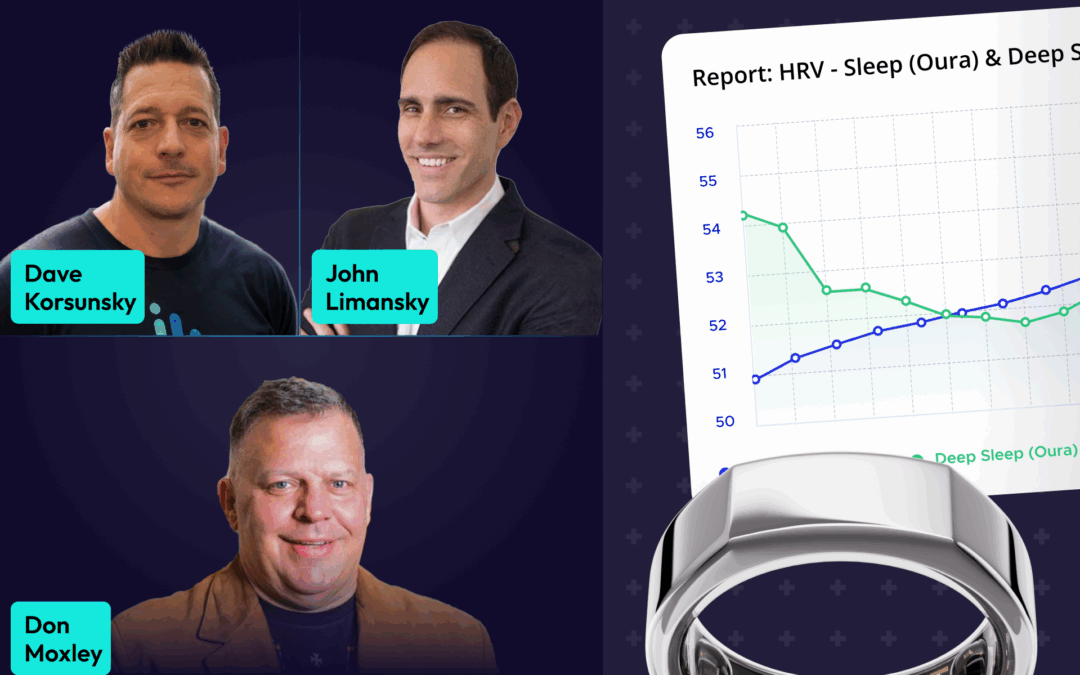
Heads Up recently hosted a masterclass focused on leveraging this powerful metric, featuring exercise physiologist Don Moxley and Heads Up Chief Medical Officer, Dr. John Limansky, hosted by Heads Up Founder & CEO, Dave Korsunsky. This session built upon previous discussions about the science of the vagal nerve and HRV.

The masterclass aimed to take a deep dive into Heart Rate Variability, with a specific focus on how clinicians can effectively utilize HRV in clinical practice.

HRV: A Universal Marker for Health and Performance

Don Moxley made a strong case for HRV as a universal health and performance marker. He explained that HRV serves as a biomarker for health status and overall stress response, providing insights into both physical and emotional resilience. In clinical settings, lower HRV is linked to reduced adaptability and increased health risks, including morbidity and mortality. Conversely, higher values are correlated with better performance and adaptability in various contexts.

The relationship between HRV and autonomic nervous system function is critical. The balance between sympathetic and parasympathetic influences significantly impacts HRV. Various factors, including pathological, physiological, psychological, environmental, lifestyle, and genetic factors, all influence HRV. Don highlighted that HRV demands a whole-body approach to healthcare, moving away from a purely systems-based view.

Clinical Applications of HRV

HRV monitoring is increasingly recognized as a crucial tool for assessing health, predicting outcomes, and guiding treatment strategies. It can serve as a reliable physiological marker of stress. For clinicians, HRV monitoring can be important in identifying cardiovascular risk and managing conditions such as hypertension, mental health disorders, and frailty in elderly populations. It is considered a valuable biomarker for assessing altered autonomic function in both health and psychiatric disease. Don noted his personal experience suggesting that lower HRV can indicate the impact of trauma.

The masterclass touched upon how different interventions and medications can affect HRV. Dr. Limansky and Don discussed the impact of blood pressure medications, noting that beta blockers and calcium channel blockers can significantly lower HRV, while ACE inhibitors may allow the heart to function more normally and even provide a slight HRV increase. They also mentioned benzodiazepines and GLP-1 medications as potentially affecting HRV.

HRV provides an indicator that practitioners can depend on to get ahead of disease, moving people from a disease state towards a performance state. Integrating HRV monitoring into routine assessments could potentially reduce the burden on the healthcare system by enabling early detection of potential issues.

HRV for Performance Optimization

In the realm of performance, athletes are increasingly using HRV metrics to optimize training and recovery protocols. HRV analytics can indicate readiness for performance, helping coaches tailor programs based on an athlete’s physiological status and stress levels. Don shared compelling examples from his time coaching college wrestling, where he could predict the team’s success based on athlete HRV scores. He detailed a case study of an athlete who was maladapting to training, showing very low HRV. By implementing training controls and focusing on intentional recovery, they were able to improve the athlete’s HRV, which correlated with a significant performance improvement at the national tournament.

Don emphasized that he prefers the term “maladaptation” over “overtraining,” highlighting that the body is either positively adapting or maladapting. HRV monitoring helps detect this maladaptation. He shared how his own HRV data clearly reflected the impact of travel, poor sleep, and lifestyle factors on his recovery, illustrating its value in identifying burnout or maladaptation in a professional context. He also noted the potential for wearable tech and HRV data to help predict injury. HRV can contribute to the decision-making process around training and recovery, and studies suggest HRV-directed training programs can improve outcomes.

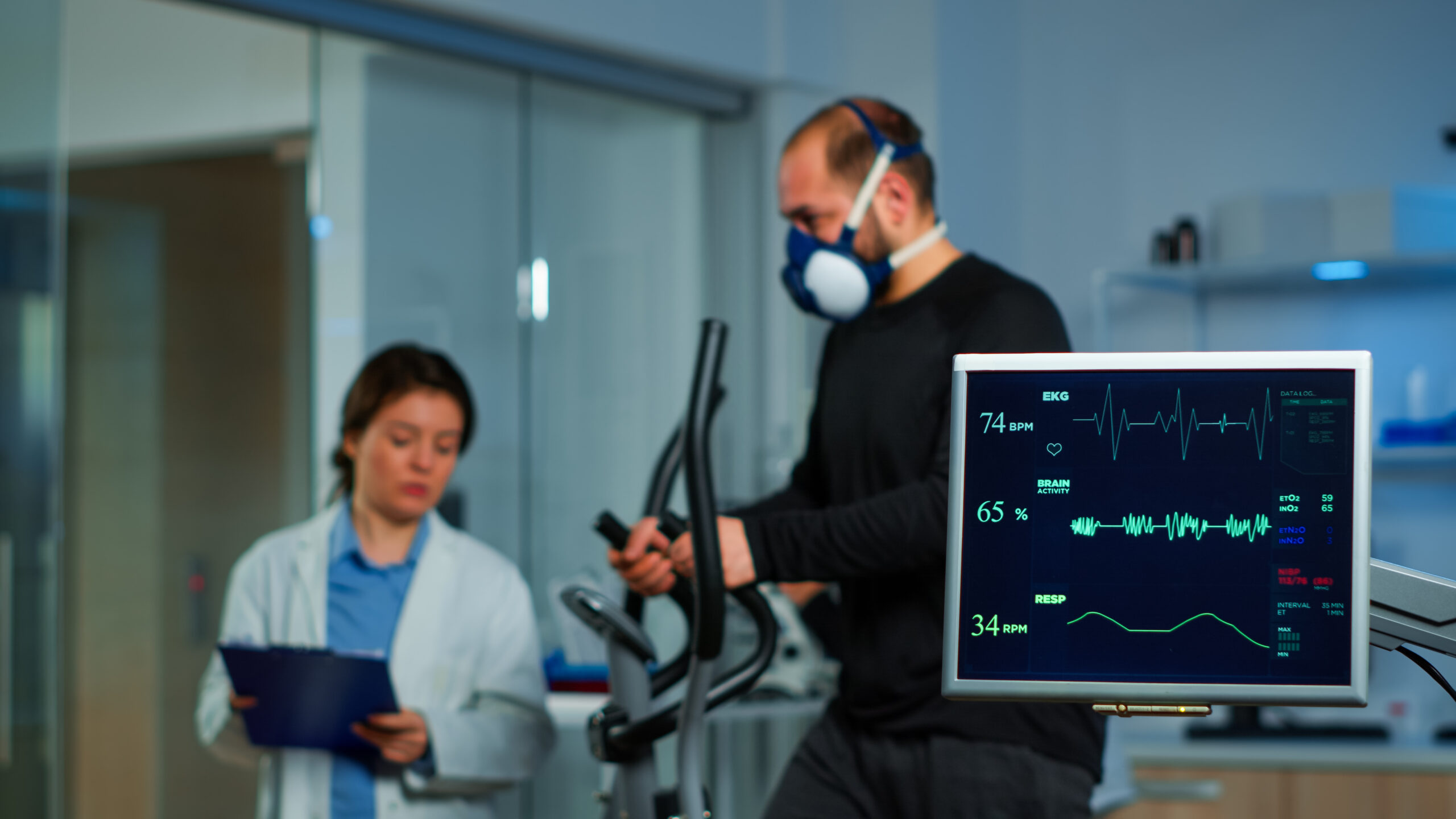
Team of medial researcher monitoring vo2 of man

Measuring and Monitoring HRV in Practice

While ECG is the gold standard for measuring HRV, recent advancements in wearable technology utilizing photoplethysmography (PPG) have made HRV monitoring more accessible. Devices like smartwatches and rings can effectively measure HRV in real time. However, ensuring accuracy requires using validated devices that have been compared against ECG and implementing standardized protocols for data collection, such as measuring at a consistent time, like nighttime resting data. Don expressed a preference for the Oura Ring due to its high user compliance and accurate nighttime data capture.

The masterclass reviewed different HRV metrics, including time domain metrics like RMSSD (Root Mean Square of Successive Differences), often associated with parasympathetic response, and SDNN (Standard Deviation of the Normal-to-Normal interval). Frequency domain analysis (LF, HF, LFHF ratio) was also discussed as a way to look at autonomic balance, although these metrics are less commonly available in standard wearable device software. Don mentioned using tools like those from HeartMath to explore LFHF ratios when working with clients struggling with autonomic function.

Operationalizing HRV Data with Heads Up

A key challenge for practitioners using HRV data is integrating measurements from various devices and tracking trends over time. The Heads Up platform is designed to address this by pulling together fragmented health data from sensors, wearables, and diagnostics into a seamless interface. This allows clinicians to easily capture data remotely, review daily metrics, track trends, set up alerts for deviations, and perform cohort analysis.

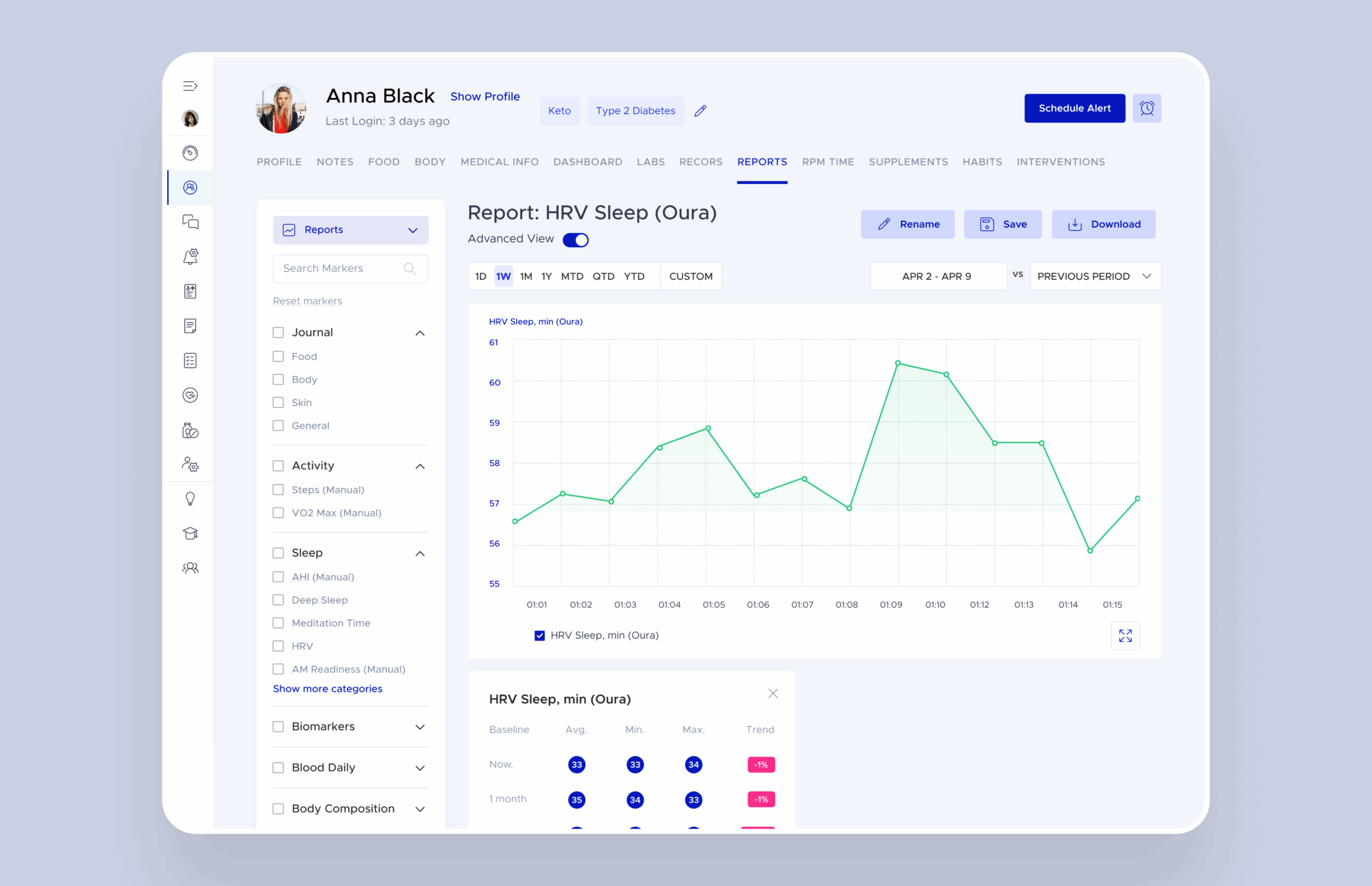
Don demonstrated how the Heads Up platform allows for visualizing HRV trends over time and correlating them with other data points, such as activity and resting heart rate. He showed how the platform helped him identify the physiological impact of life stress alongside physical activity levels. Heads Up enables practitioners to gain insights into individuals in real-time between visits and identify opportunities for improvements in behavior modification, treatment plans, and optimization strategies. The platform supports personalized care and helps validate outcomes. Case studies, such as AndHealth using HRV with autoimmune patients and Mode+Method demonstrating HRV improvements with supplements, were also referenced as examples of how Heads Up operationalizes this data in clinical practice.

HRV Reports

Conclusion

The HRV Masterclass with Don Moxley and Heads Up underscored the value of Heart Rate Variability as a dynamic and accessible biomarker for understanding health, stress, recovery, and performance. By operationalizing HRV data through platforms like Heads Up, clinicians can gain deeper insights into their patients’ daily physiological status, enabling more personalized care, validating interventions, and empowering individuals to take greater ownership of their health journey.

Frame 1000003751

If you’re a health professional looking to incorporate HRV monitoring into your practice or explore how to manage this data efficiently, scheduling a demo with Heads Up can provide a firsthand look at how the platform can support your goals.

Stay tuned for future Heads Up webinars covering topics such as women’s health and perimenopause, and longevity outcomes.

Learn more about Heads Up Health: https://headsuphealth.com/

Explore Heads Up Integrations: https://headsuphealth.com/integrations/

Tracking Patient Health Data Has Never Been Easier!

Leverage The Power Of Heads Up in your Health Practice

Get started with by scheduling custom demo with one of our specialists to see the difference Heads Up can make in your practice. Schedule your demo and discovery call here.

Optimize Health & Longevity

Synchronize your clients’ medical records, labs, wearables, apps, and more into Heads Up for better outcomes. 
Sign Up now for a free starter account!

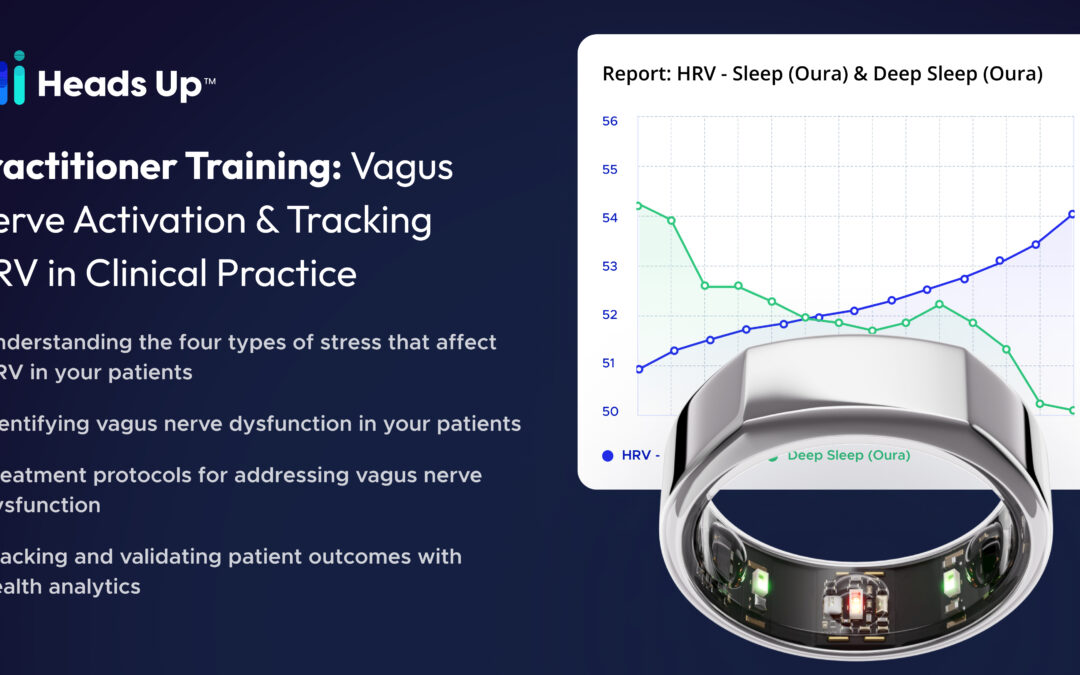
Medical Training: Vagus Nerve Activation + HRV Tracking In Clinical Practice

Medical Training: Vagus Nerve Activation + HRV Tracking In Clinical Practice

Vagus Nerve & Heart Rate Variability 

In an era where holistic health and biohacking converge, clinical professionals and wellness experts alike are turning to the powerful intersection of Vagus Nerve Activation and Heart Rate Variability (HRV) tracking. In a robust and information-packed webinar, Sachin Patel, Dr. Navas, and Dave Korsunsky demystify these cutting-edge tools and explain their practical applications in health monitoring and optimization.

In 2020, data surpassed the value of oil. If you’re not collecting data from your clients, whatever you’re claiming, isn’t happening… This underscores the shift toward outcomes-based care, where real-time metrics replace guesswork. For health professionals, tracking data isn’t optional—it’s the only way to prove efficacy, personalize treatment, and scale trust in a results-driven market.

Sachin Patel

Founder | Living Proof Institute

Understanding the Vagus Nerve: Anatomy and Clinical Importance

The vagus nerve, the longest cranial nerve in the body, plays a pivotal role in autonomic nervous system regulation. Emerging from the brainstem, it extends through the neck into the thorax and abdomen, interfacing with the heart, lungs, digestive tract, and more. According to Dr. Navas, approximately 80% of the vagus nerve’s fibers are afferent, meaning they transmit information from the body to the brain. This makes the vagus nerve an essential sensor of internal bodily conditions.

In his detailed anatomical breakdown, Dr. Navas demonstrates how the vagus nerve’s influence spans from modulating inflammatory responses to affecting mood, digestion, heart rate, and respiratory rate. The nerve also activates the parasympathetic nervous system—often referred to as the “rest and digest” system—which counters the stress-induced fight-or-flight response.

Heart Rate Variability: A Game-Changing Biometric

Heart Rate Variability (HRV) measures the variation in time between successive heartbeats, a crucial marker of autonomic nervous system flexibility and overall resilience. HRV is no longer just for elite athletes—it’s a clinical goldmine. Patel and Korsunsky explain that HRV reflects the balance between sympathetic (stress) and parasympathetic (recovery) states.

Low HRV may indicate stress, inflammation, or fatigue, while higher HRV is typically a marker of good recovery and adaptive capacity. HRV is sensitive enough to predict illness onset before symptoms occur, making it a preemptive tool in both general wellness and chronic disease management.

Data-Driven Medicine with Heads Up 

Dave Korsunsky introduces the Heads Up Health platform, which aggregates real-time biometric data from wearables like the Oura Ring, CGMs, smart scales, blood pressure cuffs, and other digital health technologies. It enables clinicians to monitor HRV, respiratory rate, blood sugar, sleep quality, and other metrics from a single dashboard.

Korsunsky shares how practitioners can set thresholds for various metrics to trigger alerts, enabling early interventions. In autoimmune patients, for instance, a consistent drop in HRV can signal an impending flare-up. These insights allow for preemptive care strategies rather than reactive treatment.

Patient Empowerment and the Future of Healthcare

A standout theme of the webinar is empowering patients to take charge of their own health. Patel’s philosophy—”The doctor of the future is the patient”—emphasizes the growing role of self-monitoring and experimentation. Patients can assess how lifestyle changes such as late-night meals, alcohol consumption, or breathwork practices affect their physiological markers.

This empowerment extends beyond anecdotal evidence to objective metrics. For example, an Oura Ring can show how a client’s HRV changes after improving sleep hygiene or implementing breathing techniques, leading to higher engagement and compliance with wellness programs.

Clinical Interventions: 

1. Breathwork and Diaphragmatic Training

Sachin Patel emphasizes that many clients suffer from dysfunctional breathing patterns rooted in trauma or stress. These patterns contribute to chronic sympathetic activation. He introduces tools such as coherence breathing, the BOLT test (Body Oxygen Level Test), and breath-focused therapies to help recalibrate the autonomic nervous system.

2. Mouth Taping and Nasal Breathing

Mouth taping during sleep is discussed as a powerful intervention to promote nasal breathing, which enhances nitric oxide production, improves cardiovascular function, and supports better sleep architecture.

3. Vagus Nerve Stimulation (VNS)

Dr. Navas discusses non-invasive VNS methods, including auricular stimulation and neck-based techniques, which activate specific brain regions associated with calm, cognition, and pain reduction. These interventions are backed by fMRI studies showing thalamus activation and reduced inflammation via IL-6 suppression.

4. Technology-Based Monitoring

Wearables now allow real-time tracking of not just HRV but also respiratory rate and sleep apnea markers. These tools make it possible to monitor subtle shifts that could signify metabolic dysregulation or chronic stress.

Case Studies and Real-World Data

In one compelling case, an autoimmune patient showed declining HRV following a series of intense bike rides. The Heads Up dashboard allowed clinicians to correlate HRV data with training logs and intervene early, potentially preventing a flare-up. In another case, patients using CPAP therapy were found to have chronically lower nocturnal HRV—a useful marker when optimizing treatment plans.

Another clinical pearl discussed is using HRV to guide fasting regimens and glucose monitoring. Patel shares examples where patients could self-adjust based on CGM and HRV data, improving outcomes significantly.

Functional Lab Integration and Data Consolidation

Heads Up doesn’t stop at wearables—it also integrates functional lab data (stool tests, blood panels, organic acid tests), creating a unified view of the patient’s health. This holistic view allows practitioners to pinpoint the root causes of symptoms rather than simply treating surface-level issues.

The Role of Technology in Scaling Personalized Medicine

Korsunsky notes that practitioners with large client bases need automation. The platform’s alert systems highlight patients who fall outside their HRV baseline or exhibit early signs of distress. This triage approach helps clinics operate efficiently while maintaining personalized care.

Furthermore, Patel stresses the marketing value of these tools. Clients can visually track progress, share results, and become brand advocates, effectively increasing referrals and practice growth.

The Big Picture: A Health Revolution

This video masterfully illustrates how the intersection of HRV and vagus nerve activation is ushering in a new era of precision wellness. With patient empowerment, technological integration, and clinically validated interventions, practitioners are now equipped to offer deeper, more effective care.

By transforming subjective wellness into measurable outcomes, HRV and vagus nerve tools are becoming non-negotiables in progressive health practices.

Key Takeaways for Health Professionals

  • Use HRV as an early warning signal for stress and inflammation.

  • Encourage patients to self-monitor using wearables.

  • Employ breathwork and vagal stimulation to improve recovery and resilience.

  • Integrate biometric and lab data for a 360-degree view of client health.

  • Leverage platforms like Heads Up for efficient and scalable client management.

Conclusion

As the healthcare industry shifts from episodic treatment to proactive wellness, tools like HRV tracking and vagus nerve stimulation will lead the charge. Backed by research and enabled by technology, these modalities empower both clinicians and patients to make informed, impactful decisions.

? Want more educational content like this? Subscribe to our professional insights newsletter and webinar series for clinical tips and digital health tech updates.

Subscribe Below To Get Notified About Our Next Data-Driven Health & Medical Training

Leverage The Power Of Heads Up in your Health Practice

Get started with by scheduling custom demo with one of our specialists to see the difference Heads Up can make in your practice. Schedule your demo and discovery call here.

Tracking Patient Health Data Has Never Been Easier!

Frame 1

Optimize Health & Longevity

Synchronize your clients’ medical records, labs, wearables, apps, and more into Heads Up for better outcomes. 
Sign Up now for a free starter account!