Longevity Metrics Q&A: Epigenetic Clocks, ApoB, Insulin Resistance & AI in Clinical Practice

Longevity Metrics Q&A: Epigenetic Clocks, ApoB, Insulin Resistance & AI in Clinical Practice

Overview

At Heads Up, we recently hosted a live webinar on the top longevity metrics every clinic should be tracking to uncover risks, personalize care, and improve outcomes. Our special guest was Leonard Pastrana, PharmD, co-founder of nuBioAge and a leading educator in longevity medicine who has trained over 5,000 practitioners worldwide.

The Q&A session was packed with insights on biomarkers, testing strategies, and the future of AI in healthcare.

Below is a recap of the most important takeaways.

Epigenetic Clocks: Promise and Limitations

Q: What is the latest on the use of epigenetic clocks as biomarkers?

Dr. Pastrana explained that epigenetic clocks are exciting tools that estimate biological age, but they’re still evolving. Data from TrueDiagnostic and other providers show accelerated aging between ages 40–60, matching what clinicians see in practice (brain fog, body composition changes, metabolic decline).

  • Best use: Motivational for patients (“What’s my biological age?”).

  • Limitation: Still not robust enough for clinical decision-making compared to validated metrics like VO₂ max, ApoB, and fasting insulin.

  • Notable metric: Dunedin Pace of Aging (rate of biological aging per year) is one of the most promising markers for clinical use.


The 40–60 Window: Why It’s Critical

Research confirms that between ages 40–60, aging accelerates. This is also when early insulin resistance can drive vascular damage leading to Alzheimer’s decades later.

Takeaway: This is the “golden window” for clinical intervention. By tracking insulin resistance, ApoB, body composition, and VO₂ max, providers can intervene before irreversible decline.


ApoB vs. ApoB:A1 Ratio

Q: Is the ApoB:A1 ratio more important than ApoB alone?

  • Dr. Pastrana: ApoB remains the gold standard for cardiovascular risk, since it counts atherogenic particles.

  • Ratios can provide nuance, but decisions should be anchored on ApoB levels for clinical accuracy.


Hydration and Protein Preservation

Q: How much water is needed to stop protein degradation?

  • No set number, but generally 2–3 liters/day depending on body weight.

  • What matters: Intracellular water. Low cell volume signals catabolism and accelerates protein breakdown.

  • Solutions: Amino acids, creatine, and osmolites to support intracellular hydration.


Visceral Adipose Tissue (VAT) and Body Fat

Q: Is there a formula for reducing VAT below 1 lb based on body fat percentage?

  • VAT is highly bio-individual. Some lean patients have high VAT, while some obese patients have less than expected.

  • DEXA scans remain the gold standard for assessing VAT.

  • Key: Don’t rely on total body fat % alone — measure directly.


The “Dream Biomarker”: Continuous Fasting Insulin

When asked what biomarker he wished existed, Dr. Pastrana’s answer was clear: A continuous fasting insulin monitor, similar to today’s CGMs.

Why? Because insulin tells us how hard the pancreas is working to maintain glucose balance, and continuous data could revolutionize metabolic care.


GLP-1s and Weight Regain

Q: When should testing be done to predict weight regain after GLP-1 therapy?

  • Always establish baseline metabolic parameters before starting treatment.

  • Key metrics: Resting Metabolic Rate (RMR) and Fat Oxidation (breath testing).

  • Weight regain is often linked to:

    • Reduced metabolism due to caloric restriction.

    • Lean mass loss during weight reduction.

  • Solution: Resistance training, protein intake, peptides, and hormone optimization to preserve or rebuild lean mass.


Tirzepatide vs. Semaglutide

Q: Are there significant differences between the two?

  • Clinical differences are minimal.

  • Semaglutide may show slightly better triglyceride/VLDL reduction in studies, but real-world outcomes are similar.

  • Key factors: Patient tolerance and cost.


Affordable Alternatives to DEXA

  • Tools like InBody and SECA devices provide useful trends for lean mass and VAT scores.

  • Not as precise as DEXA, but valuable for monitoring direction over time.

  • Tip: Educate patients not to panic over day-to-day fluctuations (water weight, menstrual cycle, etc.).


HbA1c vs. Fasting Insulin vs. HOMA-IR

  • HbA1c is foundational for diabetes screening but less sensitive in early dysfunction.

  • Fasting Insulin is simple, direct, and highly valuable for detecting early metabolic issues.

  • HOMA-IR combines glucose + insulin for a broader view of insulin resistance.

Recommendation: Use all three, but fasting insulin remains a practical and powerful tool.


Demonstrating True Healthspan Gains

Q: How can clinics prove interventions are reversing biological age?

  • Focus on validated clinical metrics:

    • VAT reduction

    • ApoB lowering

    • VO₂ max improvement

    • Muscle mass gain

  • Patient-centered approach: Tie metrics back to personal goals (confidence, energy, longevity with family).

  • Heads Up enables providers to show before/after dashboards to demonstrate real progress.


Wearables: Tracking Between Lab Visits

  • Body composition scales (weekly trend data).

  • Oura Ring for HRV, sleep quality, recovery.

  • CGM for glucose and metabolic flexibility.

Between labs and DEXAs, these provide daily feedback loops to patients and clinicians.


Custom Longevity Scores

Heads Up now supports custom algorithm development, allowing clinics to combine:

  • Traditional labs (HbA1c, lipids)

  • Advanced markers (epigenetic clocks, VO₂ max, organic acids)

  • Wearables (HRV, sleep, activity)

Result: Proprietary Longevity Scores that differentiate your practice and prove outcomes at scale.


The Future: AI + Longevity Medicine

With Heads Up’s new AI layer, clinicians will soon be able to:

  • Query patient data with natural language.

  • Identify velocity of change across 10+ years of labs.

  • Auto-generate treatment plans based on data trends.

  • Highlight mismatched interventions.

The vision: Secure, HIPAA-compliant AI that turns complex health data into actionable insights in seconds.


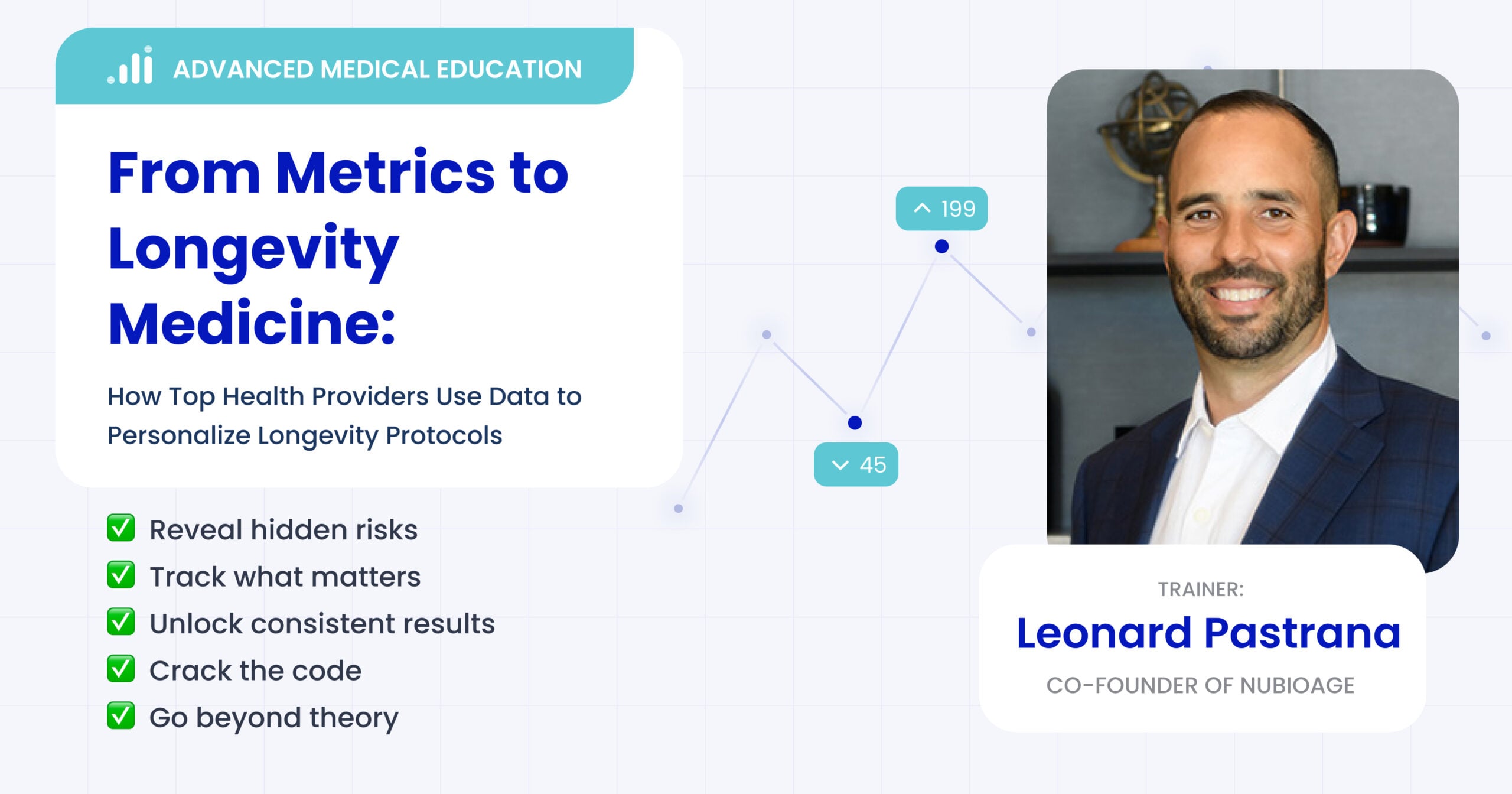
 Want to see the full clinical longevity training?  Click the image below.
1 91 (37)

Conclusion

Longevity medicine is evolving fast, and the tools to track it are here. From epigenetic clocks to fasting insulin, from VAT scans to custom longevity scores, clinics can now deliver measurable outcomes that extend both lifespan and healthspan.

At Heads Up, we’re helping practices implement these metrics into daily care, unify fragmented data, and prepare for the next generation of AI-powered longevity medicine.

Want to build longevity programs that track, optimize, and prove outcomes? Schedule a Demo with Heads Up.

Tracking Patient Health Data Has Never Been Easier!

Leverage The Power Of Heads Up in your Health Practice

Get started with by scheduling custom demo with one of our specialists to see the difference Heads Up can make in your practice. Schedule your demo and discovery call here.
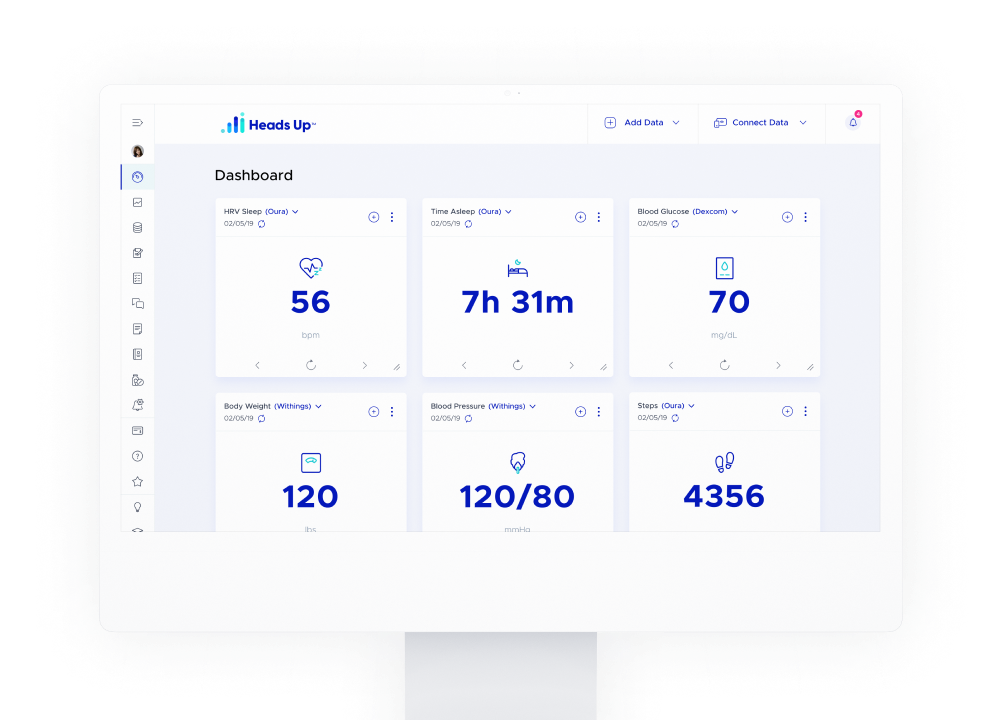
Optimize Health & Longevity

Synchronize your clients’ medical records, labs, wearables, apps, and more into Heads Up for better outcomes. 
Sign Up now for a free starter account!
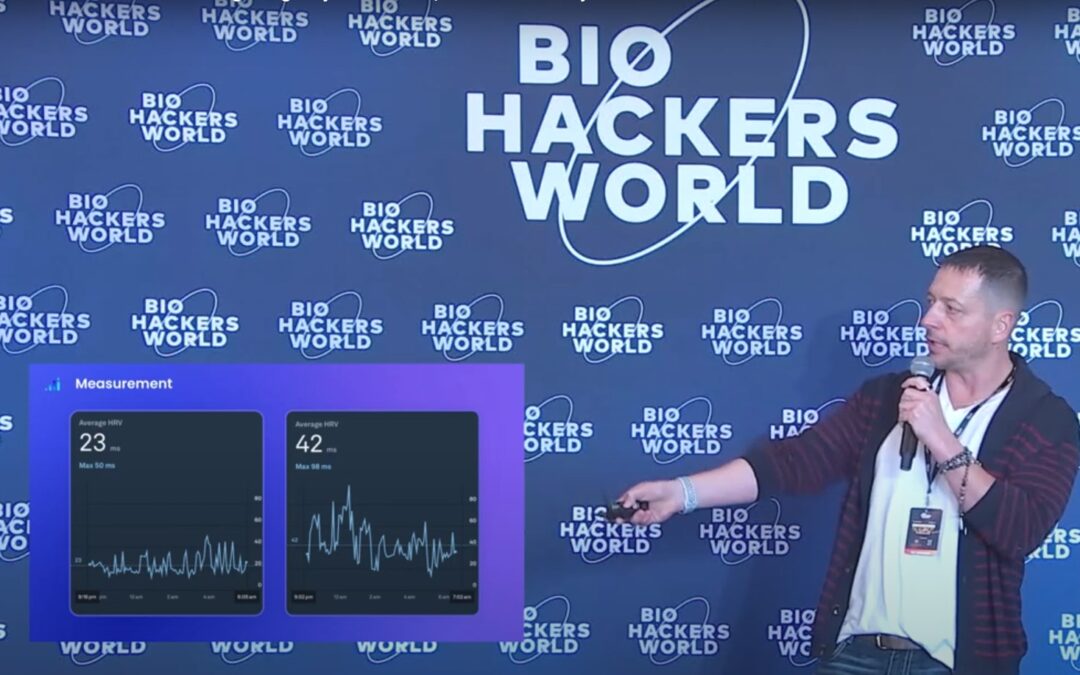
“Show Me The Data!” How Real-Time Health Data is Revolutionizing Longevity & Biohacking.

“Show Me The Data!” How Real-Time Health Data is Revolutionizing Longevity & Biohacking.

We can make micro-calibrations every day. We can test, retest, and experiment every single day. We can make changes, figure out what works, and just keep stacking them up. That’s the most exciting part of Biohacking!

Dave Korsunsky

CEO Heads Up

Discover how real-time health data is changing healthcare.

What if you could wake up each day with the tools to steer your health with pinpoint precision?

Now, imagine unlocking your body’s full potential by harnessing the power of real-time data: measuring, tweaking, and optimizing every facet of your well-being.

In today’s fast-paced, information-rich world, optimizing your health isn’t a guessing game; it’s a data-driven strategy. David Korsunsky, founder of Heads Up, delivers a powerful message in his presentation “Show Me The Data!Revealing how cutting-edge technology empowers you to do exactly that!

This isn’t about getting by, it’s about leveling up, living longer, and feeling stronger with every decision you make.

From Systems Engineering to Biohacking

Korsunsky applies his background in optimizing high-performance IT systems to human health. Just like servers, our bodies need monitoring, fine-tuning, and optimization. This vision powers the creation of Heads Up Health—a platform built to centralize, analyze, and elevate your personal health data.

Daily Data Creates Daily Wins

The old model of annual checkups and sporadic lab work doesn’t cut it anymore. Wearables and continuous monitors offer daily health insights, giving you the power to make micro-adjustments in real time.

You don’t need to wait months to find out if a diet, supplement, or exercise program works. With tools like the Oura Ring, Dexcom CGMs, and Apple Watch, you track your progress every day. This real-time feedback turns biohacking into a personalized, results-driven experience.

The Five Biomarkers That Matter Most

There are thousands of metrics you can track, but Korsunsky focuses on five biomarkers that consistently deliver the biggest impact:

1. Heart Rate Variability (HRV)

HRV reflects the balance between your sympathetic and parasympathetic nervous systems. A higher HRV signals better stress resilience, cardiovascular health, and recovery.

Research in Frontiers in Public Health shows that higher HRV links to reduced mortality and lower risk of chronic diseases [1].

Korsunsky uses HRV daily to adjust training loads and manage stress. Since HRV is highly individualized, the goal is to improve your personal baseline—not chase someone else’s numbers.

2. Blood Glucose Levels

Stable blood sugar drives energy, sleep, hormone balance, and fat metabolism. Tools like the Dexcom Stelo let you see how food and habits affect your glucose in real time.

The CDC links poor glucose control to insulin resistance, type 2 diabetes, and cardiovascular disease [2]. Korsunsky encourages using CGMs to spot trends, correct spikes, and take control of your metabolic health.

3. Sleep Quality

Sleep fuels everything from recovery to mental clarity. Korsunsky treats it as a skill, not a given. Tools like Oura Rings reveal your sleep efficiency, heart rate trends, and more.

The Sleep Foundation highlights that consistent quality sleep boosts immune health, emotional regulation, and cognitive performance [3].

4. VO2 Max

VO2 Max measures how much oxygen your body uses during exercise. It’s a top predictor of cardiovascular endurance and long-term survival. A JAMA study shows higher VO2 Max significantly reduces mortality [4].

You can track VO2 Max with wearables or formal treadmill tests. Korsunsky recommends aiming for the fitness level of someone 10-20 years younger—and monitoring progress with every workout.

5. Muscle Mass

Muscle mass signals strength, hormone health, and resilience. Building muscle means you’re eating right, sleeping well, and training effectively.

NIH research shows that older adults with more muscle mass enjoy better mobility, metabolism, and cognitive performance [5]. Korsunsky uses DEXA scans and validated scales to track gains.

Mental Health & Breathwork: The Missing Links

Korsunsky reminds us: data isn’t just physical. Emotional health matters. Practices like breathwork and mindfulness boost HRV, improve sleep, and enhance your overall well-being.

Neuroscience backs this up. Controlled breathing helps reduce anxiety by stimulating the vagus nerve, improving focus and calm [6].

Play With Data: Make It Fun, Not Fearful

Korsunsky brings a light-hearted approach to data. Don’t stress over every number. Treat your dashboard as a sandbox for self-experimentation. Try a new routine, track your response, and adapt. That’s the essence of empowered health.

The Future of Health is Personalized

With the right data, you move beyond average. You aim for optimal. Whether you’re recovering from illness or striving for peak performance, daily data fuels continuous improvement.

Heads Up Health gives you the tools. 

Health Professionals

Want deeper insights into your patients’ health and lifestyle data?

Learn how Heads Up can help provide you the data to validate your patients’ health outcomes. Schedule a discovery call. 


Sources:

  1. Frontiers in Public Health. (2019). Heart Rate Variability and Health Outcomes. https://www.ncbi.nlm.nih.gov/pmc/articles/PMC6597786/
  2. CDC. (2021). Risk Factors for Type 2 Diabetes. https://www.cdc.gov/diabetes/basics/risk-factors.html
  3. Sleep Foundation. Why Do We Need Sleep? https://www.sleepfoundation.org/how-sleep-works/why-do-we-need-sleep
  4. JAMA Network. (2018). Association of Cardiorespiratory Fitness With Long-Term Mortality. https://jamanetwork.com/journals/jama/fullarticle/2713846
  5. National Institutes of Health. (2017). Skeletal Muscle and Aging. https://www.ncbi.nlm.nih.gov/pmc/articles/PMC5632791/
  6. Frontiers in Psychology. (2017). Effects of Controlled Breathing on Anxiety. https://www.frontiersin.org/articles/10.3389/fpsyg.2017.00874/full

Subscribe Below To Get Notified About Our Next Data-Driven Health & Medical Training

Leverage The Power Of Heads Up in your Health Practice

Get started with by scheduling custom demo with one of our specialists to see the difference Heads Up can make in your practice. Schedule your demo and discovery call here.

Tracking Patient Health Data Has Never Been Easier!

Frame 1

Optimize Health & Longevity

Synchronize your clients’ medical records, labs, wearables, apps, and more into Heads Up for better outcomes. 
Sign Up now for a free starter account!

Biohacking Longevity With Cutting Edge Health Protocols

Biohacking Longevity With Cutting Edge Health Protocols

“We’re trying to take longevity to the next level… We have a lot of tools—it’s a 30,000 square foot facility with more biohacking technologies under one roof than probably any place in the world.”

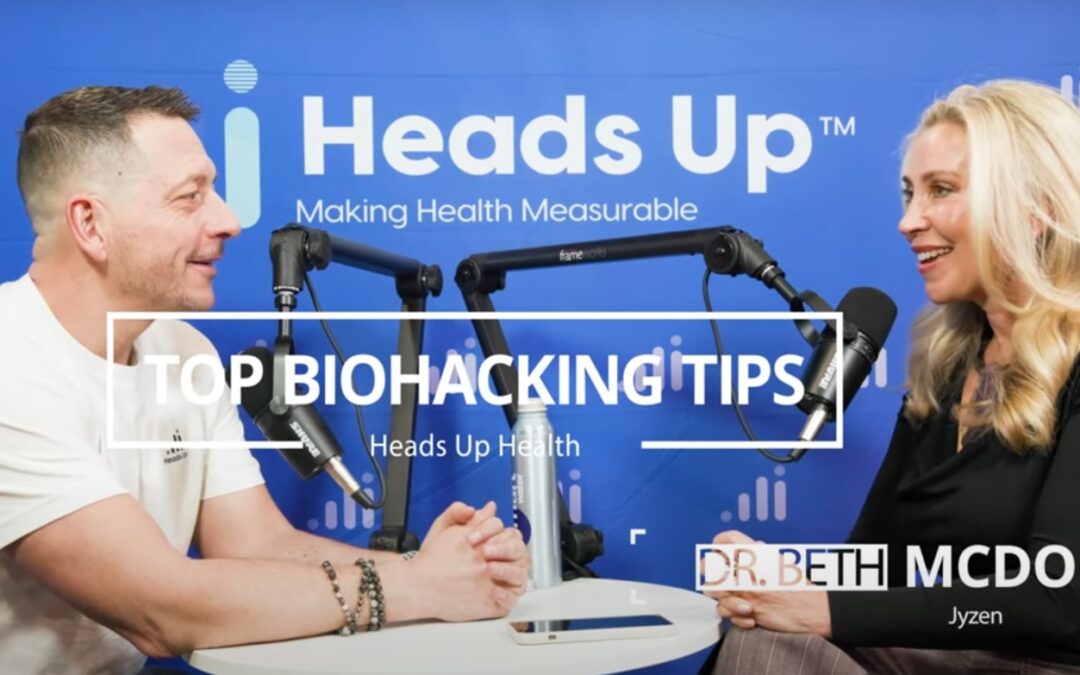
Dr. Beth McDougall

Chief Medical Officer Jyzen

Biohacking Longevity: A Look Inside Dr. Beth McDougall’s Cutting-Edge Health Protocols

Welcome to the future of personalized longevity and wellness, where science meets ancient wisdom under one revolutionary roof. In this blog post for Heads Up Health, we explore the insights shared by Dr. Beth McDougall on biohacking secrets and integrative medicine.

Meet the Visionary: Dr. Beth McDougall

Dr. McDougall is not only a trailblazer in integrative medicine with 26 years of experience, but also the co-founder of Jyzen, a 30,000 square foot bio-optimization center in Mill Valley, California. This facility is home to one of the most comprehensive arrays of biohacking technologies in the world.

A Personalized Protocol for Longevity

Dr. McDougall stresses that longevity protocols are deeply personal. She begins with a comprehensive health assessment—evaluating the individual’s goals, metabolic markers, hormonal balance, infectious diseases, heavy metal toxicity, gut health, and even brain function through quantitative EEG brain mapping. The goal? To uncover hidden dysfunctions and build a tailor-made strategy to optimize every layer of health.

Core Strategies for Cellular Optimization

  • Detoxification: She leverages therapies such as EVO2, phospholipid exchange, and chelation to reduce toxic load.

  • Hormonal and Metabolic Balance: From mitochondrial efficiency to receptor sensitivity, the aim is cellular rejuvenation.

  • Peptide Therapy: Dr. McDougall plans a year-long, rotating peptide protocol designed for optimal aging—not a one-size-fits-all plan but a curated rotation for those already in good health.

  • Lifestyle Enhancements: Customized diets, exercise routines, and stress management practices are key pillars of her program.

Concierge Longevity: The 2025 Vision

Rolling out in 2025, Dr. McDougall introduces a concierge medicine program that layers traditional concierge services with cutting-edge longevity protocols. Members benefit from detailed diagnostics and continuous access to all therapeutic modalities at Jyzen, guided directly by Dr. McDougall herself.

Why It Matters

This integrative approach bridges the gap between high-tech biohacking and whole-person wellness. By focusing on foundational health and leveraging breakthrough technologies, Dr. McDougall redefines aging not as a decline, but as an optimized, vibrant journey.

Stay tuned to Heads Up Health for more stories on health pioneers who are transforming the future of wellness.

Subscribe Below To Get Notified About Our Next Data-Driven Health & Medical Training

Leverage The Power Of Heads Up in your Health Practice

Get started with by scheduling custom demo with one of our specialists to see the difference Heads Up can make in your practice. Schedule your demo and discovery call here.

Tracking Patient Health Data Has Never Been Easier!

Frame 1

Optimize Health & Longevity

Synchronize your clients’ medical records, labs, wearables, apps, and more into Heads Up for better outcomes. 
Sign Up now for a free starter account!
Easy Button: Saving Providers Time & Money

Easy Button: Saving Providers Time & Money

Leverage The Power Of Heads Up in your Health Practice

Get started with by scheduling custom demo with one of our specialists to see the difference Heads Up can make in your practice. Schedule your demo and discovery call here.

Tracking Patient Health Data Has Never Been Easier!

Frame 1

Optimize Health & Longevity

Synchronize your clients’ medical records, labs, wearables, apps, and more into Heads Up for better outcomes. 
Sign Up now for a free starter account!

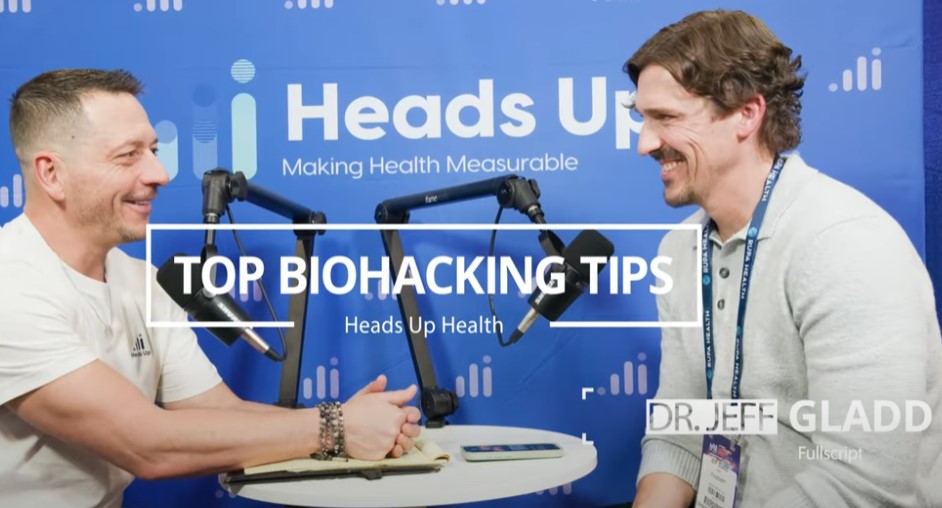
Top 3 Biohacks of 2025 By Dr. Jeff Gladd

Top 3 Biohacks of 2025 By Dr. Jeff Gladd

Top 3 Biohacks for 2025 By Dr. Jeff Gladd

⚕️Find a Trusted Practitioner – Patients need personalized guidance rather than relying solely on podcasts, books, or DIY labs. Finding the right practitioner—even if it takes a few tries—can provide clarity in a noisy health space.

?️‍♂️ Prioritize Muscle Health – Strength training, protein intake, and creatine are essential. Many underestimate their protein needs and the role of muscle mass in long-term health, especially when on appetite-suppressing medications like GLP-1.

? Avoid Perfectionism – Balance over rigidity: it’s vital to have a solid health foundation, but also allow room to enjoy life’s pleasures like desserts and family gatherings without guilt.

Bonus Tips!

? Seek Second (and Third) Opinions – Don’t settle for one voice. If the first health expert isn’t the right fit, continue the search. It’s better to navigate through a few wrong choices than stay misled.

? Track with Tools Like Heads Up – Use digital health tools to assess nutrition and calorie intake. Even informed patients often underestimate protein and overestimate calories—awareness is key.

“Do not make perfection the goal… You should enjoy dessert with the family, enjoy your kid’s birthday party — we forget to enjoy life when perfection is the goal.”

Dr. Jeff Gladd

Concierge Medicine Physician

Insights Based on Numbers

  • GLP-1 and protein deficiency: When patients use GLP-1 medications, their appetite often drops, leading to reduced protein intake. This can harm muscle mass if not managed consciously.

  • Underestimation bias: Most patients significantly underestimate their protein intake, often realizing it only after tracking with tools like Cronometer.

Subscribe Below To Get Notified About Our Next Data-Driven Health & Medical Training

Leverage The Power Of Heads Up in your Health Practice

Get started with by scheduling custom demo with one of our specialists to see the difference Heads Up can make in your practice. Schedule your demo and discovery call here.

Tracking Patient Health Data Has Never Been Easier!

Frame 1

Optimize Health & Longevity

Synchronize your clients’ medical records, labs, wearables, apps, and more into Heads Up for better outcomes. 
Sign Up now for a free starter account!